

On a bright November morning in the Texas Medical Center, the line at the valet stand curled past the glass doors while families compared appointment times on their phones. Inside, the familiar hush of a major cancer hospital mixed with the sound of construction somewhere beyond the lobby. The MD Anderson expansion announced in November 2026 is meant to ease that pressure, adding facilities and services in Houston so more people can be seen without the long waits that have become part of the ritual of seeking care here.
A campus built by demand

The University of Texas MD Anderson Cancer Center has never been a modest institution. For decades it has drawn patients from across Texas, from other states, and from abroad, people who arrive with binders of records and a hope that one more opinion will change the odds. That reputation is a gift and a strain. A hospital known for difficult cases fills its clinics, its infusion chairs, and its operating rooms faster than a static campus can absorb.
Growth here has usually arrived in pieces: a new tower, a renovated floor, a clinic moved to the edge of the main complex so the core can breathe. The latest announcement fits that pattern more than it breaks it. Leaders described added space and broader services rather than a single dramatic gesture. For patients, the distinction matters less than whether a scan happens this week instead of next month, and whether the physician who knows the case is in the building when the results come back.
Houston has watched this institution expand before. What feels different in 2026 is the accumulation. Each earlier project solved a bottleneck and created another. Parking, lodging, and the simple problem of moving a sick person from one building to the next have become part of the medical story, not a side note.
What families actually feel

Cancer care is a sequence of small logistics that add up to exhaustion. A relative drives in from Katy before dawn. Another flies in and sleeps on a couch near the medical center. Someone has to remember which building holds the laboratory and which holds the surgeon. When a center says it is improving services, the honest test is whether those errands get shorter.
Expanded facilities can mean more exam rooms, more infusion capacity, and imaging that does not require a second trip across the campus. Service enhancements can mean navigators who return calls, financial counselors who explain a bill before it arrives, and clinics that stay open late enough for a working spouse to attend. None of that is glamorous. All of it decides whether a treatment plan is something a household can sustain.
I have sat in enough waiting rooms, as a reporter and as a family member of patients elsewhere, to know that people do not experience a hospital as a strategic plan. They experience it as a chair, a clock, and a voice that either knows their name or does not. Any MD Anderson expansion that forgets that human scale will look impressive on a map and feel thin in the room where the news is delivered.
The medical center around it

MD Anderson does not stand alone. It sits inside the Texas Medical Center, a dense cluster of hospitals, research institutes, and hotels that has turned this part of Houston into a city within a city. Ambulances, shuttle buses, and construction cranes share the same streets. An expansion at one institution ripples into traffic patterns, housing demand, and the labor pool that every neighbor also needs.
That density is a clinical advantage. Specialists can consult across the street. A patient with a rare complication can reach another service without leaving the district. It is also a civic problem. Nurses, pharmacists, technicians, and housekeepers are not infinite. When one flagship grows, others compete for the same people. Houston has prospered on medical employment, yet prosperity does not automatically produce enough trained staff for every new wing.
City planners and hospital executives rarely speak the same language. One talks about mobility and housing. The other talks about case mix and accreditation. The patients crossing Holcombe Boulevard on foot are living inside both conversations at once.
Research beside the bedside

Part of what draws people to this campus is the promise that treatment and research occupy the same ground. A clinical trial is not an abstract idea here. It can be the next option after standard therapy fails. Expanding facilities without protecting that link would turn a research hospital into a larger version of ordinary care, which is not why most families make the trip.
The public record of the institution, available through its own site at mdanderson.org, has long emphasized both patient care and scientific work. The November announcement, as described in local coverage, stressed facilities and services aimed at patient care. That emphasis is welcome if it means shorter paths from diagnosis to treatment. It will disappoint if laboratory space, trial coordination, and the unglamorous work of data management are treated as leftovers.
Science does not scale the way a waiting room does. A new clinic can open on a schedule. A meaningful study cannot. Readers should be wary of any implication that square footage alone produces better survival. Buildings enable care. They do not replace judgment, evidence, or time.
The people who have to staff the growth

Every expansion plan eventually meets a scheduling board. More rooms require more nurses. More operating days require more anesthesiologists, surgical techs, and sterile processing staff. More outpatient visits require more schedulers who can untangle insurance without leaving a patient on hold until the hope drains out of the call.
Houston already trains a large share of the health workforce that the region uses. It also loses people to burnout, to higher pay elsewhere, and to the simple fact that shift work is hard on a family. An institution can announce new services and still fail to fill the shifts that make those services real. Patients notice the failure as a canceled appointment, not as a vacancy rate.
Retention is less photogenic than a groundbreaking. It shows up in whether the same nurse is there on the third cycle of treatment, and whether that nurse has time to explain a side effect instead of rushing to the next chair. If the MD Anderson expansion is serious about care, its least visible investment will be in the people who stay.
Who gets through the door

A larger campus does not automatically mean a fairer one. Cancer already sorts people by insurance, by geography, and by the ability to take weeks away from work. Patients with comprehensive coverage and a relative who can drive them often reach specialized care first. Patients who rely on public programs, who live far from Houston, or who cannot miss a paycheck often reach it later, when the disease is harder to treat.
Service enhancements can narrow that gap if they include transportation help, lodging support, language access, and financial counseling that is more than a pamphlet. They can widen the gap if the new capacity is filled by those already best positioned to navigate a complex system. Expansion is a moral question disguised as a construction question.
Texas is vast. A center in Houston cannot be a local clinic for every county, and it should not pretend to be. It can, however, decide whether outreach, telemedicine, and partnerships with community physicians are part of the growth or an afterthought. The answer will show up in who appears in the new waiting rooms, not in the press language around the announcement.
Money, bills, and the cost of hope

Specialized cancer care is expensive before a single new building is considered. Drugs, imaging, hospital days, and the travel around them can reorder a household budget in a season. Families arrive grateful for an appointment and frightened of the statement that follows. Any honest account of growth has to sit with that fear.
Institutions of this stature often point to charity care, payment plans, and assistance funds. Those tools matter, and they are not the same as affordability. A patient can be admitted and still leave with debt that shadows recovery. Expansion that increases volume without a clearer path through the bill will improve access on paper and strain it in practice.
Public hospitals and academic centers also answer to state systems, donors, and bond markets. Those pressures are real. They should not be allowed to set the only definition of success. A fuller schedule is not a victory if the people on that schedule cannot pay for what they receive, or if they delay the next visit because the last one cost too much.
Houston as a place people come to be sick

There is something particular about a city that has organized so much of its identity around medicine. Hotels near the medical center know the rhythms of treatment weeks. Restaurants learn which menus work for people who cannot tolerate much food. Churches, mosques, and informal prayer circles become part of the itinerary, even for families who did not plan to talk about faith until the diagnosis arrived.
That spiritual undertow is easy for a facilities story to ignore. It should not. People facing cancer often look for meaning in the same week they look for a parking spot. A larger hospital does not answer the question of why this happened. It can, if it is designed with humility, leave room for chaplains, quiet space, and the kind of time that is not billed by the minute. Care is clinical. It is also the decision to treat a frightened person as more than a case.
The category of news that tracks belief and trend sometimes sits far from operating rooms. This announcement belongs in both worlds. A city that sells itself as a destination for healing is making a claim about what it owes the people who come here when they are most vulnerable.
What a building cannot do

It is worth saying plainly what expansion cannot guarantee. It cannot make every cancer curable. It cannot erase disparities that begin long before a referral. It cannot replace prevention, screening, or the primary care that catches disease earlier. Readers who treat a new wing as a promise of salvation will be disappointed, and that disappointment will not be the hospital’s alone.
Outcomes in cancer depend on the biology of the disease, the timing of diagnosis, the quality of the team, and the support around the patient. Architecture can remove friction. It cannot supply wisdom. The best use of new space is to give skilled people enough room and enough time to do work they already know how to do.
Skepticism is not cynicism. Houston has reason to welcome investment in a center that employs thousands and treats people other hospitals send away. It also has reason to ask, six months and two years from now, whether wait times fell, whether staff stayed, and whether patients from outside the usual pipelines found a way in.
How to judge the announcement later

November 2026 is a starting line, not a verdict. The useful questions are concrete. Are more patients completing the first visit without a cascade of rescheduled tests? Are trial options explained in language a tired person can follow? Do community physicians get timely notes back? Does the shuttle, the lobby, and the phone tree feel designed by someone who has been ill?
Local reporting will matter. So will the accounts patients post, quietly, to family group texts. Institutions are skilled at describing intention. Households are skilled at describing Tuesday. The gap between those two descriptions is where this story will actually be written.
Donors and public officials will look for renderings and ribbon cuttings. Patients will look for a returned call. Both audiences are real. Only one of them is sitting in a gown under fluorescent light, waiting to hear whether the scan changed the plan.
A city that keeps building
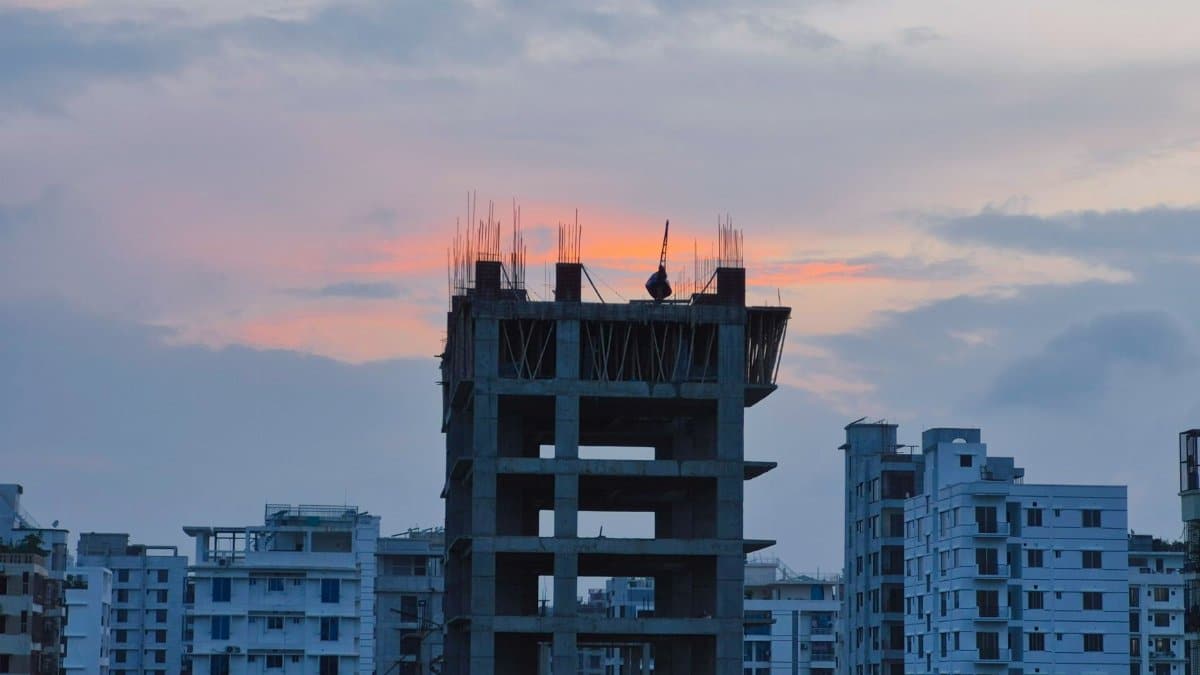
Houston has a habit of answering pressure with construction. Freeways, subdivisions, port facilities, and hospitals all follow the same instinct: if demand rises, pour more concrete. Sometimes that instinct is correct. Sometimes it defers the harder work of coordination, staffing, and equity. The MD Anderson expansion belongs to that civic habit. It is a medical decision and a Houston decision at the same time.
The center remains one of the most consequential cancer institutions in the country, and the people who travel to it are not confused about why they came. They came because the alternative felt smaller. Growth that honors that trust will be measured in calmer clinics and steadier hands, not in the height of the next tower.
For now, the announcement is a commitment to more room and more services in a city that already knows the sound of cranes. The families in the valet line will decide, in the months ahead, whether the commitment reached them. That is the only review that counts.