

On a weeknight in Houston, the kind of evening when the freeways thin and kitchen lights stay on past ten, a pilot, a physician, and a robotics engineer may be staring at the same federal form. The window is narrow and unusually public. NASA astronaut hiring is open, and the agency says applications will be accepted through December 3, 2026, for a class that would train at Johnson Space Center with Artemis lunar missions in view and Mars still further out on the planning horizon. For most readers the announcement is a headline. For a smaller group it is a private calculation about fitness, family, and whether a civilian career can survive a multiyear audition that ends, for nearly everyone, in a polite no.
A public invitation with private stakes

The phrase NASA astronaut hiring can sound like a recruiting slogan. In practice it is a civil service process with the emotional weight of a vocation. Applicants are asked to document education, flight time or technical depth, medical history, and the kind of teamwork that does not show up cleanly on a resume. The agency has long preferred people who can learn a new machine quickly and stay calm when the machine misbehaves. That preference has widened over decades. Test pilots still appear. So do scientists, engineers, physicians, and military officers whose daily work already involves risk managed by procedure. The romance of the job is real. The paperwork is more real.
What changes in a year like this is not the dream but the deadline. A form that closes on a dated evening forces a decision that many talented people have postponed through graduate school, deployments, and the ordinary press of raising children. Some will decide the life does not fit. That decision is not a failure of nerve. It is often the first honest reading of the job.
What the agency has usually required

Citizenship in the United States has been a standing requirement, along with a degree in a science, engineering, or mathematics field and several years of related professional experience, or a substantial record as a pilot. Exact thresholds can shift from class to class, and anyone preparing a file should read the current announcement rather than an old recollection from a friend who applied a decade ago. Vision, blood pressure, and the ability to pass a demanding physical remain part of the screen. So does a background check.
None of this is ornamental. It is the minimum proof that a person can be trusted with a vehicle that costs more than many city budgets and with crewmates who cannot walk away if judgment fails. A brilliant researcher who cannot tolerate the medical rules will not be carried forward out of sympathy. A superb pilot who cannot work inside a strict chain of communication will not be carried forward out of nostalgia for an earlier era of flight. The corps is a team before it is a collection of standout biographies.
Training that begins long before a launch
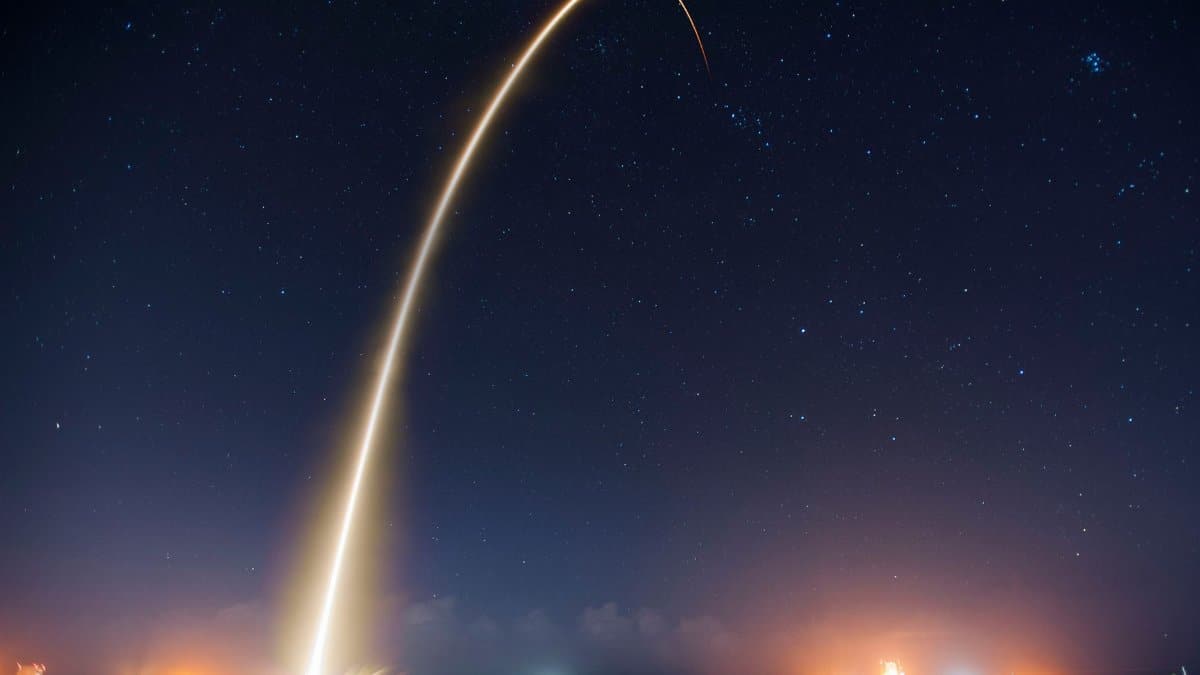
Selection is not the job. It is admission to a school that happens to sit beside a historic campus south of downtown Houston. New astronaut candidates spend years in classrooms, simulators, survival courses, language study, and robotics labs. They learn spacecraft systems until the diagrams feel like neighborhood maps. They practice spacewalks in a giant pool. They fly jets to keep the habit of rapid decisions. The glamour, such as it is, arrives in short bursts between long stretches of study that would look familiar to any demanding professional school.
Johnson Space Center is both workplace and stage set, a place where families learn the strange calendar of quarantines, travel, and long stretches away from home. The people who thrive tend to treat boredom and brilliance as equal parts of the same week. They also learn to be evaluated in public. Cameras appear at milestones. Classmates become colleagues for life. A thin skin is a practical problem, not a private one, because the work requires critique delivered in real time and absorbed without theater.
Artemis and a Moon that is no longer only a memory

The near mission set is lunar. Artemis is the name NASA uses for a return to the Moon with a broader cast than the Apollo years, including commercial landers and international partners. For a new class, that means training aimed at orbits, landings, and surface work that planners hope will be more than a brief visit. Geology matters again. So do life support, navigation, and the unglamorous craft of keeping a habitat running when dust works its way into every seal.
The political calendar and the engineering calendar do not always agree. Programs slip. Budgets argue. Hardware that looked ready on a chart meets a test stand and reveals a flaw. Still, the hiring notice points applicants toward that lunar work rather than toward a vague future. A candidate who cannot imagine years of preparation for a flight that might move is probably applying to the wrong institution. Patience is not a soft skill in this setting. It is a technical requirement.
Mars as preparation rather than a departure date
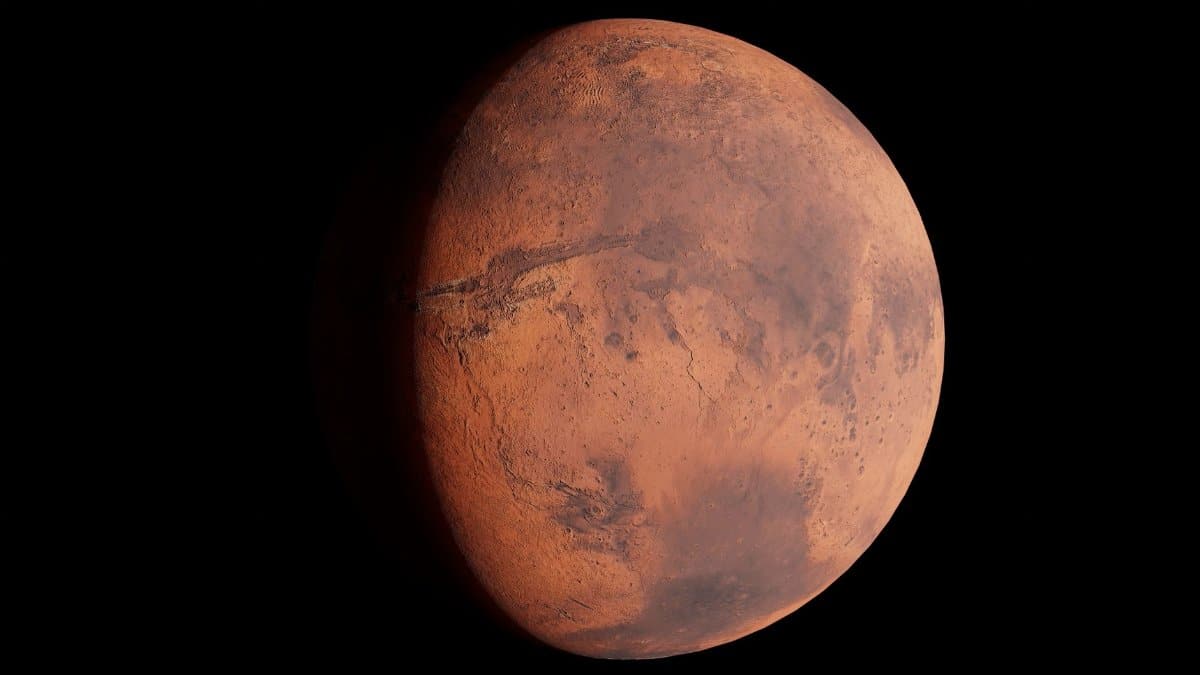
Mars sits in the same sentence as the Moon in public briefings, and it should be read with care. No one selected in this cycle should expect a ticket to the red planet printed on the acceptance letter. What the agency can honestly offer is preparation: medical research on long stays in space, life support that must recycle almost everything, and crew skills for missions measured in years rather than days. The distance changes the psychology of the job as much as the propulsion.
A radio call to Mars can take many minutes each way. Help from Houston becomes advice, not rescue. Hiring people who can live with that delay is part of building a corps before the rocket exists in final form. The honest public conversation admits the gap between aspiration and hardware. It also admits why the gap is worth staffing now. Skills compound. A corps that waits for a perfect vehicle will arrive at that vehicle unpracticed.
The mathematics of a very small yes

Thousands of people typically apply when NASA opens the door. A dozen or so may be chosen, sometimes a few more, sometimes fewer. The ratio is harsh enough to discourage anyone who needs a likely outcome. It is also why the announcement matters beyond the winners. Each cycle refreshes a national story about who is allowed to imagine leaving Earth for work. Teachers assign the requirements. Parents argue at dinner. Veterans compare notes with graduate students who have never worn a uniform.
The public learns, again, that the corps is not a celebrity list assembled in secret. It is a competition with rules, even if those rules cannot make the heartbreak feel fair. Rejection letters do not usually explain the near miss. Applicants are left to infer whether the issue was vision, experience, interview presence, or simply a deeper bench than any one person can see. Living with that opacity is part of applying to a selective federal post, and it is sharper here because the prize is so visible.
Houston feels the announcement in ordinary ways

For this city the news is local as well as cosmic. Johnson Space Center employs thousands. Contractors fill office parks. Restaurants near the campus know the rhythm of a training class. When NASA astronaut hiring makes the evening news, realtors and school principals pay a quiet kind of attention. New families may arrive. Old ones may stay through another cycle of hope. The people involved shop on the same roads as everyone else. Fame, if it comes, comes later.
First there are physicals, interviews, and the odd experience of explaining to a neighbor why you might disappear into a simulator for a decade. Houston has lived with that oddity since the early human spaceflight years. The city does not treat astronauts as visitors from a myth. It treats them as neighbors who sometimes cannot talk about the meeting they just left. That familiarity is a civic asset. It keeps the work from floating free of payrolls, school calendars, and the plain fact that someone has to pick up the children when a training trip runs long.
How a serious applicant should read the fine print

Anyone tempted by the deadline should slow down before uploading a file. The form rewards accuracy. Inflated flight hours or a blurred employment date can end a candidacy faster than a modest resume. Medical standards are not a suggestion. A condition that is manageable on Earth can be disqualifying in a cabin where a small problem becomes a mission problem. Applicants also owe honesty to the people who share their mortgages and school runs. Selection, if it arrives, rearranges a household. Rejection, which is the common result, can still leave a mark.
The healthiest applications are written by people who would respect the work even if they never wear the blue flight suit. They have already done hard things under supervision. They can describe a failure without decorating it. They understand that diversity in the corps is not a slogan detached from operations. Different training paths produce different instincts in a crisis, and a crew is stronger when those instincts have been tested against one another on the ground. None of that substitutes for the published requirements. It is simply the human layer the form cannot fully score.
Why the call still reaches beyond the space community

There is a reason a hiring notice for a few dozen specialists can hold a broad audience. It asks a plain question in an extravagant setting: what kind of competence do we trust with one another when the exit is not nearby? Clinics, classrooms, and ship bridges ask versions of that question every week. The space agency asks it with centrifuges and checklists. I do not think the romance should be mocked, and I do not think it should be trusted alone. Awe without standards produces spectators. Standards without any sense of meaning produce a workforce that cannot explain itself to the country that pays for it.
NASA astronaut hiring is a bureaucratic act that happens to point at the edge of human habitability. Between now and December 3, 2026, the useful response is not applause by itself. It is a clear eyed look at the requirements, the odds, and the kind of person the country is willing to send. The Moon is a destination. Mars is a discipline. The application, unglamorous as it is, is where that discipline starts for the next small class, and for the much larger number of people who will measure their own lives against the ask and decide, with dignity, to stay on the ground.