

On a rain soaked Tuesday night in November 2026, the returns did not arrive like a gentle political tide. They arrived like water over a levee. County clerks in suburbs that had seemed safely Republican watched precinct after precinct flip, and cable panels reached for a phrase that sounded less like campaign poetry than emergency management. Analysts called the night a 100 year flood, the worst showing for Republicans since 1974, with Democrats surging nationwide and in Washington. The slogan consultants had practiced for two years, the 2026 midterm blue wave, suddenly felt too small for what the maps were doing. In living rooms from Seattle to suburban Atlanta, people refreshed their browsers and tried to decide whether they were watching a correction or a collapse.
A flood is not the same thing as a tide

Waves recede on a schedule. Floods do not ask permission, and they leave debris. That distinction matters if anyone wants to understand what voters actually did. A wave can be a mood, a viral ad, a single charismatic candidate. A flood is structural. It fills low ground first, then climbs streets that thought they sat above the waterline. In 2026 the low ground was not only the obvious battlegrounds. It was school board adjacent suburbs, exurban counties that had drifted right for a decade, and House districts drawn to withstand an ordinary bad year.
Ordinary bad years have a shape. The president’s party loses seats, donors grumble, and the opposition claims a mandate it has not fully earned. This was larger than that familiar script. The language of emergency management stuck because the breadth of the shift looked less like persuasion in a handful of media markets and more like a simultaneous failure of assumptions.
What the maps refused to hide

National narratives love a single number. The more honest picture in 2026 was a stack of local ones. Democratic candidates improved on recent baselines in cities, but the surprise was how far the movement reached into places party strategists had quietly written off. County canvasses that once moved a point or two moved by margins large enough to flip control of legislative chambers and to shrink Republican room in the House.
Washington offered a clear exhibit, not because the state was in doubt at the top, but because the down ballot map told a national story in miniature. Districts that had been competitive on paper and safe in practice stopped behaving. Turnout in younger precincts rose. Ticket splitting did not vanish, yet it narrowed. Voters who had treated congressional races as a protest against Washington, the city, treated them instead as a verdict on governing.
Why 1974 keeps being invoked
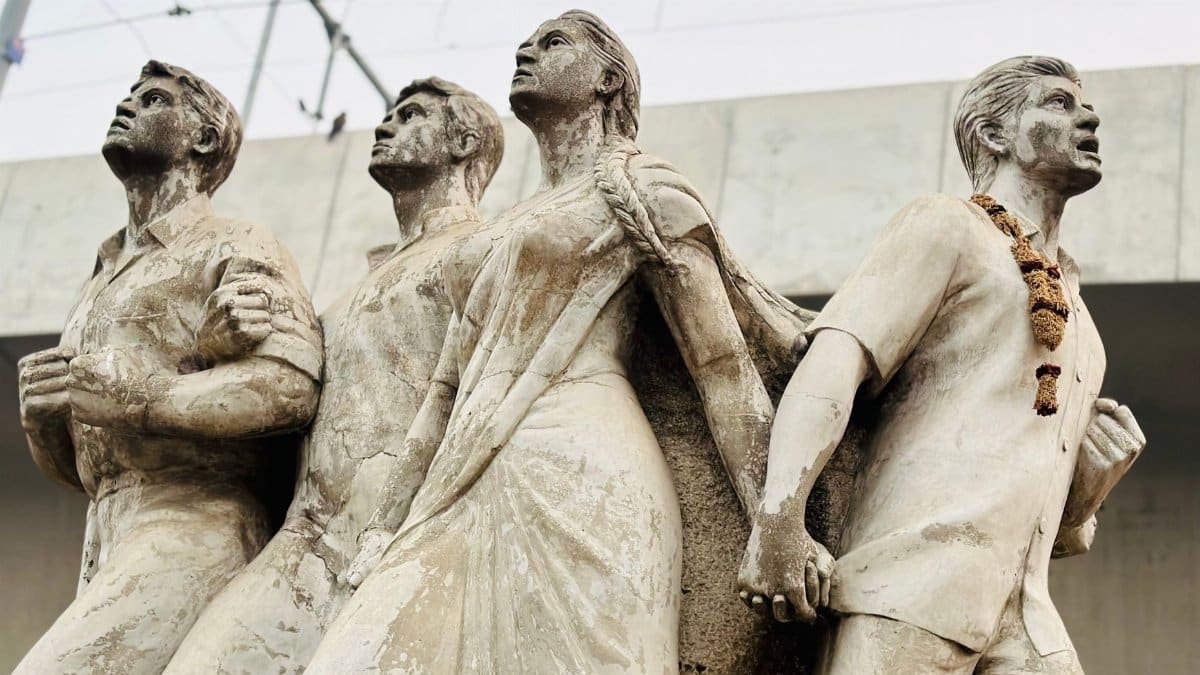
Comparisons to the midterms after Watergate are emotionally loaded and analytically slippery. The country is not the same country. Parties are sorted differently. Media is fractured. Money moves faster. Still, the comparison persisted among analysts for a reason that is more mechanical than romantic. In 1974, Republicans absorbed a repudiation that was not confined to one region or one kind of voter. The damage showed up in places the party thought were culturally aligned and procedurally safe.
Invoking that year is not a claim that 2026 copied a scandal or a resignation. It is a claim about scale. When professionals reach past the last three cycles for a reference point, they are admitting that recent models failed. Models fail when the inputs they treat as stable, including partisan loyalty, economic patience, and trust in institutions, move together.
Suburban patience ran out
For years, suburban politics was described as a negotiation. Parents wanted order in schools, predictable taxes, and a politics that did not shout at the dinner table. Many of those voters had been willing to separate a chaotic national brand from a local Republican who sounded practical. In 2026 that separation became harder to maintain. Concerns about prices did not fade on cue. Concerns about competence, abortion policy after years of state fights, and the tone of national leadership traveled into races for attorney general, legislature, and Congress.
Interviews on sidewalks outside libraries and grocery stores, the unscientific kind reporters still need, kept returning to the same plain complaint. People did not describe an ideological conversion. They described exhaustion. Exhaustion is a weak predictor in a model and a strong force in a booth. It does not require a new theory of the electorate. It requires a voter who has stopped granting the benefit of the doubt.
Cities, rural counties, and the middle ground that shrank
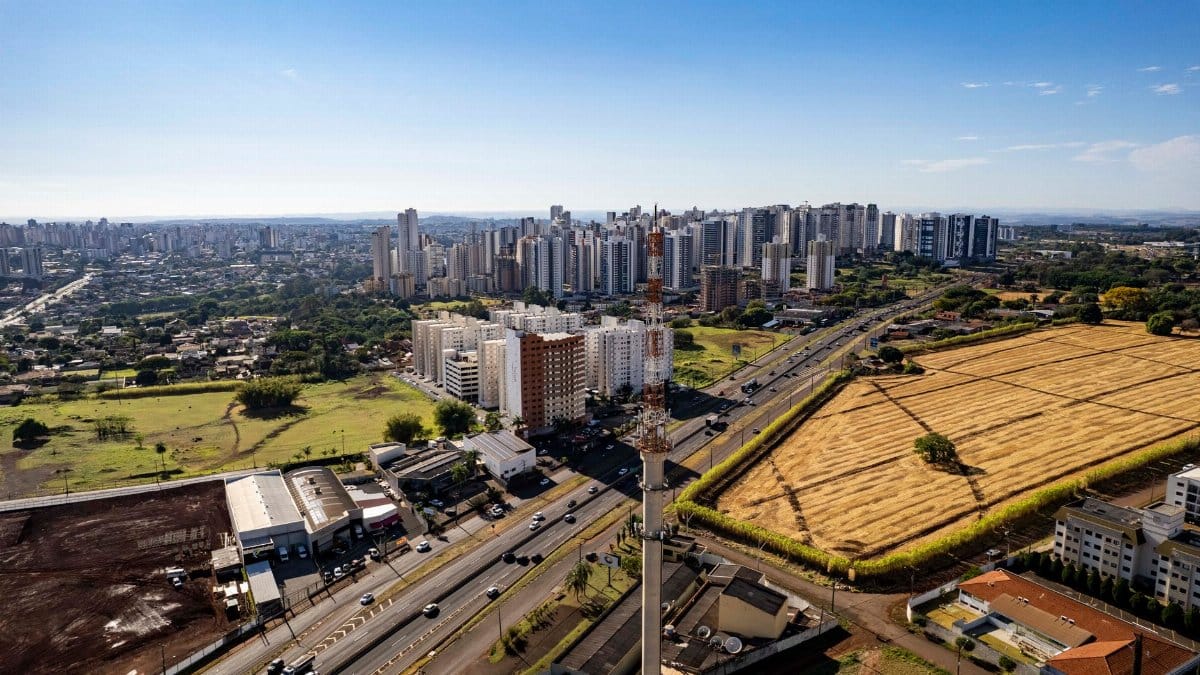
Democratic strength in central cities was expected. What changed the arithmetic was the collar around those cities and the small counties that sit between farm country and office parks. Rural areas did not become Democratic strongholds. Many stayed Republican. They simply did not deliver the overwhelming margins needed to offset losses closer to town. A flood does not have to cover the high ground to wreck the valley.
That geography also explains why some Republican incumbents survived. Candidates with real local identities, long records on practical issues, and distance from national theatricality held on in pockets of the Midwest and the interior West. Survival was not the same as a party strategy. It was evidence that voters can still see a person when the party brand is underwater. It was also evidence that person level politics is not a plan for a conference or a caucus.
How congregations heard the night

Election night is a civic event, yet for millions of Americans it is also interpreted in sanctuaries, fellowship halls, and group texts among people who pray together. In liberal congregations, relief mixed with caution. In conservative ones, grief mixed with argument about whether the loss was a failure of message or a failure of witness. Black churches in several cities treated strong turnout less as a miracle than as work, the unglamorous labor of rides, reminders, and trust built long before October.
I sat through enough election homilies over the years to distrust instant moral readings. A ballot is not a sacrament, and a wave, even one as large as the 2026 midterm blue wave that commentators could not stop naming, is not proof that one side has been anointed. Still, faith communities are part of the public. When pastors and lay leaders spend the week after an election asking what humility requires, they are doing political work whether they admit it or not. The healthiest versions of that work refuse both triumphalism and conspiracy.
Turnout was a choice, not a weather system
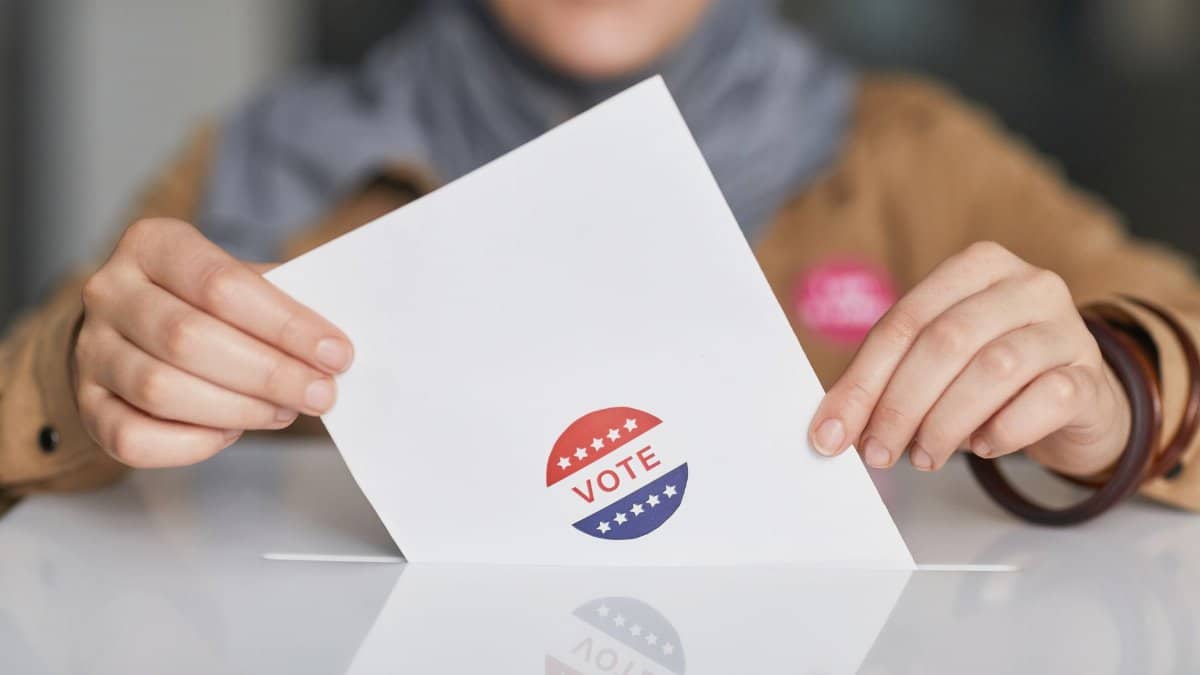
Flood metaphors can smuggle in a false idea, that voters were helpless before a current. They were not. Campaigns registered people, litigated rules, and spent extraordinary sums on the unfashionable business of contacting neighbors. Democratic organizers, scarred by years in which enthusiasm online failed to become ballots, invested early in states that once looked secondary. Republican operations were not asleep. They were aimed at an electorate that had already started to move.
Mail voting, early voting, and election day voting did not tell one identical story, but together they contradicted the hope that a late surge would save endangered incumbents. Late deciders broke toward Democrats more often than party strategists had forecast in internal memos that leaked before dawn. Forecasting is a humbling trade. The public should treat confident numeric promises in October with the skepticism those promises rarely apply to themselves.
Money followed fear, then followed math

Advertising in the final three weeks looked less like a national argument than like triage. Republican allied groups moved money toward districts they had classified as safe in the spring. Democratic groups, sensing the 2026 midterm blue wave might be wider than their own cautious targets, tested messages in media markets they had ignored. Some of that spending was wasteful. Some of it was the only reason a few races stayed close.
Voters insist they hate ads, and many do. They also live in an information environment where a candidate’s name, a local scandal, and a simple contrast on costs or rights can still move a few points. A few points were the difference between a bad night and a historic one. The flood did not make persuasion irrelevant. It raised the cost of being late.
What Republicans cannot outsource to a calendar

Parties that lose badly often comfort themselves with time. The other side will overreach. The president’s party will own inflation, a war, a scandal, or simple boredom. Sometimes that comfort is justified. It is a poor substitute for an accounting. Republican leaders now face questions their voters have already answered in public. How national should a local campaign be? Which fights persuade suburban parents, and which fights only entertain a primary audience? Can a party ask for power while treating election administration as a loyalty test?
Those questions are not solved by a new slogan. They are solved, if they are solved, by candidates who can say no to their own side and by donors willing to fund that discomfort. The worst showing since 1974 is not a curse. It is a measurement. Measurements do not care about talking points.
What Democrats are tempted to misread
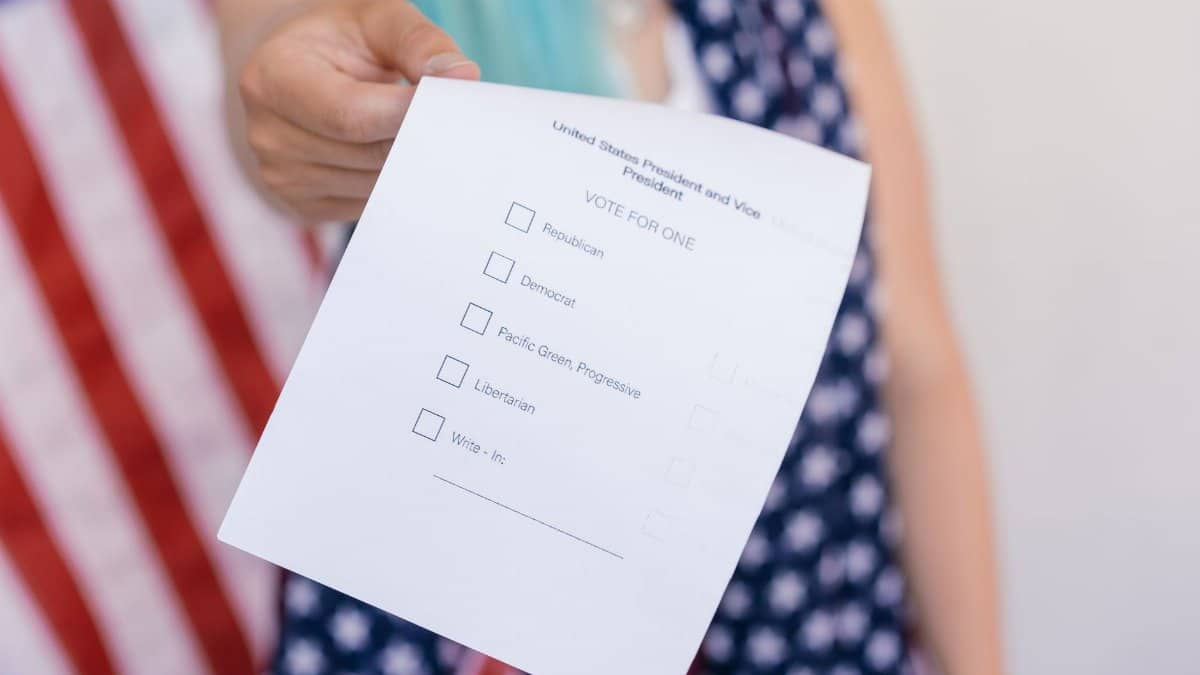
Victory creates its own fog. A party that wins widely can mistake a coalition of the impatient for a coalition of the converted. Many of the voters who produced the 2026 midterm blue wave were rejecting a record and a tone. They did not sign a detailed platform. If Democrats govern as if every precinct that flipped has become a seminar on their full agenda, they will teach those voters a different lesson by the next presidential year.
The practical test is dull on purpose. Can they lower the temperature on issues where the public granted a limited warrant, and move quickly where the warrant was broad, including costs, basic health access, and the visible competence of public institutions? Mandates are stories told after the count. Governing is what the count was supposed to enable. Confusing the two is how majorities become brief.
Courts, maps, and the rules under the water
No honest account of 2026 can skip the machinery. Legislative maps, state voting rules, and court decisions shaped which votes counted as power. Some Republican maps that were built to endure a five point national shift did not endure a larger one. Some Democratic maps revealed their own fragility in rural districts the party still needs if it wants Senates and statehouses, not only House waves. Structural advantage is real. It is not magic.
Legal fights over ballots will continue, as they have after every close era in modern politics. The standard for the public should be simple. Rules ought to be clear before votes are cast, applied evenly, and explained in language a tired citizen can follow. Emergency lawsuits are a poor substitute for that clarity. A flood exposes weak levees. It also exposes weak laws.
The reporters who reached for weather

Journalists are not innocent in the naming of nights like this. We reach for weather because weather is vivid and because politics resists clean causation. I have used the flood line myself, and I know its limit. Weather happens to people. Elections are made by people, including the ones who stayed home and the ones who decided, late, that staying home was a form of consent they no longer wanted to give.
The better sentence is plainer. In November 2026, a large share of the country withdrew confidence from Republican government as it was being offered, and it did so in enough places at once to shock professionals who are paid not to be shocked. Call that a 100 year flood if the image helps. Do not let the image erase the hands that marked the ballots.
Before anyone writes the story of 2028

Presidential cycles eat midterm lessons and then claim they invented them. The candidates who emerge over the next year will say the 2026 midterm blue wave proved their theory, whatever their theory was. Voters should be slower. The night proved that a party brand can fail across regions when patience fails with it. It did not prove that demography is destiny, that money is useless, or that the losing side is finished. American parties have been declared finished before. They reorganize, or they do not, and the public delivers another measurement.
Between now and that next measurement, the useful work is local and specific. School budgets, insurance bills, clinic wait times, the integrity of the count, the quality of the people recruited to run. If those things improve, the memory of the flood will soften into an ordinary political history. If they do not, the water will not need a new name. It will simply rise again, and the people who treated a historic loss as a communications problem will learn, once more, that voters can tell the difference.