
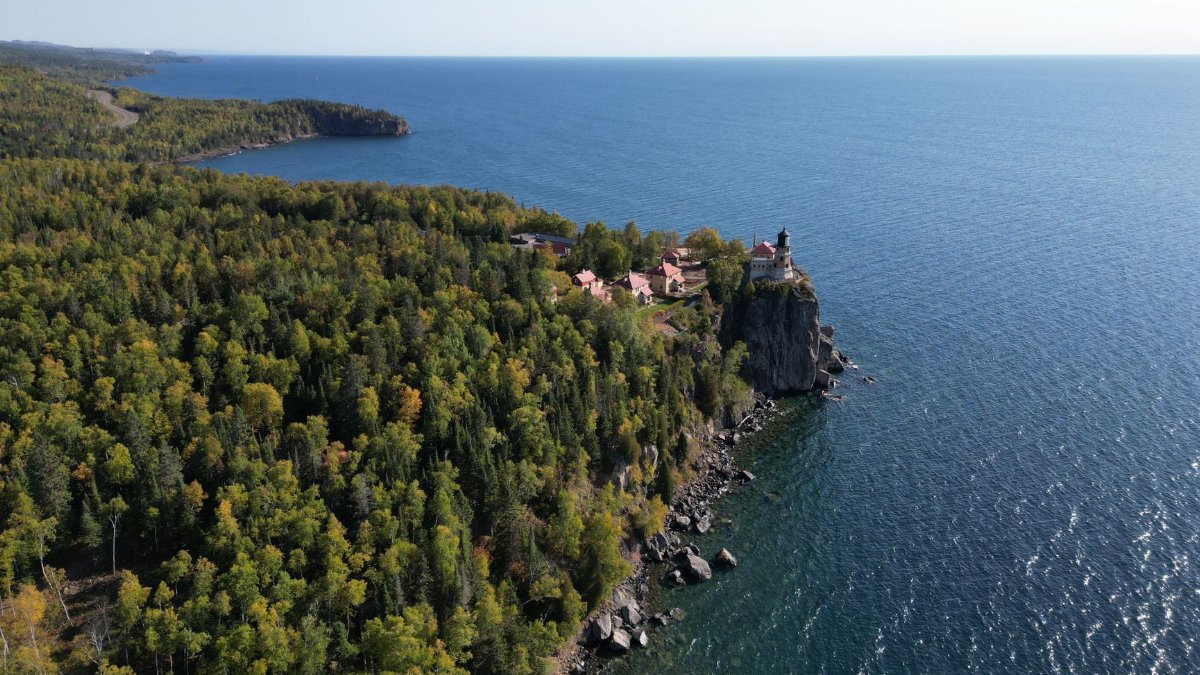
On a clear morning the lighthouse at Split Rock still does what it was built to do: hold a line between open water and the dark rock of the North Shore. The park around it has a different job now. It must absorb cars, hikers, and people who want a bed that is not a tent. That tension is why Split Rock camper cabins are entering the next chapter of one of Minnesota’s most visited state parks. Four new cabins, set to open in early June 2027, carry a price of about $1.4 million and are meant to stay available through the year. For a shoreline already famous for summer crowds and winter quiet, the addition is small in size and large in signal.
Why a lighthouse park keeps adding beds
Split Rock Lighthouse State Park sits on Lake Superior along a coast that pulls people from the Twin Cities, from Duluth, and from states that have no inland sea of their own. The lighthouse is the icon. The trails, the pebble shore, and water that can shift from calm to violent before dinner are why many visitors try to stay longer than a photo stop. Lodging inside the park changes the shape of that stay. A family can skip the scramble for a motel room in Two Harbors or a private rental farther up the shore. The same choice places more overnight weight on land the state already balances among day visitors, tent campers, and a historic site with its own calendar.
What the money is buying

A price of $1.4 million for four cabins can sound extravagant until the real work of public building is laid out. These structures must stand up to a coast that ices over, to accessibility rules, and to a landscape people will judge harshly if it looks scarred. Rock, drainage, power, and the simple fact of building where storms are not theoretical all sit inside that number. So does design that tries to stay modest. The political question is still fair. Parks are not inns. Money spent on lodging is money not spent on staff, on trail work, or on the dull repairs that keep a busy park from fraying.
The case for Split Rock camper cabins
The appeal is simple to name and slippery to count. A camper cabin stands between a tent and a rented house. You still live close to the weather. You still walk out into the dark for a shared building. You also sleep behind solid walls when Lake Superior decides the night will be loud, and you can book October or February without owning a trunk full of specialized gear. For plenty of households, that middle choice is the difference between a trip and a cancelled plan. They stretch the season past the short weeks when sleeping on the ground feels like a vacation rather than a test.
Winter is the real test
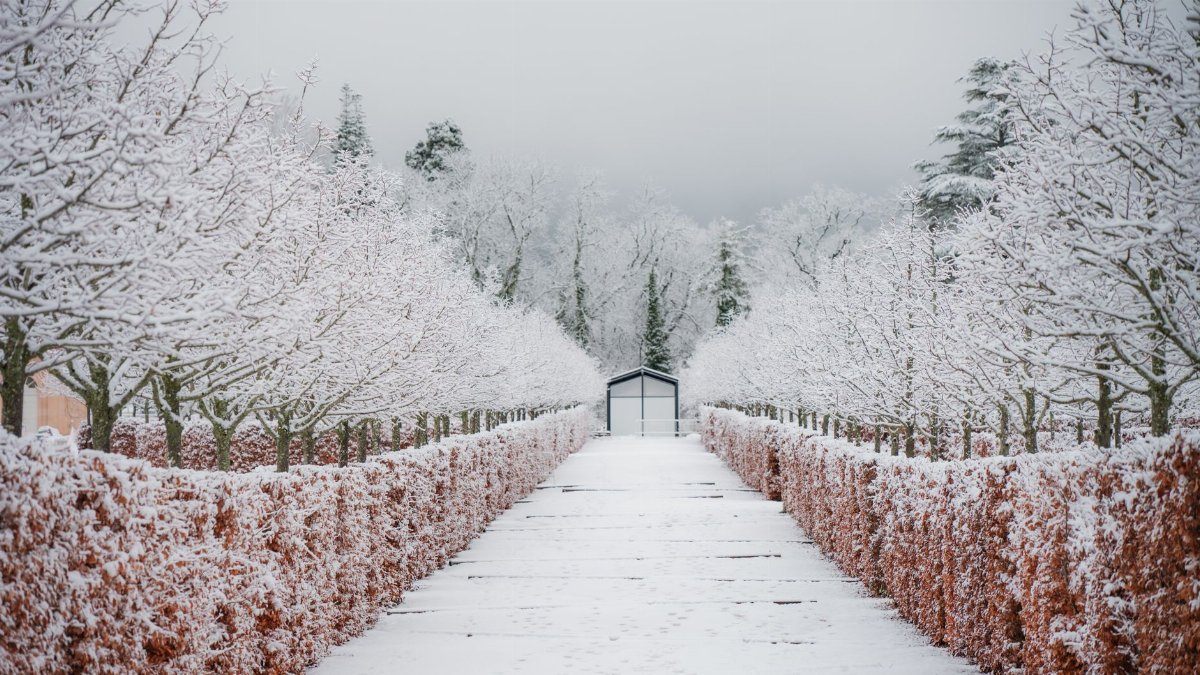
Summer at this park is a problem of plenty. Lots fill. Paths near the lighthouse carry a steady stream of walkers. New cabins will not erase that crush, and on a peak Saturday they may add a few more vehicles to an already tight shore road. The sharper promise sits in the cold months. January on the North Shore is another landscape: ice against rock, a low sun, fewer voices, and a clarity that many summer travelers never meet. Year round walls, if they can be reached and kept comfortable when the wind is serious, invite a stay that a day trip from the cities seldom allows. A cabin that fails in February is only a warm season idea with a longer advertisement.
Crowds, quiet, and a hunger for the shore
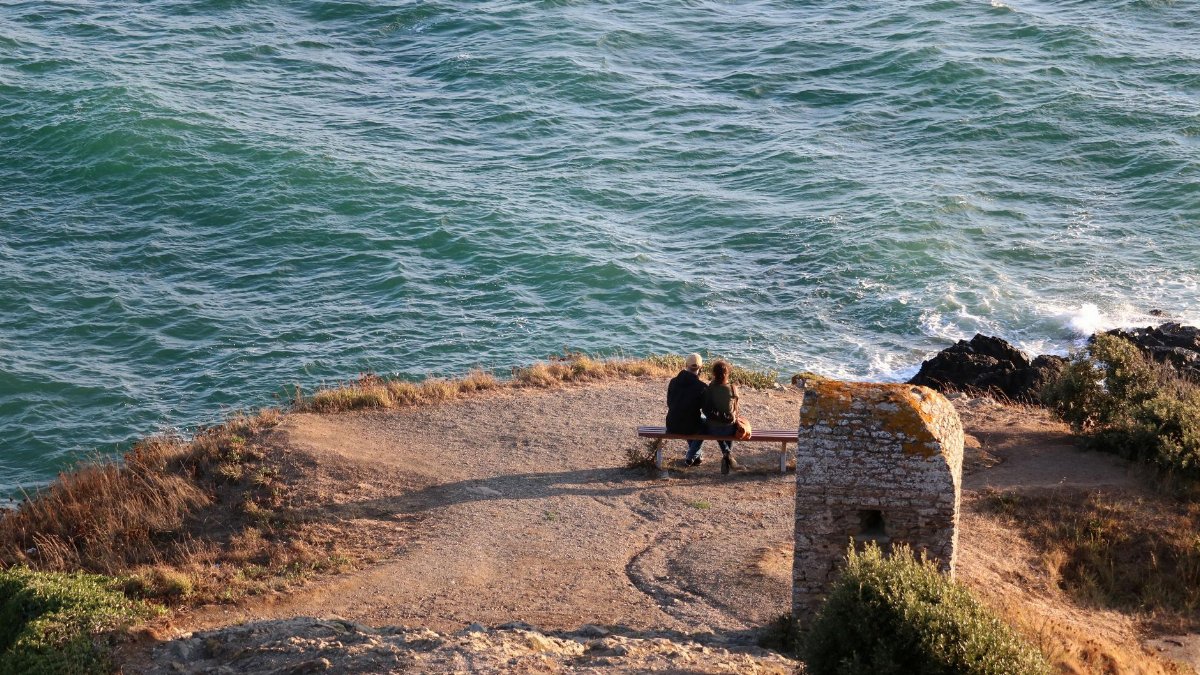
People rarely announce that they are hunting for meaning when they reserve a park night. They mention the view, the kids, the wish to get out of the house. Even so, the lighthouse has worked for decades as a fixed point in the mind, a bright mark on an inland sea that feels older than the highway running beside it. To stand near that tower, or to wake within walking distance of it, is for many a modest pilgrimage: a drive north, a slowing of pace, a reminder that weather is an actor and not a backdrop. Split Rock camper cabins live inside that longing. They trade a rushed afternoon for a night close to the water. The danger is that a contemplative coast becomes one more product, silence sold by the reservation. More people may still get far enough from routine to actually notice where they are.
Who gets a reservation and who does not

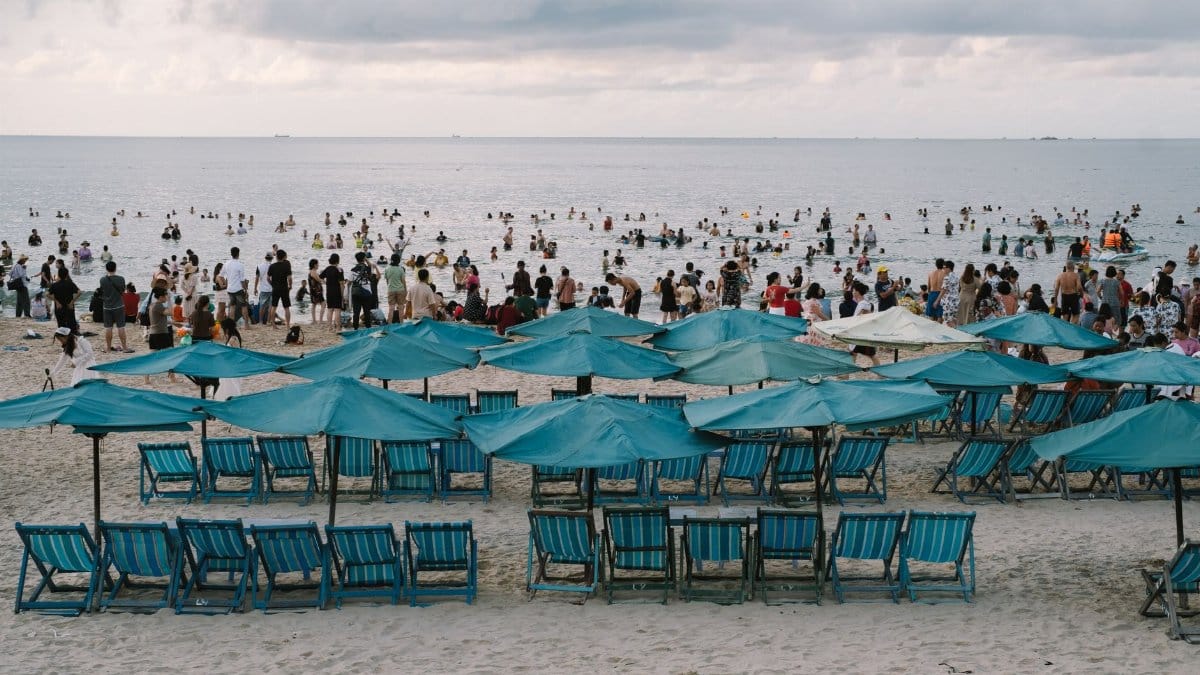
Popularity sorts people whether planners admit it or not. In Minnesota parks, cabins and prized campsites often vanish from the booking screen within minutes of release. That rhythm rewards fast connections, flexible schedules, and the habit of planning a season ahead. It does less for a household that looks at a clear forecast on Thursday and hopes for Saturday. Four new roofs will not make the North Shore fair. They will create four beds that many people want at once. Fairness, in this setting, depends less on paint colors than on policy: how inventory is released, how empty reservations are recovered, and whether some nights remain open to shorter notice. A public cabin that only the quickest click can touch starts to feel private.
The lighthouse and the park are not the same errand

It is worth keeping two visits apart. One is the historic lighthouse, with tours, exhibits, and a view that has filled postcards for generations. The other is the state park, with campground loops, trails, and day use pull offs above the water. Visitors blend the names, and the blend is easy to forgive. The tower is why so many leave the freeway. The park is where they walk, picnic, and, before long, sleep in a cabin owned by the public. A cabin reservation is not a private after hours tour. A lighthouse ticket is not a place to pitch a tent. The new lodging will work better if guests know which institution they have entered, and which rules still hold after the exhibits close for the day.
Pressure on a coast that is already loved
This is not an empty tract waiting for its first roof. It is among the most visited parks in the state, tied closely to a lighthouse that has its own pace of tours and preservation. More overnight guests mean more feet on trails, more questions for a finite staff, and more wear on a narrow band of land between the road and the lake. That is not a reason to shut the gate. It is a reason to speak plainly about capacity. A park can welcome people and still admit that welcome has a limit. These cabins should be judged by more than a full reservation calendar. The better measure is whether a morning after a sold out night still feels like a park, not a small resort wearing a public name.
What this signals for other parks

Minnesota has been shifting, in plain sight, toward lodging that asks less of people who have never learned to camp. Cabins and similar shelters spread because a bare site and a fire ring no longer match every household. That change can widen the circle of who feels allowed to stay. It can also pull parks toward the habits of the hospitality trade, where a good year is measured in occupied beds. The healthier version keeps a public ethic: modest buildings, shared facilities, prices that do not mimic a luxury rental, and enough staff to care for both the walls and the woods. If those pieces hold, the idea deserves a wider map. If they slip, the state will have built inns and continued to call the experience camping.
A June opening and the years after

Early June 2027 is the date now attached to the project. Between this season and that one sit bids, supply snags, and the ordinary stubbornness of construction on a celebrated coast. Anyone planning a trip this year or the next should not count on these four roofs. When the doors finally open, the first summers will reveal only a slice of the truth. The years that matter will bring ice in the harbor and a reservation that still gets used. That is when Split Rock camper cabins either justify their cost or settle into a mild season footnote to a $1.4 million choice. A lighthouse has always been a promise kept in bad weather. The cabins will be asked, more quietly, to do something similar.