
On a Tuesday night in a parish hall outside Phoenix, volunteers stacked folding chairs while a television murmured results from counties most national commentators still treat as footnotes. The people in that room were not waiting for Ohio to explain the country to them. They already knew the map had moved. The Latino vote 2026 did not arrive as a single bloc or a single grievance. It arrived as nurses, small business owners, first time citizens, and adult children translating ballots for parents who had watched politics from the edge for years.
Ohio still matters, just not as the national oracle
For a generation, campaign buses treated Ohio as a mirror of the American mood. Factory towns, suburbs, and a familiar partisan split made the state easy to narrate. That habit has outlived its usefulness. Ohio remains a real place with real stakes, but it no longer captures the speed of demographic change in the Sun Belt, the weight of housing costs in Western metros, or the way immigration policy lands inside mixed status families. When analysts keep asking whether Ohio has swung, they miss quieter shifts in Nevada, Arizona, Texas, Georgia, and parts of California and Colorado that decide control of the House long before a Rust Belt county is called.
Bellwethers are comforting because they shrink a noisy country into one story. Voters do not live inside that comfort. They live inside rent, clinics, schools, and churches. A commentary that forgets those rooms will keep misreading elections that look surprising only from a distance.
No single Latino voter exists, and parties keep pretending otherwise
The phrase Latino voter still gets used as if it names one preference. It does not. Cuban American retirees in South Florida, Mexican American families in the Rio Grande Valley, Puerto Rican communities in central Florida and Pennsylvania, and Central American congregations in the Washington suburbs do not share a script. Some prioritize border order. Some prioritize pathways to legal status for relatives. Many care first about prices at the grocery store and whether a clinic stays open on Saturday.
What the Latino vote 2026 showed, more clearly than recent cycles, is range with a pattern. In district after district, voters who had drifted toward Republicans on crime, inflation, and cultural friction moved back when Democratic candidates spoke in concrete terms about wages, health coverage, and respect rather than in abstractions about identity. The swing was sharp in places where campaigns actually showed up in Spanish and English, not only in the last ten days.
Housing, clinics, and the cost of waiting

Ask canvassers what they heard and the answers rarely begin with ideology. They begin with a landlord, a copay, a shift that ends after the bus stops running. In Clark County and in the western suburbs of Houston, younger Latino renters described politics as a choice between candidates who noticed the monthly squeeze and candidates who talked about the country as an abstraction. Parents compared school lunches and after school care. Elders compared prescription prices.
Those conversations do not fit a culture war frame, though culture is never absent. Many of these voters are socially traditional and economically impatient. They can oppose disorder at the border and still reject rhetoric that treats their cousins as a threat. Campaigns that forced a false choice lost rooms they might have kept. Campaigns that held both concerns in the same sentence gained trust that polls taken in English only had missed.
Faith communities as civic infrastructure
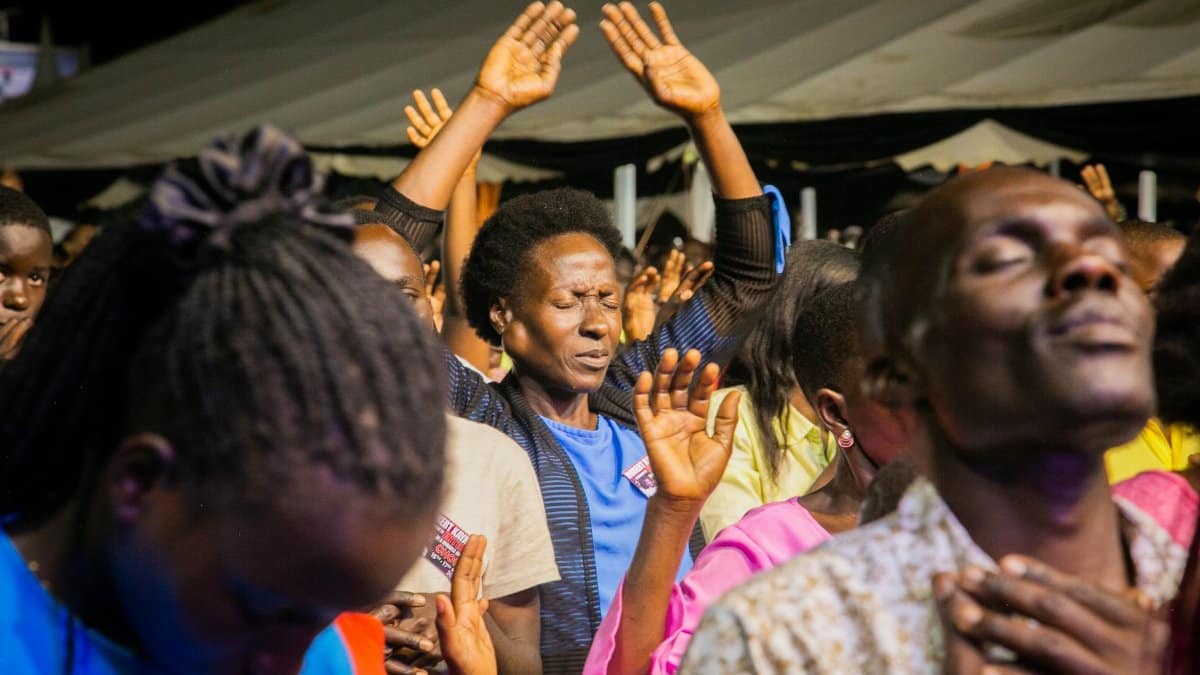
In a year filed by some editors under spiritual trends, the more useful observation is practical. Parishes, storefront churches, and mosque community rooms functioned as civic infrastructure. They hosted voter education that was not a sermon and not a rally. Pastors did not need to endorse a party to shape turnout. They needed to treat citizenship as a duty compatible with prayer, and many did.
That setting matters because it corrects a stereotype. Latino political life is not only protest and not only patronage. It is also Wednesday night Bible study where someone mentions a school board race, and a Saturday food distribution where a city council member is expected to stay and listen. Candidates who entered those rooms with a speech and left with a photo learned less than candidates who returned the following week without cameras.
Districts that flipped were built, not discovered
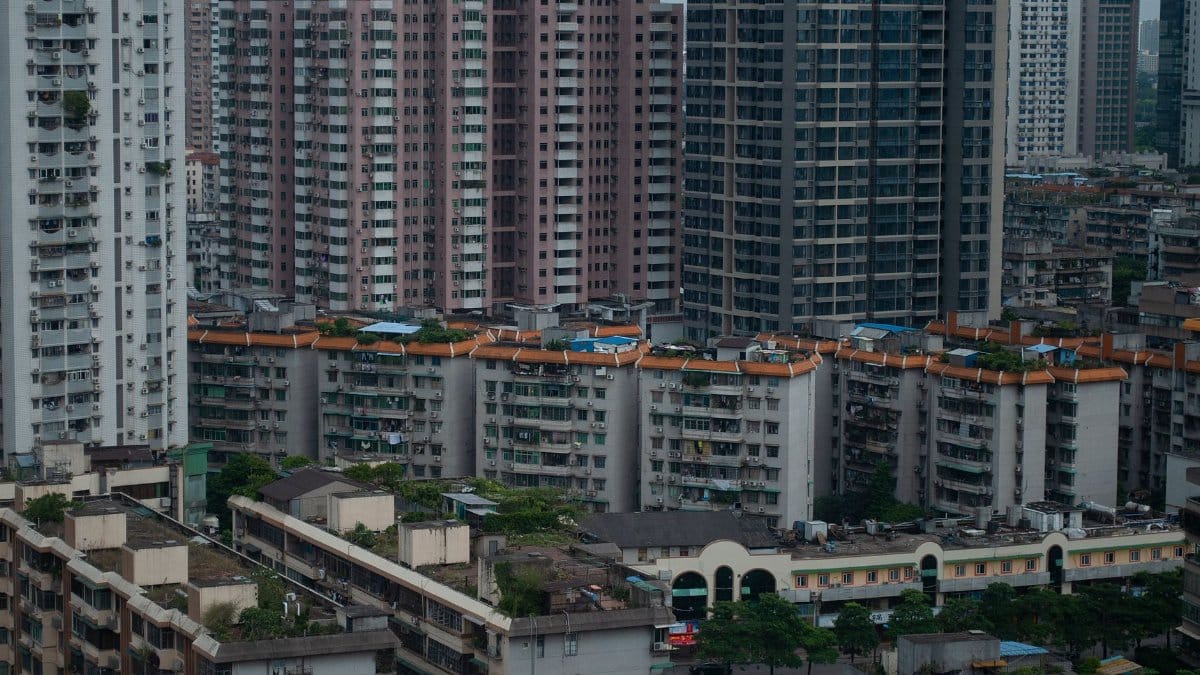
Several House seats changed hands in 2026 in districts where Latino residents are a large share of the electorate or a decisive slice of it. The wins were not magic. They followed years of registration drives tied to naturalization ceremonies, local candidate pipelines, and boredom with national consultants who parachute in with the same ads. Historic Latino officials won statewide and local offices in multiple states, including positions that once seemed reserved for candidates with older donor networks.
Those victories will be overread if they are treated as a permanent realignment. They will be underread if they are treated as a fluke of one unpopular president or one bad inflation print. The durable fact is organizational. Where Latino civic groups, labor locals, and parish networks already existed, a national mood could be converted into ballots. Where they did not, the same mood produced shrugs.
What Republican arguments still landed
A honest accounting cannot stop at Democratic gains. Republican arguments about public safety, parental authority in schools, and frustration with disorderly migration still persuaded large numbers of Latino men and a smaller but real share of Latina voters, especially outside the youngest cohort. In South Florida and in some Texas border counties, those arguments held or even strengthened. National averages hide that stubborn geography.
The difference in 2026 was not that those arguments vanished. It was that they were no longer sufficient in the suburbs and in growing interior cities where costs and health care outranked cable news provocations. Voters can hold a tough view of the border and still punish a party that offers no plan for the aunt who has lived here for fifteen years. Strategists who hear only the tough view will keep losing the second half of the conversation.
Democrats nearly repeated an old mistake
Democratic campaigns were not uniformly skilled. In several media markets they returned to a familiar error, speaking about Latinos as a moral constituency rather than as taxpayers, employers, and patients. When the message shifted to wages, housing supply, and clinic access, the Latino vote 2026 moved. When it stayed on symbolism, it stalled. Language access helped, but language without substance is just a better translated brochure.
There is also a class split inside the category that national Democrats still handle clumsily. College educated Latino professionals in Los Angeles and New York do not experience the same daily frictions as warehouse workers in the Inland Empire or meatpacking towns in the Midwest. A platform written only for the first group will sound distant to the second, even when the last names match.
Media maps that still start in the wrong state
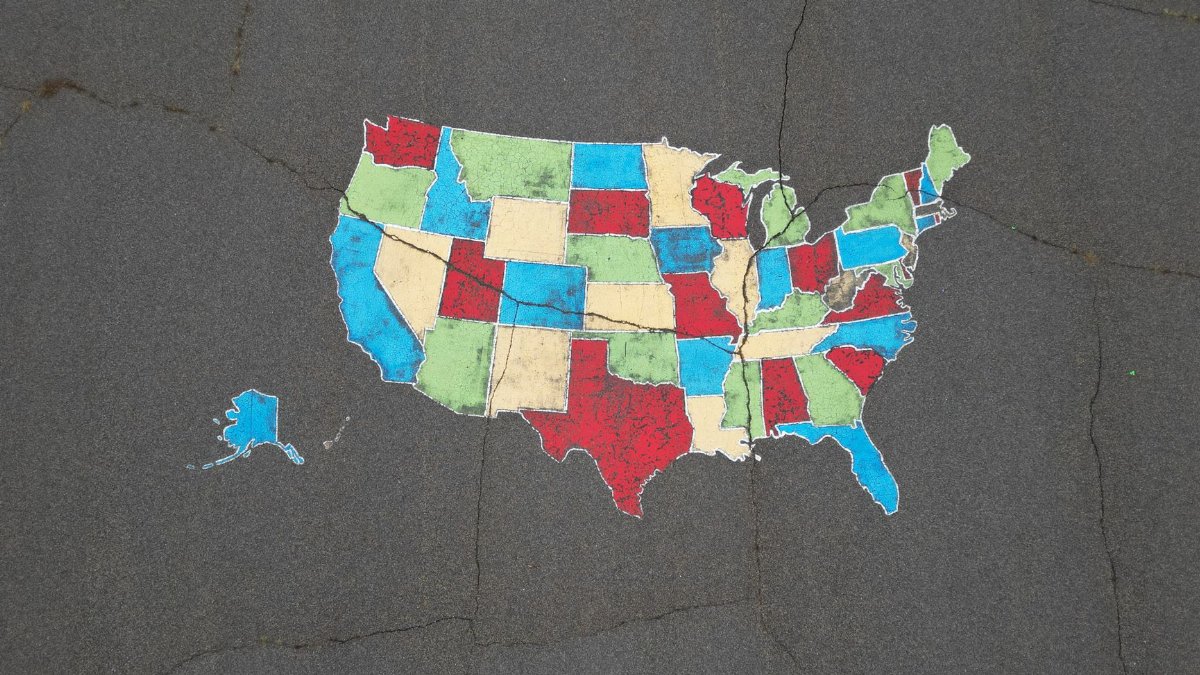
Newsrooms share blame for the Ohio habit. It is easier to send a correspondent to a diner outside Columbus than to build a year round presence in Laredo, Santa Ana, or Allentown. The result is a national story that discovers Latino voters every other November and then forgets the precinct captains who were there in March. Readers deserve better than surprise.
Data can help if it is used with humility. Precinct results, naturalization timelines, and Spanish language media audiences tell a richer story than a single exit poll crosstab. They also punish lazy headlines. A ten point move among Latino voters in one metro is not a ten point move among all Latino voters in America. Precision is a form of respect.
Looking toward the next presidential map

Presidential strategists will be tempted to treat 2026 as a template they can copy. They should treat it as a warning. The Latino vote 2026 rewarded candidates who were specific, local, and willing to disagree with their own party’s loudest voices. It punished candidates who arrived late with a translated slogan. Ohio will still be polled, and it should be. It should not be the lens.
If the country wants to understand how Americans vote, it should watch who is registering new citizens, who is organizing apartment complexes, and who is willing to sit through a long parish meeting without checking a phone. Those habits, more than any bellwether county, explain the ballots that were cast and the ones that will be cast next.