

On a humid election night, volunteers stacked folding chairs in a school cafeteria while returns crawled across a laptop screen. The race that drew the loudest cheer was not a contest between candidates. It was a charter question with a short name and a long argument behind it. Houston Prop A asked residents to tell their police department that low level marijuana possession should sit at the bottom of the priority list, and that officers should stop using no knock warrants. The applause was less about celebration than relief. People who had argued for years in church basements and union halls finally had a citywide answer.
What the ballot actually asked
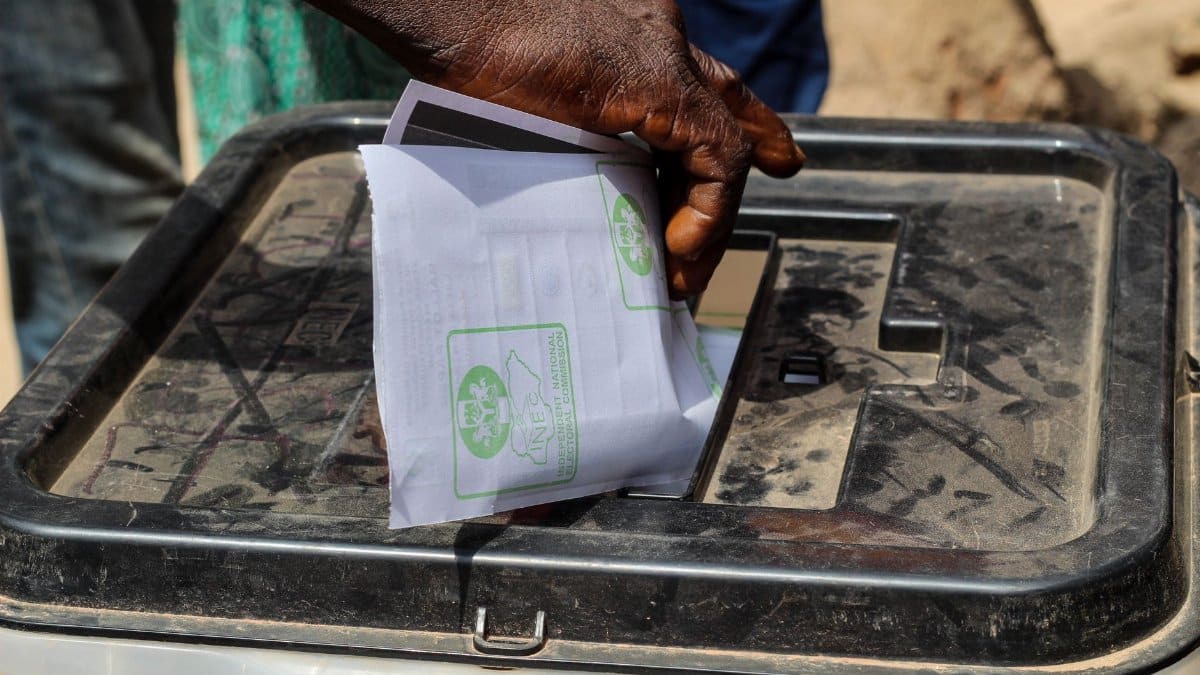
The measure was written as an amendment to the city charter, the basic rules that govern Houston. It did two distinct things. First, it directed the Houston Police Department to treat possession of a small amount of marijuana as the lowest enforcement priority. Second, it prohibited no knock warrants, the kind of judicial order that lets officers enter a home without first announcing who they are.
Those are policy instructions, not a rewrite of the Texas penal code. A yes vote did not create a local statute that erases state criminal law. It told a municipal police force how to rank its work and which tactics it may not use. That distinction matters, because much of the fight after election night turns on what a charter can command and what only the Legislature can change.
Local reporting, including the Houston Chronicle account of the referendum, described the result as overwhelming. The margin suggested that the question cut across the usual map of Houston politics. Homeowners worried about violent crime and renters worried about police encounters landed, for once, on the same side of a ballot.
Why marijuana reached a city ballot
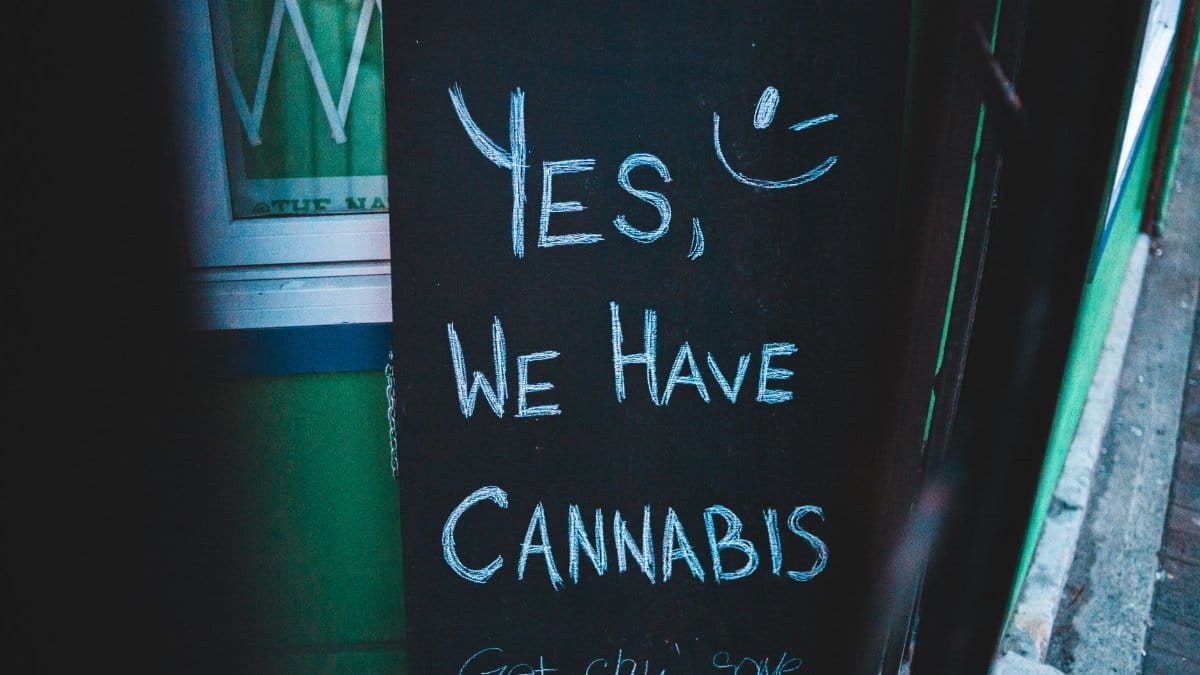
Texas still treats marijuana possession as a crime. In practice, enforcement has been uneven for years. Some officers write citations. Some make arrests. Some look the other way when the amount is small and no other offense is present. Harris County has experimented with diversion, sending certain defendants toward classes or community service instead of a conviction that follows them into job interviews.
Supporters of the charter change argued that the remaining arrests still consume time, jail beds, and court dates that could go to guns, robberies, and domestic violence. They also argued that the burden falls hardest on Black and Latino residents, and on young people whose records close doors long after the fine is paid. Opponents answered that a city should not wink at a state crime, and that any softening of drug enforcement sends the wrong signal in a region still struggling with fentanyl and open air dealing.
The ballot did not pretend to settle that national argument. It asked a narrower question. Given limited officers and a long list of calls, should a bag of marijuana in a pocket outrank a burglary in progress? A large majority said no.
The case against no knock entries
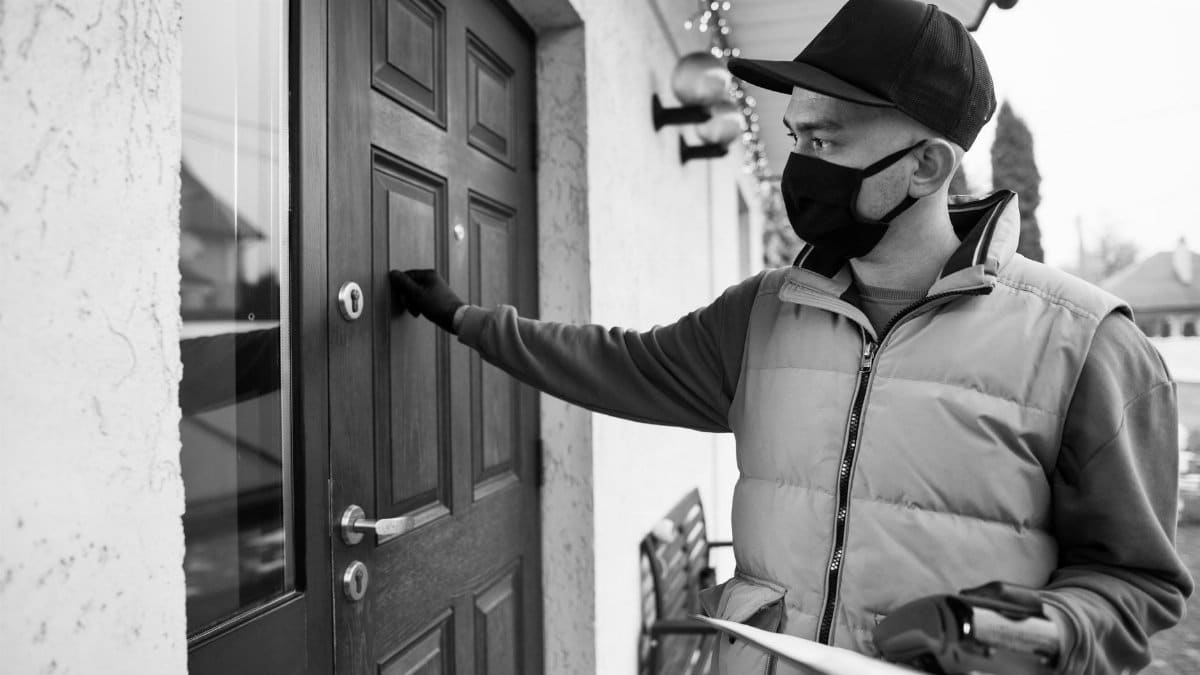
The warrant provision carried its own history. No knock orders exist so that officers can surprise people they believe will destroy evidence or arm themselves if given warning. Civil liberties lawyers and many retired commanders now say the tactic also produces the worst kind of confusion. A resident wakes to a crash, reaches for a phone or a legally owned gun, and a raid becomes a shooting. National cases, including the killing of Breonna Taylor in Louisville, made the phrase familiar far beyond courthouses.
Houston voters were not asked to judge those distant facts in a seminar. They were asked whether their own department should keep the option. The charter language removes it. Officers who need to enter a home would have to announce themselves, unless some future court finds that the city rule cannot stand against state or federal warrant practice. Announced entry is slower. It is also clearer. Clarity is the point.
Police unions have long warned that a blanket ban can endanger officers in the rare case where surprise is the only safe move. Reform advocates reply that those rare cases are exactly where the record of error is worst, and that evidence can be sought with surveillance, controlled buys, and warrants served in daylight. The electorate picked the second view.
Charter power and the limits of a city vote

A charter amendment is the strongest instruction Houston voters can give their own government. It outranks an ordinary ordinance. It binds future mayors and councils unless voters repeal it. It does not bind the Texas Legislature, the governor, or a district judge applying state criminal statutes.
That is the hinge of Houston Prop A. City Council and the police chief can rewrite general orders tomorrow to match the charter. A state trooper on a Houston freeway is not taking orders from the city charter. A prosecutor can still file a possession case if an arrest arrives on the desk. A judge can still issue a warrant under state rules of criminal procedure, and then the question becomes whether Houston officers may execute it in the old way.
Lawyers on both sides expect memos, and possibly lawsuits. Cities in other states have tried similar priority rules. Some survived as matters of discretion. Some were struck down when legislatures passed preemption statutes that forbid local drug policy. Texas has been aggressive about preemption in other fields, from local labor rules to pandemic orders. Marijuana could be next, or it could be left alone because legislators would rather not own a fight that Houston voters already settled.
How the department is likely to adjust

Inside a police department, priority is not a slogan. It is a set of choices about overtime, specialized units, and what a sergeant praises at roll call. If possession sits at the bottom, narcotics squads will be told to chase distributors rather than users. Patrol officers will be told that a traffic stop should not become a fishing expedition for a misdemeanor that the city has devalued. Training materials will need new language on how to serve a warrant when knocking and announcing is mandatory.
None of that happens by applause in a cafeteria. It happens in general orders, in the computer system that tracks warrants, and in the way internal affairs treats an officer who ignores the new rule. Residents who voted yes will be watching response times and clearance rates. If violent crime numbers worsen, critics will blame the charter. If they improve, supporters will claim credit they may not fully deserve. Crime trends rarely obey a single ballot line.
Prosecutors, courts, and the cases that still get filed

Police discretion and prosecutorial discretion are different doors. An officer can decline to arrest. A prosecutor can decline to charge. A grand jury can no bill. A judge can divert. Houston Prop A speaks most directly to the first of those actors. The others remain free, within their own ethics rules, to treat a marijuana file as they always have.
In recent years local prosecutors have already narrowed some drug cases, partly because laboratory backlogs made small possession files expensive to prove. The charter vote reinforces that drift. It does not require a prosecutor to dismiss a case that includes a weapon, a child in the car, or a sale rather than simple possession. Voters who read the ballot as legalization will be disappointed the first time a defendant still has to appear in court. Voters who feared a free for all will notice that sales, grow houses, and drugged driving were never on the ballot.
Neighborhoods that live with both fears

Walk certain blocks in Third Ward, Aldine, or the east end and the argument stops being abstract. Families want fewer young men booked for a substance that much of the country has already stopped jailing. The same families want fewer broken doors at 5 a.m., and they also want someone to answer when a porch pirate or a repeat burglar hits the block for the fourth time. The charter tries to say those wishes are compatible. Enforcement energy should move up the ladder of harm.
Whether that promise holds depends on staffing. Houston has struggled to fill police ranks. A priority list only works if there are enough officers to reach the crimes at the top. Deprioritizing one offense does not conjure detectives for another. City Hall will still have to recruit, pay, and retain people willing to do the harder work the ballot just elevated.
What does not change on Monday morning

Employers can still test for marijuana. Landlords can still ban it. Federal law still lists it as a controlled substance, which matters for public housing, immigration, and anyone with a security clearance. A parent can still lose a custody argument if a judge decides drug use shows poor judgment. Students can still face school discipline. The charter does not build a dispensary, set a tax, or create a regulated market. Texas has not authorized retail sales, and this vote does not sneak that system in through the back door.
Drivers remain fully exposed. Impairment behind the wheel was never the target of the reform. Officers who smell marijuana during a crash investigation are not being told to ignore a hazard on the road. The lowest priority language is aimed at simple possession, not at every fact pattern that happens to include the drug.
The politics that follow a lopsided vote
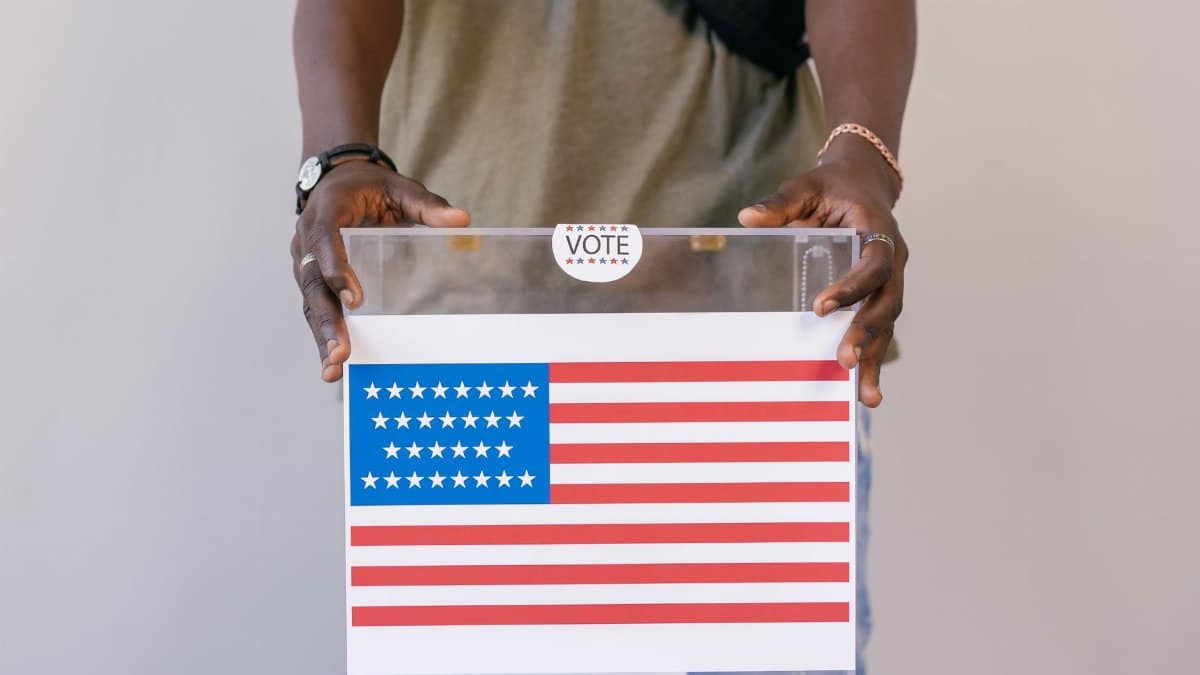
A wide margin changes the incentives at City Hall. Officials who campaigned against the measure now have to administer it. Officials who campaigned for it now own the results. State leaders who dislike the outcome can pass a bill that overrides city charters on drug enforcement or on warrant procedure. That bill would be a choice, not an automatic consequence. Houston is large enough that punishing its voters carries a cost in a statewide election.
Activists will treat the win as a template. Other Texas cities may copy the language. Opponents will treat it as a warning and lobby Austin for a uniform rule. The next chapter is less likely to be another quiet charter election and more likely to be a hearing in a committee room where Houston has one vote among many.
A narrower kind of public safety

The most useful way to read the result is as a ranking, not a revolution. Residents told their police force to spend scarce hours on the harms that frighten them most, and to retire a tactic that too often turns a search into a tragedy. They left state criminal law intact. They left prosecutors their judgment. They left the Legislature free to answer.
That is an adult bargain, and it will be tested in unglamorous places. In the wording of a general order. In the first warrant served after the charter takes effect. In the first possession arrest that still reaches a courtroom, and in the explanation a commander gives when neighbors ask why a dealer is in jail and a user is not. Houston Prop A will be remembered less for the night the numbers came in than for whether the city keeps the promise those numbers described.