
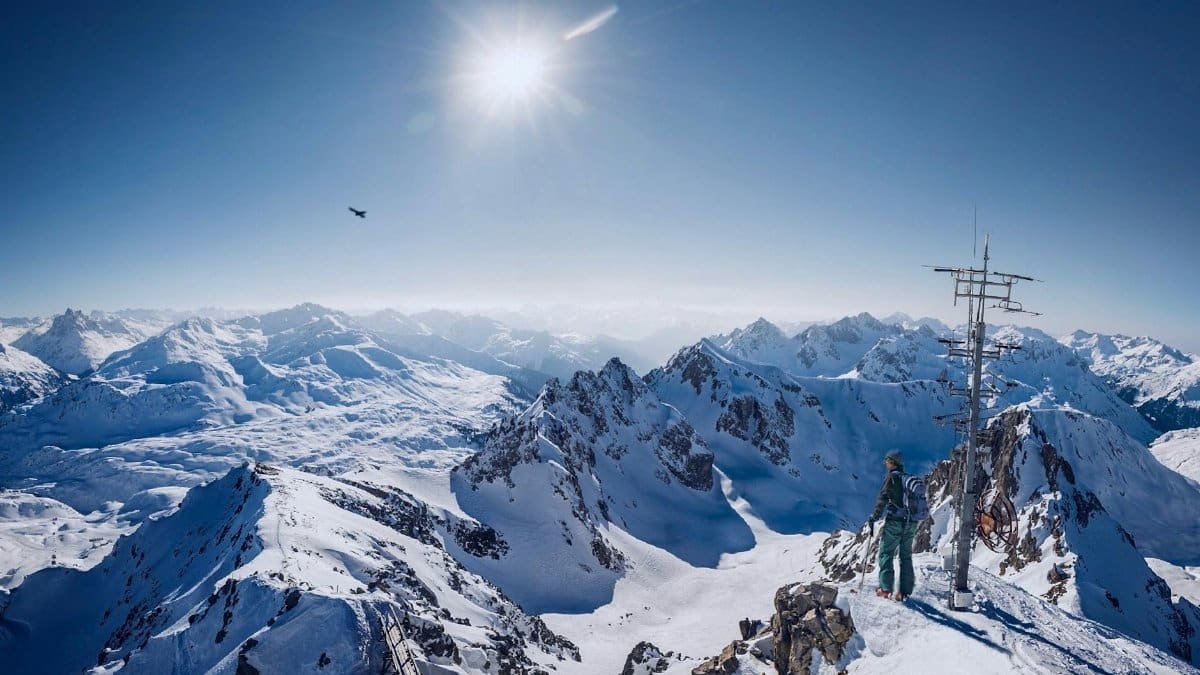
In the rugged peaks of Jackson Hole, a quiet revolution is underway. Wyoming ski patrol breath techniques are transforming how rescuers handle high-stakes missions. Patrol teams are now practicing a specific form of breathwork before heading into high-risk rescues, and the results are turning heads. With improved oxygen saturation and faster rescue times, this method is gaining traction. As Teton County Search and Rescue considers a valley-wide rollout, the impact of this simple yet powerful tool could redefine emergency response in Wyoming’s toughest terrain.
Breathwork Enters the Rescue Toolkit
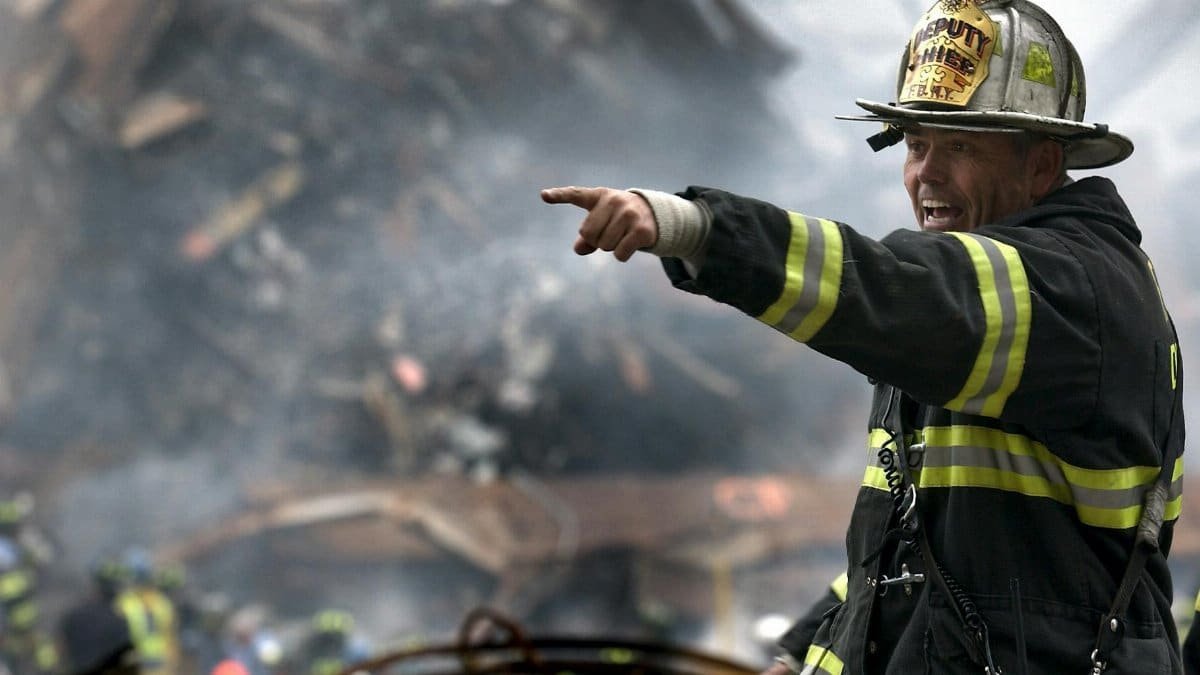
High-altitude rescues demand peak physical and mental performance. In Jackson, Wyoming, ski patrol teams have introduced a new strategy to meet these challenges head-on. On February 15, 2025, reports confirmed that patrol members are now using a structured breathing technique known as four-cycle box breathing before embarking on dangerous missions. This method, involving equal counts of inhalation, holding, exhalation, and another hold, is designed to calm nerves and sharpen focus in the critical moments before a rescue.
How Box Breathing Works Under Pressure

Four-cycle box breathing isn’t just a wellness trend—it’s a practical tool for managing stress in extreme conditions. For Wyoming ski patrol breath practitioners, the technique helps regulate heart rate and maintain clarity when every second counts. Rescuers inhale for a count of four, hold for four, exhale for four, and hold again for four, repeating the cycle to center themselves. This controlled breathing counters the effects of adrenaline and altitude, ensuring responders stay composed while navigating treacherous slopes or assessing injured skiers.
Measurable Gains in Performance

The data speaks for itself. Patrol teams in Jackson have recorded a 5% improvement in oxygen-saturation logs since adopting the breathwork protocol. This boost in oxygen efficiency is critical at high elevations, where thin air can impair physical and cognitive function. Even more striking, rescue-time metrics have shortened by 11%, meaning victims are reached and stabilized faster. These gains highlight how a simple mental technique can translate into life-saving outcomes on the mountain.
Why Altitude Stress Demands Innovation

Jackson Hole’s terrain is as unforgiving as it is beautiful, with elevations often exceeding 10,000 feet. Altitude stress can sap energy, cloud judgment, and slow reaction times—dangerous liabilities during a rescue. Traditional training focuses on physical endurance and technical skills, but mental resilience is just as vital. Wyoming ski patrol breath practices address this gap, equipping responders with a way to manage physiological stress before it compromises a mission. This innovation could set a new standard for high-altitude emergency work.
Teton County Eyes Broader Adoption

The success in Jackson hasn’t gone unnoticed. Teton County Search and Rescue (SAR) is now evaluating whether to implement the breathwork protocol across the entire valley. A valley-wide adoption would mean training additional teams and integrating the technique into standard operating procedures. If approved, this could enhance coordination and effectiveness for rescues beyond ski slopes, including backcountry missions. The potential to scale this practice signals a shift toward holistic preparation in emergency response.
Backing the Science of Breath

Breathwork’s benefits aren’t just anecdotal; research supports its impact on stress reduction and performance. Studies from institutions like Harvard Medical School have shown that controlled breathing can lower cortisol levels and improve focus under duress, as detailed in resources from Harvard Health Publishing. Similarly, the National Institutes of Health note that such techniques enhance oxygen utilization, critical for high-altitude environments, per findings accessible via NIH Studies on Breathing Techniques. These insights validate why Wyoming’s ski patrol teams are seeing tangible results.
Challenges of Implementation

Despite the promise, rolling out breathwork training isn’t without hurdles. Teaching a consistent method to diverse teams requires time and resources, especially for volunteers who juggle SAR duties with other commitments. There’s also the need to ensure the technique is used correctly under stress—improper application could negate benefits. Teton County SAR will need to address these logistics to make valley-wide adoption seamless, balancing the urgency of rescue work with the discipline of mental training.
A Model for Other Regions

Jackson Hole’s experiment with breathwork could inspire other high-altitude rescue operations across the U.S. From Colorado’s Rocky Mountains to Utah’s Wasatch Range, ski patrols and SAR teams face similar challenges with elevation and stress. If Wyoming ski patrol breath techniques prove sustainable, they might become a blueprint for enhancing responder safety and efficiency nationwide. As emergency services grapple with increasingly extreme conditions in 2025, such innovations could be a game-changer.