
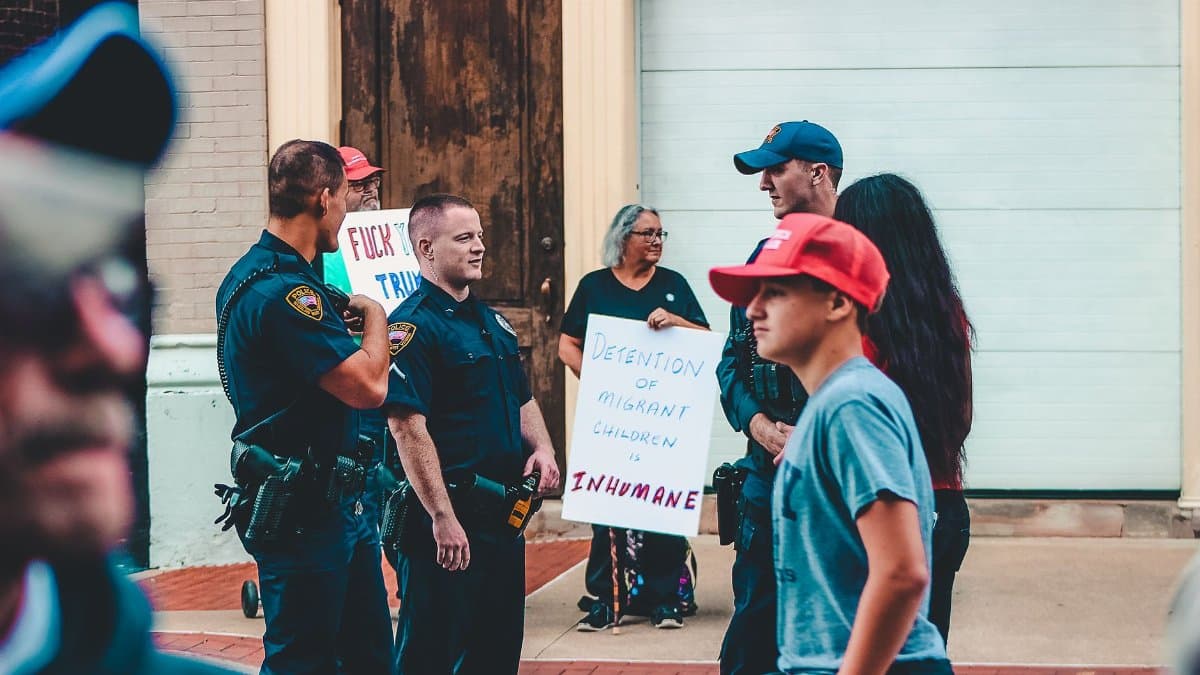
In parish halls, warehouse break rooms, and the quieter corners of suburban kitchens, a political argument that once seemed settled is being argued again. Voters who cheered a promise of order at the border are now watching people they know enter a deportation system that feels sudden, broad, and close to home. That tension sits at the center of Trump immigration midterms politics, where a White House determined to show force is learning that enforcement can win applause on television and still unsettle the communities that decide close races. November will not be settled by slogans alone. It will turn on whether families, employers, and local officials conclude that the crackdown restored control or simply moved fear onto their own streets.
A mandate read as permission
President Trump returned to office with a blunt claim. Voters had asked for tougher immigration enforcement, and he intended to deliver it without apology. In the account favored by his allies, border encounters eased, interior arrests climbed, and images of agents at work proved that Washington could still act. The political demand behind that account was real. Years of heavy crossings and strained local services had convinced many Americans that patience was being punished. The White House read the demand as wide permission. Workplace visits expanded. Detention beds multiplied. Police partnerships grew in jurisdictions willing to sign. Officials described a return to law. Critics answered that speed had replaced judgment, and that judgment was being postponed until the raids were already news.
When the policy arrives on a familiar block
National totals rarely settle a midterm by themselves. People vote what they can describe to a neighbor. A plant raid, a parent taken on the way to school, a longtime resident whose papers were never sorted: these scenes move faster than any briefing. They also scramble tidy coalitions. A voter can want a secure border and still recoil when enforcement looks indiscriminate. That is not hypocrisy so much as proximity. Distance makes toughness abstract. A familiar face makes it concrete. Campaigns that assume outrage will remain inside already hostile communities are betting that closeness does not travel. In local elections, closeness almost always travels.
The suburban recalculation
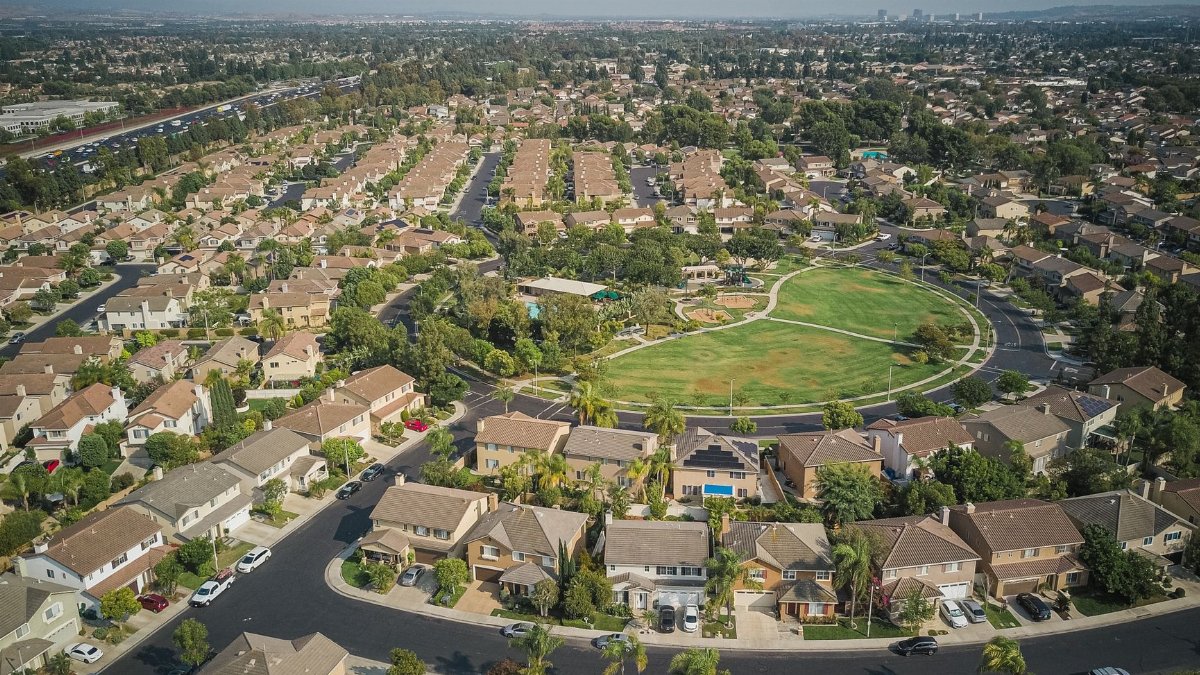
Republicans have tried for several cycles to hold college educated suburbs without dropping the themes that animate the party base. Immigration was supposed to help, because worry about the border is not confined to rural counties. The hazard is that method, not goal, becomes the story in those suburbs. Parents who chose a district for its schools do not need activist slogans to feel unsettled. They have group chats. When those chats fill with accounts of mistaken arrests, frightened children, or shops suddenly short of staff, the issue stops being a verdict on the previous administration. It becomes a verdict on this one. In a midterm, the party in power owns the pictures, including the pictures it did not plan to release.
Employers who wanted order and got vacancies

Business owners make an awkward chorus. Many spent years arguing that irregular migration distorted labor markets. Many also built schedules around workers whose status was delayed, contested, or trapped in a system Congress has refused to repair. A crackdown that removes people faster than visas or legislation can replace them creates a new grievance: empty shifts, late harvests, kitchens closed on a busy Friday. That grievance does not automatically become Democratic ballots. It does become pressure on Republican members from farm counties, construction corridors, and hospitality towns. They praise the president in public and explain payroll holes in private. The distance between those conversations is where a popular national theme turns costly on a local ballot.
Faith, conscience, and the stranger
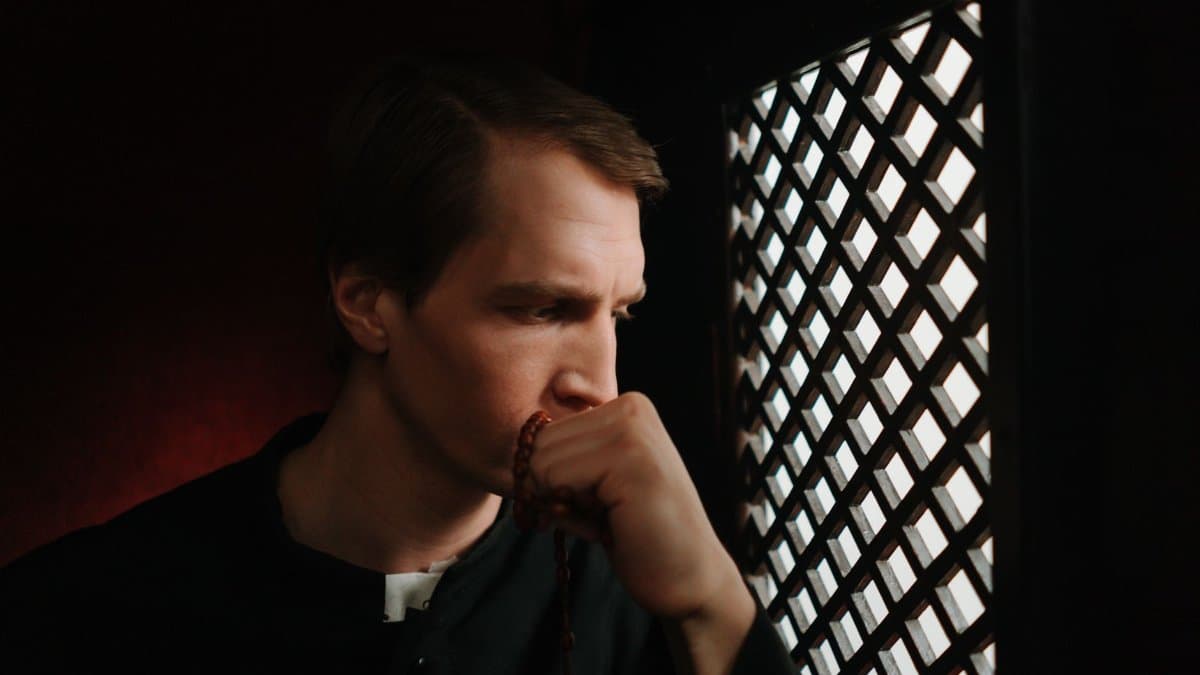
Houses of worship have not spoken as one, and pretending otherwise would be false. Some congregations hear the crackdown as defense of law and of people who waited. Others hear a slight to duties they rank above platform planks: proportion, mercy, and care for the stranger. Pastors describe parking lots where families ask whether Sunday itself is safe. Catholic and evangelical leaders disagree on nearly every remedy and still agree that the stakes are no longer theoretical. Moral unease does not need a party label to change who knocks on doors. In races decided by turnout as much as by conversion, a troubled conscience can be a political fact.
Democrats and the risk of overreading anger

Backlash is not a blank slate for Democrats. The party carries its own credibility wound, earned when border disorder filled newscasts and leaders sounded evasive about what they would actually stop. Voters angry about broad arrests may still want removals after serious crimes, faster asylum decisions, and a border that does not look optional. If campaigns treat every enforcement action as proof that concern about migration is illegitimate, they will invite a Republican recovery story. The sturdier claim is narrower and only works if it is sincere. Security and due process are not enemies. A government that cannot tell them apart will lose people who asked for both.
Members with the least room to lose

House and Senate maps ignore national vibe. They register a few dozen districts and a few states where ticket splitting survives. Incumbents there already speak two languages. One salutes lower crossings and paints critics as friends of chaos. The other asks the administration for slower timetables, clearer priorities, and less emphasis on long settled families. Primary voters punish distance from Trump. General election voters punish a district that looks cruel or careless. That squeeze is the working meaning of Trump immigration midterms strategy. The policy that locks in a base can isolate the members with the least margin to spare.
Pictures, money, and the stories that stick

Campaigns now argue about which images deserve memory. The White House will offer agents, barriers, and figures that suggest control. Opponents will offer names, delayed hearings, and video from sidewalks. Local news still matters in these contests, and local news prefers the incident down the road to a capital trend line. Outside groups will spend to freeze a definition early. Conservative committees will warn that any softening invites disorder. Advocacy organizations will say families are being used as props. Business donors may fund quieter notes about labor and legal pathways. None of that spending invents opinion. It decides which concrete story arrives in the final weeks, when cross pressured voters pick a side.
A verdict November cannot prewrite
A midterm judges the president’s party. It does not rewrite immigration statutes by itself. A rebuke would leave courts and executive power largely intact unless Congress chooses to legislate instead of pose. A Republican hold would not erase doubt. It would show that prices, safety, or candidate quality outweighed that doubt in enough places. This is why Trump immigration midterms names a risk, not a prophecy. History includes crackdowns that hardened coalitions and crackdowns that split them. The difference is whether people recognize themselves in the policy. If voters still see a correction of a broken border, Republicans can carry the issue with confidence. If enough come to see punishment without sorting, the advantage flips at the margins, in the precincts where Trump immigration midterms contests are actually won. The administration has made the pictures. The country still decides what they mean.