

On a gray afternoon in South Philadelphia, the kind that turns the lots around the stadium into a still photograph, front offices across the league are doing the same quiet arithmetic. Rosters are no longer theories. They are bodies, salaries, and a shrinking number of days before the cutoff. Into that calculation comes advice that has begun to move from one personnel office to another: watch Indianapolis. The Eagles Colts trade deadline conversation is not a slogan cooked up for a radio hit. It is a reminder that a club with a familiar coaching tree and a restless roster can change the market in a single afternoon, even if no blockbuster ever leaves the building.
Why Indianapolis belongs on the board

Philadelphia does not need Indianapolis to collapse for the Colts to matter. A contender studies every club that might prefer future picks to present problems, and a team coached by a man who once built the Eagles offense is never just another name on a list. Shane Steichen knows how Nick Sirianni likes to stress a defense. He knows which skill players fit a timing passing game and which ones become ornaments. That familiarity cuts both ways. It can make a player more attractive, because the scheme translation is shorter. It can also make a player less necessary, because Philadelphia already understands the ideas and may not need to import the personnel who carry them.
The practical point is narrower. If Indianapolis decides that the season has slipped, the phone calls will not start with headlines. They will start with position groups the Colts can spare without embarrassing the locker room. A buyer that waits for a public announcement is already late. The Eagles, who have spent years treating the deadline as a tool rather than a festival, are being told to keep that line open.
A coaching tree that still shapes the read

Coaching trees are easy to romanticize and hard to ignore. Steichen called plays in Philadelphia before he took the Colts job. Sirianni remained the man responsible for the whole operation, the culture, the Sunday decisions, the public face. People who shared a building do not share a brain, but they share a vocabulary. When one of them shops a receiver, a tight end, or a backup quarterback, the other can picture the fit without a three hour film session and a stack of agency spin.
That does not mean sentiment should set the price. Old colleagues do not owe each other discounts. If anything, familiarity can inflate a number, because each side believes it sees value the rest of the league will miss. A sober front office treats the shared history as information, not as loyalty. The question is whether a Colt can do a job the Eagles cannot already cover with the players they have, at a cost that still leaves room to build past this winter.
What a seller actually puts on the table

Fire sale is a phrase that flatters chaos. Real sales are tidier. Teams rarely dump a franchise quarterback in late October unless the relationship is already broken. They move veterans whose contracts crest next spring, complementary backs, depth linemen, special teams pieces, and occasionally a pass rusher whose snap count no longer matches his paycheck. The useful scout report is not a dream board. It is a list of players who would help on third and long, in the red zone, or on a short week when the starter is sore.
I have sat through enough deadline weeks to know the loudest rumor is rarely the trade that matters. The deal that changes a January game is often a rotational end, a sure tackler, or a guard who can survive a bull rush. Indianapolis, if it sells, will have some of those men. Whether Philadelphia should want them depends on medical reports, scheme fit, and the draft capital already promised to other calls.
The quarterback question without the theater
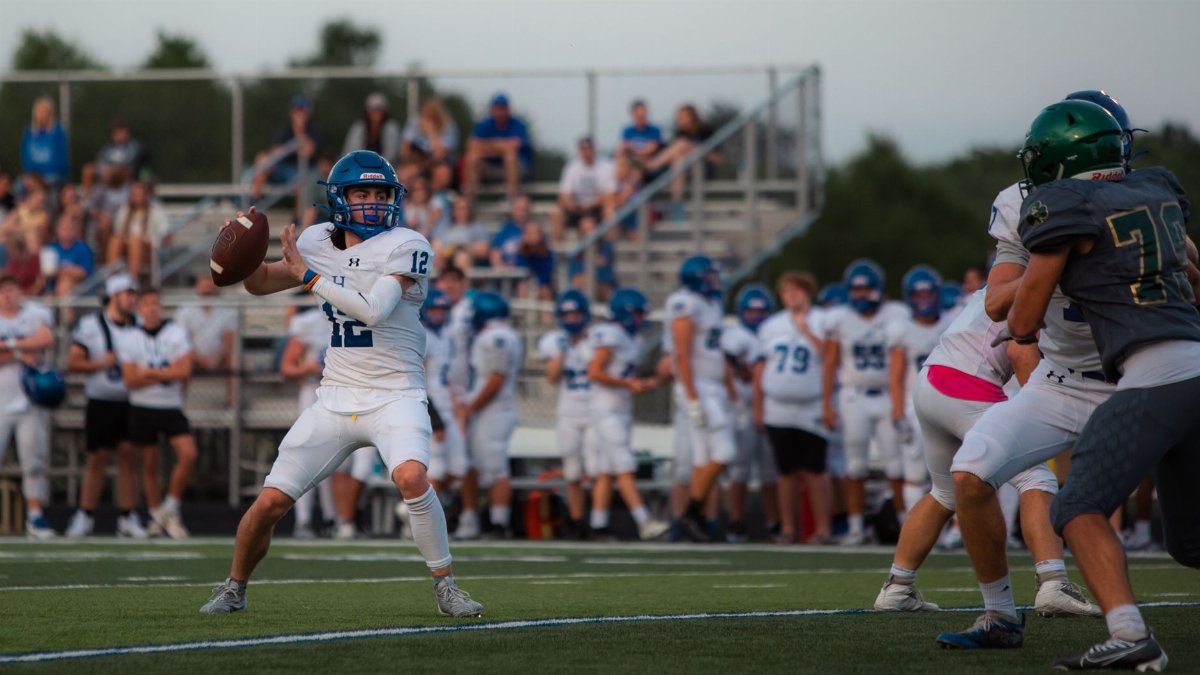
Every deadline produces a quarterback rumor because quarterbacks move attention. Philadelphia has lived with the burden and the luxury of a franchise passer. Indianapolis has lived with the hope that its own answer is either already in the building or about to arrive. That contrast should cool, not heat, the speculation. A contender does not rent a second starter for vanity. It looks for a competent backup who can run the offense for a month if the season turns ugly, and it looks only if the current reserve cannot.
Steichen’s background makes any Colt quarterback interesting on film and dangerous in conversation. Interesting is not the same as available, and available is not the same as wise. The Eagles would be foolish to let a familiar play caller talk them into a price that belongs to a different roster. The smarter use of that relationship is clarity: what does this player actually do on schedule, against pressure, and late in games when the script is gone.
Cap math and the cost of impatience

Deadlines punish impatience because the seller knows the clock. A team that calls three clubs and finds one desperate buyer can ask for a pick that would have been laughed at in August. Philadelphia has generally tried to be the club that creates the market rather than the club that chases it. That habit is worth keeping when the Eagles Colts trade deadline talk grows loud. Noise is not leverage. Leverage is the willingness to hang up.
Salary math deserves the same coldness. A player who helps for eight games and then becomes a cap problem in March is not a bargain because the press conference feels urgent. Philadelphia’s window is real, and windows justify spending. They do not justify pretending that every rental is a missing piece. The Colts, like any potential seller, will attach future money to present hope. The buyer’s job is to separate the two before the league office closes the books.
Defense, the line, and the temptations in between

If there is a place where a late addition still swings a season, it is usually up front. A fresh pass rusher changes third down. A reliable interior lineman changes the entire plan, because the quarterback stays upright and the run game does not become a rumor. Skill players photograph better. They also duplicate what a good offense already tries to do. Philadelphia should rank needs before it ranks names, and it should rank the line of scrimmage above the highlight reel.
Indianapolis can tempt a buyer in every group. That is the hazard. A front office that monitors a possible sale can start collecting possibilities until the possibilities become the strategy. The discipline is to name two positions, maybe three, and ignore the rest even if a familiar coach is selling them. Sirianni’s staff can coach a lot of players. It cannot invent snaps, or cap space, or a practice week long enough to install a new personality.
How Philadelphia should listen

Listening well is a skill the deadline pretends is simple. It is not. The first call establishes price. The second call tests whether the first price was theater. The third call, if it happens, is where someone blinks. Philadelphia should want its people on that sequence with Indianapolis early enough to learn, and late enough to avoid becoming the market. Other buyers will be circling the same veterans. Some of them will be more desperate. Desperation is useful when it belongs to someone else.
There is also a coaching implication that sits beside the personnel talk and should not be inflated into a referendum. Steichen and Sirianni will be judged on wins, not on whether they swap a reserve. Still, the way each man handles a public shopping period says something about stability. A head coach who loses trusted veterans without a plan invites a long winter. A head coach who refuses every call can look stubborn if the season is already tilted. Neither lesson requires Philadelphia to make a trade. Both belong in the file.
What the Eagles should refuse

Refusal is the uncelebrated half of roster building. The Eagles should refuse players whose medical files read like a second contract. They should refuse deals that mortgage a first day pick for a complementary piece. They should refuse the idea that a shared past with the Colts coaching staff is itself a reason to act. And they should refuse the calendar’s pressure to do something merely so the deadline does not pass in silence.
Silence can be a result. If Indianapolis holds its roster, the advice to watch still had value, because watching clarified the market. If Indianapolis sells to someone else, Philadelphia can judge whether the price was sane. The only poor outcome is a trade made to satisfy the existence of the Eagles Colts trade deadline as a talking point. Fans remember the player. They rarely remember the Tuesday he arrived.
The wider market around one club

Indianapolis is not the only possible seller, and treating it as the whole board would be a mistake. Other clubs with fading records will dangle edge rushers, safeties, and rental receivers. The reason to start with the Colts is informational, not emotional. Their coach can explain a player’s usage in a language Philadelphia already speaks. Their roster, if it loosens, may overlap with needs that show up on film every Sunday. That is enough to justify attention. It is not enough to justify exclusivity.
A mature deadline plan ranks counterparties. One call is about a specific end. Another is about tackle depth. A third is a check on whether a receiver price has fallen because two buyers walked away. The Colts sit inside that web. They do not replace it. Readers who want a single dramatic name will be disappointed by that description. Front offices that win in January usually are not disappointed by it. They are relieved.
After the lines go quiet

When the deadline passes, the story hardens into whatever trades were made and a long list of trades that were only talk. Philadelphia will still have Sirianni, a roster shaped by earlier choices, and whatever small or large adjustment arrived in the final hours. Indianapolis will still have Steichen and the consequences of selling or standing pat. The relationship between those two staffs will look, from the outside, like a subplot. Inside the building it is a working fact: two men who once shared a week of game planning may have spent this week negotiating across a table.
The counsel being offered now is modest, which is why it is worth hearing. Do not invent a crisis in Indianapolis in order to shop there. Do not ignore the club because the connection feels too neat for serious people. Keep the evaluation specific, the price disciplined, and the aim tied to January rather than to the noise of the week. In that frame, the Eagles Colts trade deadline is less a headline than a test of attention. The teams that pass it are the ones that know what they need before anyone else picks up the phone.