
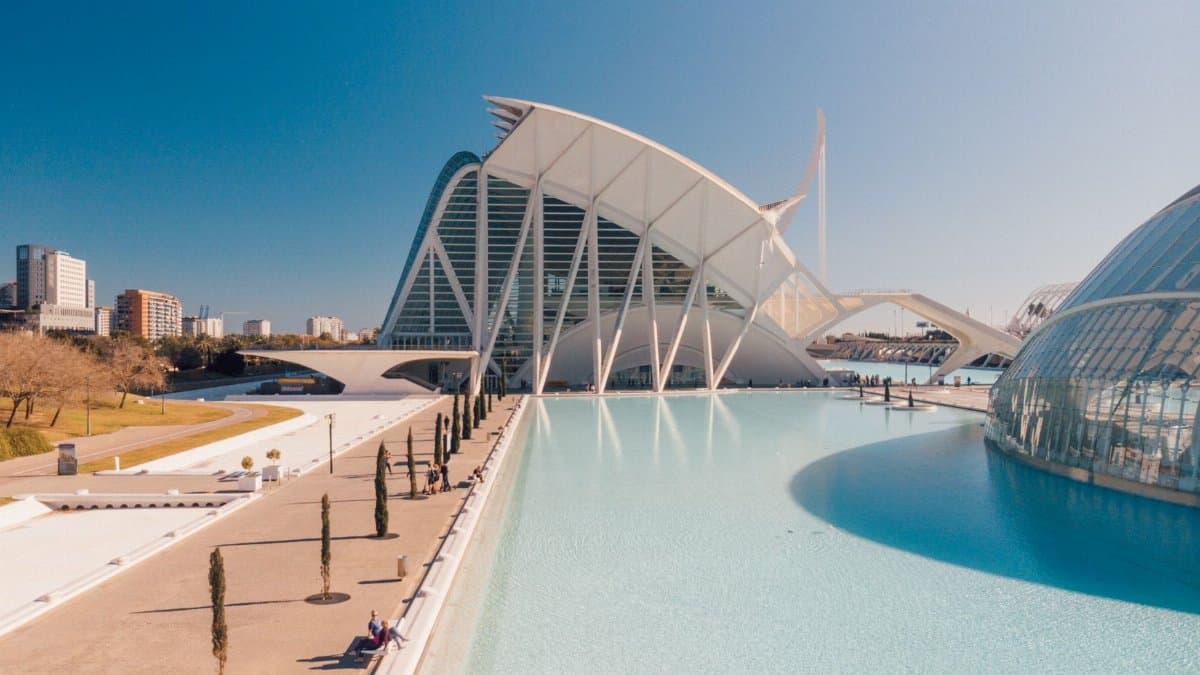
On a gray afternoon in Center City, the marble steps of a museum that has taught Philadelphia to look closely at the living world felt unusually quiet. Inside a City Council hearing room a few blocks away, members pressed university officials and preservation advocates on what happens if the doors stay shut. The future of Academy Natural Sciences, a civic classroom as much as a research hall, has become a question of stewardship, money, and public trust.
What council put on the table
The hearing did not arrive as a surprise to neighbors who have watched scaffolding, darkened galleries, and a longer pause in public hours. Council members framed six concerns, and they returned to them with the patience of people who expect answers in plain language. Historic fabric. Scientific collections. School access. Financial clarity. University control. And the risk that a landmark becomes a private asset with a public name still cut into the stone. None of those worries is new in American cities. What felt new was the insistence that they be answered together, in one record, rather than in separate courtesy meetings that never quite meet.
Staff summaries described a closure that has already changed how families plan a Saturday and how teachers plan a unit on local ecology. Members did not treat that change as a temporary inconvenience. They treated it as a civic fact that now requires a public explanation. The tone stayed measured. The questions did not.
Stone, water, and a repair bill nobody wants to own
The first concern is the building itself. Council heard descriptions of aging systems, roof work put off across years, and galleries that cannot host visitors until basic safety is settled. Preservation advocates argued that a historic museum is not a warehouse with columns. Once moisture enters plaster and specimen cases, the damage is not only cosmetic. It is a slow loss of the scientific memory a city thinks it still owns.
Officials connected to Drexel University described a plan to stabilize the structure. They did not, in the account that reached the hearing, put a final dollar figure on every wing. That gap mattered. A stabilization plan without a sequence of contracts can sound like a promise to begin later. Members asked which repairs are urgent, which can wait a season, and which delays would make the next bid more expensive. Water does not negotiate. Neither does a facade that has already shed pieces onto a sidewalk.
Collections that cannot sit in a hallway
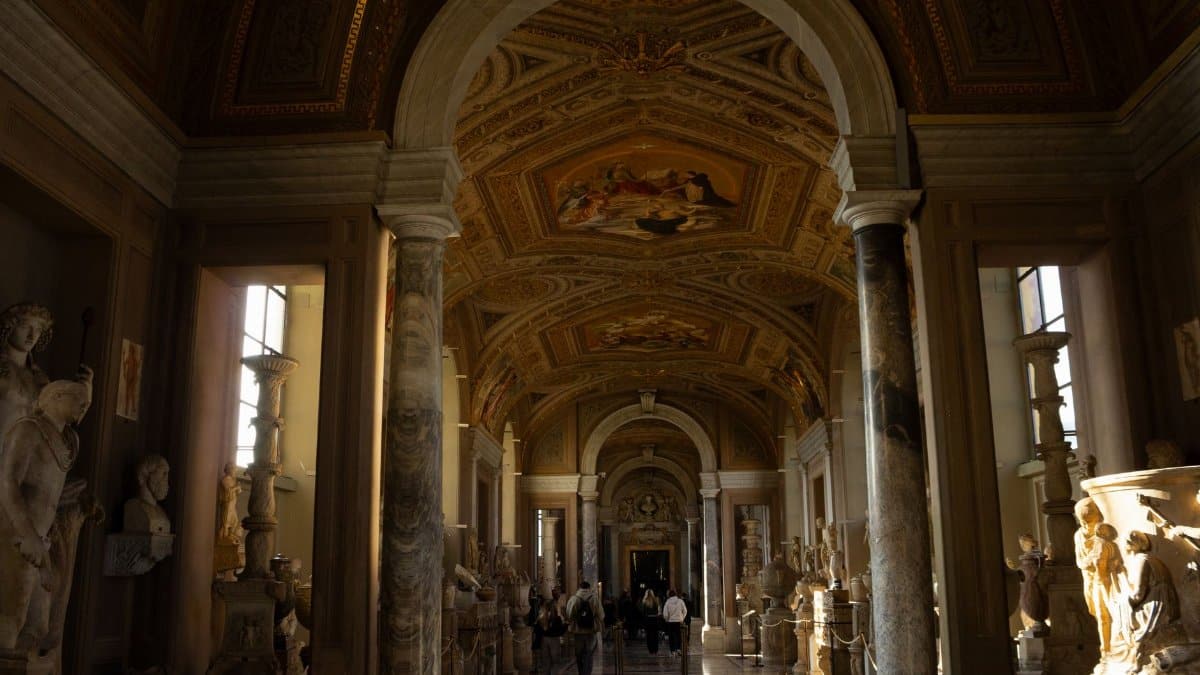
The second concern is what lives inside. Academy Natural Sciences holds birds, minerals, plants, and archives that researchers still consult. A closure is not the same as a loss, members said, but a closure without a published care plan feels like one. Temperature, pests, and light are not glamorous topics. They decide whether a specimen gathered generations ago remains useful to a student next spring.
Council asked for a public account of what stays in Philadelphia and what, if anything, might move. Advocates warned against treating drawers of study skins as surplus storage. Those drawers are the reason the institution has a scientific reputation beyond its popular halls. A university can argue, fairly, that not every visitor needs to see every cabinet. The public can answer, also fairly, that it needs to know the cabinets are still here, still labeled, and still opened for serious work.
Money and the habit of opaque budgets

The third concern is cash. Repairing a landmark while running a university is a familiar bind. Members wanted a ledger: which funds are restricted, which gifts are pending, and whether tuition dollars or city support might be asked to carry a museum the public can no longer enter. Nobody in the room pretended that affection for natural history pays for a new roof. The argument was about sequence. Show the numbers, then ask for patience.
Philanthropy came up, as it always does when stone meets a deficit. Donors, several speakers noted, rarely write large checks into a fog. They want a scope, a steward, and a date when the public can walk back through the door. Council did not demand that Drexel publish every internal worksheet. It did ask for a summary a resident can read without a finance degree. Transparency, in this hearing, meant a document, not a mood.
Children who used to meet a dinosaur on a Tuesday

The fourth concern sounded smaller and landed harder. Teachers described classes that once walked from nearby schools into Academy Natural Sciences and left with a vocabulary they did not have at breakfast. A closed museum is an absence in a school week, not only a line in a preservation report. Council members asked how long field programs will remain suspended and whether classroom kits can stand in without pretending they replace the halls.
There is no honest substitute for standing in front of a skeleton that is larger than the room you came from. Teachers know that. So do children, who remember scale more reliably than they remember a worksheet. Members pressed for a calendar that schools can trust: which grades might return first, which programs can travel, and which promises should not be made until the building is safe. A vague invitation to come back someday is not a curriculum.
What Drexel has sketched and what it has not
The fifth concern is governance. Drexel has been the institutional partner, and council treated that partnership as both a resource and a risk. A university can bring engineers, conservators, and a development office. It can also fold a museum into a campus strategy that serves enrolled students first. Members pressed for a written timeline: when doors reopen, which galleries return, and who decides if a hall becomes office space.
The phrase that lingered was public access. A plan that saves the stone and shutters the science would satisfy almost no one who spoke. University representatives described academic use as a strength, not a retreat. Council did not dispute the value of research. It asked whether research and a civic museum can share one address without one quietly displacing the other. That is a management question, and it is also a values question. The hearing refused to pretend they are separate.
Landmark rules and a facade under strain
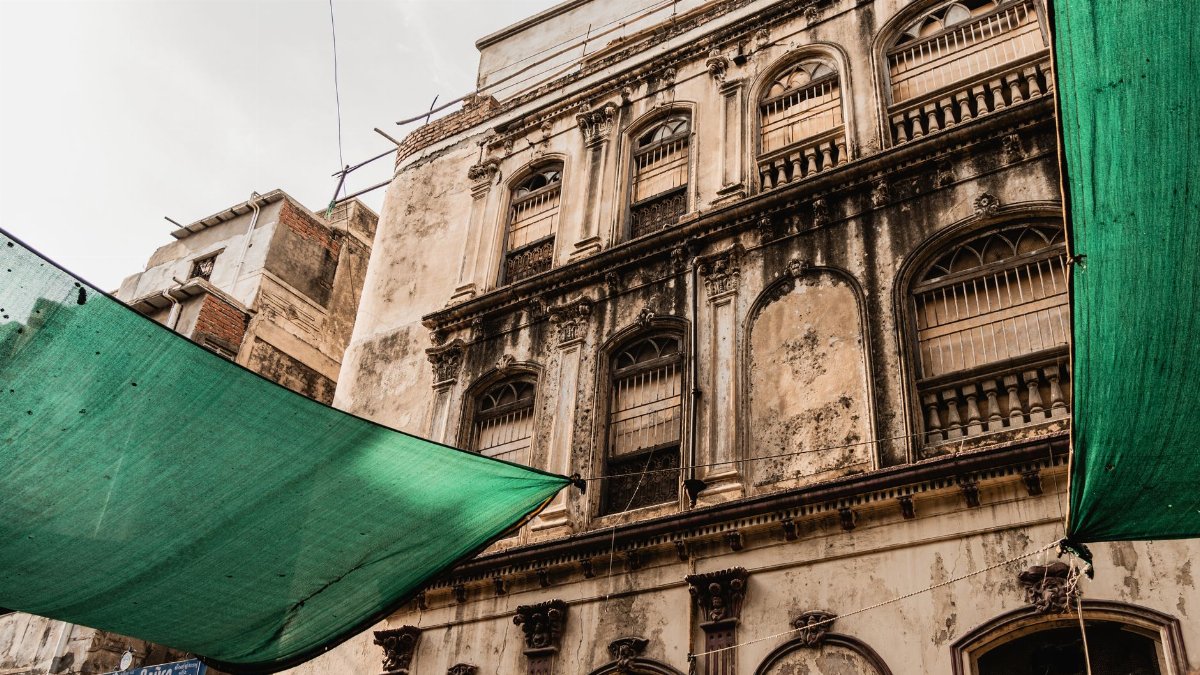
The sixth concern is legal as much as sentimental. Historic designation can slow a bad alteration and also slow a necessary repair if permits stack up. Council wanted clarity on which exterior changes are already filed, which interior changes might trigger review, and whether emergency work can proceed without a year of paper. Advocates warned that designation is a shield, not a budget. The city can insist on care. It cannot, by resolution alone, fund it.
Lawyers in the room spoke carefully about jurisdiction. A council hearing can spotlight a risk. It cannot rewrite a deed or command a private owner to adopt a particular architect. What it can do is make delay visible. Several members suggested that visibility is the point. When a landmark sits dark, rumors fill the gap: sale, demolition by neglect, a quiet conversion. A public docket of permits and denials is a modest tool. In this case it may be the one the city actually holds.
A civic practice of attention
There is a quieter thread in this fight, and it is worth naming without turning a hearing into a sermon. Natural history museums train a habit of attention. They ask people to look at a shell, a bone, a river stone, and accept that the world is older and stranger than a single lifetime. In a season when public institutions must justify every square foot, that habit can look optional. It is not.
Wonder is not a luxury item. It is one of the ways a city remembers that it belongs to a landscape, not only to a real estate map. Philadelphia has rivers, parks, and a long argument about who gets to enjoy them. A museum of nature sits inside that argument. Close it for safety, and you may be acting responsibly. Leave it closed without a story the public can trust, and you teach a harsher lesson: that attention to the living world is expendable when the budget tightens.
Neighbors, donors, and the people missing from the dais
Several speakers noted who was not in the room. Weekend visitors. Retired docents. Researchers who use the collections and do not live in Philadelphia. A hearing can amplify six concerns and still miss the daily texture of a museum: the child who returns to the same diorama, the scientist who needs a drawer opened on a Thursday. Council urged Drexel and preservation groups to hold community sessions outside the formal calendar, in libraries and school auditoriums, with materials a person without technical training can read.
Those sessions will not settle a roof contract. They can catch errors that experts miss, including the simple fact that a bus route, a school bell, and a gallery hour have to match or the public plan fails in practice. Neighbors also carry memory. They remember which entrance was accessible, which exhibit frightened a younger sibling, which afternoon program kept a teenager in science class. That memory is not nostalgia alone. It is data about use.
What a credible answer would include

A credible reply, members suggested, would be short enough to read on a train and specific enough to audit. A building assessment with dates. A collections protocol. A budget that separates hope from committed funds. A school access plan for the months of closure. A governance note that says who can veto a sale or a relocation of major holdings. And a public calendar for the next hearing, so this does not dissolve into a press release.
Specificity is a form of respect. Residents can accept a hard truth, including a longer closure, if the truth is dated and signed. They struggle with a soft truth that shifts each time a reporter calls. Council seemed prepared to live with bad news. It seemed less prepared to live with fog. That distinction may be the most useful outcome of the afternoon, even if no vote followed the testimony.
The cost of waiting
Delay has its own price. Every season of closure trains the public to forget a door. University planners know this. So do preservationists, who have watched other landmark interiors survive on paper and fail in plaster. Philadelphia has a long record of arguing late and repairing at a premium. The hearing was an attempt to argue earlier, while options remain wider than demolition by neglect, a phrase several speakers used without raising their voices.
Waiting also has a scientific cost that is easy to underestimate. Labels fade. Loans expire. Students choose other labs. A collection is a living network of people as much as a set of objects. Interrupt that network for too long and you do not simply pause it. You thin it. Rebuilding expertise is slower than patching a roof, and it rarely appears as a line item until it is already gone.
A name the city still says aloud
By the end of the session, nobody claimed the museum was beyond rescue. Nobody claimed the rescue would be cheap. The disagreement was about sequence and custody. Keep Academy Natural Sciences in the civic vocabulary, council seemed to say, or accept that a university asset and a public classroom are no longer the same thing. That is not a small distinction. It is the distinction on which the next year of decisions will turn.
Philadelphia has lost institutions before and called the loss inevitable after the fact. It has also saved rooms that once looked finished. The difference, more often than not, was a public record that made delay embarrassing and a plan concrete enough to fund. Six concerns will not restore a gallery by themselves. They can keep the argument honest until someone with keys, money, and a calendar is willing to match them.