
The parking lots around Lincoln Financial Field fill early when college bands are in town. Horns test the morning air. Families set up folding chairs between SUVs. By noon the concrete ramps carry a crowd that did not come for the Eagles. They came for a Saturday that treats an NFL building like a campus. HBCU football Linc is the shorthand people use for that return, a compact way of saying historically Black college teams are back on the South Philadelphia turf this weekend.
A building with a longer memory
Lincoln Financial Field is an Eagles address first. Season ticket holders know the sight lines, the wind off the river, the way a December crowd can turn a routine third down into theater. College football borrows that address without borrowing the same story. When historically Black programs take the field here, the building is asked to hold a different lineage: coaches who built winning teams with smaller budgets, players who were overlooked by larger conferences, alumni who measure a program by what it did for a campus as much as by what it did on Saturday.
Philadelphia has hosted this kind of weekend before. The point of a return is not novelty. It is continuity. A city that already treats professional football as civic identity is being asked, again, to make room for college teams whose histories run through segregated leagues, church basements, and marching bands that can outdraw the game itself. The turf does not change. The meaning of the crowd does.
Why the city keeps the date
Philadelphia is not an accident as a host. It sits between large alumni communities, a deep Black middle class, and a professional franchise with former players who still move the local conversation. Fans drive in from Delaware, New Jersey, Maryland, and Virginia. Hotels along the stadium complex fill with people who may never buy an Eagles ticket and still know exactly which gate to use.
City officials and campus leaders talk about exposure. That word is accurate and incomplete. Exposure matters when a recruit in a living room sees his school on a field he recognizes from Sunday highlights. It also matters when a band parent films a halftime show and sends it to cousins who have never set foot on campus. The date on the calendar is a sports event. The week around it is a reunion with a public address system.
Two former Eagles and a different sideline

DeSean Jackson and Michael Vick are the names that pull casual Philadelphia fans into a college conversation they might otherwise skip. Both made their national reputations in this region. Both later took coaching roles at historically Black universities, Jackson at Delaware State and Vick at Norfolk State. Their presence does not make the weekend about nostalgia alone. It gives local viewers a bridge from the players they already know to programs they may not follow week to week.
That bridge can be clumsy. A famous name can overshadow a roster of undergraduates who will not sign professional contracts. It can also open a door. When Jackson or Vick talks about developing players who were told they were too small, too slow, or from the wrong conference, Philadelphia listeners hear a familiar argument in a new uniform. The sideline work is slower than a deep ball. It is also the part of the story that lasts after the celebrity photo is posted.
What the players carry onto that field
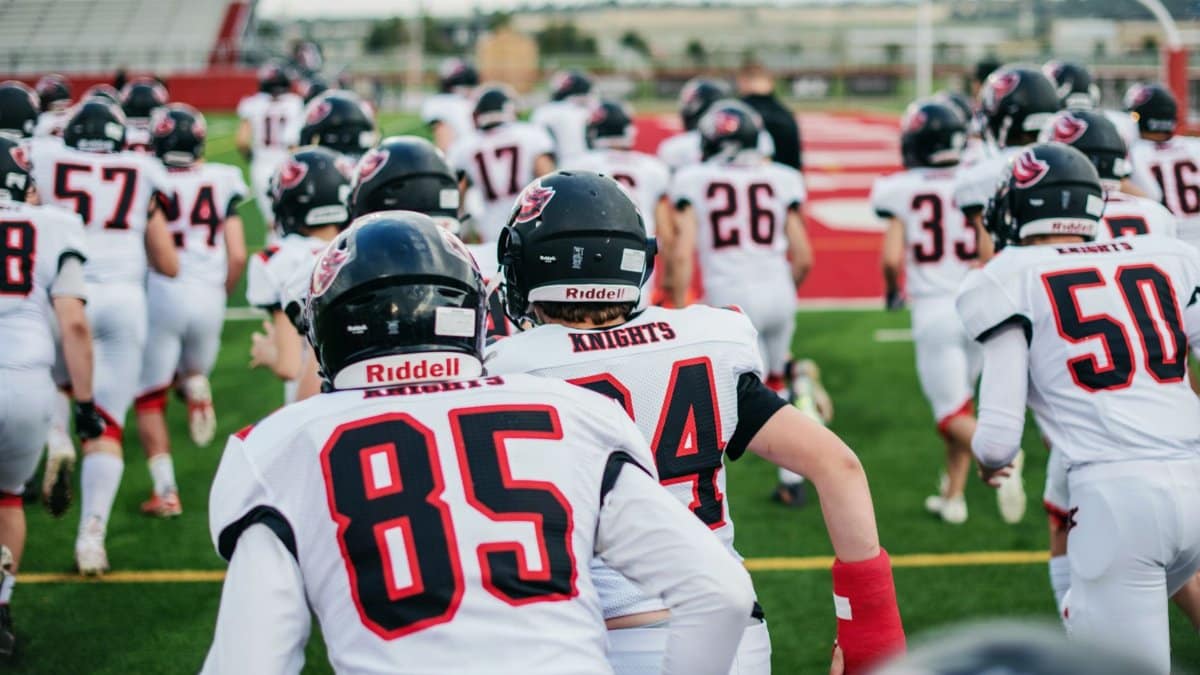
For the athletes, Lincoln Financial Field is not a metaphor. It is a larger stage with louder speakers, a longer walk from the locker room, and cameras that do not usually point their way. Some will play in front of more people on Saturday than they will see in a month of conference games. Others will treat it as an audition, fair or not, for graduate assistant jobs, professional tryouts, or simply the respect of relatives in the stands.
Coaches tend to talk about details: communication in a loud building, special teams that cannot afford a mistake on a national stream, the temptation to play hero ball because the stadium looks like the one on television. The better programs use the week as a teaching tool. Arrive early. Walk the field. Remember that the opponent wants the same highlight. The building is big. The game is still four quarters of assignment football.
Money, visibility, and the cost of a big stage
A game in an NFL stadium is expensive before anyone scores. Rent, security, staging, and travel sit on budgets that do not resemble those of Power conference athletic departments. Guarantees and sponsorships can make the math work. They can also create pressure to sell a spectacle rather than a conference game with ordinary stakes. Organizers who get this right treat the weekend as a partnership: the host city supplies the building, the schools supply the reason anyone should care.
Visibility cuts both ways. A sloppy broadcast or a thin crowd becomes a story about decline, even when the real issue is ticket price or a noon start. A full lower bowl becomes proof that the audience was always there. HBCU football Linc sits inside that tension. The phrase sounds like a marketing line. The ledgers behind it decide whether schools come back next year.
The band is not a sideshow
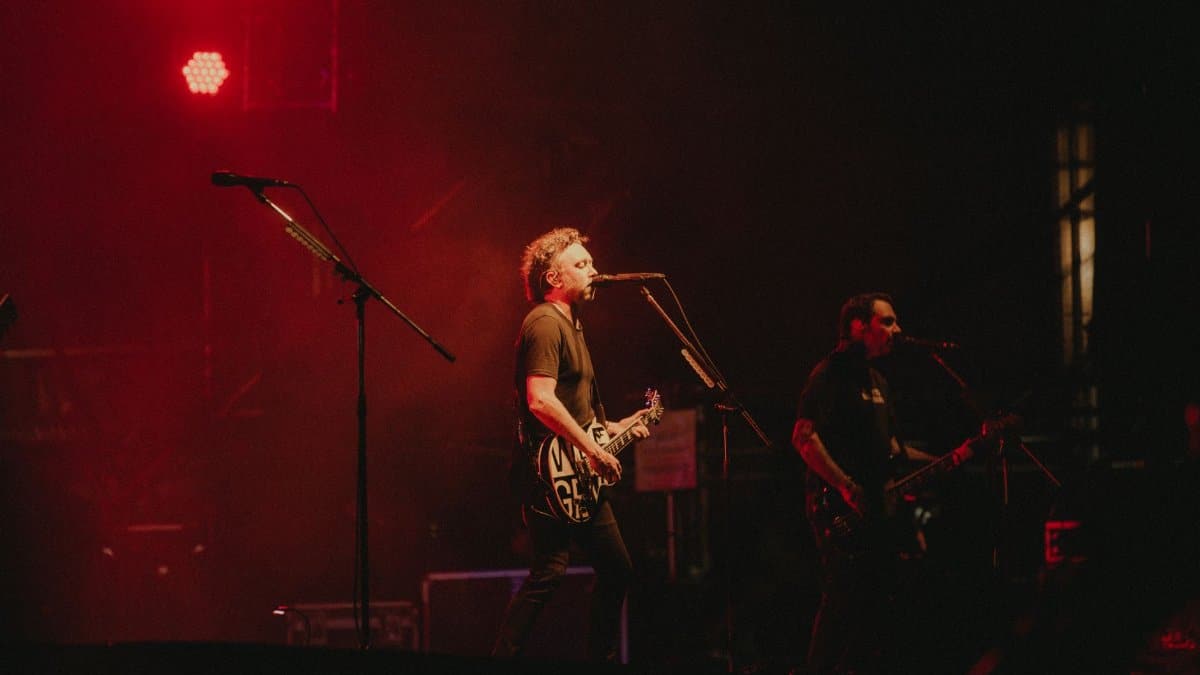
Anyone who has attended these games knows the sequence. The teams matter. The bands often decide whether a neutral fan stays in the seat. Halftime at an HBCU game is a composed argument about precision, memory, and showmanship. Drill teams, drum majors, and alumni sections treat the performance as seriously as a fourth quarter drive. In a building built for professional spectacle, that culture does not shrink. It fills the pause the NFL usually gives to commercials.
Philadelphia crowds are not shy. They will cheer a stop on third down and they will cheer a band that hits a formation clean. That dual attention is part of what makes the weekend distinct from a random nonconference date in a half empty college stadium. People come dressed for both the scoreboard and the show.
A franchise learning how to host

The Eagles organization has a practical interest in weekends like this. A dark stadium earns nothing. A lit stadium introduces younger fans to the building, gives sponsors another activation, and ties the franchise to a community that has long supplied it with players and ticket buyers. Hosting well means more than unlocking the gates. It means signage that names the schools correctly, security that understands a college crowd, and a public posture that does not treat the visitors as opening acts for the home team that is not playing.
Former Eagles in coaching roles make that posture easier to explain. They do not erase the gap between an NFL front office and a college campus. They do give both sides a shared language. Route concepts, practice tempo, and how a city watches football are not abstract topics when the people in the room have stood in the same end zone.
Saturday as a civic ritual
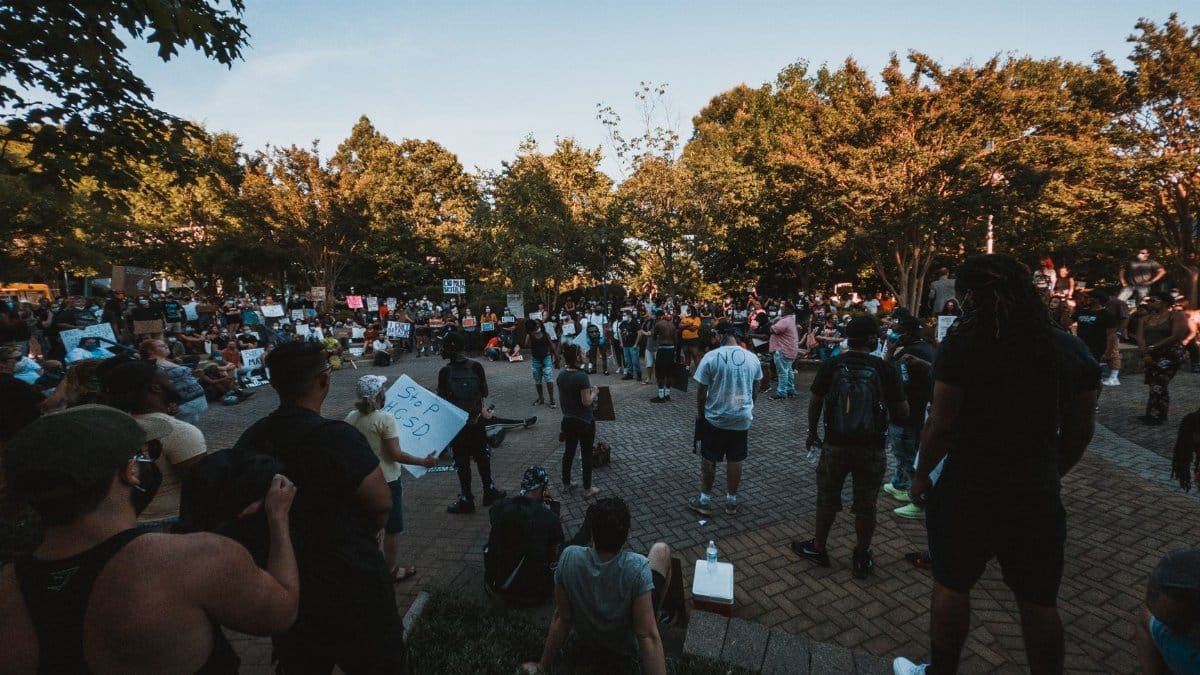
There is a reason these weekends feel larger than a box score. People dress with intention. Churches organize vans. Greek letter organizations claim sections. Parents point out the field to children who have only seen it on a screen. The gathering has the shape of a ritual even when nobody uses that word: arrival, music, a shared attention, a departure that already includes plans for next year.
I have stood in enough Philadelphia lots to know the difference between a crowd killing time and a crowd keeping an appointment. This one keeps an appointment. Faith communities are part of that appointment, not as decoration and not as a sermon inserted into a sports page. They are how a lot of these families already move through the city. The game gives them a public square large enough to see one another.
The national picture behind one weekend
One Saturday in South Philadelphia cannot settle the larger debate about historically Black college athletics. Conference realignment, media money, and the transfer portal have rearranged college football for everyone. Programs with smaller television deals feel those shifts faster. A showcase game does not replace a stable schedule or a fair share of revenue. It can, however, remind national audiences that these teams are not a heritage exhibit. They are current competitors with current players.
That reminder matters in a market like this one. Philadelphia sports talk usually runs through the Eagles, the Phillies, and whatever crisis is occupying the Sixers. College football arrives as a visitor. When the visitor is an HBCU program, the conversation has to stretch. Rankings are not the only measure. Enrollment, band invitations, and whether a young coach can keep a roster together are part of the sport too.
What to watch when the ball is snapped

Forget the celebrity framing for a drive or two and the game becomes readable. Watch the offensive line, which often decides whether a quarterback looks ready for a big building. Watch special teams, where one blocked kick can outweigh a famous coach on the sideline. Watch how defenses communicate when the crowd, even a friendly one, muddies the calls. And watch the seniors, who may be playing their largest game in a career that will not generate a national headline on Monday.
Jackson and Vick will draw cameras when they speak or signal. The more useful pictures are smaller: a receiver locating a soft spot, a linebacker fitting a run, a punter who does not panic because the stadium is loud. Those are the plays that tell you whether the week of preparation survived contact with the moment.
After the stadium empties
When the lights drop, the test of the weekend is ordinary. Did the schools cover their costs. Did recruits see a place they might want to play. Did alumni leave with a reason to give. Did Philadelphia treat the guests as a full event rather than a themed rental. Those questions do not fit on a highlight clip. They decide whether HBCU football Linc remains a phrase people use next autumn or becomes a one off caption.
The players will board buses with ice on their shoulders and video to watch. The bands will pack instruments that have already done a full day of work. Somewhere in the lots, someone will still be arguing about a holding call. That argument is a good sign. It means the game was a game, not only a commemoration.
Lincoln Financial Field will go back to its Sunday job soon enough. This weekend it holds a different congregation of fans, coaches, and students who know exactly why they came. If the city gets the hospitality right, and if the football is honest, HBCU football Linc will sound less like a slogan and more like a place people expect to find on the calendar. The turf will still be the same. The crowd will have made it mean something else for a few loud hours, and that is the whole point of bringing the sport back.