
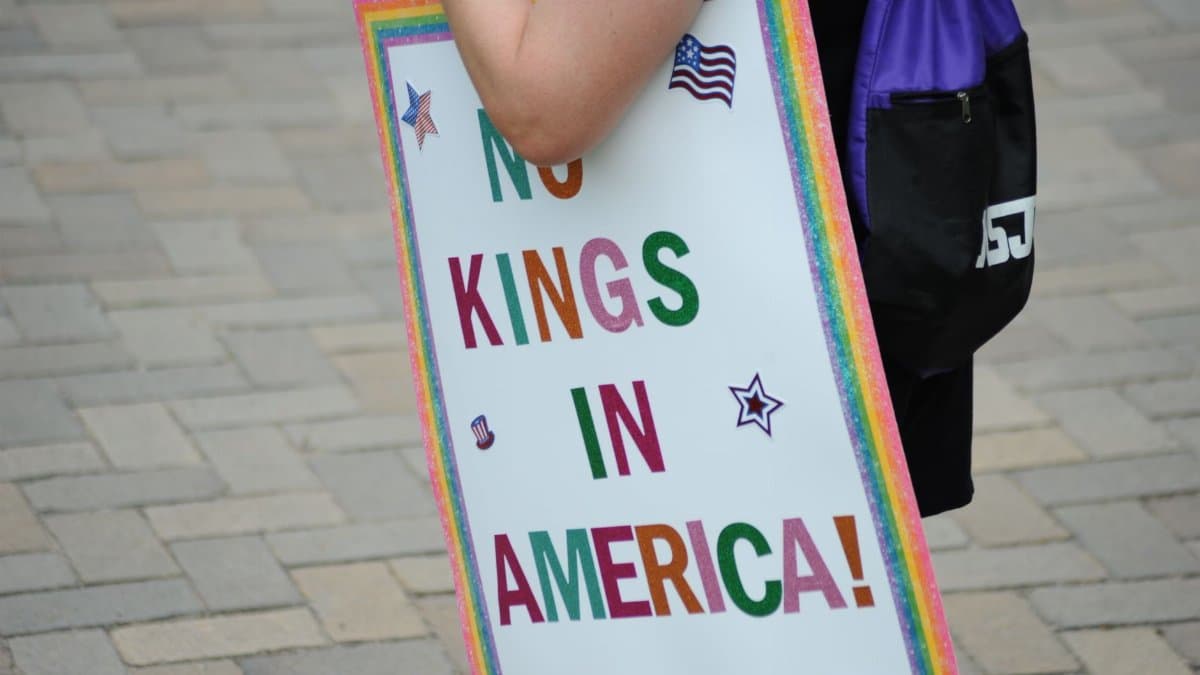
On a warm afternoon in downtown Dallas, the lawn at Pacific Plaza looked less like a park and more like a town meeting that had spilled outdoors. Parents stood beside college students. Handmade signs rose above the crowd. Speakers took turns at a microphone and kept returning to one instruction: do not stop at the chant. The Dallas No Kings rally drew hundreds who came to criticize President Trump’s policies and to press neighbors to carry that criticism into the voting booth when midterms arrive. The gathering was loud, orderly, and pointed. It treated a slogan as a civic warning rather than a costume.
A downtown lawn becomes a public square
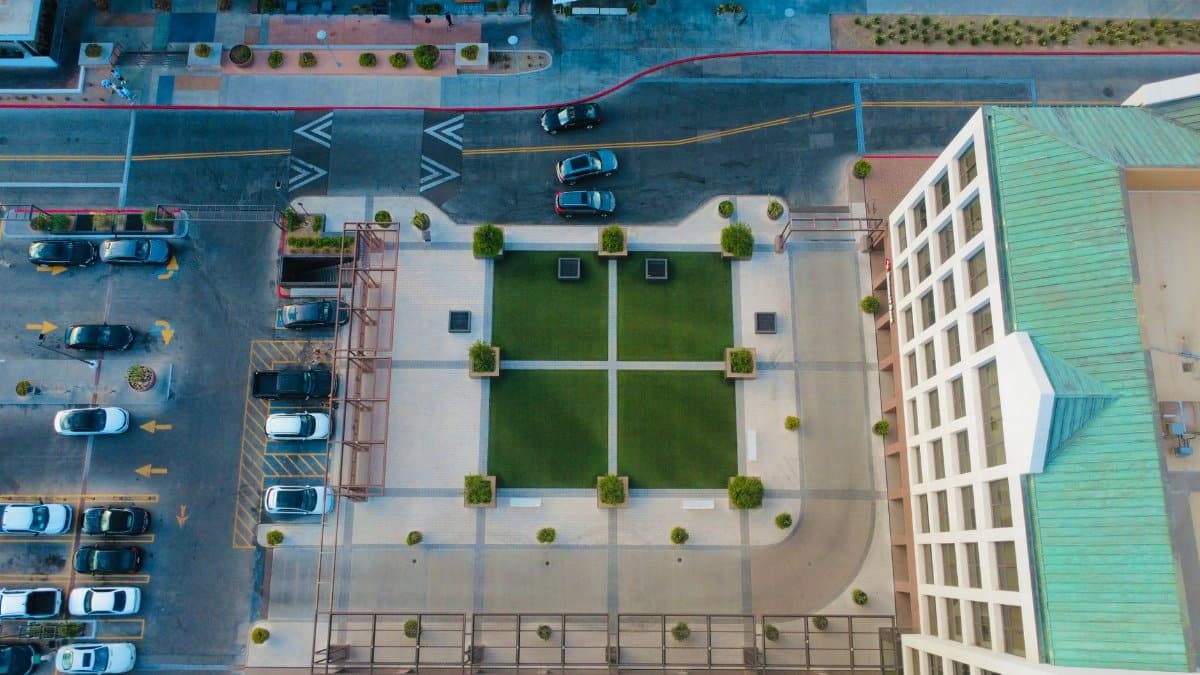
Pacific Plaza sits in the middle of a city that already knows how to stage big feelings. Concerts, marches, and holiday crowds have all used this patch of grass. On this day the props were simpler. Cardboard. Markers. A portable sound system. People arrived in small groups, found shade, and waited for someone to explain why they had given up a Saturday. The answer, repeated from the stage and from the edges of the crowd, was that national politics had stopped feeling distant. Tariffs, immigration enforcement, executive orders, and the tone of the White House were described as things that reach a kitchen table in Oak Cliff or a job site in Plano.
Hundreds is not a number that fills a stadium. It is enough to change the sound of a park. Conversations overlapped. A child asked what a sign meant. An older man held his poster at chest height so photographers would not have to guess. Nobody needed a permit lecture from a stranger to understand the basic bargain of a lawful assembly: you may speak, you may be filmed, and you may go home when the speeches end.
The slogan and the argument underneath it
No Kings is a phrase built for a placard. It is short, old, and easy to shout. At the rally it functioned as a claim about limits. Speakers and attendees argued that a president is not a monarch, that courts and Congress are not ornaments, and that loyalty to a person should not outrank loyalty to rules. They tied that claim to specific grievances: mass deportation plans, pressure on federal agencies, rhetoric aimed at political opponents, and a governing style they called personal rule dressed in electoral clothing.
The phrase also carries American memory, from revolutionary pamphlets to classroom lessons about separated powers. Using it in Dallas did not require a history lecture. People already arrive with a picture of what unchecked authority looks like. The rally tried to attach that picture to the current administration and to say the remedy is not only protest but ballots.
Why the speeches kept pointing toward November
The most practical line of the afternoon was not a denunciation. It was a calendar. Organizers and speakers urged people to register, to check registration, to talk with relatives who skip midterms, and to treat local races as part of the same argument. A rally can vent anger in an hour. A midterm can change committee chairs, statehouses, and the officials who draw maps. That distinction kept surfacing. Applause followed attacks on policy. The longer pauses followed instructions about voting.
This is a familiar move in protest politics, and it is also a hard one. Crowds enjoy unanimity. Elections require patience, paperwork, and neighbors who did not come to the park. Several people in the gathering said they had learned that lesson after earlier marches that felt large and then vanished from the news. The Dallas No Kings rally was framed, at least by those holding microphones, as a starting gun rather than a finish.
Who showed up, and what they carried
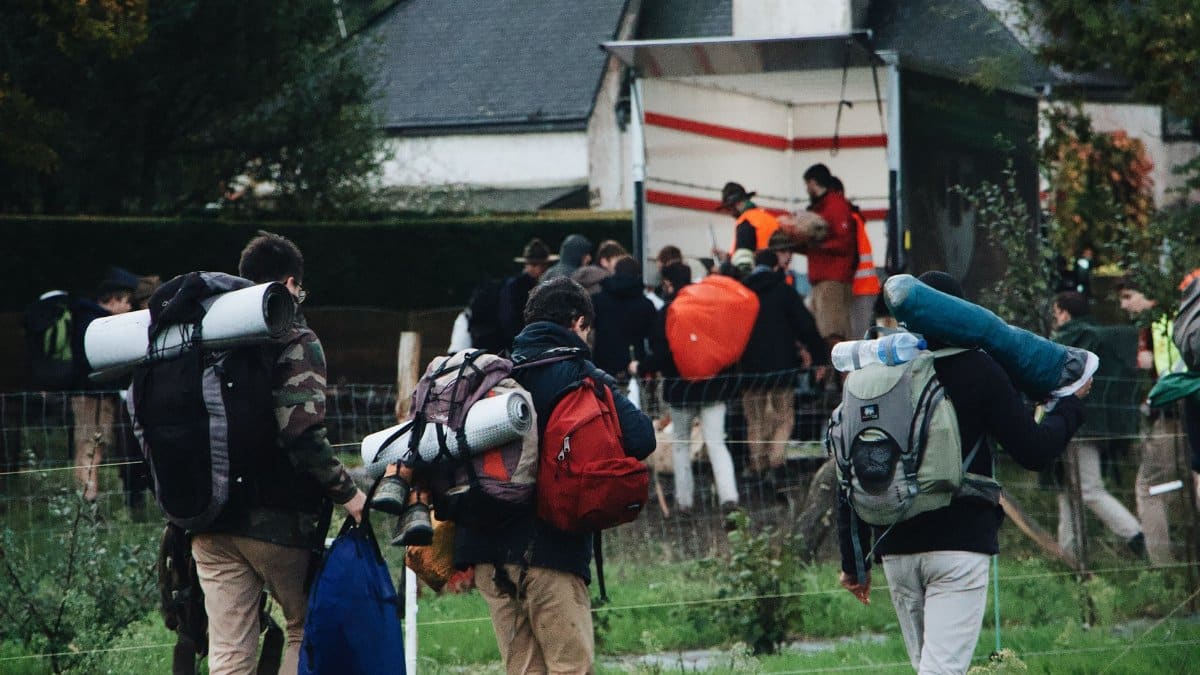
The crowd did not look like a single demographic slide. There were retirees who said they had voted in every election since they were old enough. There were younger adults who described this as their first rally. Some signs named immigration. Others named courts, schools, or the cost of living. A few quoted scripture about humility and the dangers of pride, which fit a city where faith still shapes public language even when the event itself is not a worship service.
What united the handmade messages was refusal. Refusal of a coronation story. Refusal of the idea that disagreement equals disloyalty. People described themselves as Democrats, as independents, and in a few cases as former Republicans who no longer recognize their party. That mix matters in Dallas County, where urban precincts and suburban edges do not vote as one bloc. A plaza crowd is not a poll. It is a clue that discontent has found a meeting place.
Conscience language in a political hour

Because so many attendees reached for moral words, the afternoon had a texture that pure horse race coverage misses. People spoke about neighbors, about children who ask what the news means, and about the duty to say no when power concentrates. Some framed that duty in religious terms. Others framed it as civic habit learned from parents who treated voting as nonnegotiable. Either way, the rally asked participants to connect private conviction to a public act.
That connection can inspire. It can also flatten. A moral claim does not settle a policy dispute about border enforcement or trade. It does tell you why hundreds of people chose grass and a microphone instead of another afternoon at home. They were not shopping for a brand. They were trying to name a limit and then hand that limit to the electorate.
The view from outside the circle of signs
Not everyone in downtown Dallas shared the premise. Supporters of the president argue that he won a national election, that strong executive action is what voters requested, and that slogans like No Kings smear legitimate authority as tyranny. From that vantage, a rally at Pacific Plaza is one more example of urban opposition talking to itself. They note that criticism of tariffs or immigration raids often ignores the voters who wanted those policies and who will judge results by wages, crossings, and street safety rather than by tone.
A fair account has to hold both pictures. The people on the lawn believed the presidency had crossed a line. A large share of the country believes the line was drawn by the last election and should be respected until the next one. The rally did not convert that second group. It did not pretend to. Its wager was narrower: that enough dissatisfied voters exist, in this county and beyond it, to matter when ballots are counted.
Dallas as a stage, not a sidebar
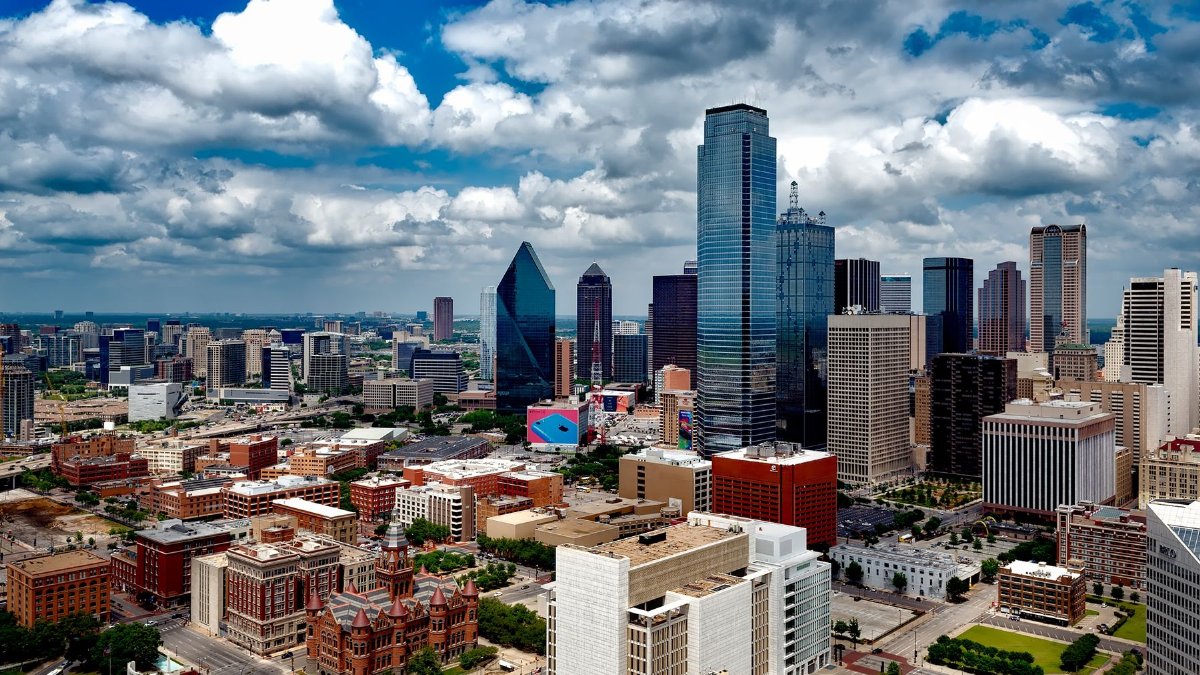
National protest days can make every city look like a duplicate photo. Dallas is not a duplicate. It is a business capital, a religious capital of a certain American kind, and a place where Latino, Black, white, and Asian voters share freeways more easily than they share precincts. A downtown rally here reaches cameras, but the political math lives in suburbs and in neighborhoods far from Pacific Plaza. Speakers who understand that geography spend less time savoring the crowd and more time naming offices: Congress, the legislature, county posts, school boards.
That local emphasis kept the Dallas No Kings rally from floating away into pure symbolism. The king metaphor is national. The lever they kept pointing at is a polling place with a Dallas County address. Whether attendees follow through is the part no photograph can prove.
What a calm crowd does and does not prove
Order is not the same thing as influence. A gathering can be peaceful, photogenic, and still politically thin if it never leaves the park. It can also be small by national standards and still serious if the people in it do the unglamorous work afterward. On this afternoon the tone stayed within the lines of a permitted protest. Signs stayed in hands. Speakers finished. People drifted toward cars and trains. The absence of spectacle is easy to underwrite as boredom. It can also be read as competence: a city absorbing dissent without treating dissent as a riot.
Journalists should resist both exaggerations. Hundreds are not millions. Nor are they nobody. In a midterm cycle, motivated minorities decide races that look quiet until the last weekend. The organizers seemed to know that, which is why the voting pitch outlasted the sharpest applause lines.
After the microphone goes quiet
By late afternoon the plaza returned to its ordinary job. Dogs, commuters, the long light on downtown glass. The signs were gone. The argument was not. People who stood at the Dallas No Kings rally will now test whether a slogan can survive contact with shift work, school pickup, and the dull logistics of a ballot. Some will knock on doors. Some will post and stop. Some will discover that relatives do not share the fear they felt on the lawn.
The president’s allies will keep describing the same policies as promises kept. Courts will keep drawing boundaries that neither side fully controls. And Dallas, which has hosted this kind of argument before, will host it again. What distinguished this gathering was not novelty of anger. It was the insistence, repeated until it risked becoming dull, that anger unused at the polls is only noise. Hundreds heard that. The midterms will show who believed it.