
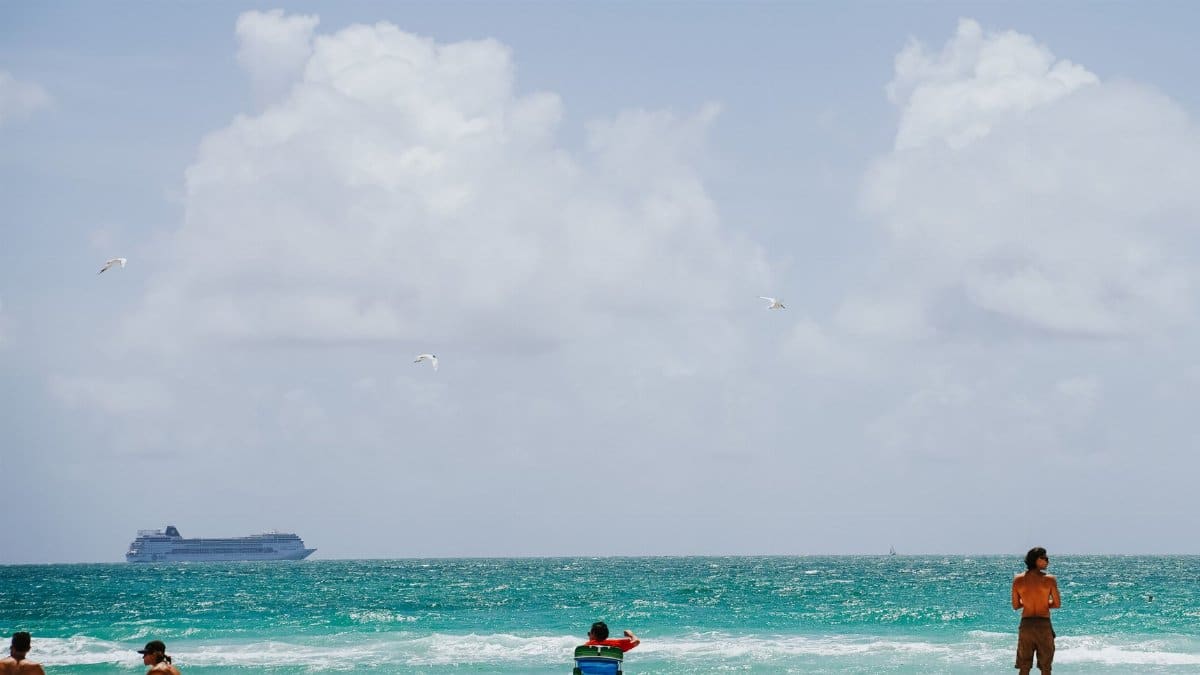
The water along the downtown seawall was already bright when the white hull eased into view, larger than the condos behind it and slower than the morning traffic on the bridge. Families on the promenade stopped walking. A pilot boat cut a clean line beside the bow. For people who track the port the way others track baseball, this was not just another docking. The Cruise ship Miami arrival of MSC Poesia, freshly returned from a major refurbishment, marked the start of a winter season that the company and the city both expect to be busy.
A harbor that knows how to receive a ship
Miami has spent decades learning the choreography of cruise days. Tugs nudge. Lines go over. Gangways wait. The spectacle still draws a crowd because the scale never quite becomes ordinary. Poesia is not the newest vessel in the global fleet, and that is part of the point. Ships of her generation are being rebuilt rather than retired, fitted with restaurants, quiet rooms, and technology that passengers now treat as standard. Watching her come in, you could see both the old ritual of arrival and the commercial logic of keeping a proven hull in service.
Port workers described the morning as orderly. Baggage crews were staged early. Customs staffing matched a full turnaround rather than a ceremonial visit. The ship will not linger as a museum piece. She is here to take on stores, welcome guests, and leave again for the islands.
What the shipyard actually changed
Refurbishment in this industry is less a coat of paint than a negotiation with space. Public rooms are opened up. Cabins gain better lighting and storage. Kitchens are reworked so that a dinner service for thousands does not feel like a factory. Company materials for Poesia emphasize renewed suites, updated entertainment venues, and a cleaner flow between the pool decks and the interior promenade. Passengers who sailed her before the yard period will notice the difference in the details: softer seating, clearer signage, and menus that try harder to reflect ports rather than a single generic idea of luxury.
None of that erases the constraints of a ship. Corridors remain corridors. Elevators still bunch at dinner. The honest sell is comfort and reliability, not a floating palace invented from nothing. Travelers who understand that tend to enjoy these rebuilt vessels more than travelers who arrive expecting a brand new mega ship.
Tables, theaters, and places to be left alone

The most useful upgrades are often the least photogenic. A dining room that can seat a full complement without a two hour wait changes the mood of a week at sea. A theater with better sightlines makes the evening show feel like an event instead of an obligation. On Poesia, the refit appears aimed at that middle ground: enough spectacle to justify the fare, enough ordinary comfort that a person can read a book without hunting for a chair.
Specialty restaurants remain the upcharge layer, and they matter to the business model. Guests pay extra for a quieter table and a shorter menu. Main dining, meanwhile, has to carry the majority. If the refurbished galleys and service stations work as promised, the ship will feel generous even to people who never open their wallets beyond the cruise fare. That is the test that online photos cannot settle. Only a week of real sittings can.
Why this Cruise ship Miami moment matters to the calendar
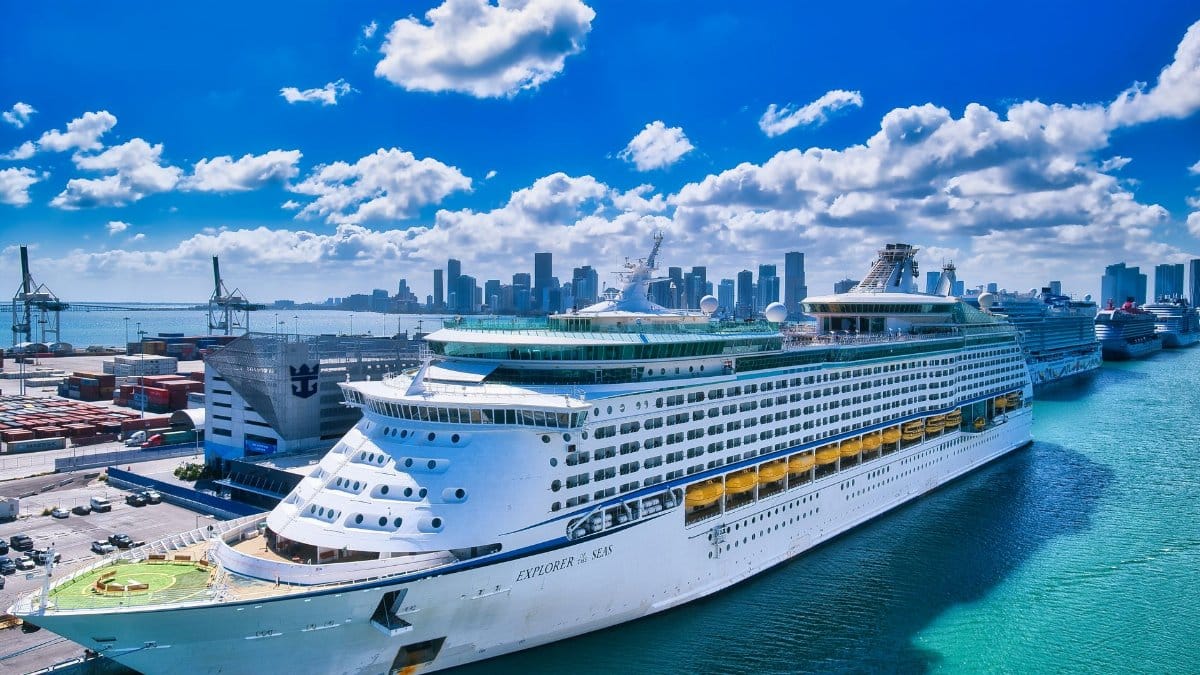
Winter is when South Florida becomes the front door of the Caribbean. Airlines feed the airport. Hotels fill the night before embarkation. The Cruise ship Miami pattern is simple and relentless: guests arrive from the north, spend a day in the city or none at all, and wake up at sea. Poesia slots into that machine at a useful size. She is large enough to matter to the port’s numbers and familiar enough that repeat guests already know her name.
The timing also suits families who plan around school breaks and retirees who prefer to avoid summer heat in the islands. A refurbished ship gives both groups a reason to book early. New amenities are a marketing hook. A known itinerary is the practical one. Most of these voyages will loop through familiar ports, with sea days in between for the pools and the shows.
Money that moves before the first dinner

A turnaround is an economic event dressed up as a vacation. Long before guests toast the departure, provisioners have loaded produce, wine, linens, and spare parts. Taxi drivers, hotel clerks, and airport workers see the surge in real time. The port authority and local businesses have long argued that cruise passengers spend in the city even when they sleep on the ship, especially on pre cruise nights and post cruise mornings. Critics answer that much of the ticket revenue leaves with the cruise line. Both claims can be true. The morning Poesia docked, the spending that was unmistakable was local and immediate: fuel, food, labor, and the small commerce of people waiting on the pier.
For a broad audience, the useful frame is not a single dazzling dollar figure. It is repetition. One ship is a story. A season of ships is a payroll. Miami’s bet is that refurbished vessels keep that payroll steady while the industry argues over newer, larger builds elsewhere.
Rest, ritual, and the urge to step away

There is a reason cruise weeks keep selling to people who could just as easily book a resort. The ship removes decisions. Meals appear. The horizon does the work of a calendar. Some travelers describe that narrowing of choice as indulgence. Others describe it, without embarrassment, as a kind of sabbath: a bounded time in which email is optional and the day has a shape. You do not need a chapel to feel that. A deck chair at dawn will do.
Poesia’s quieter refurbished corners may matter here more than the headline amenities. A reading room that is actually quiet, a walking track that is not an obstacle course, a evening that does not require a loud show. In a culture that treats rest as a luxury product, the ship sells rest by the week. Whether the product delivers depends on crowd levels and on whether the new spaces were designed for people or for brochures.
The environmental bill that comes with the view
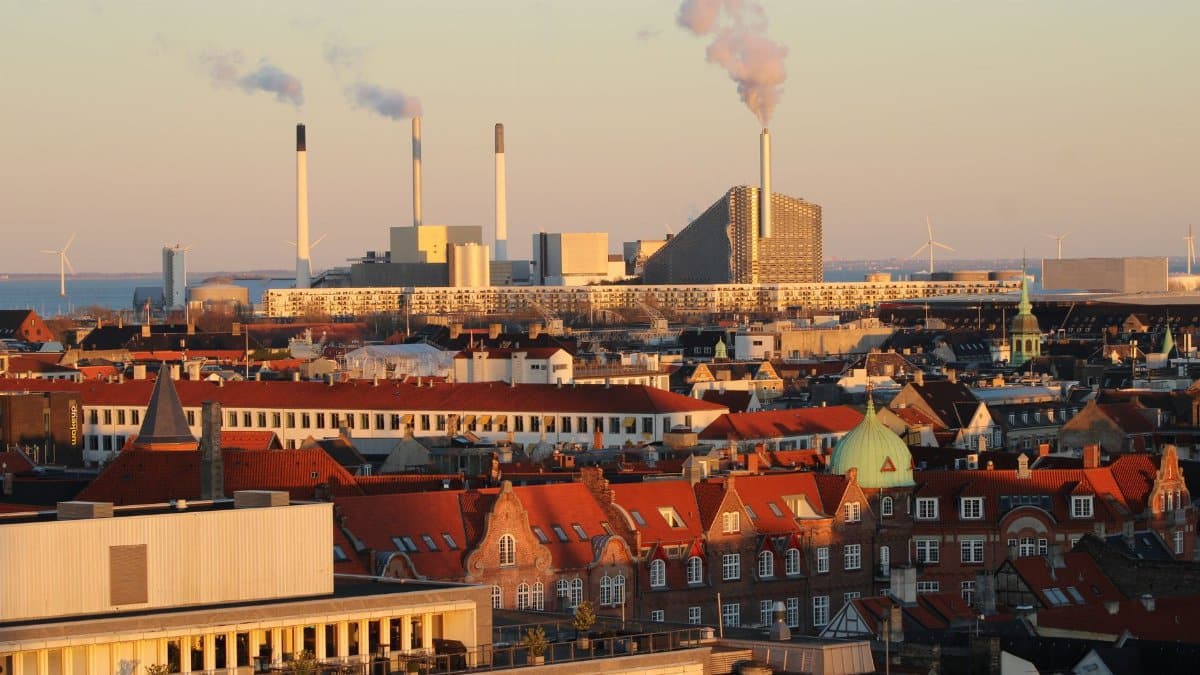
No honest account of a Miami arrival can skip the stack. Cruise ships burn fuel, move huge volumes of waste under regulation, and concentrate thousands of people on fragile islands for a few hours at a time. The industry points to cleaner fuels, shore power where ports can supply it, and newer waste systems. Environmental groups point to what remains: emissions near coastal neighborhoods, pressure on coral and beaches, and a growth curve that outpaces the upgrades.
A refurbishment can improve efficiency on an existing hull, which is better than pretending an old ship is new. It does not make the voyage weightless. Passengers who care can ask basic questions before they book. Does the itinerary include ports with shore power. How long does the ship idle downtown. What is the line’s public record on discharges. Those questions will not fit on a postcard, and they should not.
How to board without losing the week to logistics

The romance of the bow cutting the channel fades fast if the first afternoon is a tangle of missed transfers and a cabin that is not ready. Practical travelers treat embarkation as a project. They arrive with documents in hand, keep medications in a carry on, and build a buffer between the flight and the gangway. Miami traffic does not care about a sail away party.
On board, the refurbished layout rewards a short orientation walk before the drills and the buffet. Find the quiet stair, the medical desk, and the actual distance from your cabin to the dining room. People who do that on day one spend the rest of the cruise less annoyed. People who do not spend it asking directions from staff who have already answered the same question fifty times.
Shore excursions deserve the same unsentimental eye. A long bus ride to a crowded beach can erase the point of being at sea. A shorter stop, chosen because the traveler actually wants it, usually beats the default package. The ship will be there when the tender returns. The island will not rearrange itself to match a brochure.
Crews who make the refit real
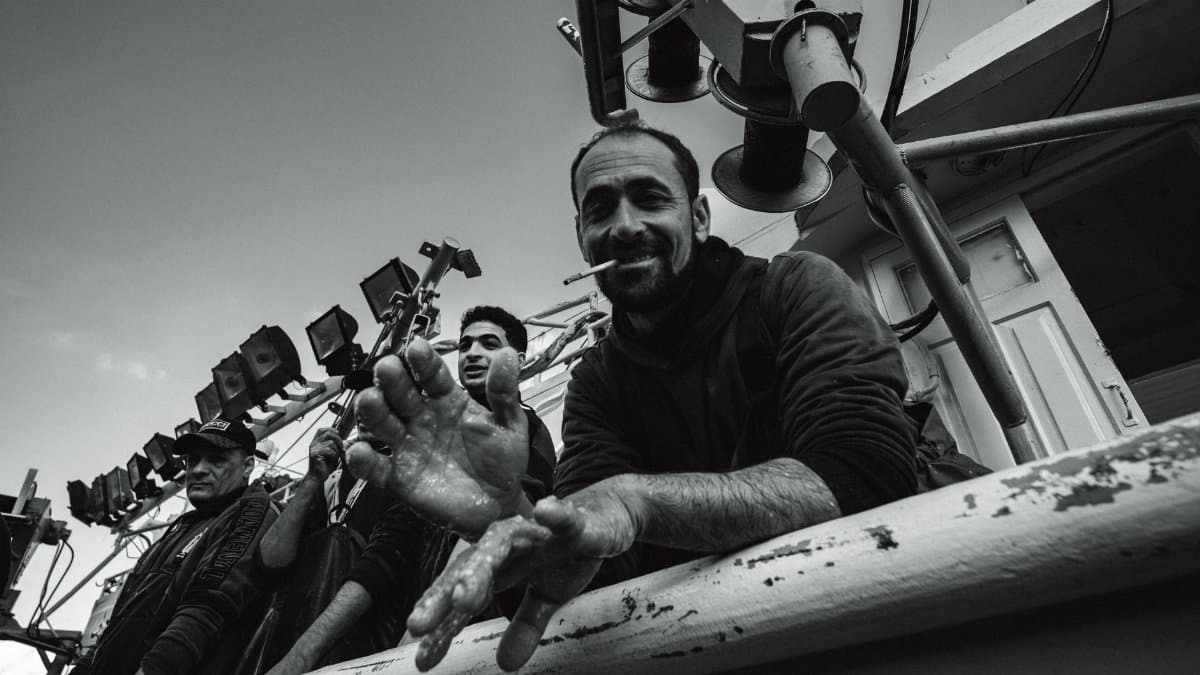
Passengers see new upholstery. Crews see new workflows. A refurbished galley or laundry only works if the people running it were trained on the changes and given enough time to practice before a full ship. Poesia’s return to service is as much a staffing story as a design story. International crews, on contracts that take them away from home for months, are the reason a floating hotel functions at all. When a refit goes well, their jobs get slightly easier: shorter walks, clearer stations, equipment that does not fail on the second night.
When it goes poorly, guests experience the failure as bad service and rarely see the cause. The early voyages of a rebuilt ship are worth watching for that reason. Smooth dining and calm public rooms usually mean the human side of the yard period was taken seriously.
What the winter voyages are selling
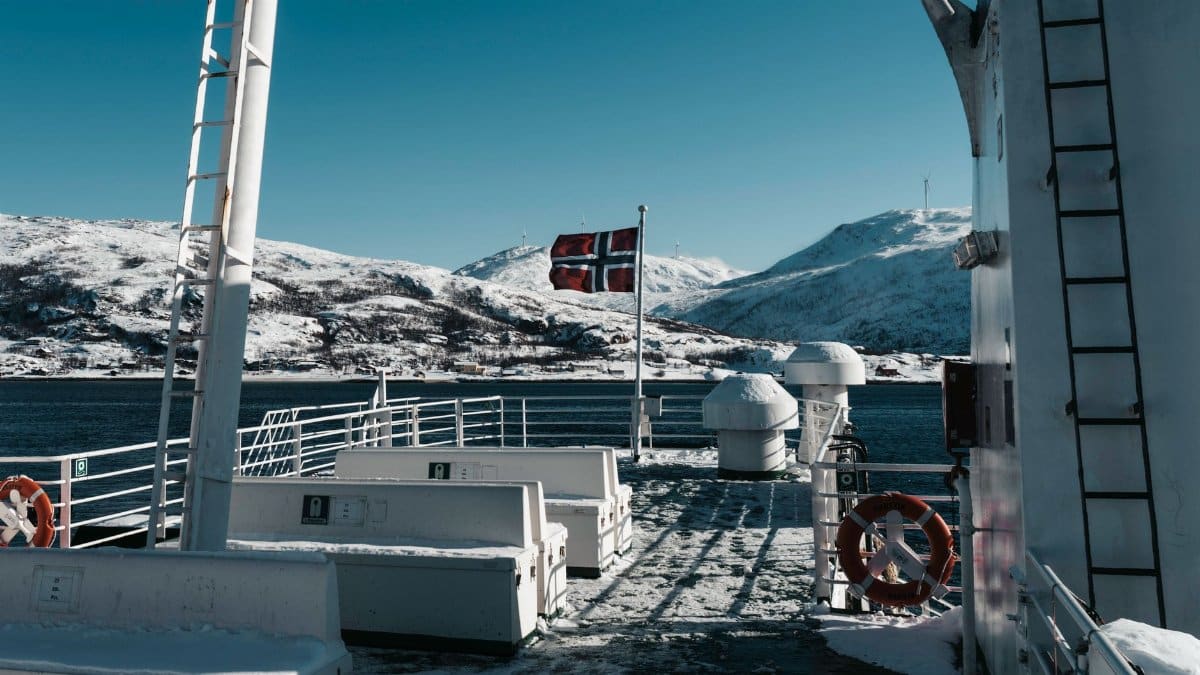
The Caribbean season from Miami is a known product: warm water, short flights for much of the eastern United States, and a rhythm of port days and sea days. Poesia’s refurbished public rooms are the fresh variable. The company will sell sparkle. Repeat guests will sell, or withhold, word of mouth after the first few weeks. That gap between announcement and reputation is where travel writing should stay humble. A ship that looks renewed at the dock can still disappoint at sea, and a ship that photographs modestly can still be the one people rebook.
For now the facts on the pier are enough. A large ship came home to her winter port looking cared for. Vendors are loading her. Guests are booking her. The skyline has another white shape against it, and the channel will open again when she leaves.
A city that measures seasons in departures

Miami does not experience cruise season as a novelty. It experiences it as weather. Some residents resent the traffic and the fleeting visitors. Others depend on them. The arrival of a refurbished Poesia will not settle that argument. It will add one more reliable departure to a calendar already crowded with them. If you stand on the bridge as she sails, the view is simple and a little grand: a working ship, a working port, and a winter that will be counted in gangways as much as in hotel nights.
That is the Cruise ship Miami story in its plain form. Not a miracle, not a scandal, just a large machine of leisure returning to the harbor that knows how to send it back out.