
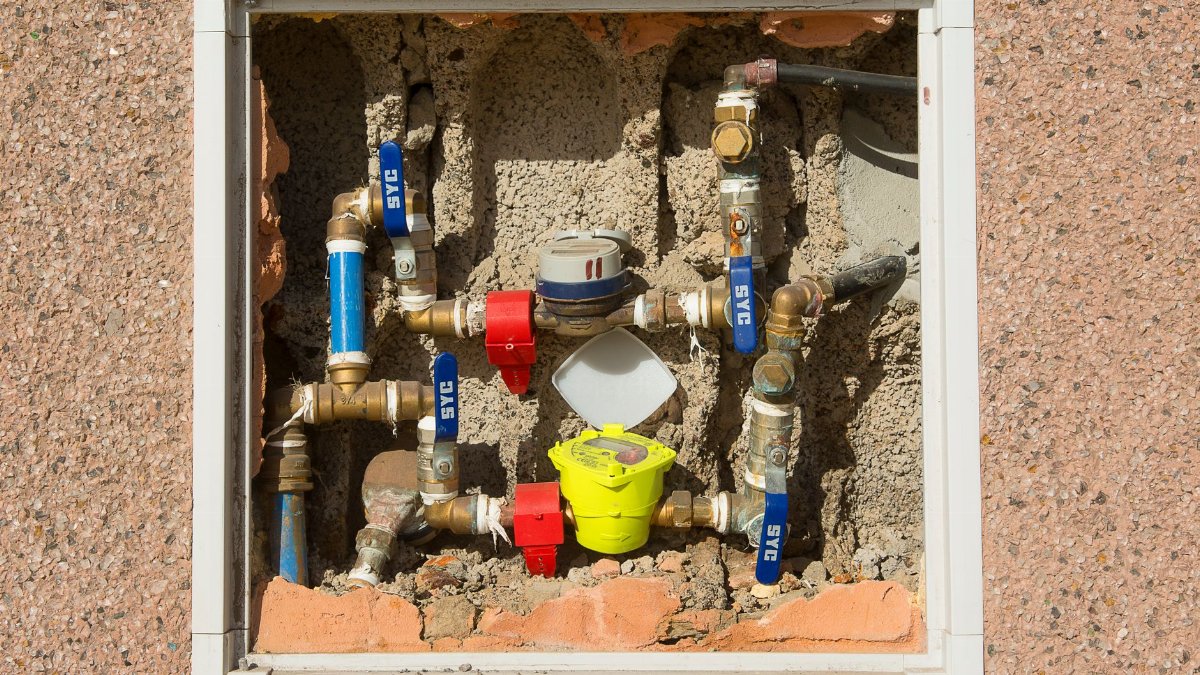
On a humid afternoon in Hialeah, a homeowner can stand at the kitchen counter and do the same math that has become a civic ritual: add the water charge, the sewer charge, the fees that arrived without much warning, and wonder which number is wrong. City leaders have approved a water-meter pilot meant to replace that guesswork with readings that arrive far more often than a worker walking a route. The promise is simple and politically potent. If the meters tell the truth, residents may finally see bills that match what actually flowed through the pipes.
A small test with a large audience

Hialeah is not a laboratory town. It is a dense, working city where utility charges land in households that already track every grocery receipt. That is why a limited trial of advanced meters has drawn attention well beyond the blocks where the devices will be installed. Officials describe the effort as a way to test whether newer equipment can produce cleaner data, fewer estimated bills, and a clearer path when a charge looks off. The Miami Herald reported the launch in its coverage of the decision, which remains the clearest public account of what the city has set in motion: https://www.miamiherald.com/news/local/community/miami-dade/hialeah/article315493631.html
A pilot is, by design, smaller than a citywide replacement. That restraint matters. It lets staff compare old readings with new ones, watch how the network behaves in Florida heat and summer storms, and learn whether customer service can actually use the extra information. It also keeps the city from betting the entire billing system on a vendor pitch before residents have seen results on their own statements.
Why the bill became the issue

Water politics in South Florida rarely stays technical for long. People do not experience infrastructure as pipe diameter or pump capacity. They experience it as a number due on a date. When that number jumps, trust drops faster than any explanation from a call center can restore it. Estimated reads, stuck meters, leaks the customer cannot see, and rate structures that are hard to parse all get folded into the same complaint: the bill does not feel fair.
Advanced meters do not rewrite rates. They do change the evidence. A device that reports use in short intervals can show whether a spike happened overnight, during a vacant week, or across every day of the month. That distinction is the difference between a leak, a household change, and a billing error. For a city fielding angry calls, better evidence is not a luxury. It is the only way a conversation stops being a standoff.
What the new meters are supposed to do
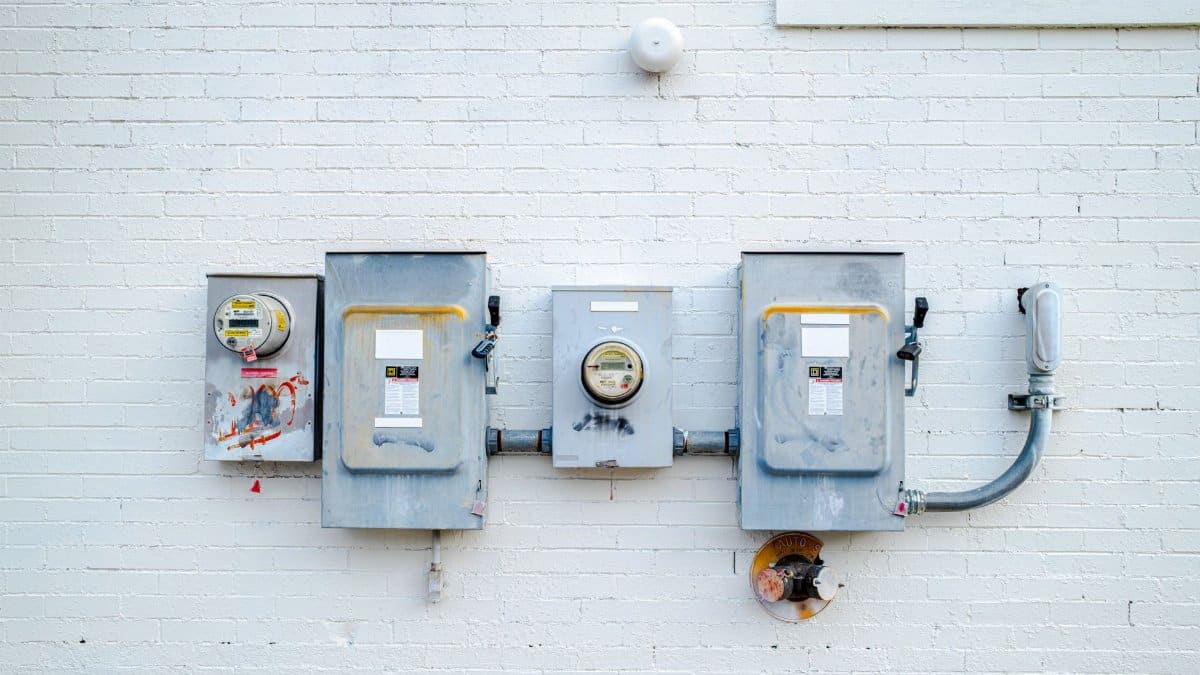
Traditional meters often wait for a person, or a drive by system, to collect a single figure. Smart meters, the kind associated with this water-meter pilot, are built to send readings automatically. In plain terms, the city gets a closer look at consumption, and the customer can be shown a history instead of a surprise. Utilities that have adopted similar systems often say the first gains show up in fewer truck rolls, faster detection of continuous flow, and less reliance on estimates when access to a property is difficult.
Those claims should be treated as hypotheses until Hialeah publishes its own numbers. National vendors have an interest in smooth stories. Local proof is what matters: how many estimated bills disappear, how often a high read turns out to be a real leak, how long it takes staff to answer a dispute with data rather than a script. If the pilot cannot answer those questions in public, it will not earn the right to expand.
Accuracy is not the same as a lower bill
The hope attached to the program is that accurate readings will lower what residents pay. Sometimes that will be true. A meter that has been over registering, or a bill built on a bad estimate, can shrink once the record is corrected. A household that finds a running toilet or a irrigation valve stuck open can stop paying for water it never meant to use. Those are real savings, and they are the strongest argument for moving beyond clipboards.
Accuracy can also raise a bill. If an old meter was under registering, a new one will report use the customer was already taking. That is fair to the system and painful to the household. City leaders should say so before the first statements go out. A pilot that is sold only as relief will be judged as a betrayal the moment a correct reading costs more than a wrong one. The honest frame is narrower: people should pay for the water they use, not for guesses, and the city should help them see use early enough to change it.
Leaks, habits, and the monthly surprise
The most practical benefit of frequent readings is time. A leak that runs for weeks before a quarterly or monthly catch up can become a bill no family budget absorbs easily. Alerts for continuous flow, if the city turns them on and if residents can actually receive them, turn a hidden failure into a phone call to a plumber. That is not glamorous technology. It is maintenance with a better clock.
Habits are a second, quieter effect. When use is visible by day rather than as one lump sum, people notice irrigation schedules, long showers, and the cost of filling a pool. Some will change behavior. Many will not, because water is already a small share of some household costs and a crushing share of others. The pilot should report both outcomes. A program that only celebrates the households that cut use will miss the ones for whom the meter confirms a bill they cannot trim without giving up basic needs.
Who is in the first group of homes

Selection is where a pilot either earns credibility or loses it. If the trial sites cluster in neighborhoods that already have new pipes, cooperative landlords, and reliable cell coverage, the results will flatter the equipment. If they cluster only where complaints are loudest, the data may describe a crisis rather than a typical block. A fair test needs a mix: single family houses, multifamily buildings, older services, and streets where estimated reads have been common.
Renters deserve a specific plan. In many buildings the meter, and the relationship with the utility, sits with an owner who does not drink the water or pay the surprise in the same way a tenant does. If alerts and usage histories never reach the person who can fix a leak or contest a charge, the technology will improve the city’s files without improving the resident’s month. Hialeah should publish how participation works, what a customer can see, and what happens when an owner does not pass information along.
Privacy and the feeling of being watched
Water use is intimate in a way electric use is not always felt to be. Patterns can suggest when a home is empty, how many people are present, and whether someone is ill. That does not mean a utility plot is a surveillance file. It does mean the city should treat the data as personal, limit who can see interval records, and say plainly how long detailed histories are kept. Residents will ask. A shrug will travel faster than any brochure about efficiency.
There is a second worry that has followed smart meters in other cities: radios, health claims, and a sense that a device on the house is no longer the resident’s. Public health authorities have generally not found the low power signals used in these systems to be a hazard at household distances, but a local government does not win that argument by mocking it. It wins by explaining what is installed, what it transmits, and how a customer can get a reading explained by a person, not only by an app.
The money question officials cannot skip

Meters cost money before they save any. Hardware, installation, software, training, and the messy work of swapping devices without losing accounts all land on a budget that ratepayers ultimately fund. A pilot is the moment to show those costs in the open, including what the city pays if the trial stops. Expansion should depend on measured gains: fewer estimates, faster leak response, shorter dispute times, and a documented effect on bills that were wrong rather than merely unpopular.
Savings inside the utility, such as fewer field visits, do not automatically become lower rates. They can be absorbed by other needs, from pipe replacement to debt. If leaders want residents to believe the water-meter pilot serves them, they should identify which savings return to the bill and which stay inside operations. Vague promises of efficiency read, correctly, as a delay.
What a successful year would look like

Success should be boring and countable. Publish the number of meters installed, the share of reads that arrive on time, the drop in estimated bills, the leaks found before a full cycle, and the share of disputes resolved with data the customer can see. Compare a group of homes on the new system with a similar group still on the old one, so weather and household size do not get mistaken for technology. Invite an outside review if staff and vendor are the only narrators.
Failure should be allowed to be failure. If coverage drops in heavy rain, if bills remain opaque, if customer service cannot explain a graph, the city should say so and stop. A pilot that cannot end is not a pilot. It is a purchase with a softer name.
The human work around the device
No meter answers the phone. The program will rise or fall on clerks, field crews, and translators who can walk a resident through a chart without condescension. Hialeah’s households speak more than one language and work hours that do not match a weekday window. Notices that exist only online will miss the people most likely to be surprised by a bill. Paper, phone, and in person help are not old fashioned extras. They are how a technical trial becomes a public service.
I have watched enough utility rollouts to know the first month sets the story. If early participants get clear before and after explanations, neighbors will treat the devices as tools. If early participants get a higher bill and a busy signal, the water-meter pilot will be remembered as another thing done to them. That memory lasts longer than any contract.
Rates, repairs, and what meters cannot touch
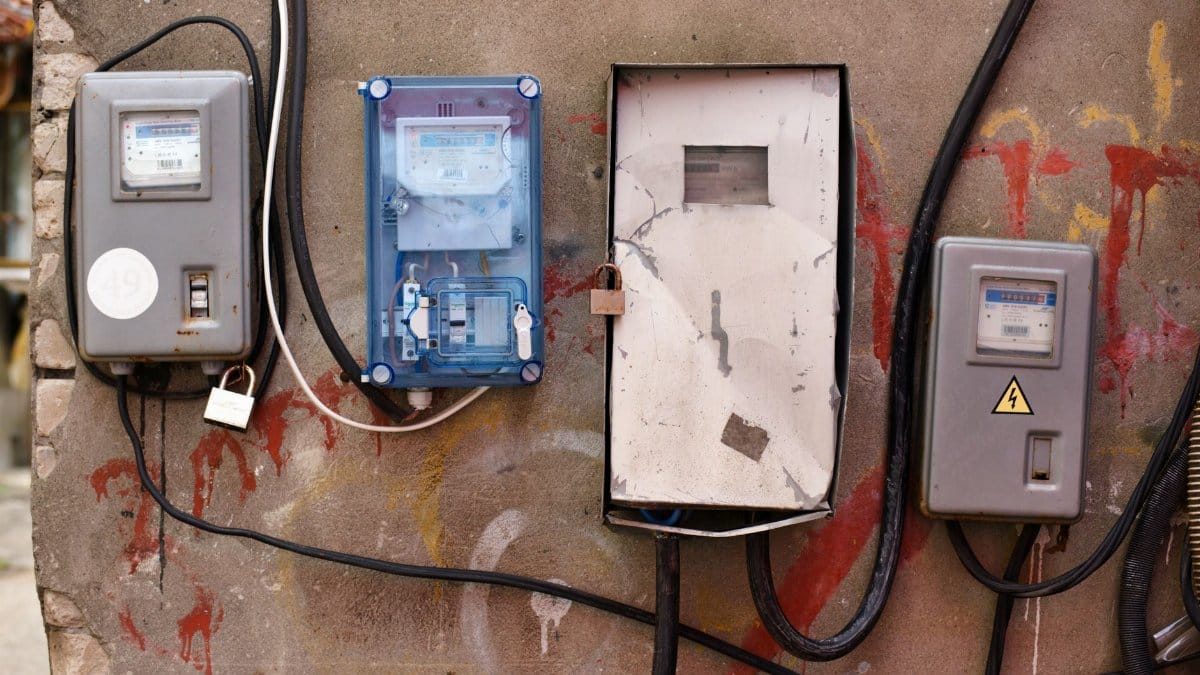
Even perfect measurement cannot fix aging mains, a rate design that hits large families hardest, or assistance programs that are too small or too hard to join. Those are policy choices, not sensor problems. A city can install the best meter on the market and still send a bill that feels impossible if the price of water has climbed and wages have not. Leaders who point at technology while avoiding rate hearings will be understood as changing the subject.
The useful link is this: better data makes those harder debates more honest. If use is known, the city can see who is burdened, where leaks waste treated water, and whether assistance reaches the accounts that need it. Measurement is the start of fairness, not the substitute for it.
A test worth watching closely

Hialeah’s bet is modest on paper and large in meaning. A water-meter pilot will not, by itself, lower every bill. It can remove excuses, catch waste, and give residents a record they can argue with. That is worth doing if the city publishes costs, protects the data, includes renters, and refuses to expand until the numbers, not the sales language, say the trial worked.
Residents should ask for those numbers and keep the old bills nearby. The fairest outcome is not a miracle discount. It is a statement that finally matches the water that left the tap, explained in language a person can use, with a path to fix what the meter reveals. If this program delivers that, it will have earned a wider map. If it does not, the city will have learned something cheaper than a full replacement, which is the entire point of trying before buying the whole future at once.