
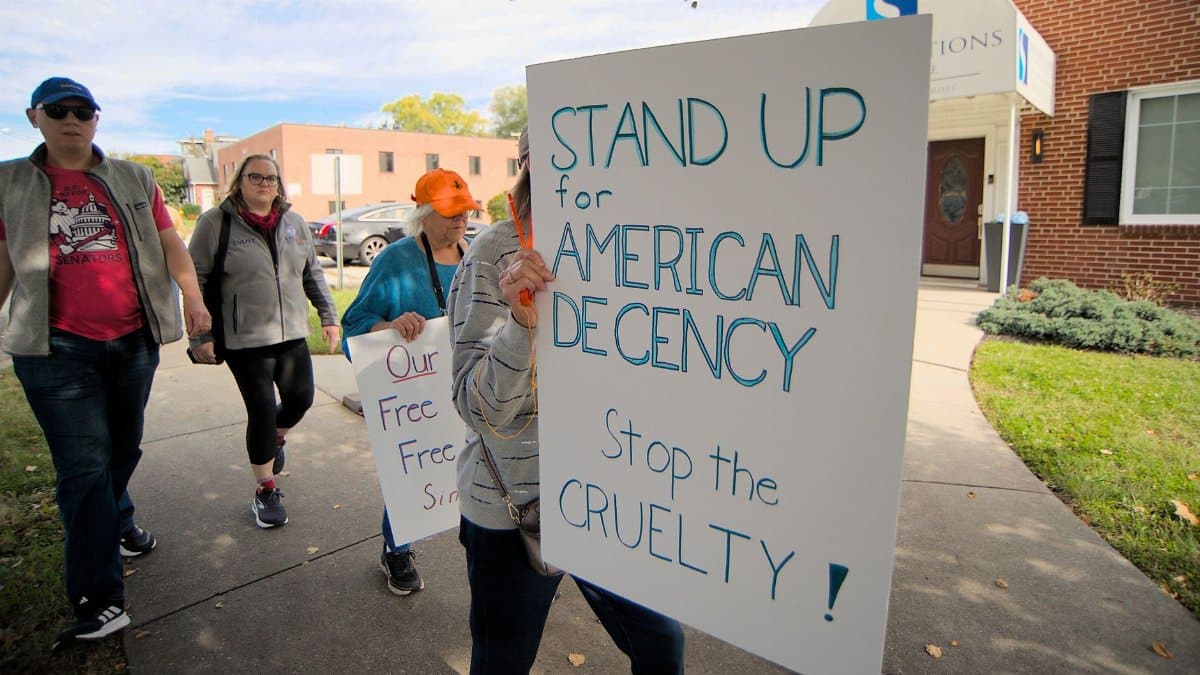
On a gray autumn afternoon in the industrial Midwest, former President Barack Obama stepped back onto the campaign trail with a familiar cadence and a sharper edge. The Obama Midwest campaign, stretching across Ohio and Michigan, was framed less as nostalgia and more as a warning about the tone of American politics. He told crowds that cruelty and indecency had become political tools, and that voters still had a chance to reject them before the midterms.
Why the Midwest still matters
Ohio and Michigan are not interchangeable, yet both sit at the center of arguments about work, trade, and who gets heard in Washington. Democrats have lost ground here in recent cycles, especially among voters who once formed the party’s backbone in factory towns and inner ring suburbs. Obama’s return was an admission that national messaging alone will not repair that breach. Local candidates need a messenger who can still fill a hall and translate national anger into a reason to vote.
The visits also served a quieter purpose. Midterm elections are decided by who shows up, not by who wins the argument on cable news. A former president can raise money, but his real value in these states is attention. When Obama appears, local television covers the race for a day, volunteers get a reason to knock on one more door, and undecided voters are reminded that the contest is not abstract.
A moral vocabulary in a hard season
Obama did not invent the charge of cruelty. He has used versions of it for years when describing policies that separate families, mock the sick, or treat public office as a stage for humiliation. In Ohio and Michigan he returned to that language with unusual directness, tying President Trump and Republican allies to what he called a politics of indecency. The point was not a legal brief. It was a character argument aimed at voters who may disagree with Democrats on taxes or regulation and still flinch at contempt as a governing style.
That framing sits awkwardly in a news category often reserved for faith and personal meaning, yet it belongs there more than strategists admit. Many Midwestern congregations still teach that power should be restrained by mercy. Obama was speaking, in secular dress, to that instinct. Whether the instinct moves votes is another question. Moral language can inspire the already convinced and irritate everyone else if it sounds like a lecture from a distance.
Ohio as a proving ground
Ohio has drifted away from the Democratic coalition that twice delivered the state to Obama. The party still competes in statewide races, but the map is unforgiving outside a handful of urban counties. Campaign aides treated the stop as a turnout exercise rather than a conversion miracle. The goal was to lift Democratic candidates who need strong margins in Cleveland, Columbus, and Cincinnati, and respectable showings in smaller cities where union households remain influential.
Obama’s task in Ohio was to connect national grievances to local ballots. Health coverage, overtime rules, and the cost of college do not campaign themselves. He argued that Republican control in Washington and in statehouses had paired those pocketbook pressures with a style of politics that punches down. Critics called the speech recycled. Supporters heard a reminder that decency is not a luxury item for prosperous coasts.
Michigan and the memory of work
Michigan offers Democrats a slightly kinder recent history, but no comfort. The state remains sensitive to auto employment, trade shocks, and the sense that decisions made far away land hardest on people who build things. Obama’s Michigan appearance leaned on that memory. He spoke about dignity in work without pretending that old factory jobs would return unchanged. The argument was that government can either cushion disruption with honesty or exploit it with scapegoats.
Union halls and campus gyms produce different applause lines, and Obama has always been better at the second than some of his successors. In Michigan he tried to bridge them. He praised organizing as a civic habit, not a partisan brand, and warned that cynicism is a gift to those who already hold power. The Obama Midwest campaign depended on that bridge holding for one more autumn.
What he said about Trump and his allies
The sharpest passages named a pattern rather than a single bill. Obama described a politics that mocks opponents, dismisses independent institutions, and treats cruelty as proof of strength. He argued that Republican candidates who echo President Trump cannot claim distance when the jokes get mean or the policies get harsh. Allies in the crowd heard a former president unwilling to launder the moment with false balance.
Republicans answered in familiar terms. They called Obama a celebrity surrogate for a party that had failed on prices, borders, and crime, and they said voters care more about grocery bills than about tone. That rebuttal has force. Lectures about manners lose when a family cannot afford rent. Obama’s bet was that voters can hold both thoughts at once: that material conditions matter, and that a politics of humiliation makes those conditions worse by poisoning the trust required to fix them.
The limits of a former president
Star power is not a strategy. Obama left office with high personal ratings and a party that soon lost the presidency, the Senate, and a large share of state legislatures. His return trips have sometimes produced large crowds and modest vote shifts. Campaign professionals in both states were careful not to treat the visits as magic. They scheduled them where volunteers were already organized and where local candidates had a plausible path, not where a speech could substitute for a ground game.
There is also the risk of overshadowing. A former president who dominates the photograph can shrink the senator or governor standing beside him. Obama has learned to share the microphone, introducing candidates by name and tying his critique to their specific races. Even so, the headline tends to be his. For Democrats trying to build new faces in the Midwest, that is a mixed blessing.
Crowds, memory, and the old rhythm
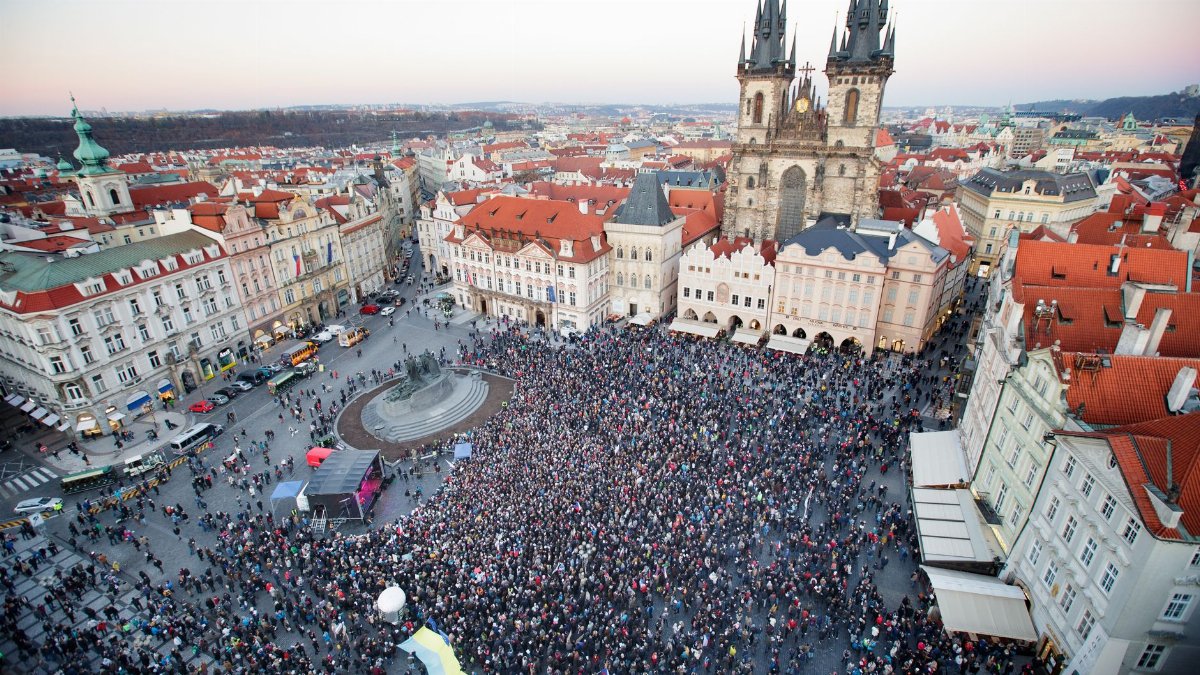
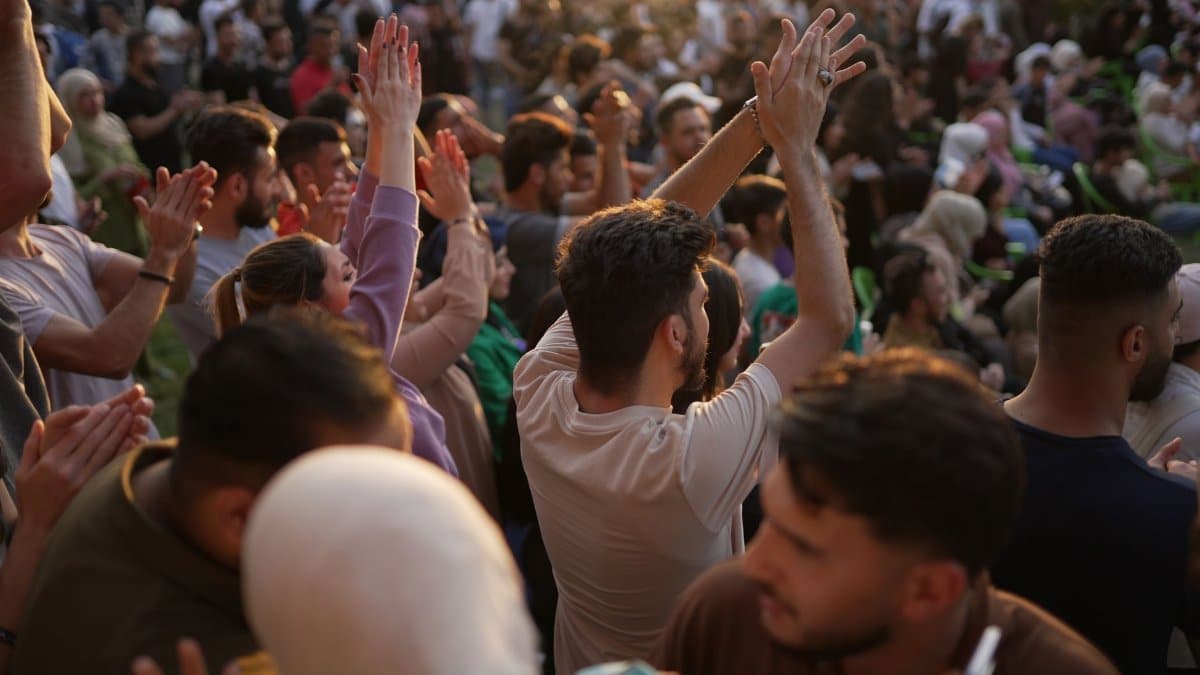
People still come to hear him. The line outside a union hall or a university arena is part reunion and part curiosity. Some attendees want the cadence they remember from 2008. Others want ammunition for arguments at work. Obama gave them both, alternating humor with a prosecutor’s list of grievances. He remains unusually skilled at making a policy dispute sound like a story about neighbors.
Memory cuts both ways. The same voters who cheered him can recite disappointments: plants that closed, wars that lingered, a recovery that felt uneven. He did not pretend those years were spotless. He argued that imperfect government is not the same thing as government that revels in being harsh. That distinction is the spine of his midterm message, and it is easier to applaud than to measure.
Decency as a campaign theme
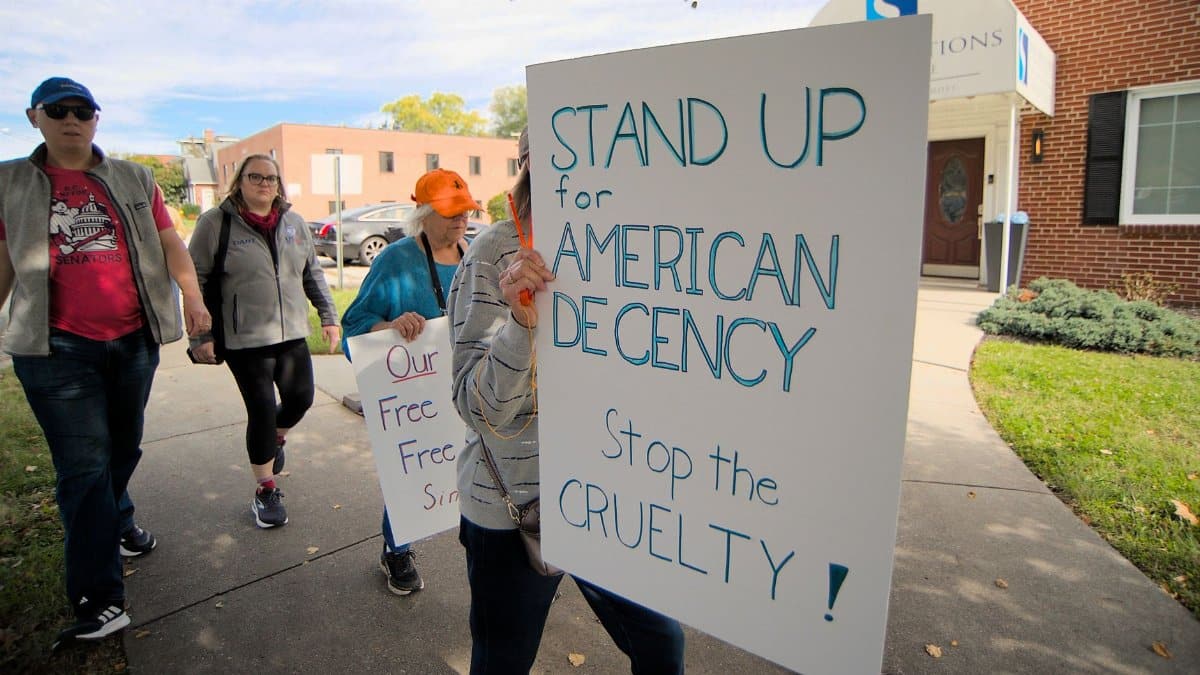
Indecency is a slippery word in politics because every side claims the moral high ground. Obama tried to make it concrete. He pointed to rhetoric that dehumanizes immigrants, to jokes about violence, and to a willingness to punish critics rather than answer them. He suggested that children watch how adults in power behave, and that a country teaches its character in public. The line landed in rooms already inclined to agree. Its test is whether it travels to kitchens where the television is off and the bills are on the table.
Faith leaders in both states have made similar arguments without endorsing a party. Some pastors warn against cruelty from the pulpit and then decline to name candidates. Obama’s version was explicitly electoral. He asked people to treat November as a moral choice as well as a policy choice. That ask will comfort voters who feel politics has become uglier than it needs to be. It will also confirm, for others, that Democrats prefer sermons to solutions.
Republican confidence and Democratic anxiety
Republican campaigns in Ohio and Michigan did not appear rattled by the schedule. They welcomed the contrast, arguing that Obama represents a past electorate and a past economy. Trump aligned candidates treated the criticism as proof that Democrats have no forward offer, only nostalgia and scolding. In private, some GOP strategists still worry about suburban women who left the party over tone even when they stayed conservative on taxes. Publicly, the message was simpler: prices, borders, and a rejection of elite lectures.
Democratic anxiety is more structural. The party needs these states, or states like them, to remain competitive if it hopes to hold narrow majorities. A single weekend of speeches cannot rebuild a coalition. It can, at best, slow a slide and give local campaigns a burst of energy. Party officials described the Obama Midwest campaign as one piece of a larger fall plan that also includes door knocking, digital ads, and candidate time in counties Democrats used to skip.
What voters may actually hear

Most voters will not watch a full rally. They will see a clip, a headline, or a friend’s summary. In that compressed form, Obama’s argument reduces to a few words: cruelty, indecency, and a plea to vote. Compression favors emotion over detail. That can help if the emotion matches what people already feel at school board meetings and family dinners. It can hurt if it sounds like another famous person scolding a region that is tired of being explained.
The fair reading of his Midwest swing is modest. He put his reputation behind Democratic candidates, sharpened a moral critique of Trump and his allies, and tried to make turnout feel like a duty rather than a chore. He did not redraw the map. He reminded people that maps are made of individual decisions, and that those decisions still include a judgment about how a country should sound when it argues with itself.
After the applause
When the lights came down in Ohio and Michigan, the practical work resumed. Phone banks, early vote plans, and local debates do not trend, but they decide close races. Obama’s criticism will echo in ads and in opponent responses for the rest of the cycle. Whether it moves anyone who was not already moving is the only metric that matters, and it will not be clear until the counts are done.
For now, the former president has said plainly what he thinks this election is about. Not only programs and prices, though those remain central, but also the question of whether cruelty is a legitimate style of public life. The Obama Midwest campaign asked voters to answer that question with a ballot, not a sigh. In a season crowded with noise, that may be as close to a spiritual claim as national politics is willing to make.