
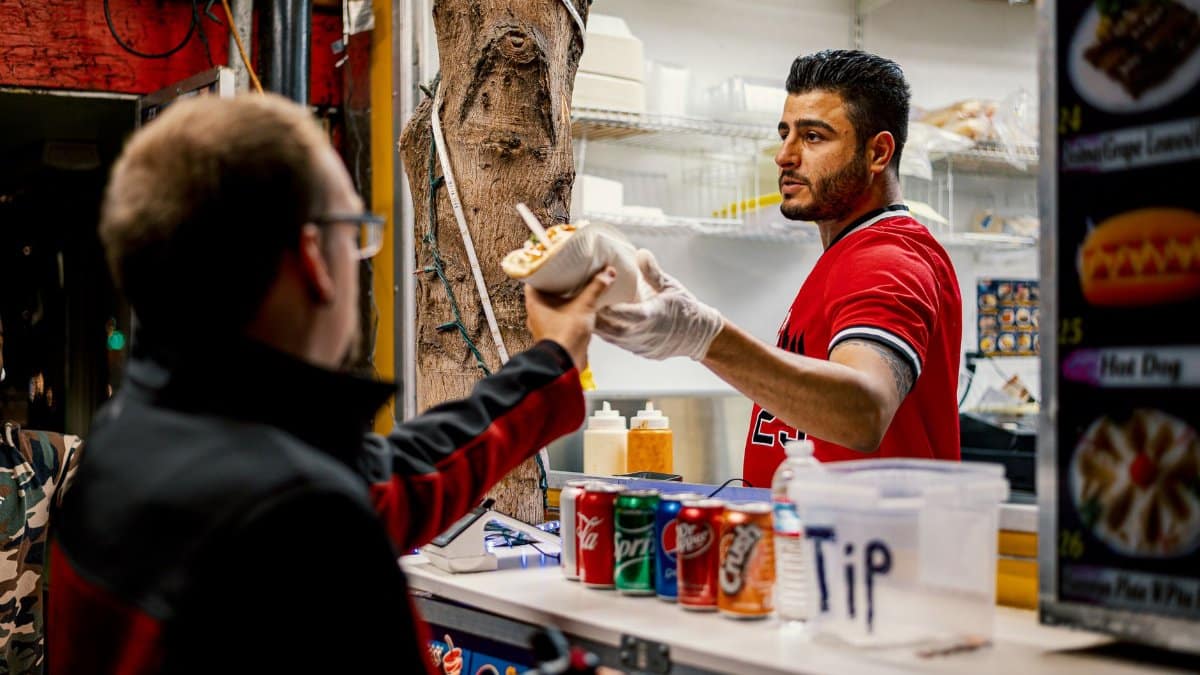
On a weekday afternoon in downtown San Francisco, the smell of grilled vegetables can travel farther than the line of customers. Kitchens stay lit. Tables stay mostly empty. The bar, which ought to be the social engine of the room, can look like an afterthought. That imbalance is now the focus of a change at one SF food hall, where a local hospitality group is taking over all the bars in a space that has struggled to hold a crowd. The hope is simple and not small. If the drinks feel alive, more people may stay for dinner, and the vendors around the room may finally see the traffic they were promised.
A hall built for a crowd that did not arrive
Saluhall opened with the kind of promise that downtown projects often carry. A handsome room. A mix of kitchens. A bet that office workers, shoppers, and curious neighbors would overlap through the day. Food halls live on that overlap. Lunch covers the rent. Afternoon coffee keeps the lights honest. Dinner, and the drinks that come with it, is where a place starts to feel like a destination rather than a cafeteria with better plates.
The trouble is that downtown San Francisco has not produced that overlap with any reliability. Remote work thinned the weekday rush. Visitors came in bursts. Some vendors cooked well and still watched plates go out too slowly to justify the staff on the line. A food hall can look busy in photographs and still fail the only test that matters to a small operator: whether the register rings often enough to pay people and purveyors.
Bars sit at the center of that test. They are not a side dish. They are often the difference between a room that empties at 2 p.m. and a room that has a reason to exist at 7.
Why the bars became the pressure point
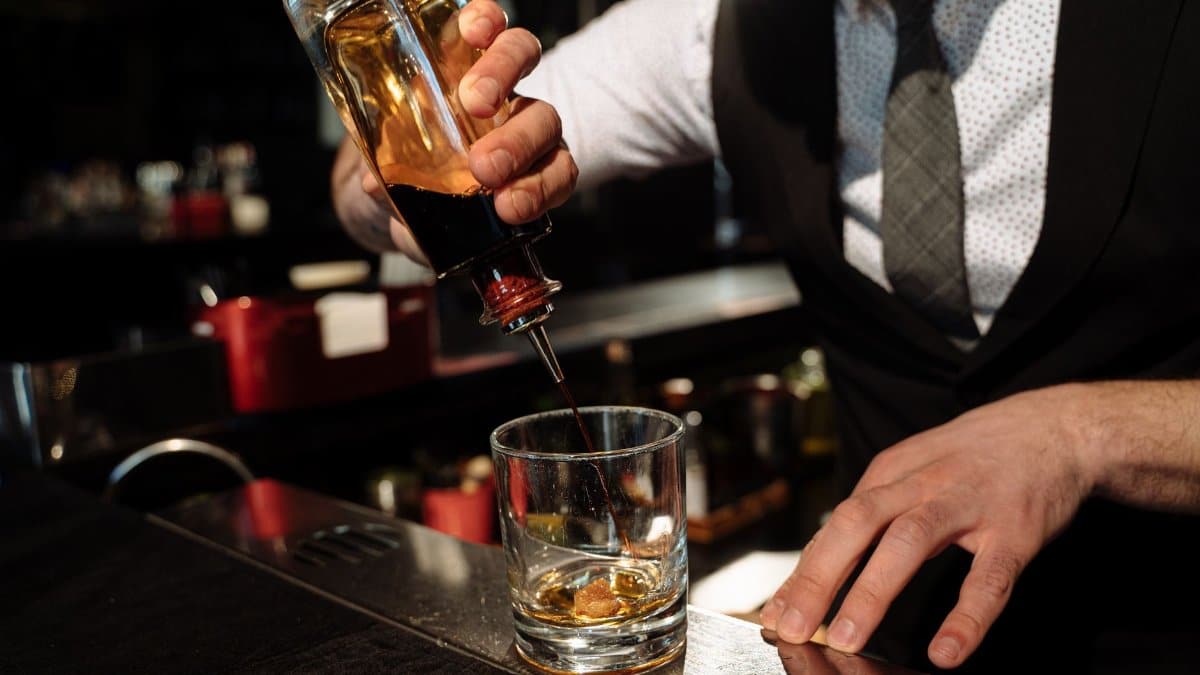
A cocktail, a beer, a glass of wine: these are small transactions with large effects. They slow people down. They give a couple a reason to wait while a stall finishes an order. They turn a quick bite into a longer stay, which is how a neighboring vendor sells a second plate or a dessert that would otherwise sit unsold.
When the bar program feels generic, imported, or half attended, the opposite happens. Guests treat the hall as a pass through. They eat, they leave, and the evening never quite starts. Operators who have watched this pattern in other cities describe it in plain terms. The kitchens can be excellent and the room can still feel unfinished if nobody is minding the social hour.
That is the logic behind handing every bar to one local group rather than leaving pours scattered among concepts that do not share a standard. One team can set hours, train staff, and decide what the room should feel like after the lunch rush dies. Fragmented service rarely does that work.
What local knowledge is supposed to fix
A hospitality group rooted in the city brings habits that a distant concept often misses. It knows which neighborhoods actually go out on a Tuesday. It knows what a fair price looks like after three years of sticker shock. It knows that a downtown guest may want a serious drink and also a nonalcoholic option that does not taste like an apology.
Local operators also tend to hire people who already understand the block. That sounds soft until you watch a bartender greet a regular by name and then send that regular toward a stall they have not tried. Cross promotion inside a hall is not a slogan. It is a person at a counter who has tasted the menu and can say so without reading a card.
None of this guarantees a turnaround. It does change the odds. A bar program designed for this city, rather than for a brand deck, has a better chance of matching how people here actually spend an evening.
Evening hours are the real product
Food halls that thrive usually master one unglamorous skill. They stay convincing after dark. Lighting, music, and a staffed bar do more for that than another mural. Guests decide in the first minute whether a room is meant for them at night. If the stools are stacked and the playlist has given up, they do not wait to be persuaded.
The new arrangement is aimed at that minute. A single operator can keep service consistent from one end of the hall to the other, instead of one corner buzzing while another goes dark. Consistency is not glamour. It is the thing that lets a visitor trust the place enough to bring friends next week.
Downtown still has to supply the friends. No pour list repairs an empty sidewalk. What a better bar can do is capture the people who do show up, and give them a reason to text someone else to come over.
Vendors need more than a pretty lunch
For the kitchens, the bar takeover is not a cocktail story. It is a traffic story. Many stalls in a hall like this signed on expecting a shared audience. They pay for a platform. If the platform only works at noon, the math collapses. Food cost, labor, and rent do not shrink because the dinner crowd stayed home.
A stronger drink program will not cook the food or fix a weak dish. It can lengthen the day. A guest who sits for a drink at 5:30 may order from a stall at 6. That extra ticket is the difference between a cook sent home early and a cook kept on the schedule. Vendors rarely say this in public, because optimism is part of the pitch, but they feel it in the weekly numbers.
The SF food hall model depends on that shared lift. When it fails, the failure is not abstract. It shows up as shortened hours, smaller menus, and eventually a dark stall with a paper sign.
The neighborhood is the audience, not a backdrop
Market Street and the blocks around a project like Saluhall are not a blank stage. They are a neighborhood with habits, frustrations, and a limited patience for concepts that feel flown in. Residents notice whether a place employs people they recognize. Office workers notice whether they can get in and out without a performance. Tourists notice whether the room feels cared for or merely open.
A local group taking the bars is a signal aimed at all three. It says the evening program will be run by people who have to live with the result, not by a template. Signals are cheap. Follow through is not. Guests will judge the ice, the greeting, the price of a beer, and whether anyone seems glad they came.
They will also judge the walk to the door. Safety, transit, and the mood of the street still shape whether a good drink is worth the trip. Hospitality cannot pretend those facts away. It can only make the inside of the room worth the effort once someone has already decided to try.
Margins that leave little room for romance

Anyone who has run a bar in this city can recite the costs without looking them up. Liquor, insurance, wages, breakage, and the slow leak of product that never quite gets ringed up. Food halls add another layer. The operator may not control the lease the way a standalone bar does. Shared utilities, shared rules, and shared reputational risk come with the address.
That is why this kind of deal is a bet with a short fuse. If the new team lifts check averages and keeps people in the seats, the hall gets a second chapter. If the seats stay empty, the group has taken on labor and inventory in a room that already proved difficult. Optimism is not a business plan. A clear view of break even traffic is.
Public talk around the change has stressed revitalization rather than spreadsheets. The spreadsheets will decide it anyway. Downtown revival stories have a way of outrunning the receipts. Readers should treat soaring language as a wish, not a result.
What a diner can actually see
Most guests will never know who holds the bar contract. They will know whether someone greets them before they reach the counter. They will know if the wine list has a point of view or a pile of familiar labels. They will know if the nonalcoholic drinks are considered or tossed off. They will know if the room gets warmer, in every sense, as the afternoon fades.
Those details are the whole strategy made visible. A local operator earns trust in small repetitions: the same good bitter orange in a spritz, a bartender who remembers a preference, a price that does not feel like a penalty for staying. None of that is exclusive information. It is the ordinary craft of hospitality, applied to a room that has needed more of it.
If the change works, the SF food hall will feel less like a collection of stalls and more like a place with a host. That shift is subtle. It is also the thing people describe later when they say a spot finally clicked.
The risks that a new pour list cannot erase
Concentration has a cost. One group running every bar means one culture, one set of hours, one point of failure. If that culture misses the neighborhood, the whole evening fails together. Scattered operators at least offered the chance that one corner might find an audience while another struggled. Unity is a strength only when the unified idea is right.
There is also the risk of promising nightlife to a lunch economy. Some guests want a fast meal and a train. Turning the room toward cocktails could alienate them if the kitchens start to feel secondary. The better version keeps both speeds: a counter for people in a hurry, and a bar for people who are not. Halls that pick only one speed tend to disappoint half their possible crowd.
Labor is the other quiet risk. Ambitious service requires enough people on the floor. Understaffed glamour is just a long wait with nicer glassware. A revival that cannot staff the plan is a press release.
How to read a revival before it is real

The honest way to watch this story is to ignore the adjectives for a month or two. Count the stools that are occupied at 6 p.m. on a Wednesday. Notice whether vendors extend hours or cut them. Listen for whether staff talk about the new bars as help or as another layer of management. Those are leading indicators. A grand reopening is not.
Journalists like a comeback because it has a shape. A struggling room. A local rescue. A city that wants downtown to feel alive again. The shape can be true and the outcome can still be modest. Modest would not be failure. A hall that reliably feeds a neighborhood, employs cooks, and pours a decent drink is already a civic good. It does not need to become a symbol.
San Francisco has had enough symbols. It could use more rooms that work on an ordinary night.
A narrower bet, and a fair one

Taking over the bars is not a plan to reinvent the entire hall. It is a narrower bet, which is why it is interesting. The group is not promising to solve downtown, transit, or the future of office work. It is promising to run the part of the room that turns a meal into a stay. If that part was the weak joint, fixing it is the right first move.
Readers who care about the food scene can hold two ideas at once. The SF food hall in question has struggled, and struggle in this market is not a moral verdict on the cooks. And a local team on the bars is a plausible correction, not a miracle. Plausible corrections are how cities actually change: one contract, one training shift, one fuller Tuesday.
I will be looking at the room the way any diner should. Not for a narrative of rescue, but for whether someone wants me to sit down. If the answer is yes, and if the stalls beside the bar get a share of that yes, then the takeover will have done the only job that counts.