
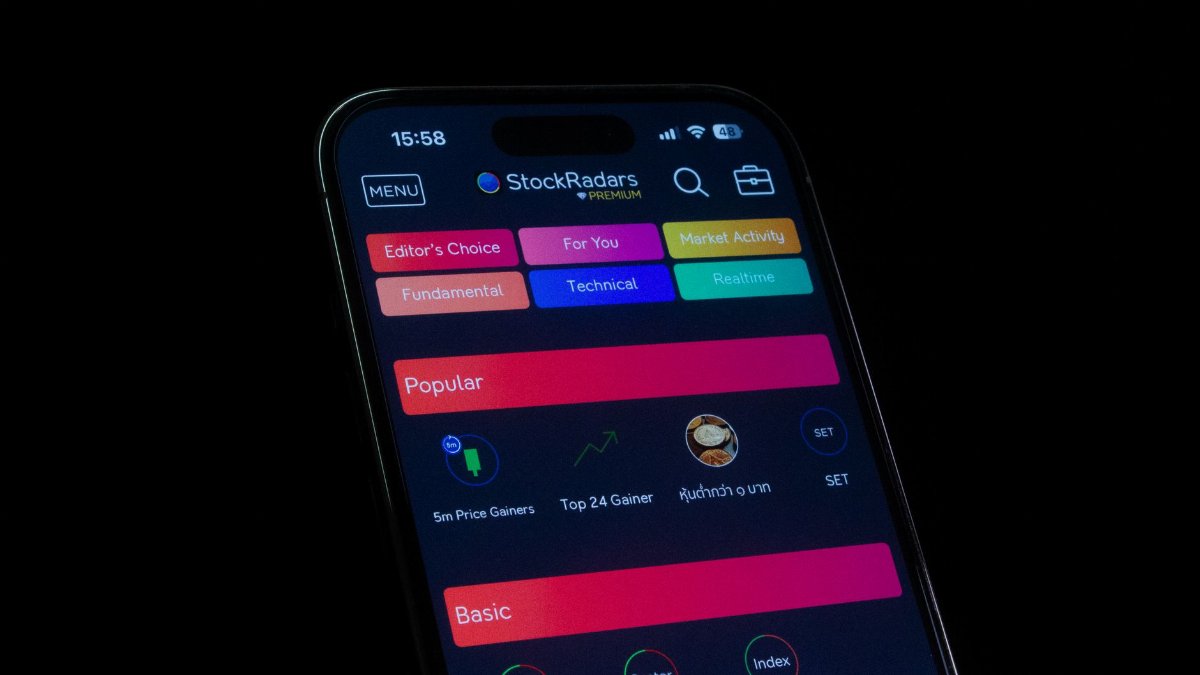
On a gray morning in Albany, a compliance officer described a new kind of worry that did not involve a briefcase or a whispered tip in a hallway. It involved a phone, a few taps, and a market that pays people to be right about the future. The phrase that kept coming up in those conversations was insider trading prediction, a shorthand for the fear that public employees could turn nonpublic knowledge into a wager. New York has now drawn a bright line. State workers may not use prediction apps in ways that trade on information gathered through their jobs.
A rule written for a market that did not exist
Prediction apps let users buy and sell contracts on events. Will a bill pass. Will a storm hit. Will a company announce a merger. The contracts look a little like sports bets and a little like finance, which is exactly why ethics lawyers have struggled to name them. For years, state codes spoke of stocks, bonds, and gifts. They did not imagine a clerk in a budget office placing a small stake on the timing of a spending announcement.
The new guidance closes that gap. It tells employees that information learned at work is not a private edge. If the public does not have it, it cannot be used to profit on an app, even when the stake is modest and the platform feels like a game. Officials framed the move as conflict prevention rather than a crackdown on curiosity. The point is simple. Government service and secret advantage do not belong in the same pocket.
What the policy asks of public employees
Employees covered by the rule include a wide range of people who touch sensitive facts. Budget analysts see revenue forecasts before they are released. Health staff learn about outbreaks, inspections, and contract awards. Transportation planners know which projects are about to be delayed. Legislative aides hear vote counts that have not been announced. Any of those facts can move a prediction market if enough people are watching the same question.
The policy does not require workers to delete every app from their phones. It requires them to stay out of contracts that their jobs could influence or illuminate. It also asks supervisors to treat these platforms as they would treat a brokerage account. If you would not buy the stock, you should not buy the contract. Training materials are expected to use plain examples so that a new hire does not have to guess where the line sits.
Why small stakes still matter

Some employees have argued that a twenty dollar position cannot corrupt a government. Ethics officials answer that corruption is not measured only in dollars. A worker who stands to gain from a delay has a reason, however small, to slow a memo or shade a briefing. Even when no one acts on that reason, the appearance can be enough to damage trust. Voters do not audit intent. They notice patterns.
There is also a collective problem. One modest bet is noise. A cluster of bets from people who share a building can look like a signal to outside traders. Platforms publish prices in public. A sudden move before an announcement can itself become a story, and then the state is explaining why its own staff were on the winning side. That is a headline no press office wants to write.
The blurry border with ordinary opinion

Not every forecast is a secret. A teacher who thinks a school bond will fail because neighbors are angry is offering a civic hunch, not an insider file. A commuter who expects a fare hike after reading the newspaper is using public facts. The hard cases sit in the middle. An employee reads a draft that is not final, hears a meeting that is not recorded, or sees a data pull that will be posted next week. Those fragments feel ordinary inside an office and valuable outside it.
The guidance leans toward caution in that middle ground. If the fact came through the job and is not yet public, it is off limits for trading. Workers who want to participate in markets are told to stick to questions far from their duties. A parks employee wagering on a national sports award is a different matter from a parks employee wagering on a land deal the agency is negotiating. Distance is the practical test.
How prediction markets changed the ethics conversation
Older insider trading rules grew up around Wall Street. They assumed a ticker, a broker, and a security with a legal definition. Prediction apps scrambled that assumption. Some are regulated as financial products. Some operate in a gray zone that courts and agencies are still mapping. For a state ethics board, the legal label matters less than the incentive. If money changes hands because someone knew something early, the harm to public confidence is the same.
Advocates of these markets say they aggregate dispersed knowledge and can even help governments see what informed people expect. That argument has force in open settings, where participants trade on news everyone can read. It loses force when one side of the trade works inside the institution that will decide the outcome. A market cannot be a neutral mirror if the people holding the mirror also hold the pen.
Training, reporting, and the fear of a mistake

Rules fail when people do not understand them. Agencies are being asked to fold the topic into annual ethics sessions that already cover gifts, outside jobs, and political activity. The sessions work best when they are specific. A slide that says avoid conflicts does less than a story about a contract on a bill the employee is staffing. Workers also need a place to ask questions without feeling accused. A hotline or an ethics inbox can catch problems before they become investigations.
Reporting duties are likely to follow the pattern used for financial disclosures. Senior officials already list investments. Some may now be asked whether they hold positions on event contracts tied to state business. Rank and file staff may not file those forms, but they remain bound by the conduct rule. The goal is not a new paperwork empire. It is a shared understanding that a prediction app is not a private hobby when the question touches the office.
Enforcement without a spectacle

Detecting a violation is harder than writing a memo. Platforms may sit outside state subpoena habits. Trades can be small, fast, and held under a personal email. Ethics bodies rarely have market surveillance desks. They rely on complaints, audits, and the occasional coincidence that is too neat to ignore. A worker who boasts in a group chat is more likely to be caught than a silent one. That is an uncomfortable truth, and it is why culture matters as much as punishment.
Penalties, where they apply, can include discipline, repayment, and referral to prosecutors if a trade also breaks criminal law. Most cases, if they arise, will probably look mundane. A reprimand. A required training. A reminder placed in a file. Spectacular prosecutions are a poor measure of whether a rule works. The better measure is whether people stop before they start.
What other public institutions are watching

New York is not alone in noticing the issue. Cities, universities, and federal offices have fielded questions from staff who saw ads for event contracts and wondered if a lunch break trade was allowed. Some institutions have issued short bans. Others have waited for regulators to settle the status of the platforms. The state approach is being read as a template because it speaks in conduct language rather than in brand names. A rule that names incentives can survive the next app.
Private employers face a cousin of the same problem. A product manager who bets on a launch date is not a public servant, but the company still owns the secret. Securities rules already cover classic insider trading. Event contracts may fall outside those rules depending on how they are structured. Compliance teams are reading the New York language for ideas, even when they are not bound by it.
Public trust as the real asset
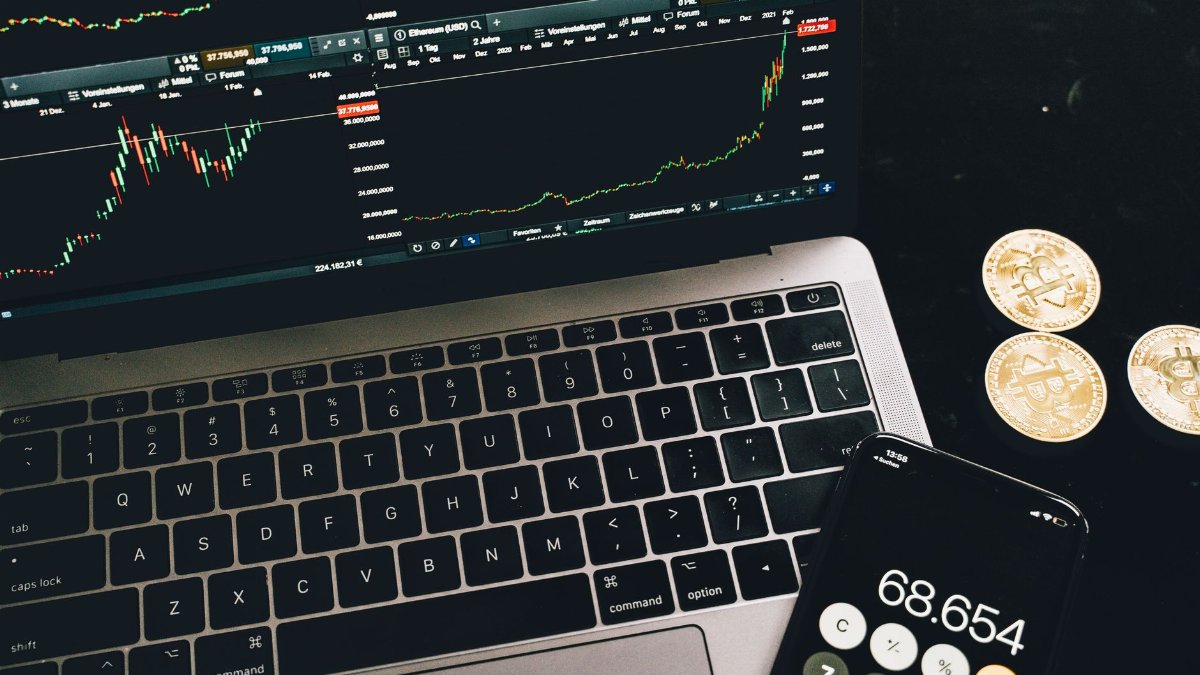
Government runs on a fragile assumption. Citizens assume that the people who see the numbers first will not shop them. That assumption is easy to mock and expensive to rebuild. A single well publicized case can color an entire agency, including the many employees who never opened an app. Ethics rules exist to protect the quiet majority as much as to restrain the careless few.
There is a personal cost on the other side. Public work already limits speech, gifts, and second jobs. Adding another limit can feel like one more reason talented people leave for the private sector. Officials who defend the rule argue that the limit is narrow. It does not police opinions posted online. It does not ban all speculation about the future. It bans cashing in on a trust the public did not place in a trading account.
Life after the guidance lands

In practice, the change will show up in small ways. An orientation packet gains a paragraph. A manager mentions apps in a staff meeting and gets a nervous laugh, then a real question. Someone deletes a position that suddenly looks too close to a project they staff. Someone else keeps trading on topics miles from their desk and sleeps fine. The culture shifts when those choices feel normal rather than heroic.
Journalists and watchdog groups will test the rule by asking what happens when a price moves just before a press conference. They should. Sunlight is part of the design. Agencies that answer plainly, and that show they trained people before the headlines, will fare better than agencies that discover the issue only after a screenshot circulates. Silence reads as guilt even when it is only confusion.
A wider caution about turning knowledge into a stake

The episode is also a story about how quickly a consumer product can collide with an old duty. Phones collapsed the distance between a confidential meeting and a market that never closes. That collapse will not be reversed by one state memo. It will be managed, imperfectly, by people who remember why they were trusted with the draft in the first place.
Readers outside government can take a simpler lesson. If your job gives you a peek the public does not have, do not sell that peek, in any costume. Call it a contract, a game, or a hunch. The costume does not change the exchange. New York has chosen to say that out loud, in the language of insider trading prediction, before a scandal forces the sentence. That is a quieter kind of news. It is also the kind that keeps larger news from having to be written.
Questions the rule does not yet answer
Some edges remain soft. What counts as public if a fact was mentioned in a meeting that was technically open but poorly attended. How should an employee treat a rumor that started inside the agency and then appeared, distorted, on social media. May a worker hold a contract that was legal when opened and later drifts close to a new assignment. These questions will be answered in advice letters, not in a single press release. That is how ethics systems usually grow. A principle arrives first. The footnotes follow the cases.
Until those footnotes exist, the safest reading is the plain one. Do not trade on what you learned because the state hired you. Do not ask a colleague for a hint you would not put in a public email. Do not treat a prediction app as a loophole wearing a friendly interface. The state has decided that insider trading prediction belongs outside the work of its employees. The rest is habit, training, and the daily choice to leave the market alone when the office is the source of the edge.