
On a weeknight in Boyle Heights, the lights stay on late in storefront churches and in the rooms above busy markets. People leaving work talk about rent, a relative waiting on a visa, a clinic visit that slipped, a block that feels less steady than it did a few years ago. Those conversations are the real campaign in California District 34, a seat that rarely decides which party runs Congress and yet decides, in close and daily ways, how federal power lands on one of the most densely lived parts of Los Angeles.
The ground under the district

The district is a compact urban map rather than a suburban expanse. It takes in downtown towers and older eastside streets, blocks of small apartments, historic commercial corridors, and hills neighborhoods where porches still function as public space. Residents include longtime families, new arrivals, students, service workers, professionals, and people who cross several of those categories in a single household. Spanish, Korean, English, and other languages share the same bus lines.
Party registration tells only part of the story. The seat is overwhelmingly Democratic, which means the meaningful argument is usually inside one party, not between two. Turnout can be modest. A determined slice of voters, especially in a primary, can shape the result. Anyone reading a national horse race graphic will miss the texture: this is a place where housing costs, clinic access, and immigration paperwork are not abstractions.
An incumbent with a long record

Jimmy Gomez has represented the area in Congress since a 2017 special election, after Xavier Becerra left the House to become California attorney general. Before that, Gomez served in the state Assembly. He is a Democrat with roots in Southern California and in a family of immigrants from Mexico, and he has built a reputation as a reliable progressive vote with close ties to labor.
Incumbency is a practical advantage as well as a political one. A member already in office can point to votes, constituent casework, committee work on taxes and health programs, and relationships that help move a local request through a federal agency. Critics answer that longevity can also dull urgency. In a safe seat, they argue, a representative can win without being fully present in every neighborhood fight. Voters will have to decide which description fits the years they have actually lived.
A challenger asking for a different standard

Angela Gonzales-Torres is running to replace him. A challenge inside a dominant party is a hard road. Name recognition, donor lists, and the benefit of the doubt all sit with the person already in office. The challenger has to give voters a reason to trade a known record for a promise, and she has to do it in a district where many people are working two jobs and do not have spare evenings for forums.
This guide will not invent a biography the campaign has not put in front of voters in a form they can check. What matters in the comparison is public and testable: what each candidate says about housing, immigration, health care, and public safety; how each would use a vote in the House; and whether each can explain the district without talking down to it. Readers should go to the campaigns, to recorded forums, and to official filings rather than to a single mailer.
Ethics questions and the duty to read the record

The race has drawn ethics questions aimed at the incumbent, the kind of charge that can fill campaign mail long before any formal conclusion. An accusation is not a verdict. It is also not something a serious voter should ignore because it is inconvenient. The responsible path is documentary. Financial disclosures, campaign finance reports filed with the Federal Election Commission, and any public notice from the House Ethics Committee are the sources that count. A press release from an opponent, or a denial from an incumbent, is a starting point, not the end of the inquiry.
Ethics in a local sense also includes smaller habits. Does the office return calls. Does the member show up when a neighborhood is arguing with a federal agency. Does the challenger offer specifics or only a mood of dissatisfaction. Trust, in a district this intimate, is built from those habits as much as from a headline.
Housing, work, and the cost of staying

Housing is the issue that organizes almost every other complaint. Rents and purchase prices have pushed workers farther from jobs, crowded multiple generations into single units, and fed the visible crisis of people living on sidewalks downtown and along freeway edges. Federal tools are limited but not empty. They include housing vouchers, tax credits for affordable construction, homelessness grants, and rules that shape how banks and developers behave.
Work sits beside rent. The district depends on restaurants, hotels, garment shops, hospitals, offices, and the informal labor that keeps all of them running. Wage standards, overtime enforcement, and the right to organize are not side issues here. A candidate who speaks only about development without speaking about the people who clean the buildings has not described the economy voters actually inhabit.
Immigration policy as a family matter
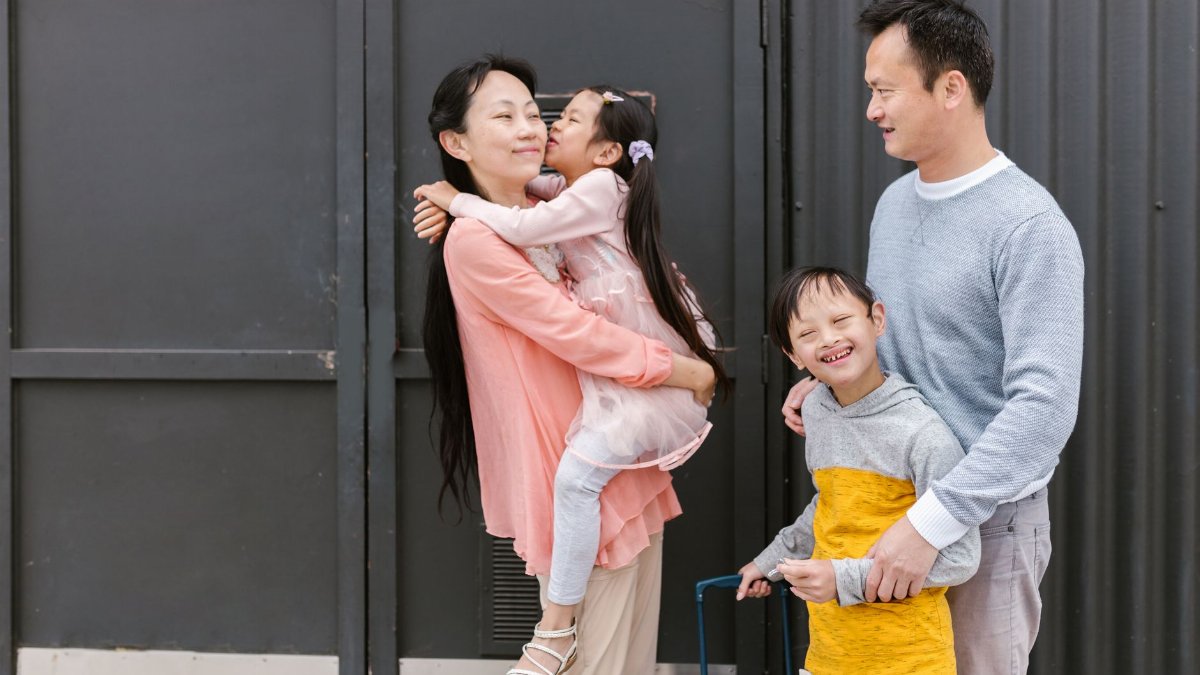
Immigration policy arrives in this district as family logistics. Mixed status households plan school pickups, medical visits, and job shifts around a legal system that can change with a national election. Churches and legal clinics absorb the fear when enforcement rhetoric hardens. Members of Congress do not run local police departments, but they vote on enforcement budgets, asylum rules, work visas, and paths to legal status.
Both candidates will be pressed to say what they would protect and what they would change. Voters should listen for precision. A promise to be humane is not a plan. A promise to be tough is not a plan either. The useful answer names a bill, a budget line, or a constituency the candidate is willing to disappoint.
Health, air, and the body of the city

Freeways, industry, and older housing stock have left parts of central and east Los Angeles with stubborn air and health burdens. Asthma, heat, and limited clinic hours are political facts, not only medical ones. Federal health programs, community clinic funding, and environmental rules shape what a family can expect when someone gets sick.
Public safety belongs in the same conversation, not in a separate culture war. Residents want streets where elders can walk and shopkeepers can close without dread. They also know what happens when enforcement is crude or when poverty is treated as a crime. A credible candidate can hold both thoughts without sliding into slogan.
Faith halls and other civic rooms
If there is a spiritual story in this election, it is not a story about doctrine. It is a story about rooms. Catholic parishes, evangelical congregations, Buddhist temples, and neighborhood mosques function as civic infrastructure. They host food distributions, grief, voter registration, and arguments about what a decent city owes its people. In a district where many residents distrust institutions, these rooms are often where political speech becomes personal.
That does not mean clergy should pick a winner, and it does not mean faith is a substitute for policy. It means a campaign that never enters those rooms, or that enters them only for a photograph, has missed where a large share of moral reasoning actually happens. Readers who care about spiritual life and public life can ask a simple question: which candidate treats those communities as partners rather than backdrops.
Money, message, and a seat that is safe but not sleepy

Money will not be evenly distributed. Incumbents usually raise more, from labor, from colleagues, and from donors who prefer access to a sitting member. Challengers often rely on smaller gifts and on the hope that dissatisfaction can substitute for cash. Federal filings, available through the Federal Election Commission at https://www.fec.gov/, show who is paying for the ads. That list is more informative than the ad itself.
California District 34 will not swing the House by itself. National strategists may treat it as settled. Local voters should not. A large margin can hide a thin mandate. If the incumbent wins easily, the win still sends a message about whether ethics questions stuck, whether housing anger found a vehicle, and whether the challenger built an organization that will matter again.
How California picks a winner

California uses a top two primary. All voters may participate, and the two candidates with the most votes advance to November even if they share a party. In California District 34, that rule often produces a Democrat against a Democrat, which forces a choice about temperament and record rather than about team colors. Official voter information, including registration deadlines and ballot materials, lives with the California Secretary of State at https://www.sos.ca.gov/ and with the Los Angeles County elections office.
The primary is where many safe seats are effectively decided, because the November field may exclude every alternative a voter wanted. Waiting for the general election is a habit that makes sense in a swing district and less sense here.
What a careful voter can do before casting a ballot
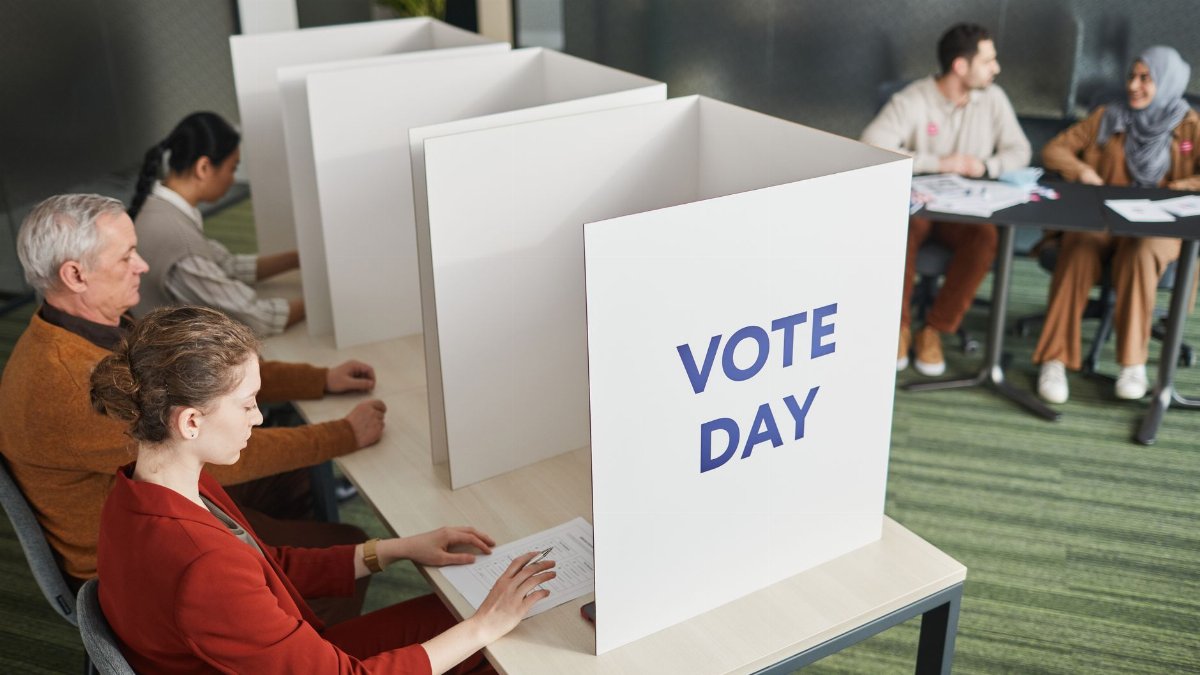
Start with the ballot, not with a social media clip. Read the candidate statements in the official voter guide. Watch at least one forum in full. Check finance reports. If ethics claims are in the air, look for a document from the House, at https://www.house.gov/, rather than a paraphrase. Ask each campaign how it would handle a constituent case, not only how it would vote on a famous bill.
Then vote in the primary as well as in November. Bring a neighbor who has opinions and no plan to act on them. California District 34 will be represented by someone after this race ends. The quality of that representation depends less on national noise than on whether the people who live with the result decide to treat the choice as their own.