
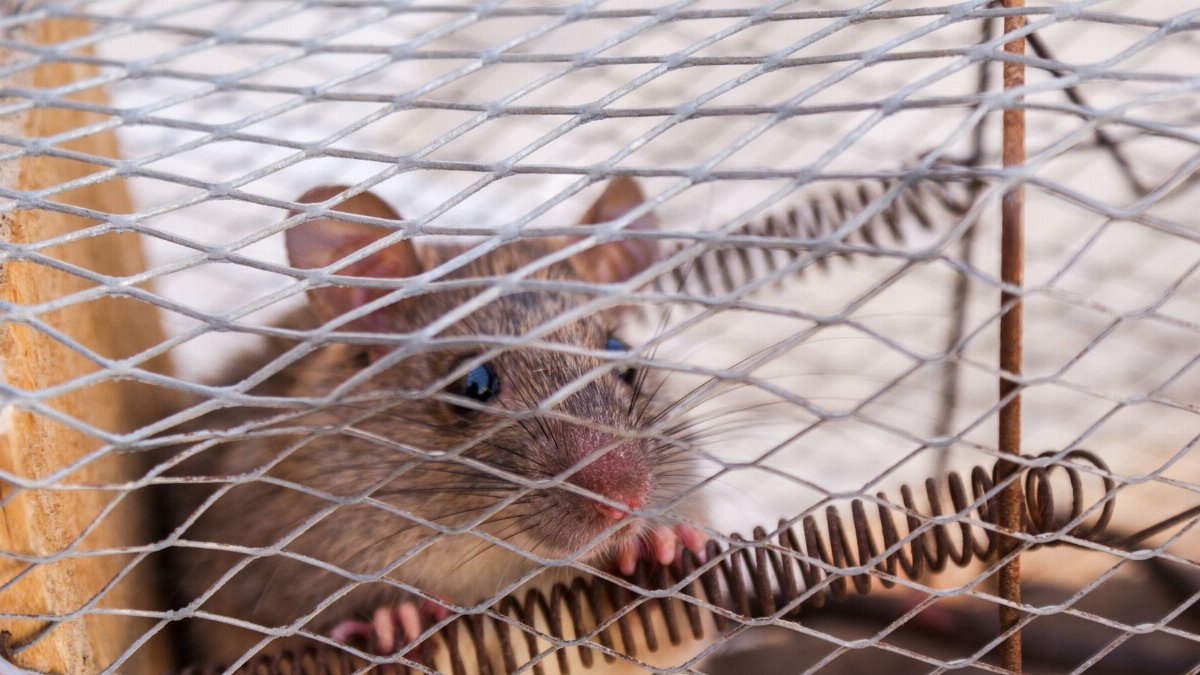
On a warm night in South Philadelphia, an alley behind a line of brick homes can look still until a bag twitches. Residents have spent years describing rats in basements, parks, and the shadows beside restaurant dumpsters, and the fight over remedies has grown louder. Animal advocates now argue that Philadelphia rat control should drop poison in favor of birth control for rodents. The promise is easy to picture. Fewer pups would mean fewer animals chewing wires, fouling food, and startling people on the walk home. Whether a contraceptive can actually shrink a city population is a colder question. It turns on biology, garbage, and the stubborn fact that no single product has ever solved an urban rat problem by itself.
What advocates want the city to try

People for the Ethical Treatment of Animals has urged Philadelphia to pilot a contraceptive bait instead of relying on traditional poisons. The group frames the request as both a welfare issue and a practical one. Rats, in this telling, should not die slowly from internal bleeding, and hawks, owls, dogs, and cats should not pick up poison secondhand. The proposed substitute is a commercial bait meant to make rats infertile when they eat it repeatedly. Supporters say a pilot in a few high complaint blocks would show whether births fall before the city spends more widely.
City officials, for their part, already field a steady stream of service requests about burrows, droppings, and nighttime noise. A contraceptive trial would not replace housing inspections or trash rules. It would sit beside them, as one more tool in a toolbox that has never been glamorous and rarely feels sufficient to the people living with the animals.
How rodent birth control is supposed to work

The product most often named in these debates is a flavored bait sold for use in locked stations. Rats are drawn to the taste. Over days and weeks, active ingredients interfere with reproduction in both sexes. Females produce fewer successful litters. Males lose fertility for a time. The animals keep eating, moving, and competing for space, but the next generation is smaller than it would have been.
That last point is the whole wager. A poison aims to remove adults quickly. A contraceptive aims to slow the replacement of those adults. Because Norway rats can breed young and often, a pause in births has to be wide and steady, or the math favors the rats. Miss a block, leave a station empty, or let neighboring colonies wander in, and the nursery fills again.
Why poison still dominates city practice

Municipal programs lean on anticoagulant baits because they are familiar, regulated, and fast enough to answer a complaint. A resident who finds droppings in a kitchen wants the animals gone this month, not after a breeding season. Health departments also worry about leptospirosis, salmonella, and the simple fact that rats thrive where food waste and shelter overlap. The Centers for Disease Control and Prevention describes prevention as a mix of sanitation, exclusion, and population control, not as a single product choice. Its overview of rodents is at cdc.gov/rodents.
Poison has a public record of failure modes, though. Rats can learn to avoid a bait. Poor placement wastes money. And second generation anticoagulants can linger in tissue, which is why wildlife rehabilitators sometimes trace sick raptors back to urban rodent campaigns. The Environmental Protection Agency regulates these products and has tightened rules on consumer uses over the years. Its rodenticide pages are at epa.gov/rodenticides.
What the evidence can and cannot promise

Laboratory work and field trials suggest contraceptive baits can cut fertility when rats eat enough of them for long enough. Manufacturers and some municipal pilots have reported fewer animals on treated blocks. Independent biologists tend to add a qualifier that does not fit on a flyer. Results track how completely the bait reaches the colony, how long the program runs, and whether food in the alley is more attractive than the station.
A contraceptive does not make existing adults vanish. A block can still look infested for months while births slow. If crews pull the stations early, surviving females resume the old schedule. Immigration is the other leak. Rats do not respect ward boundaries. A clean pilot next to a filthy lot can look like a scientific disappointment when it is really a geography problem.
That is why serious evaluations count burrows, track cards, and complaint trends over seasons, not over a news cycle. A short demonstration can prove that rats will eat the bait. It cannot prove that a whole city will feel the difference.
Garbage, shelter, and the part no bait can skip

Ask a pest manager what actually moves a rat map and the answer arrives before any brand name. Food and hiding places decide carrying capacity. Loose trash, overflowing dumpsters, cracked foundation walls, and cluttered yards set the ceiling. Remove those and the ceiling drops. Leave them and every control method, humane or lethal, is bailing a boat with the drain open.
Philadelphia, like peer cities, has experimented with tighter trash rules, later setouts, and harder containers. Those fights are political because they touch daily habit and small business cost. They are also the least cinematic part of Philadelphia rat control, which is why they lose airtime to poison versus birth control. A contraceptive station beside an open bag of rice is a courtesy the rats will ignore.
Exclusion matters in the same quiet way. Steel mesh on vents, sealed pipe chases, and door sweeps do not trend on social media. They do decide whether a basement stays a bedroom for a colony. Any pilot that skips building repairs will spend its budget feeding animals that still have a nest.
Pets, raptors, and the case against bleeding baits
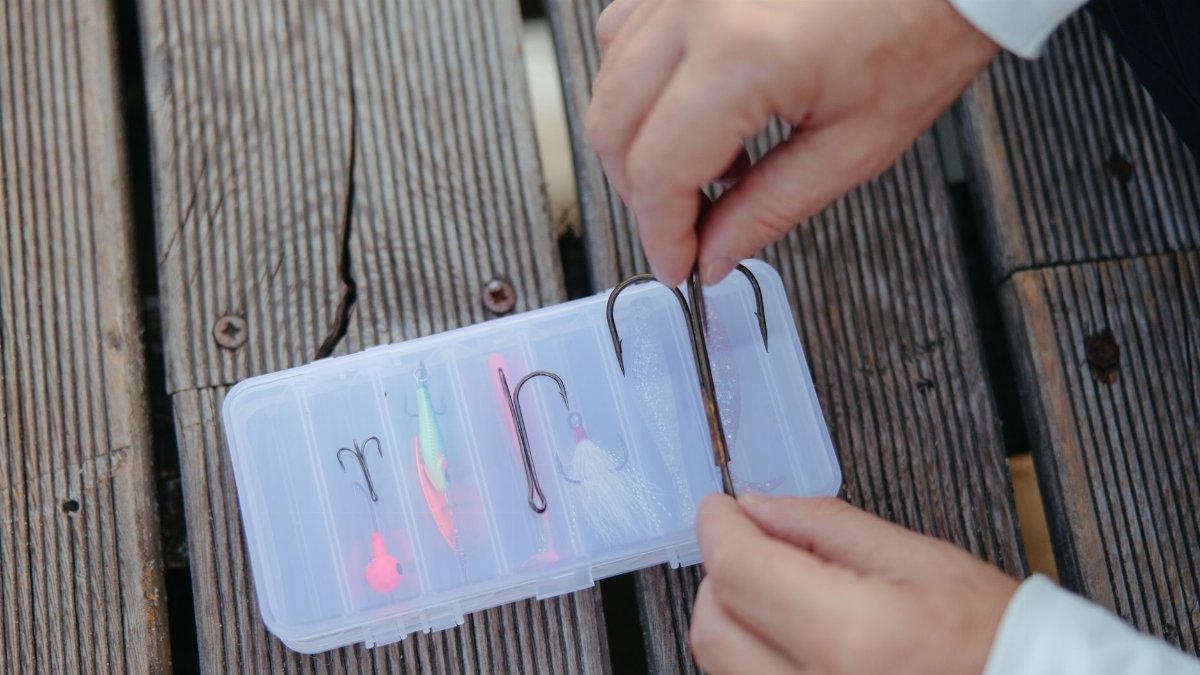
The moral argument from advocates is not abstract to people who have lost a dog or watched a hawk fail. Anticoagulant baits are designed to kill rodents that eat them. Predators and scavengers can suffer if they eat those rodents. Locked stations reduce the chance that a child or a pet reaches the bait directly. They do not erase the food chain problem.
Contraceptive baits are not automatically harmless. They are still chemicals, still meant to be eaten by a target species, and still capable of being sampled by nontarget animals if stations are broken or bait is spilled. The welfare gain, if the product works as intended, is that the rat is not poisoned to death and the secondary risk of a blood thinner moving up the food web is lower. Regulators still expect labels, stations, and trained applicators. Humane is not the same word as casual.
What other cities have learned the hard way

New York, Washington, Boston, and a scatter of smaller cities have tested fertility control alongside trapping and sanitation, often on a few blocks rather than across a whole map. The pattern that emerges is modest and repetitive. Where crews keep stations filled, limit competing food, and stay for more than one breeding season, activity can drop. Where the pilot is a press event with thin follow through, the rats outlast the headline.
Those trials also show a communications trap. Residents hear birth control and imagine a switch that replaces exterminators. Crews on the ground still need traps for animals inside walls, still need to close burrows, and still need legal tools when a property owner refuses to clean up. A city that promises a gentler era and then leaves a family with rats in the stove will lose trust faster than it loses rodents.
Money, labor, and the unromantic budget line

Contraceptive bait is not a one time purchase. Stations have to be mapped, checked, refilled, and protected from vandalism. Staff time is the expensive part, just as it is with poison routes. A fair pilot would publish the cost per block, the complaint trend, and the inspection record for trash and structural holes. Without those numbers, Philadelphia cannot tell a success from a subsidy to a vendor.
There is also the question of who pays when the rats live on private property that the public experiences as a street problem. Landlords, restaurants, and the city already argue over that split. A new product does not dissolve the argument. It adds a line item. If the line item only covers bait and not evening trash enforcement, the program will look innovative and perform like the old one.
What would count as working

A useful test would pick corridors with documented complaints, pair them with similar untreated streets, and hold sanitation effort constant so the bait is the variable. Crews would log bait consumption, burrow counts, and trap catches for at least a year. They would also log nontarget incidents, station damage, and whether interior infestations fell or merely shifted. Public health staff, not only the vendor, would own the data.
Working would not mean zero rats. Cities do not get zero rats. Working would mean fewer successful litters, fewer repeat complaints, and no new harm to pets and wildlife that outweighs the gain. If those marks are missed, the honest response is to stop, not to rebrand the pilot. If they are hit, the city can widen the map without pretending poison, traps, and trash rules have become obsolete.
The argument residents are actually having

Under the product debate sits a simpler demand. People want to sleep without scratching in the walls, and they want the city to treat that as ordinary governance rather than a quirk of urban life. Advocates are right that needless suffering, of rats or of the animals that eat them, should count. Property owners are right that a philosophical preference does not remove a colony by Friday.
Philadelphia rat control will keep failing if it is staged as a purity test between poison and birth control. The animals respond to calories and cover. A contraceptive may earn a place in the routine if a careful pilot shows fewer births without new collateral harm. It will not earn that place on a slogan. The alley does not care which side sounds kinder. It cares whether the bags are sealed, the walls are closed, and the next generation is smaller than the last.