

On a humid Tuesday evening outside Houston City Hall, the line of speakers stretched past the metal detectors and into the dusk. Some carried printed remarks. Others held children on their hips and waited for a turn at the microphone. Inside, council members were preparing to vote on ICE policy amendments after the governor warned that refusal could cost the city a fortune in public safety money. The room was not loud so much as tense, the kind of civic quiet that arrives when a local vote is asked to carry a national argument.
A vote shaped by a funding threat

Houston City Council approved changes tied to how local officers interact with federal immigration authorities. The action followed a warning from Gov. Greg Abbott that the city could lose about 114 million dollars in public safety grants if it failed to align with state expectations. For a city that already stretches patrol budgets, overtime, and victim services across a vast geography, that figure is not abstract. It is payroll, equipment, and programs that residents notice only when they disappear.
Mayor John Whitmire, a former state senator with a long record on criminal justice, framed the matter as a practical choice rather than a symbolic one. His allies on the council argued that Houston cannot afford a standoff with Austin while violent crime, traffic deaths, and staffing shortages remain daily concerns. Critics answered that practicality can become a cover for surrender, and that a city built by migrants should not rewrite its posture under pressure from the Capitol.
What the ICE policy amendments actually touch

The ICE policy amendments do not invent a new police force, and they do not hand city jails to Washington. They adjust the rules that govern when Houston officers share information, honor detainers, or assist federal agents during encounters that begin as ordinary local matters. Those rules sound technical until a traffic stop, a domestic call, or a workplace dispute becomes the moment a person is asked about status.
Supporters say clearer rules reduce confusion for officers who have been left to improvise. They argue that ambiguity invites lawsuits from every direction: from the state if the city is seen as obstructive, and from residents if an encounter goes wrong. Opponents say clarity can still be cruelty. A written procedure, they note, can make cooperation routine even when the underlying arrest is minor and the person has deep roots in a neighborhood.
Council debate returned again and again to the difference between serious crime and ordinary life. Almost no one defended shielding people accused of violence. The fight was over the wide middle, the cases that fill municipal calendars and do not make headlines until an immigration hold attaches to them.
Abbott, grants, and the leverage of the state

Abbott has spent years pressing cities to cooperate more fully with federal immigration enforcement. The threat attached to Houston was specific: public safety grants, the kind that underwrite equipment, training, and specialized units. In Texas politics, money is often the instrument that turns a preference into a mandate. A letter can be ignored. A hole in next year’s budget cannot.
City budget staff, according to accounts from the hearing, walked members through what a loss of that scale would mean. It would not close the police department. It would force choices among programs that already compete for scarce dollars. Victim assistance, crime labs, and technology upgrades sit in the same conversation as patrol strength. Cutting any of them has a constituency.
That is the governor’s leverage, and it is also the mayor’s dilemma. Refuse, and explain to neighborhoods why a grant vanished. Comply, and explain to immigrant families why the city moved. Whitmire chose the second explanation, betting that voters who want both safety and inclusion will accept a narrower reading of inclusion if the alternative is a fiscal crisis manufactured in Austin.
The advocates who filled the chamber
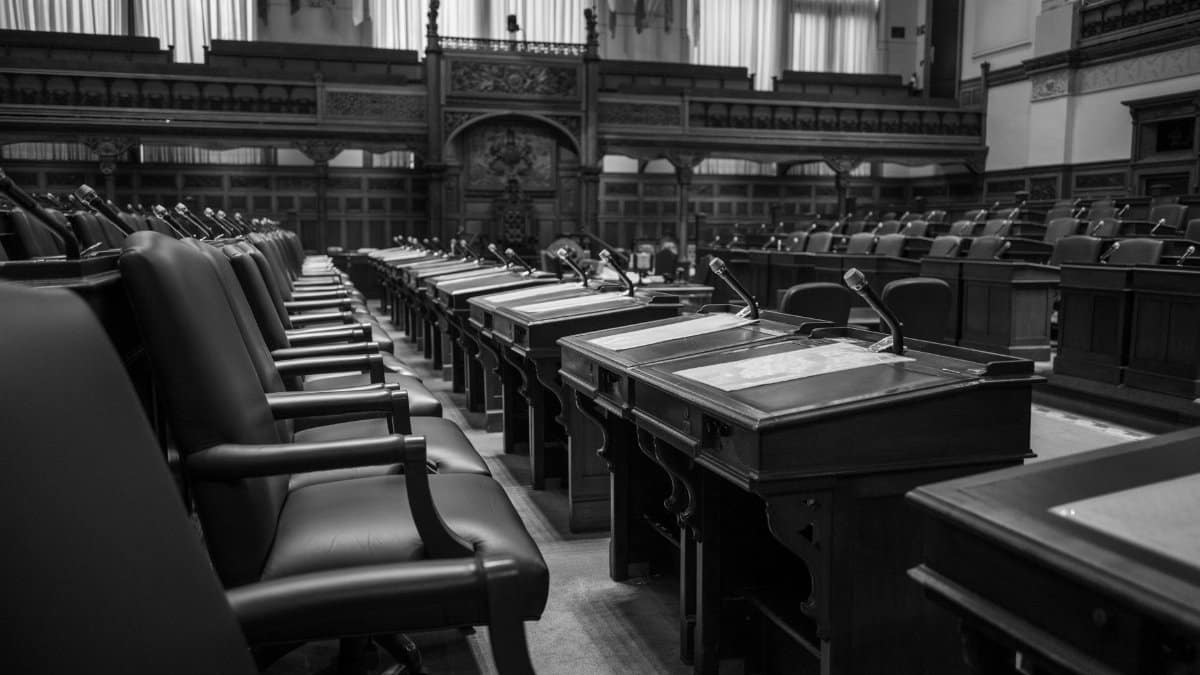
Immigrant advocates did not treat the vote as a technical cleanup. They treated it as a signal. Speakers described parents who already avoid hospitals, schools, and even reporting a burglary because they fear that any contact with government can end in detention. Several said the ICE policy amendments would deepen that silence, and that silence is itself a public safety problem.
Faith leaders were prominent in the line, which fits a city where congregations often do the work that agencies cannot. A pastor from the north side spoke of parishioners who clean offices downtown and then drive home wondering whether a broken taillight is now a doorway to deportation. A rabbi urged the council to remember that hospitality is not a slogan but a habit, and that habits change when official policy tells people they are provisional.
Not every opponent was an activist by profession. A small business owner said his kitchen depends on workers who have lived in Houston longer than some council members have held office. He did not ask the city to defy federal law. He asked it not to volunteer for a role that turns every local interaction into an immigration screening.
Officers in the middle of the argument

Police leadership has its own interest in predictable rules. Officers already juggle state law, departmental policy, and the expectations of a public that does not speak with one voice. Union representatives have long complained that city hall sends mixed messages and then blames the street when a stop becomes a scandal. From that vantage, written amendments can look like protection rather than politics.
Rank and file reality is messier. A call about a fight outside a club is not a seminar on federalism. The officer who arrives has minutes, not a legal memo. If policy now points more clearly toward cooperation, some encounters will end differently than they would have a year ago. Whether that difference improves safety or merely shifts fear from one group of residents to another is the question the vote cannot settle by itself.
Department officials told the council that cooperation on serious offenses is already common. The amendments, they suggested, mostly codify practice and reduce the chance that an individual officer guesses wrong. Advocates heard a different verb. Codify, they said, is how an exception becomes the norm.
Money, programs, and the people who use them

The 114 million dollar figure deserves a slower look, because large round numbers can obscure what grants actually buy. Public safety funding in a city this size touches forensic work, youth intervention, domestic violence response, and the unglamorous technology that lets detectives share case files. Lose a slice of that support and the pain arrives unevenly. Neighborhoods with fewer private resources feel it first.
Council members who voted yes spoke about those programs as if they were hostages. That language angered opponents, who argued that Austin chose the hostage taking and Houston chose to pay. Both descriptions can be true at once. A mayor can resent a threat and still decide that resisting it would punish people who had no vote in the governor’s strategy.
Fiscal hawks on the council added a colder note. Houston’s budget is already tight. Property tax politics, pension obligations, and a growing population leave little room for symbolic defiance. In their telling, the ICE policy amendments are the price of keeping lights on in buildings that residents of every status rely on when something goes wrong.
Law, courts, and the limits of a city ordinance
No city council can repeal federal immigration statutes, and no governor can conscript municipal officers as if they were state troopers without a legal fight. The amendments sit in that narrow corridor. They try to satisfy state pressure without inviting a fresh wave of litigation from residents who believe the city has gone too far.
Lawyers who spoke during public comment predicted lawsuits either way. If the city had refused, the state might have moved to withhold funds and dared Houston to sue. By complying, the city may face challenges arguing that local policy now conflicts with constitutional protections or with earlier assurances made to immigrant communities. Litigation is slow. Policy on the street is not. Families will live with the new rules long before a judge writes an opinion.
Legal scholars who follow Texas municipal fights often note that these disputes are less about a single clause than about who gets to define cooperation. That definition has migrated from police manuals to campaign speeches. Houston just wrote its version under a deadline set by someone who does not sit on the council.
A mayor with a different coalition than his predecessor

Whitmire did not run as a tribune of the activist left. He ran as a manager who could talk to business, to labor, and to voters tired of spectacle. The vote fits that brand. It also tests it. Houston’s immigrant communities are not a niche. They are a pillar of the workforce, the school system, and the tax base. A mayor who treats their fear as collateral damage may find that managerial calm reads as indifference.
His defenders say he is doing what a big city executive must do when the state holds the purse. They point to his history of criminal justice reform in the Legislature and argue that one constrained vote does not erase it. His critics say history is not a shield. They want to know whether future disagreements with Abbott will meet the same calculation, and whether 114 million dollars is now the price of every principle.
How the rest of Texas is watching
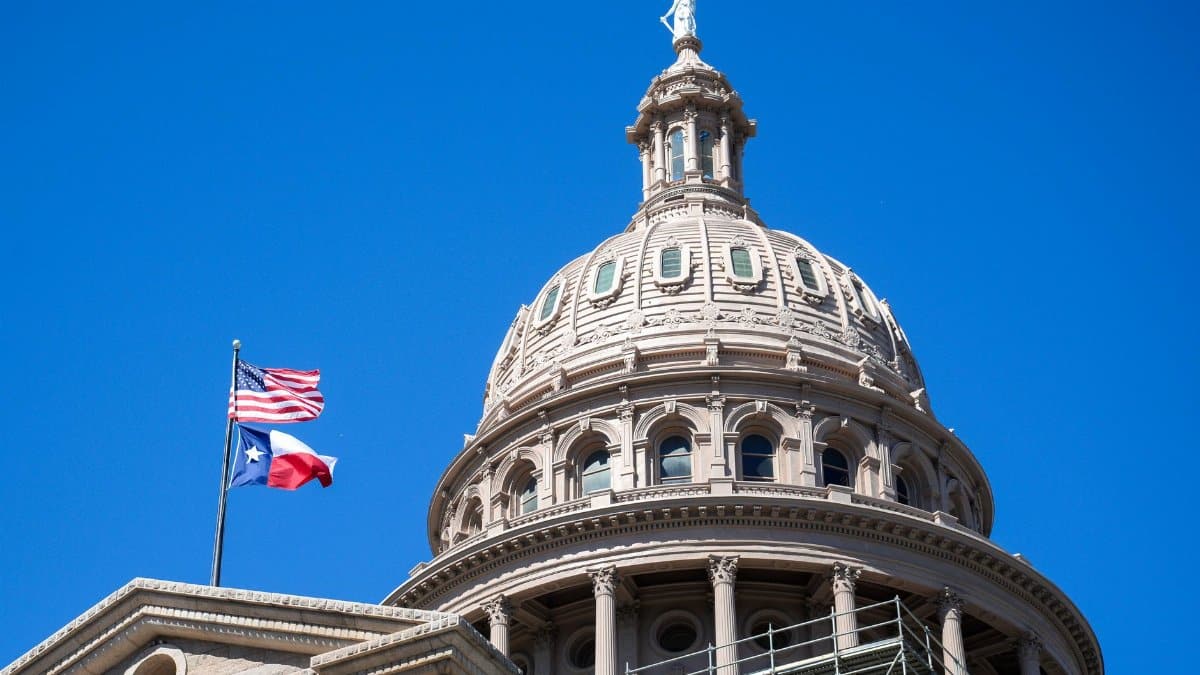
Other cities will read Houston’s choice as a template or as a warning. Smaller councils lack Houston’s legal staff and media attention, which makes them more vulnerable to a funding threat and less able to negotiate the fine print. If the state’s largest city accepts amended cooperation rules, Austin can cite that acceptance the next time a suburb hesitates.
Democratic officials outside City Hall were careful in the first hours after the vote. Some praised the mayor for protecting grants. Others stayed quiet, unwilling to own a decision that will be played in campaign ads far from Houston. Republican leaders treated the outcome as validation. In their version, pressure worked, and the ICE policy amendments prove that even a Democratic city will move when the alternative is losing public safety dollars.
That spin flattens a more interesting fact. The council did not vote with one mood. Members described the same text as prudence, as coercion, and as the least bad sentence in a bad paragraph. Close votes on immigration rarely produce converts. They produce records that opponents will quote for years.
Fear, trust, and the work of daily life

Policy language rarely captures what changes on a Saturday morning. A parent deciding whether to report a hit and run. A tenant deciding whether to call code enforcement. A witness deciding whether to stay at a scene until an officer arrives. If those decisions tilt toward withdrawal, the city loses information that no grant can replace.
I have covered enough municipal hearings to know that both sides can be sincere and still talk past each other. One side hears a detainee and thinks of a victim left behind. The other hears a detainee and thinks of a worker whose children attend the school down the block. Houston contains both pictures in the same zip codes. The amendments do not choose a picture. They choose a procedure, and procedures have favorites even when their authors deny it.
Congregations, legal clinics, and neighborhood groups will now do what they often do after a vote they dislike. They will translate the text into Spanish, Vietnamese, Chinese, and Arabic. They will tell people what has changed and what has not. That informal civic infrastructure is part of Houston’s resilience. It is also evidence that official policy has outrun trust.
What comes after the gavel

Implementation will matter more than the speeches. Training bulletins, dispatch scripts, and the habits of jail staff will decide whether the ICE policy amendments function as a narrow tool for serious cases or as a wider net. Council members who voted yes have a duty to watch that translation. A yes vote is not a vacation from oversight.
Abbott, for his part, has little incentive to declare the matter finished. A successful threat invites another. If Houston’s compliance is read as weakness, the next demand may arrive with a different dollar figure and a shorter clock. If compliance is read as statesmanship, the governor may still campaign on the idea that only pressure produces cooperation. Either reading keeps the city inside a fight it did not start.
Residents who protested are unlikely to let the issue fade into the budget appendix. They will track arrests, detainer requests, and any case that looks like a minor offense becoming a removal. Data, if the city publishes it plainly, could cool the argument or inflame it. Silence would do neither. It would only confirm the suspicion that the vote was meant to end the conversation rather than begin a more honest one.
A city large enough to hold the contradiction

Houston has always sold itself as a place that works first and argues later. The port, the energy corridor, the hospitals, and the strip centers along long avenues depend on people who arrived from somewhere else and stayed. That economic story sits awkwardly beside a political story in which cooperation with immigration enforcement is treated as a test of loyalty to the state.
The council tried to split the difference and discovered that differences this sharp do not split cleanly. The ICE policy amendments are now on the books, the grant threat is at least temporarily answered, and the protesters have a text to organize against. None of those facts resolves the moral question underneath the hearing: whether a city owes its first duty to the budget it must pass or to the neighbors who fear that budget’s conditions.
Middle aged Houstonians who have watched this fight recycle for a decade may be tempted to call the vote inevitable. Inevitability is a comfort, not an analysis. The council had choices, each of them costly. It chose the cost that shows up in trust rather than in a missing grant line. The coming months will show whether that trust can be rebuilt, or whether the city has purchased fiscal calm by spending something harder to itemize.