

On a Tuesday evening in Oakland, the utility envelope still lands with the same dull weight. The charge for electricity is higher than it was a few winters ago, the gas line is not the relief it once seemed, and the credit that used to soften both has grown thinner. For PG&E customers, that thinning is not a private mishap. It is a statewide accounting decision that, this year, removes about 93 million dollars from the rebates meant to offset gas and electric bills.
A smaller line on a familiar statement

Most people do not read a utility bill as a policy document. They look for the total, then for the one number that moves in their favor. In California that favorable number has often been the climate credit, a rebate drawn from the sale of pollution allowances and returned to households on gas and electric accounts. When that credit shrinks, the rest of the bill does not politely shrink with it. The result is a quieter kind of increase, the sort that never arrives as a headline rate hike and still leaves less money for groceries, rent, and the ordinary repairs a house always seems to need.
The reported reduction of 93 million dollars is large in aggregate and modest on any single statement. That is the cruel arithmetic of utility relief. A sum that would fund a small city program becomes a few dollars, or a few tens of dollars, once it is divided across millions of meters. Households feel the absence. Spreadsheets barely register it.
What the climate credit was built to do

The credit grew out of the state cap and trade system, which requires major polluters to hold allowances for their emissions. A portion of the money raised by those allowances is meant to flow back to residents, on the theory that energy consumers should not bear the full cost of a cleaner grid without some return. Electric credits have typically appeared twice a year. A gas credit has often arrived in spring. The design is simple enough to explain at a kitchen table and complicated enough to confuse almost everyone who tries to budget around it.
For years the credit functioned as a political and practical promise. Lawmakers could say that climate policy was not only a cost. It was also a check, however small, written back to the people who pay the bills. When the check gets smaller, the promise needs a new sentence.
Why the pool of rebate money contracted
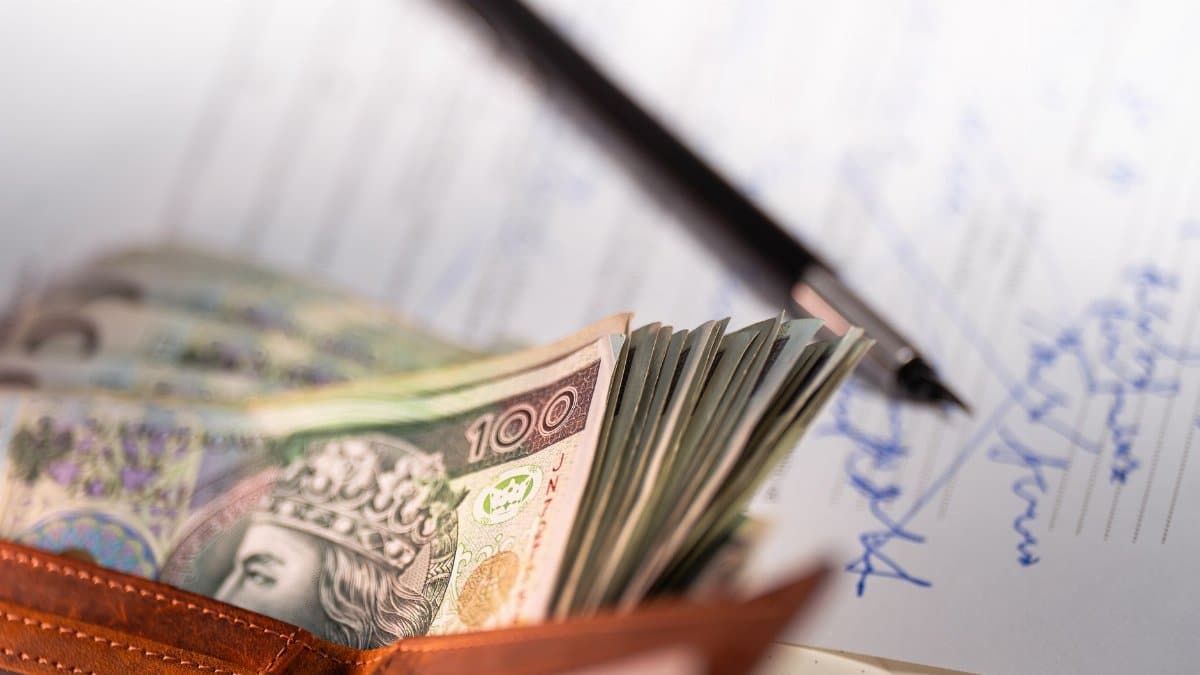
Rebate totals move with allowance revenue, with how the state splits that revenue, and with decisions about which programs deserve the next dollar. A weaker auction, a shift of funds toward other climate or affordability efforts, or a change in how credits are calculated can all reduce what shows up on a bill. None of those choices is invisible. Each is made in hearings, workshops, and budget language that almost no ratepayer will ever read.
The California Public Utilities Commission remains the agency most people should know by name if they want to follow the money, and its public site at https://www.cpuc.ca.gov/ is where orders, workshops, and customer notices eventually land. The commission does not set the weather and it does not print household income. It does decide, within state law, how some of the relief is shaped and when customers are told.
Gas and electric as one household problem
Policy often treats gas and electricity as separate ledgers. Families do not. A winter that is cold and wet raises the gas bill. A summer that is hot and smoky raises the electric bill, especially in homes that now rely on cooling they rarely needed a generation ago. A rebate that covers both fuels, even imperfectly, matches the way people actually live. A cut that touches both fuels matches that life just as closely.
Bay Area households sit in a particular bind. Many renters cannot swap an old furnace or add insulation without a landlord. Many owners face bids for electric appliances that dwarf any seasonal credit. The rebate was never a renovation plan. It was a cushion. Remove part of the cushion and the hard costs remain exactly where they were.
Who notices ninety three million dollars

A reduction of that size will not be felt evenly. Customers on medical baseline rates, households in poorly sealed apartments, and families already choosing between a full payment and a partial one will notice first. So will small businesses on commercial rates that never qualified for the residential credit and still compete in the same local economy. The people least likely to notice are those for whom a utility bill is an autopay line, reviewed once a year if at all.
That split matters for politics. Relief programs survive when a broad public can see them. They wither when they become too small to mention and too technical to defend. PG&E customers who once circled the credit on a paper bill may stop looking for it. Silence is not the same as consent.
The Bay Area math at the table

Consider a household that heats with gas and cools with a window unit or a heat pump. The spring gas credit and the electric credits were never enough to erase a bad month. They were enough to matter in a tight one. If those credits fall, the family does not receive a letter that says your life just got harder by a precise percentage. The bill simply totals higher than the memory of last year, and memory is a poor accountant.
Regional prices make the gap sharper. Housing already consumes a stunning share of income from San Jose to Vallejo. Energy is not the largest bill for most people. It is one of the few that can jump without a lease renewal or a grocery choice. When rebates drop, they drop into that unprotected space.
What regulators still owe the public
Transparency is the least expensive form of relief and the one most often skipped. Customers deserve a plain explanation of why a credit changed, in language that does not require a docket number. They deserve to know whether the money moved to another program that will reach them later, or whether it simply is not there. They deserve notice before the statement arrives, not a footnote after the payment is due.
Utilities have a role that is narrower than the public sometimes assumes and wider than the companies sometimes admit. PG&E applies rates and credits under rules it does not fully write. It also communicates those rules, offers payment plans, and decides how clearly a credit is labeled. A muddy label turns a public benefit into an accident of accounting.
Steps that still belong to the household

No article should pretend that a smaller rebate can be solved by better habits alone. Still, a few practical moves remain available, and they are worth naming without the false cheer of a tips list. Customers can confirm that they are on the correct medical or income qualified rate if they are eligible. They can ask about a level payment plan so a thin month does not become a crisis. They can check whether a community solar or local assistance program, separate from the climate credit, applies to their address. They can read the credit line on the next two statements and keep the bills, because memory will not win an argument with a call center.
None of that restores 93 million dollars. It does keep a household from missing a benefit that still exists under another name.
The larger fight over who pays for a cleaner system

California has asked its residents to finance a transformation of the energy system while also asking them to absorb wildfire costs, grid upgrades, and the ordinary expense of keeping lights on. Rebates were one way to say that the asking had a limit. A smaller rebate does not end that argument. It restates it in dollars that are easier to ignore and harder to live with.
There is a fair version of this future and an unfair one. The fair version returns climate revenue visibly, protects low income households first, and does not hide a cut inside a program most people barely understand. The unfair version celebrates long range climate goals on Monday and trims the only line item a family can recognize on Tuesday. PG&E customers are living inside that choice whether or not they asked to.
What the next statement will not say

The next bill will not explain cap and trade. It will not recount the hearings. It will not mention the other families sharing the same reduction. It will show usage, rates, taxes, and a credit that is smaller than some people remember. The story of that credit is a story about trust. When a state tells people that climate policy comes with a return, and then the return shrinks without a clear sentence, trust thins along with the dollar amount.
Journalists can tally the 93 million. Regulators can defend the allocation. Companies can point to the tariff. None of those acts replaces the moment when someone in a kitchen decides the bill is no longer a system they can follow. That moment is already arriving, quietly, in envelopes across the Bay Area. PG&E customers deserve a fuller account than a smaller number on a line they used to trust.