
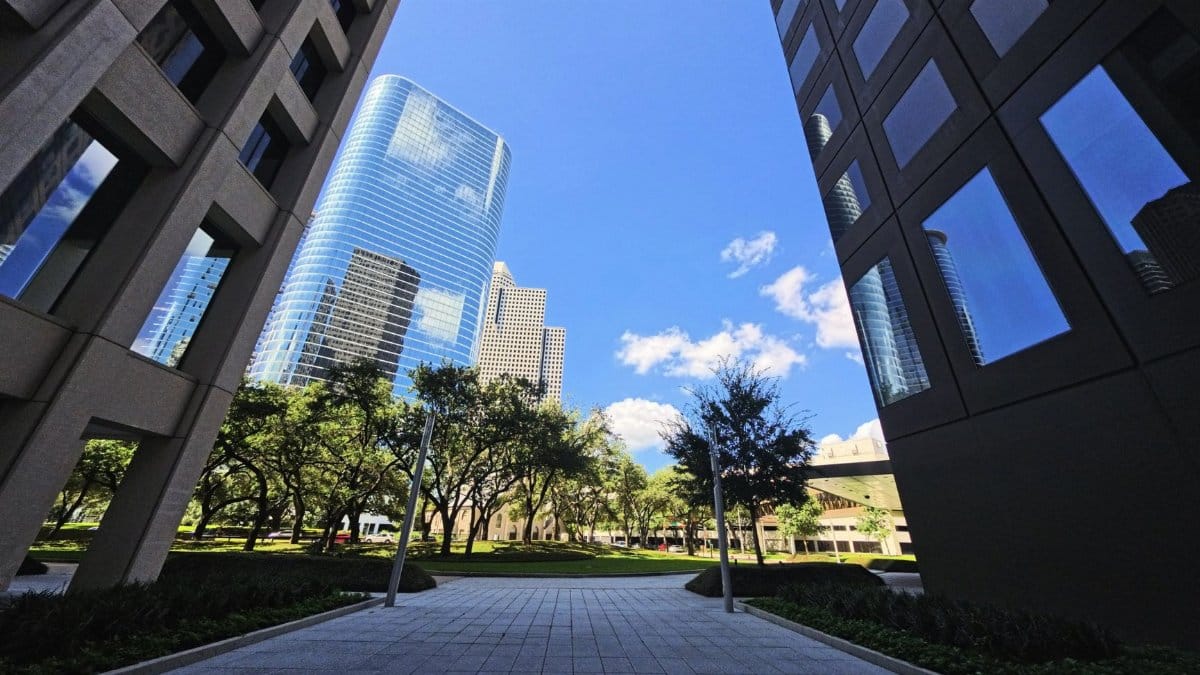
On a Thursday evening in Montrose, a man stepping out of a grocery store paused with his keys in his hand and looked up, as if the sky had changed its mind. The air was not cold yet. It was only less heavy, the kind of shift Houston notices before the thermometers do. By the weekend, that subtle change may become something the city has not felt in months: a Houston cold front with a real chance of pulling overnight temperatures into the 40s.
A question the city asks every fall

Could Houston temperatures drop into the 40s this weekend? The honest answer is that it is possible, and also that possibility is not the same thing as a promise. Coastal Texas sits at the edge of several air masses. A surge of cooler air can arrive with confidence on the maps and then stall, mix, or weaken once it meets the warm water of the Gulf. Residents have learned to treat early cool forecasts as invitations rather than contracts.
That caution does not make the question trivial. After a long run of warm nights, even a modest drop rearranges how people sleep, dress, and move through the day. A low in the 40s would not be historic. It would still feel like a door opening.
What forecasters are actually watching

The useful forecast is less a single number than a sequence. A front has to clear the region, winds have to turn, clouds have to thin enough for heat to escape after sunset, and the cooler air has to stay in place through the small hours. If clouds linger, or if a light southerly flow returns too soon, the floor under the temperature rises. Houston often loses its coldest hours to that return flow.
Daytime readings matter in a different way. A pleasant afternoon in the 60s or low 70s can coexist with a chilly dawn, or it can signal that the air mass never fully settled. People planning outdoor plans tend to remember the afternoon. Gardeners, parents packing school clothes, and anyone who walks a dog before sunrise remember the dawn.
How Gulf air negotiates with a northern push

Houston does not experience cold the way Dallas or Oklahoma City does. The city is close enough to the Gulf that maritime air is always nearby, ready to modify whatever arrives from the north. A Houston cold front is therefore a negotiation. Drier air can sweep in and drop humidity fast, which is often the first sensory clue. Temperature follows, sometimes reluctantly.
That negotiation explains why two neighborhoods can tell different stories on the same morning. Spots farther inland, away from the warming influence of the water, tend to cool more efficiently under clear skies. Areas nearer the bay and the coast may stay several degrees milder. A forecast that says the 40s are possible is often describing a range across the metro, not a single reading for every porch thermometer.
Why the 40s would feel sharper than the number
Forty eight degrees is not extreme on a national map. In Houston, after nights that have hovered near 75 or warmer, it can feel abrupt. The body calibrates to recent weather. Houses do too. Many homes are built to shed heat, not to hold it. Tile floors, large windows, and thin insulation that feel like relief in August become liabilities when the air finally thins.
Humidity is the other half of the sensation. A dry 50 can feel crisper than a damp 45. If the front scours moisture out of the air, the weekend may feel cooler than the official low suggests. If moisture hangs on, the same number can feel raw in a different way, the kind of chill that settles into a cotton shirt and stays there.
The first weekend that asks for a real jacket

Closets in this city contain a peculiar archaeology. Summer clothes dominate. Then there is a small, slightly neglected shelf of sweaters bought during a brief cold spell and rarely worn since. A weekend with lows in the 40s is often the moment those sweaters come back into circulation, sometimes with a faint smell of cedar or last winter’s detergent.
The social rhythm changes with them. Restaurant patios that were abandoned at noon in August fill up again. Youth sports feel less like endurance tests. People linger on sidewalks. None of this requires a freeze. It requires only that the air stop pushing back.
Sleep, and the small luxury of an open window
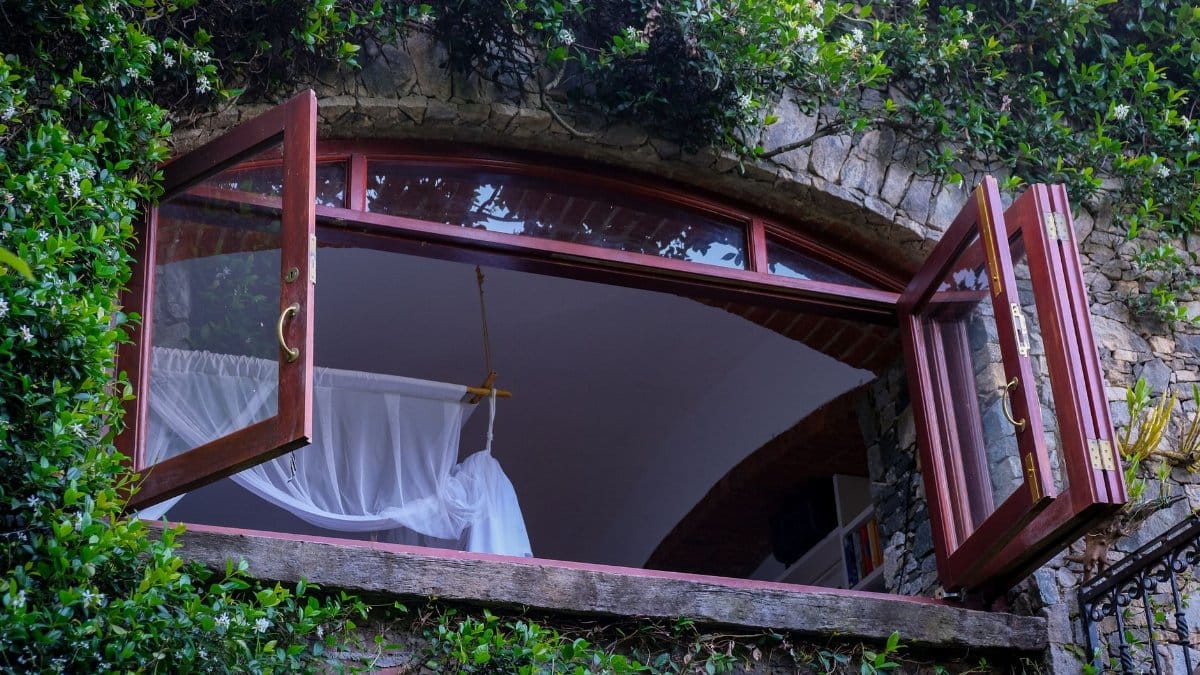
Ask longtime residents what they want from the first cool night and many will not mention parks or sweaters. They will mention sleep. Air conditioning is a constant companion here for much of the year, a low mechanical presence that people stop hearing until it switches off. An open window, even for a few hours, changes the sound of a house. Traffic seems farther away. The room smells like outside.
That luxury has limits. A temperature that feels perfect at 10 p.m. can be too cool by 4 a.m., especially for children and older adults. The practical move is less romantic than the impulse: a light blanket within reach, and a plan to close the window if the house drops faster than expected. The pleasure is real either way.
Plants, pets, and the edges of a mild chill

A night in the 40s is not a hard freeze, and it should not be described as one. Tender tropical plants can still sulk after a sharp cool down, particularly if they are in exposed pots that lose heat faster than ground soil. Covering the most sensitive containers is a reasonable precaution when the forecast leans cold, without treating the weekend like a winter emergency.
Pets notice the shift too. Short haired dogs that spend evenings outside may want a shorter walk or a warmer spot. Outdoor water bowls are unlikely to freeze in the 40s, but animals accustomed to warm nights can seem restless. The adjustment is mostly about comfort, not crisis. That distinction matters in a city where weather talk can escalate quickly.
Pipes, power, and the memory of worse cold

Houston carries a specific memory of cold that failed the city, not merely inconvenienced it. Any mention of falling temperatures brushes against that memory, even when the forecast is only for the 40s. It is worth being plain. A weekend low above freezing is not the same event as a prolonged freeze that threatens pipes, roads, and the power grid. Preparing for a sweater weekend should not be confused with preparing for a winter storm.
Still, the milder event is a useful rehearsal. People remember where the extra blankets are. They notice a draft they ignored in September. They check whether a space heater stored since last year still works, without needing it yet. Those small inventories are part of how a Gulf Coast city stays ready for the rarer nights that do turn dangerous.
What the Houston cold front does to daily plans
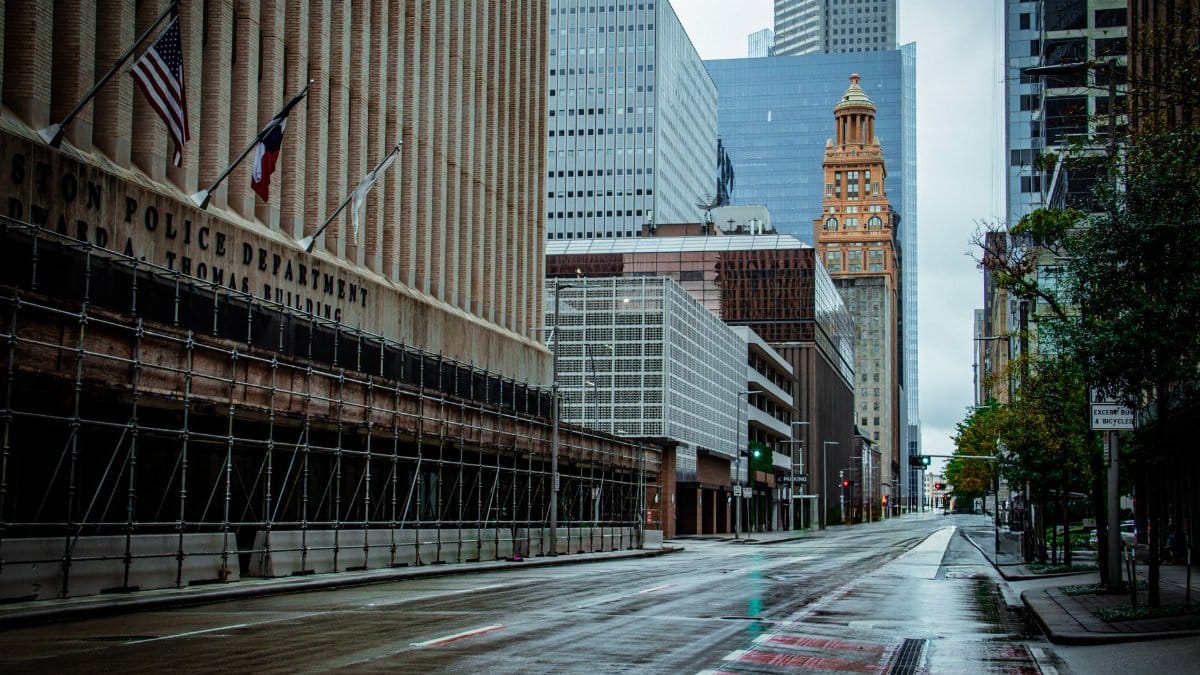
Schedules bend around temperature here more than outsiders sometimes expect. A Houston cold front can move a Saturday morning run from a survival tactic to an actual pleasure. It can make a farmers market feel worth the drive. It can also surprise anyone who dressed for the afternoon and stayed out past dark. The spread between the warmest and coolest hours may be the detail that matters most.
Schools, sports leagues, and outdoor vendors tend to watch that spread. A comfortable kickoff does not guarantee a comfortable fourth quarter. Families who pack layers, rather than a single outfit chosen at noon, usually have the better evening. The forecast is a range. Clothing should be one too.
Reading the sky without performing certainty

Weather communication fails when it treats a probability as a verdict. It also fails when it hides the interesting part, which is the mechanism. Clear skies after the front passes favor colder mornings. Clouds do the opposite. Wind direction after midnight is a tell. So is the dew point, that less famous number that reveals how much moisture remains to buffer the drop.
Readers do not need a meteorology degree to use those clues. They need a forecast that says what would have to happen for the 40s to verify, and what would keep the city in the 50s instead. That kind of explanation respects attention. It also reduces the whiplash that comes from a headline number changing by a few degrees between Thursday and Saturday.
A city that measures seasons by contrast
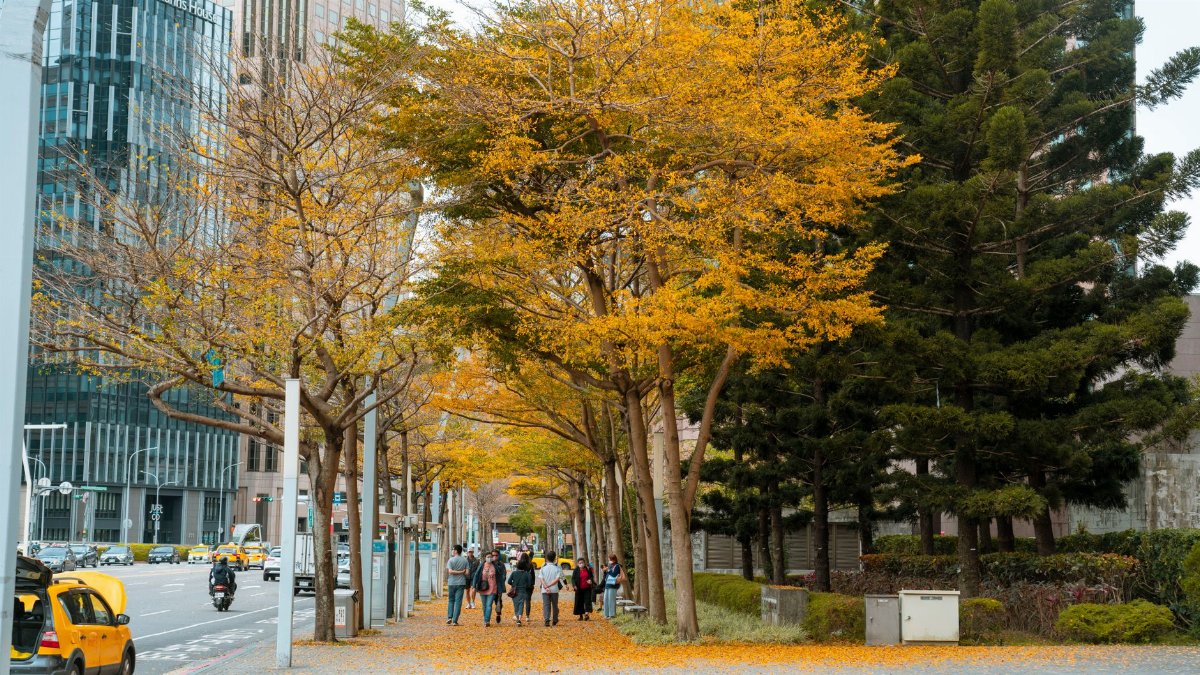
Houston does not get a long, cinematic autumn. Leaves do not stage a uniform turning. The season arrives in pulses: a dry afternoon, a cooler night, a return to warmth, then another push of northern air. Against that pattern, the first notably cool weekend since spring carries more meaning than the raw data suggest. It marks time.
People will argue, as they always do, about whether the cool air will last. Some will declare fall officially open. Others will wait for a second and third front before they trust it. Both instincts are local wisdom. One weekend does not rewrite the climate of a subtropical city. It does offer a pause, and pauses are scarce here.
The weekend as a temporary agreement
If the cooler air arrives and holds through the early morning hours, Houston may wake to the crispest air it has felt in a long stretch. Coffee will taste better outside. Cars will not feel like ovens. The city will move a half step slower at dawn and a half step happier by midmorning. If the air mass modifies and the lows stay in the 50s, the weekend will still likely feel kinder than the weeks behind it.
Either outcome is worth describing without exaggeration. The Houston cold front approaching this weekend is not a storm story. It is a story about contrast, about a place that spends so much of the year negotiating with heat that a simple cool morning can feel like news. The question of the 40s will be answered by Saturday night and Sunday dawn, one porch thermometer at a time.
How to meet the morning if it comes

There is no need for elaborate preparation. A light jacket by the door, a blanket on the couch, and a glance at the morning temperature before choosing what to wear will cover most households. Plants in exposed pots can be pulled closer to a wall or covered if the forecast firms up on the cold side. Outdoor plans can shift an hour later if dawn looks sharp.
The rest is attention. Step outside before the day fills in. Notice whether the air is dry or still soft. Notice how quiet a house sounds when the cooling system rests. If the 40s arrive, they will not stay forever. In Houston, that is part of their value. The cool air is a visitor. The sensible response is to answer the door.