
On the morning early voting opened across Miami Dade, poll workers taped up signs, tested machines, and handed out pens while one familiar name was already gone from the municipal contest. The North Miami mayor was disqualified from the ballot as voting began on October 19, after officials concluded that eligibility rules had not been met. For residents who had planned a simple choice at the top of the local ticket, the day arrived with a blank where a campaign had been.
A city learns the news at the worst possible hour

Municipal elections rarely draw the noise of a statewide race, yet they decide who hires the manager, who sets the tax rate, and who answers when a street floods. North Miami, a compact city of neighborhoods, small businesses, and long civic arguments, treats the mayor’s office as the public face of those choices. Removing that name on the first day of early voting is not a clerical footnote. It changes the menu in front of every voter who walks in expecting a contest that has already been advertised on signs, in church bulletins, and in group chats.
The disqualification, as described in local reporting, turned on eligibility rather than on a late surge of ballots or a broken machine. That distinction matters. A technical failure can be fixed by a technician. An eligibility finding says the candidate should not have been in the field at all, or at least not under the rules the city charter and state election law require. Voters are left to sort rumor from ruling while the calendar keeps moving.
What early voting still asks of people
Early voting exists so that work shifts, caregiving, and long commutes do not decide who gets a say. In Miami Dade, sites open on a published schedule, and a voter may cast a ballot at an approved location rather than waiting for Election Day. None of that machinery pauses because one contest has been altered. Supervisors still have to print or program ballots, train staff, and explain why a name some people expected is absent.
The practical burden falls on the person at the check in table. A voter may ask whether the race is canceled, whether a replacement will appear, or whether a protest vote is possible. Staff can point to the ballot in front of them. They cannot rewrite a qualification decision in the voting booth. Clarity, repeated in plain language, is the only remedy that travels as fast as confusion.
How a candidate leaves the ballot

In Florida municipal races, getting on the ballot is a sequence, not a single form. A person typically must be a registered voter, meet residency and other charter tests, file qualifying papers on time, submit an oath, and complete financial disclosure. City clerks and county election offices review what is filed. Challenges can come from opponents, from residents, or from the filing officer’s own review. Courts sometimes enter the picture when a candidate disputes a rejection or when a rival asks a judge to enforce the charter.
Eligibility is a gate, not a popularity contest. A well funded campaign, a stack of endorsements, and years in office do not cure a missing qualification if the governing rules say the person cannot run. That is cold language for a hot local fight, and it is also the point of written standards. They are meant to apply before the speeches, not after the votes are counted.
Readers who want the controlling documents should start with the city charter and with the Florida Division of Elections at https://dos.myflorida.com/elections/ and the Miami Dade Elections Department at https://www.miamidade.gov/global/elections/home.page. Those pages will not replace a specific order in this case, but they show the ordinary path a name must travel before it is printed.
Why timing turns a legal question into a civic one
A disqualification in July is painful for a campaign and mostly invisible to casual voters. A disqualification on October 19 is a public event. Sample ballots may already have circulated. Volunteers may already have knocked on doors. People who voted by mail may have marked a choice that no longer matches the ballot their neighbors will see. Election administrators then face a second problem layered on the first: not only who may run, but how to treat ballots already in the system.
State and local procedures usually spell out what happens to votes for a candidate who is later removed, and those procedures can differ by the stage of the election and by the reason for removal. This article will not invent a holding that has not been set out in the public record of this dispute. The responsible claim is narrower. When the legal status of a name changes after voting has started, officials owe the public a written explanation, a consistent instruction to poll workers, and a way for voters to see the same facts the campaigns see.
The office that sits above the argument

The mayor in North Miami is not a ceremonial ribbon cutter alone. The office sits inside a council manager style of local government common in Florida cities, with day to day administration often resting with an appointed manager and with policy fights landing in public meetings. Still, the mayor’s vote, agenda influence, and visibility shape which problems become official business. Housing costs, code enforcement, policing, parks, and the long relationship with county and state agencies all pass through that room.
When the North Miami mayor is kept off the ballot, the city does not lose a government. It loses a choice about who will occupy a particular seat for the next term. Remaining candidates, if any remain, inherit an electorate that arrived angry, confused, or simply tired of process stories. That is a hard way to begin a term, and it is also how local democracy sometimes works: imperfect ballots, binding results.
Communities that measure trust in person

North Miami’s civic life is not confined to City Hall. Churches, mosques, temples, block associations, and family networks carry political information faster than any press release. In a category of public life that people often describe in moral terms, a late disqualification can sound like favoritism even when it is only a clerk applying a rule. Faith communities and neighborhood elders become informal interpreters. They are asked whether the process was fair, whether a challenge was sincere, and whether staying home is a protest or a surrender.
Those conversations deserve better than slogans. A rule that removes a candidate can be both lawful and badly timed. Residents can hold both thoughts. They can demand the paperwork and still show up for the races that remain. Local elections are won and lost in the gap between cynicism and habit. The habit of voting is harder to rebuild than any single campaign sign.
What campaigns can and cannot do next

A disqualified candidate may seek review, may urge supporters toward another contender, or may try to continue a message outside the ballot. None of those paths reprints a name that election officials have removed. Rivals may be tempted to treat the vacancy as a gift. Voters tend to notice gloating. The more durable move is to explain, in specific terms, what the remaining field would do with the office: budgets, appointments, and the unglamorous work of answering residents who feel ignored.
Write in efforts, where the law allows them, are harder than they look. They require a precise name, a coordinated instruction, and a voter willing to slow down in the booth. They are not a magic repair for a flawed qualifying season. Anyone urging that route should cite the current ballot instructions rather than a social media graphic.
Lessons for the next qualifying period
Cities that want fewer October surprises can tighten the front end. Publish charter eligibility tests in plain language months before papers are due. Give clerks enough time and legal support to reject incomplete filings before campaign season hardens. Encourage early challenges so courts are not asked to referee a race after voting has begun. None of this guarantees a quiet election. It does reduce the chance that a residency date, a disclosure form, or a registration detail becomes breaking news beside a polling place.
Candidates share that duty. Incumbency is not a substitute for reading the charter again. A person who has held the office should be the last to discover, in public, that a requirement was missed. Supporters who raise money and book stages should ask the dull questions first. Where do you live, for how long, and which papers are already accepted?
How to read the next headline

Local political news moves quickly, and secondhand summaries move faster. If a later order restores a name, narrows a ruling, or explains a residency calculation, that order should outrank any recap, including this one. The Miami Herald’s community coverage remains the closest daily record of North Miami government. County election notices remain the record of where and when to vote.
Until those documents say otherwise, the fact pattern in front of voters is stark. Early voting opened on October 19 with the mayoral name removed for eligibility reasons. Other contests, if they are on the same ballot, did not vanish with it. The city still needs a result. The people who live there still need a government that can be questioned in public.
Showing up when the ballot feels unfinished
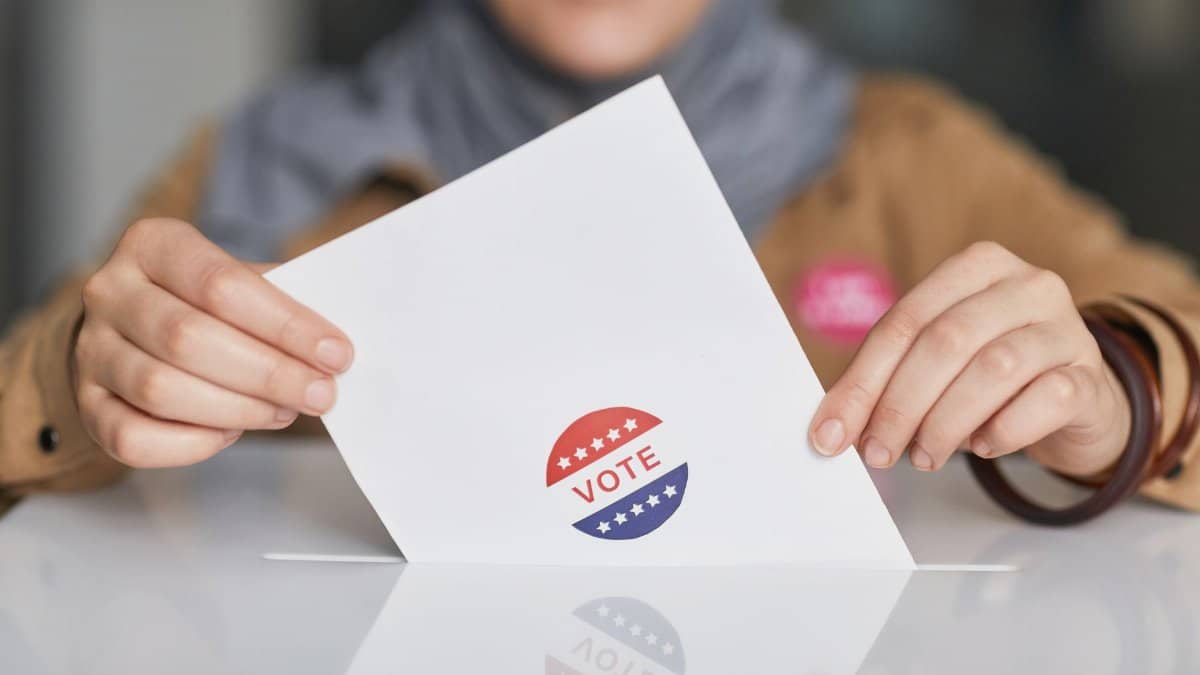
There is a temptation, after a disqualification, to treat the whole election as tainted and to stay home. That choice has a concrete effect. It hands the remaining races to whoever still organizes. It also teaches the next challenger that process fights are a substitute for turnout. A healthier response is narrower and more stubborn. Read the ballot you are given. Ask the poll worker what the official instruction is. Vote the offices that are still open. Follow the written ruling when it is posted, not the loudest voice in a thread.
North Miami has argued about development, identity, and basic services for years, often in more than one language, often with more passion than the countywide press bothers to notice. Those arguments do not pause because a qualifying decision arrived late. They move into the next meeting, the next budget, and the next chance to replace the people who hold the gavel. The ballot on October 19 was smaller than many residents expected. The duty attached to it was not.