

On a cold evening in north Minneapolis, a neighbor calls because someone on the block is shouting at passing cars and will not come inside. City policy, rewritten after 2020, says the first people through the door should be clinicians rather than officers carrying guns. That promise now sits in political limbo. The Minneapolis mental health crisis response program has no settled contract, no calm transition plan, and no shared account of whether the model is working as residents were told it would.
A program built to change who shows up

Behavioral crisis response was sold as a practical alternative to a police default. Unarmed teams of mental health workers would take certain 911 calls, talk people down, connect them with care, and keep low level distress from becoming a jail booking or a fatal encounter. The city hired an outside vendor to staff the service, a choice that let officials move faster than a full civil service buildout would have allowed. Speed had a cost. The public mission and the private contract became the same thing. When the contract frays, the mission frays with it.
For families who have waited on a porch for help, the acronym and the procurement language do not matter. They want a calm voice, a person who knows how to de escalate, and a ride to somewhere safer than a squad car. The program was meant to offer that. It still does on many shifts. What it no longer offers is certainty that the same door will be open next month.
The vote that froze the next chapter
The immediate shock came at City Council. Members rejected a new vendor contract that would have carried the service forward under fresh terms. Supporters of the rejection argued that renewing or replacing the deal without a harder look would lock in weak oversight, thin staffing, and fuzzy performance measures. Opponents warned that a no vote without a ready substitute would strand callers and the workers who answer them. Both fears can be true at once. A council can be right to distrust a contract and still wrong to leave a street level service without a bridge.
Local coverage, including reporting in the Star Tribune, has described the program as caught between that rejection and a possible mayoral veto. A veto would not magically write a better agreement. It would send the fight back into a smaller room, with the same unresolved questions about cost, quality, and who is accountable when a response goes badly. Residents are left watching City Hall argue over paper while the night shift still has to roll.
What an audit forces into the open

An audit of how these calls move through 911 has sharpened the argument. Audits rarely invent a crisis. They document one that workers and frequent callers already feel. The useful question is not whether every number in a report flatters the city. It is whether leaders can say, in plain language, how fast teams arrive, which calls they decline, when police still take over, and what happens to a person after the van leaves.
Without that public scorecard, every side can claim the program is either a triumph or a failure. Workers hear praise in speeches and skepticism in budget hearings. Call takers are asked to sort human panic into categories that a contract can bill. An audit should narrow that gap. If it becomes only ammunition for the next press conference, the city will have spent money to learn nothing it is willing to use.
The people on the other end of the line

Minneapolis mental health need does not pause for a council calendar. A parent with a son in psychosis, a tenant whose neighbor has stopped eating, a bus driver watching someone step toward the rail: these calls arrive whether or not a vendor agreement is signed. The moral claim of the program was never that clinicians can fix poverty, addiction, or a broken hospital system in a single visit. It was narrower and still ambitious. Send the right profession first, and fewer people will be harmed by the wrong one.
That claim is testable. It requires honest data on injuries, arrests, hospital transports, and repeat calls. It also requires listening to people who have been on the receiving end, including those who felt dismissed, delayed, or handed back to police anyway. A contract fight that never includes those voices will produce a cleaner spreadsheet and a weaker service.
Police have not left the picture
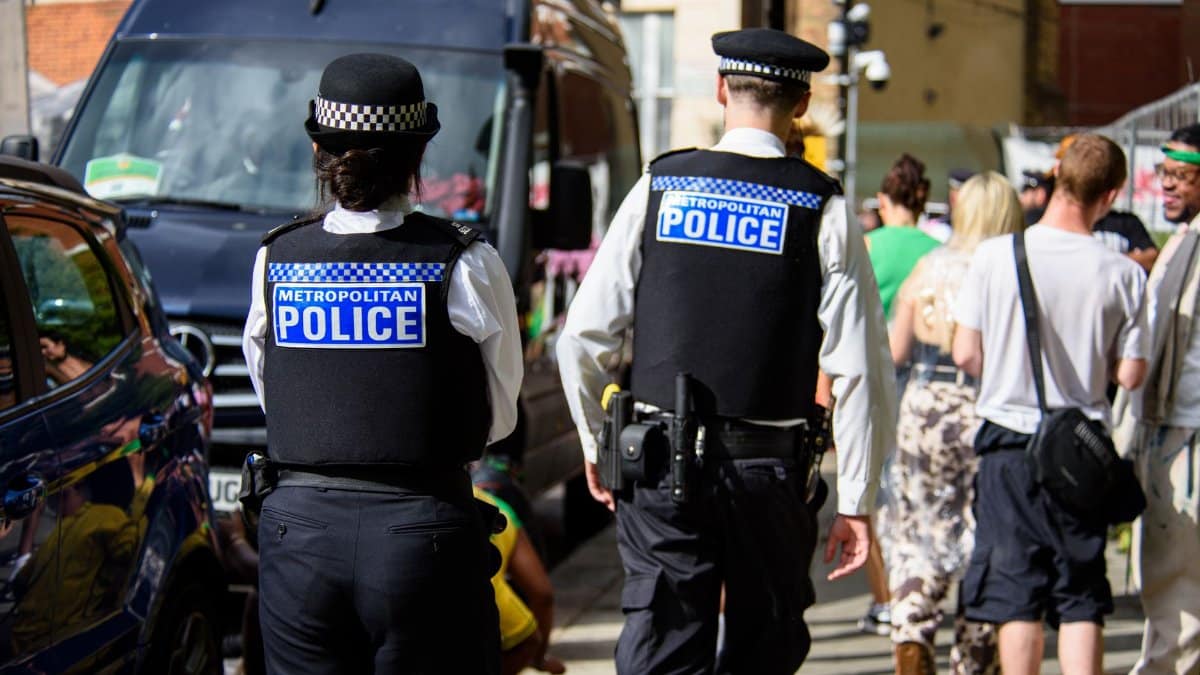
No serious person in public safety pretends that every crisis call can be handled without officers. Weapons, active violence, and some medical emergencies still belong with police and paramedics. The design question is the border. If the border is vague, dispatch will default to the institution that has always answered. If the border is too rigid, clinicians will be sent into danger or kept away from calls they could have managed.
Officers, for their part, have spent years being told both that they should not be social workers and that they will be blamed when social workers are not there. A stalled vendor deal pushes more of those calls back toward patrol. That is not a theoretical risk. It is how a dispatch system behaves when the alternative is understaffed, unauthorized, or politically uncertain. The city can choose that outcome. It should not pretend it chose something else.
Workers stranded between a job and a headline

The least discussed casualties are the responders themselves. Crisis work already burns people out. Adding contractual uncertainty makes recruitment harder and retention worse. A clinician who does not know whether the employer will exist in the next quarter cannot plan rent, supervision hours, or a career. High turnover then becomes the evidence critics cite to prove the model is flawed. The flaw may be the employment structure, not the idea of sending healers instead of holsters.
City employment has its own flaws: slow hiring, rigid schedules, and politics inside the chain of command. A vendor can be nimble and still be opaque. The council rejection reads, in part, as a demand that nimble stop meaning unaccountable. That demand is fair. It is not fair to make the night crew absorb the uncertainty while lawyers draft the next version.
A veto would restart the argument, not end it

If the mayor vetoes the rejection, the council must decide whether it has the votes to override and the appetite to explain the human cost of more delay. If the veto fails or never comes, the administration must invent a lawful way to keep teams on the street. Emergency extensions, short bridge contracts, and in house pilots each carry legal and labor risks. None of them is a strategy. They are ways to avoid a gap that would be measured in unanswered calls.
Voters who followed public safety debates after 2020 were promised a new lane, not a permanent pilot. A veto fight that treats the lane as a bargaining chip will teach a bleak lesson: alternative response is optional whenever the politics get hard. People in crisis do not experience government as optional.
Money, metrics, and the temptation to declare victory

Budgets are where values become arithmetic. A vendor contract bundles salaries, vehicles, supervision, data systems, and profit or nonprofit overhead into one line that council members can accept or refuse. That bundle hides choices. How many teams should be on duty at 2 a.m.? How long may a response take before it counts as late? What follow up is owed to someone who was calmed but not connected to care? If those choices stay inside a private scope of work, the public cannot tell thrift from neglect.
There is also a temptation, on all sides, to declare victory with anecdotes. One life saved proves the model. One delayed arrival proves it should be scrapped. Journalism and governance both fail when they stop there. Minneapolis mental health response deserves the same boring discipline the city applies to snow plows and water mains: published standards, missed targets explained, and corrections that survive the next election.
What comparable cities quietly got right
Other cities that stood up civilian crisis teams learned similar lessons, even when their politics differed. Stable funding matters more than a launch press conference. Dispatch protocols must be written with call takers, not only with advocates. Clinicians need a place to take people that is not an emergency room already at capacity. And police partnerships work only when both sides know who is in charge on scene. None of that requires Minneapolis to copy another city name for name. It does require leaders to stop treating the contract as the whole policy.
National health agencies have long urged communities to build crisis systems with someone to call, someone to respond, and somewhere to go. The city already has pieces of that system, including 988 and hospital partners. The vendor dispute threatens the middle piece, the someone who actually arrives. Lose that, and the other two become brochures.
Race, trust, and the memory of 2020

Any honest account of this program has to sit inside the city’s recent history. Residents, especially Black residents, demanded fewer armed encounters after George Floyd was murdered by a Minneapolis police officer. Alternative response was one answer to that demand. It was never the only answer, and it was never going to erase a century of unequal policing by itself. But it was concrete. People could see a different vehicle and a different uniform.
If the program withers through procedural deadlock, the betrayal will not be abstract. It will land in neighborhoods that were told their safety would be redesigned, not merely rebranded. Trust, once spent on a promise, is expensive to buy back. A future contract can be tighter and still honor the original purpose. A future without any nonpolice response cannot claim that honor at all.
Oversight that residents can actually use

Good oversight is not a stack of closed session memos. It is a short public report that a council member can question and a neighbor can understand. Which calls were eligible. Which were answered by clinicians. Which were handed to police, and why. How often someone asked for the team and was told it was unavailable. Complaints, commendations, and the outcome of each. Names of vendors and dollar figures belong in that sunlight too.
The council was not wrong to hesitate before signing away another term of opacity. Hesitation becomes negligence if it is not followed by a published standard and a deadline. Minneapolis mental health policy cannot live forever in the conditional tense. Either the city will staff this work under rules the public can read, or it will admit that armed response remains the real plan.
A narrow path that still exists

There is a way through that does not require anyone to pretend the last contract was perfect or the rejection was costless. Keep teams running under a short, fully public bridge. Publish the audit findings in ordinary language and say which recommendations are accepted. Write dispatch rules that dispatchers can apply at 3 a.m. without a lawyer on the line. Decide whether the long term employer should be the city, a vendor, or a hybrid, and defend that choice with staffing math rather than slogans. Set a date when the bridge ends and the permanent structure begins.
That path is unglamorous. It will not satisfy officials who want a clean ideological win. It will satisfy the narrower duty of local government: answer the phone, send capable people, and tell the truth about what happened. The Minneapolis mental health crisis response program was created because the old default had become intolerable. Chaos at the contract table does not make the old default wise again. It only makes the new one harder to trust, and trust is the only tool these workers carry that cannot be written into a purchase order.