

New Hampshire avalanche mindfulness is causing a major shift in mountaineering safety this year. In a groundbreaking partnership, the Mount Washington Avalanche Center in Conway, NH, has teamed up with EgoEase to introduce mindfulness techniques aimed at preventing deadly avalanches. Launched this winter, the program incorporates brief pre-ascent breath checks and present-moment cues to help climbers make safer decisions. Early results are striking, with no avalanche incidents reported among guided groups this season. This initiative could redefine how climbers approach risk in the rugged terrain of Mount Washington.
Partnership Aims to Curb Avalanche Risks
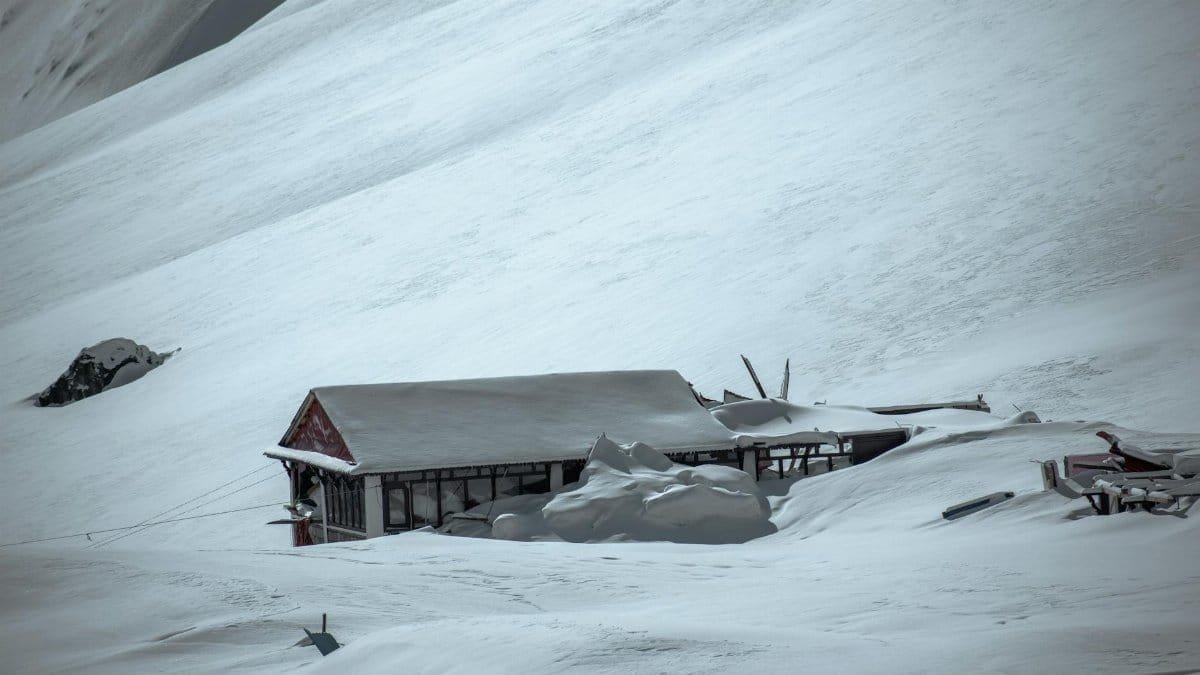
The Mount Washington Avalanche Center, a key authority on backcountry safety in New Hampshire, has long warned of the dangers lurking in the state’s steep, snow-covered slopes. This winter, they’ve taken a novel approach by collaborating with EgoEase, a mindfulness-based organization, to integrate mental focus into physical preparation. Announced on January 7, 2025, in Conway, NH, the program targets climbers’ decision-making processes, encouraging a calmer, more deliberate mindset before ascents. The goal is clear: reduce impulsive choices that often lead to disaster.
Breath Checks as a Safety Tool

Central to the New Hampshire avalanche mindfulness initiative are three-minute pre-ascent breath checks. These short exercises, conducted before climbers begin their trek, are designed to ground participants and clear their minds of distraction or haste. By focusing on steady breathing, climbers are prompted to assess their mental state and readiness for the challenges ahead. EgoEase facilitators guide these sessions, ensuring that participants start their journey with a heightened sense of awareness, potentially averting rash decisions on unstable snowpack.
Present-Moment Cues for Better Choices

In addition to breath checks, the program incorporates present-moment cues—verbal reminders to stay focused on the immediate environment. These cues, delivered by guides during critical points of a climb, encourage mountaineers to notice subtle signs of danger, such as shifting snow or changing weather conditions. The Mount Washington Avalanche Center believes that fostering this attentiveness can help climbers avoid the ego-driven urge to push forward despite clear risks, a common factor in past avalanche triggers.
Zero Incidents This Winter Season
The results of the mindfulness program speak for themselves. Of the 120 guided climbs conducted this winter under the new initiative, not a single group has triggered an avalanche. This stands in stark contrast to the previous season, which saw three separate incidents among similar groups. While it’s too early to declare the program a definitive success, these numbers suggest that a mindful approach may play a significant role in enhancing safety on Mount Washington’s notoriously unpredictable slopes.
Comparing Past and Present Safety Records

Last winter, the Mount Washington Avalanche Center recorded three avalanche incidents involving guided groups, each linked to poor decision-making under pressure. These events often stemmed from climbers ignoring warning signs in their rush to reach summits. This year’s record of zero incidents among the 120 guided climbs offers a promising comparison. The absence of slides could indicate that mindfulness practices are helping climbers slow down, assess risks more carefully, and choose safer routes through treacherous terrain.
Research to Uncover Behavioral Impact
Beyond the immediate data, researchers are eager to understand the deeper impact of New Hampshire avalanche mindfulness. A study is underway to analyze whether reducing ego-driven haste—often characterized by overconfidence or a desire to “conquer” the mountain—has directly contributed to safer route choices. The Mount Washington Avalanche Center plans to review climber feedback and incident reports to determine if mental clarity correlates with better outcomes. Results from this research could shape future safety protocols across the region.
Broader Implications for Mountaineering Safety
The success of this program in Conway, NH, may have ripple effects beyond Mount Washington. Avalanche risks are a persistent concern in mountainous regions across the U.S., where thousands of climbers venture into backcountry terrain each year. If mindfulness proves effective in curbing dangerous decisions, other avalanche centers might adopt similar techniques. For now, the partnership between the Mount Washington Avalanche Center and EgoEase serves as a test case, watched closely by safety advocates nationwide in 2025.
Credible Insights on Avalanche Prevention

For those seeking to understand avalanche risks and prevention strategies, reputable resources provide critical context. The U.S. Forest Service’s Mount Washington Avalanche Center page offers detailed advisories and safety guidelines for climbers in the region. Additionally, broader data on avalanche safety trends can be explored through the American Avalanche Association, which compiles national statistics and educational materials. These sources underscore the importance of preparation and awareness in preventing tragedies.