
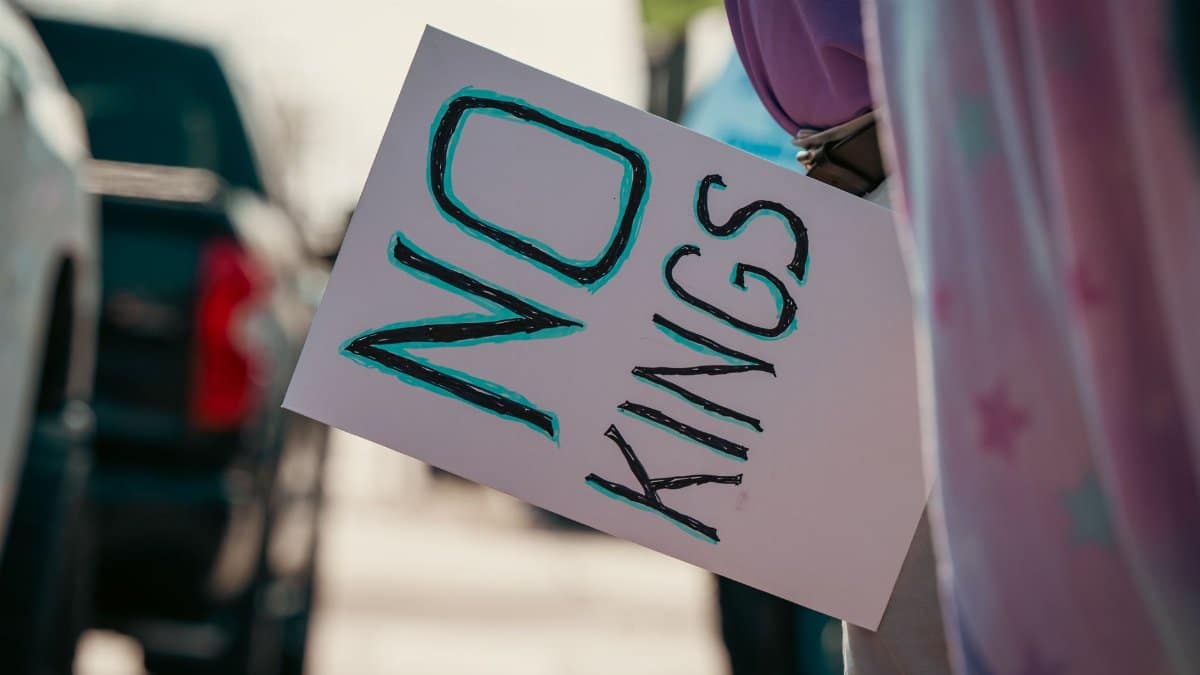
On a cool October morning in a parking lot outside a community center, volunteers taped paper signs to folding tables and stacked clipboards beside boxes of pens. The scene looked familiar to anyone who has watched a march assemble, yet the people arriving carried voter registration forms more often than handmade banners. Organizers say this weekend’s No Kings Day protests are meant to look less like a spectacle and more like a precinct operation, with neighbors asking neighbors to cast ballots before November.
A different kind of Saturday

Previous gatherings under the same banner drew large crowds and sharp slogans. This time, local hosts describe a quieter plan. Rallies will still happen in city parks and on courthouse steps, but many schedules place canvassing, ride offers to early voting sites, and booths for ballot questions at the center of the day. The shift is deliberate. Leaders argue that a photograph of a packed street fades by Monday, while a completed ballot can shape a legislature for years.
That argument has split some longtime participants. A few want the emotional charge of a march preserved. Others say the country has heard the speeches and now needs turnout. Both camps will share the same weekend, sometimes on the same block.
What organizers say has changed
In interviews and public calls this month, coordinators have stressed three changes. First, events are being billed as open to people who do not share a party label, so long as they reject the idea of unchecked personal rule. Second, training sessions have focused on de escalation, legal observation, and how to talk with undecided voters without turning a sidewalk into a debate stage. Third, success is being measured in contacts logged and ballots requested, not only in crowd estimates.
None of that erases politics. The name itself is a political claim. What has changed is the claimed route from anger to influence. Organizers want the weekend to feed directly into early voting windows that are already open in many states.
From the street to the polling place
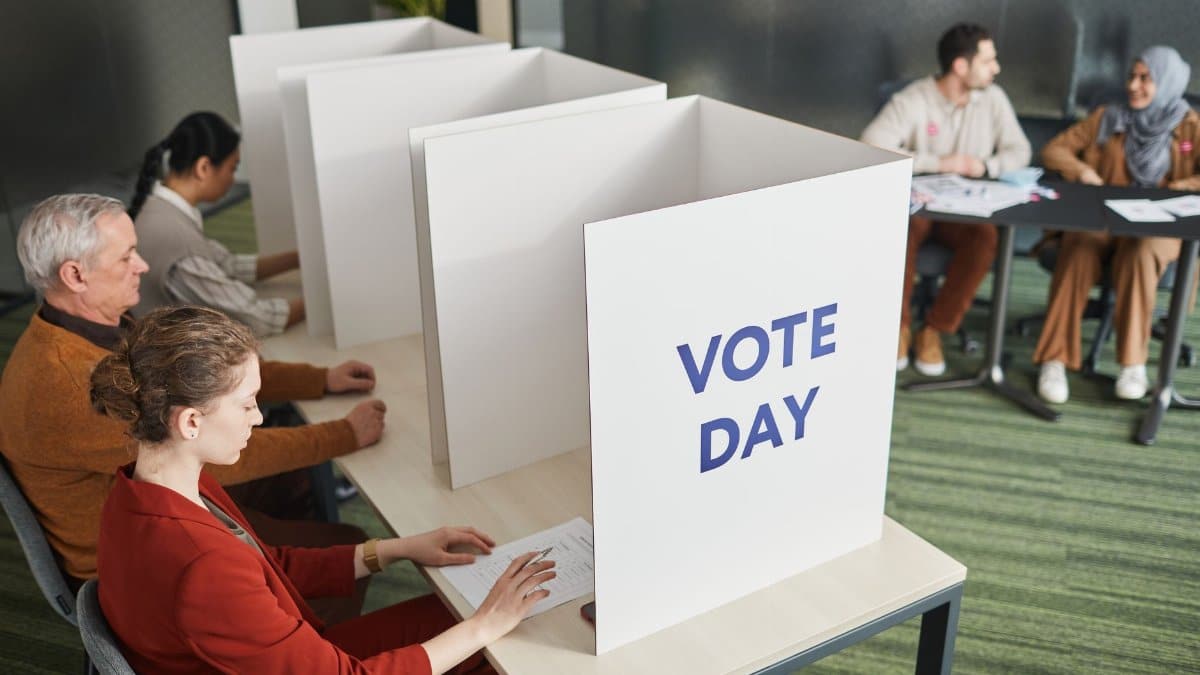
Early voting rules differ widely. Some states allow in person voting weeks before Election Day. Others rely on mail ballots that must be requested and returned under strict deadlines. Hosts in those places plan tables where people can check registration status on their phones, request a ballot if the law allows, or sign up for a reminder on the last safe day to mail one.
A retired teacher in Ohio, who asked that her last name not be used because she worries about online harassment, said she would skip the march and staff a table instead. “I have marched,” she said. “I want to know that the person who stopped by actually voted.” Similar comments have surfaced in group chats from Arizona to Pennsylvania, suggesting the mood is not confined to one coast.
The argument over nonpartisan ground

Calling a protest nonpartisan is a high bar. Critics note that many sponsors have clear records in Democratic or progressive politics, and that Republican officials have dismissed the events as partisan theater. Organizers answer that the invitation is broader than the donor list. They point to faith groups, labor locals, and civic clubs that have agreed to host voter drives without endorsing a candidate.
Whether that distinction holds in practice will be visible on Saturday. If speakers attack named officeholders for half an hour and then mention voting in a single sentence, the nonpartisan frame will look thin. If the program stays on process, rights, and how to cast a ballot, the claim will be easier to defend. Local hosts, not national spokespeople, will decide which version the public sees.
Memory of earlier crowds
Large demonstrations in recent years taught a mixed lesson. They can reset a news cycle and give isolated people a sense of company. They can also exhaust volunteers who then disappear before the less photogenic work of door knocking begins. Several organizers of the No Kings Day protests say they studied that pattern and tried to invert it. The march, where it happens, is framed as the doorway, not the destination.
Historians of social movements have long noted that protest and electoral work pull in different directions. One rewards moral clarity and public witness. The other rewards patience, lists, and repeated conversations with people who are not already convinced. Trying to do both on one Saturday is ambitious. It may also be the only schedule many volunteers can keep.
Safety, permits, and local police
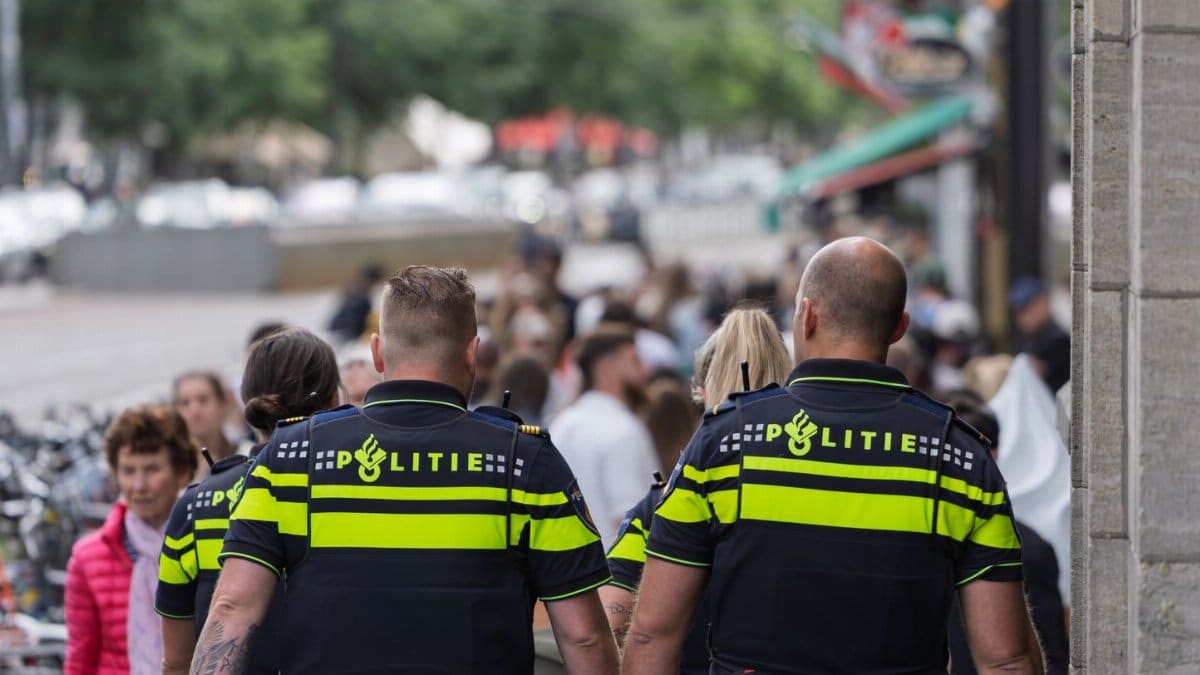
City officials in several large metros have issued standard parade permits and reminded groups to stay on assigned routes. Police departments say they expect mostly peaceful assemblies and will monitor for traffic blockages and counter protests. Organizers have circulated guides on what to bring, what to leave at home, and how to document interactions with law enforcement.
Those guides are practical rather than theatrical. They urge people to know the local curfew rules, to avoid blocking emergency lanes, and to designate a friend who is not attending in case phones die. The tone is closer to a neighborhood association memo than to a manifesto. That, too, is part of the rebrand.
Faith communities and civic ritual
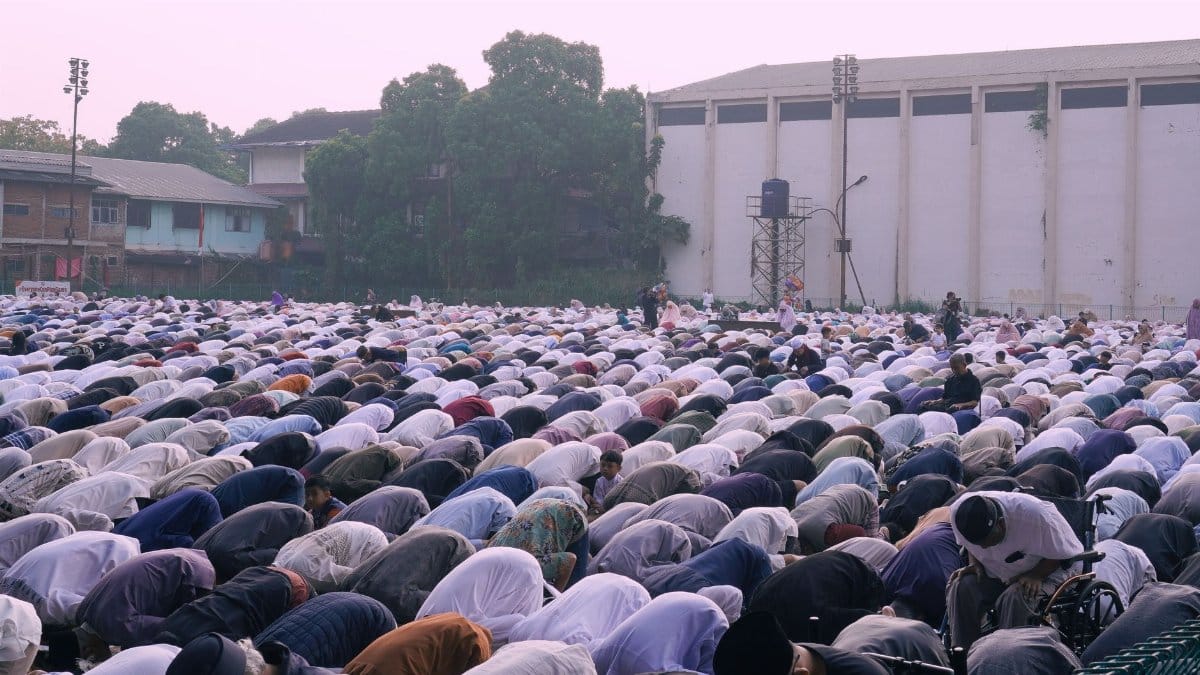
In a season when many readers look for meaning beyond party combat, some congregations have treated the weekend as a civic vigil. Clergy in a handful of cities plan brief blessings before volunteers leave for polling sites, framing the act of voting as care for neighbors rather than as a team sport. These gatherings are small beside the rallies, yet they explain why a political story is also a story about how people mark what they hold sacred.
Not every house of worship wants the association. Several pastors have declined to host tables, citing congregational division. The refusals are as telling as the yeses. A movement that asks religious institutions to lend moral cover will meet the same fractures those institutions already live with.
What skeptics expect to see

Skeptics, including some election administrators, worry that protest energy near voting sites can intimidate voters even when no one intends harm. Laws on electioneering distances vary. A table across the street from an early voting center may be legal in one county and a problem in another. Organizers say they have mapped those lines and will keep advocacy outside restricted zones.
Another skepticism is simpler. People may not show up. A Saturday in mid October competes with youth sports, harvest work, and ordinary fatigue. If crowds are thin, opponents will call the effort a fad. If crowds are large but ballots do not follow, supporters will have to explain why the new model failed its own test.
How to read the day afterward

By Sunday night, cable panels will argue about aerial photos. Those images will miss the quieter metric organizers claim to care about: how many people left with a plan to vote early, a ride, or a corrected registration. Campaigns and county clerks will not release a clean national number that isolates one weekend’s effect. Anyone promising that figure on Monday is guessing.
A fair reading will be local. Did a library parking lot in a swing county actually process registrations? Did volunteers stay after the speeches to walk a precinct? Did counter protests stay peaceful? Those questions can be answered by reporters on the ground, not by slogans.
The stakes before November

Midterm elections decide control of Congress and, in many states, the officials who will run the next presidential contest. That is the practical horizon behind the poetry of the weekend’s name. Participants in the No Kings Day protests are betting that a public rejection of personal rule matters most when it is converted into marked ballots.
Whether the bet pays off will not be clear on Saturday evening. It will be clearer when early vote totals start to move, and clearer still when polls close in November. Until then, the most honest description is also the most modest. A network of volunteers is trying to turn a protest brand into a turnout machine, and the country will be able to watch whether the machine runs.