

The envelopes arrived on an ordinary Thursday, the kind of day when staffers sort constituent mail between hearings and school pickup. On October 16, 2026, suspicious letters Massachusetts officials would soon describe in careful public statements landed in offices that usually treat paper correspondence as routine. Six Democratic lawmakers and Secretary of State Bill Galvin were among those who received them, part of a wider wave now under federal investigation. The facts remain thin. The unease does not.
A quiet morning that did not stay quiet

State and congressional offices run on paper more than outsiders imagine. Invitations, handwritten notes, agency reports, and the occasional angry letter move through a rhythm that staff learn by heart. Most of it is forgettable. A small share is not. When something looks wrong, the work stops. People step back from the desk. A supervisor is called. The room, which a minute earlier held coffee and calendars, becomes a place where nobody touches the pile.
That is the scene several Massachusetts offices appear to have shared on the same day. Public accounts have been spare, which is itself a kind of information. Officials who want credit for toughness do not usually withhold color. When they do, it often means investigators have asked them to. The letters became a story not because anyone staged a press conference with drama, but because the same unsettling mail showed up in more than one inbox, and then in more than one state.
Who was named, and who was not

The clearest names attached to the Massachusetts reports are Secretary of State Bill Galvin and members of the state’s Democratic congressional delegation, including Representative Seth Moulton. Published accounts describe six Democratic lawmakers in all. The other names have not been laid out with the same clarity in every retelling, and it would be a mistake to fill that gap with guesswork. Galvin’s office is a different kind of target from a House district office. He oversees elections. In a year when ballots, voter rolls, and trust in counting are already political weapons, mail addressed to that office carries a second meaning even before anyone opens it.
Recipients have not, in the reporting available so far, described threats in graphic detail. That restraint matters. It keeps the public record from becoming a script. It also leaves neighbors, donors, and local reporters with a half picture: something arrived, it was treated as suspicious, and federal authorities are looking at a pattern larger than one state capitol.
What suspicious means when nobody will say more

Suspicious is a careful word. It can mean a strange return address, a powdery residue, an oily stain, a weight that does not match a letter, or language that crosses from protest into menace. It can also mean a match to envelopes already flagged somewhere else. Until laboratories and investigators speak, the public cannot know which of those meanings applies. Pretending otherwise would be rumor dressed as news.
Readers who remember earlier scares will fill the silence themselves. That is human. It is also how fear outruns evidence. The responsible stance is narrower. Treat the mail as a security event. Do not treat every unanswered question as proof of a particular weapon, motive, or group. Federal investigators exist precisely because those distinctions require tools a newsroom does not have.
A national wave, not a Bay State curiosity

The letters did not stop at the Massachusetts line. Officials have described a nationwide wave under federal investigation, which changes the story from a local fright to a coordination problem. One odd envelope can be a crank. The same kind of envelope in several states on the same day suggests a plan, a copycat rush, or both. Investigators will want postmarks, printing methods, handwriting, and whether the language repeats. Those details are not for public consumption while the case is open, and they should not be.
For readers outside government, the national frame is the point. suspicious letters Massachusetts residents heard about on local radio sit inside a larger inquiry. That does not make the local recipients less important. It means the people opening mail in Worcester or on Capitol Hill may be looking at pieces of one design. Distance is not safety if the sender is willing to pay for stamps in bulk.
How federal inquiries usually move
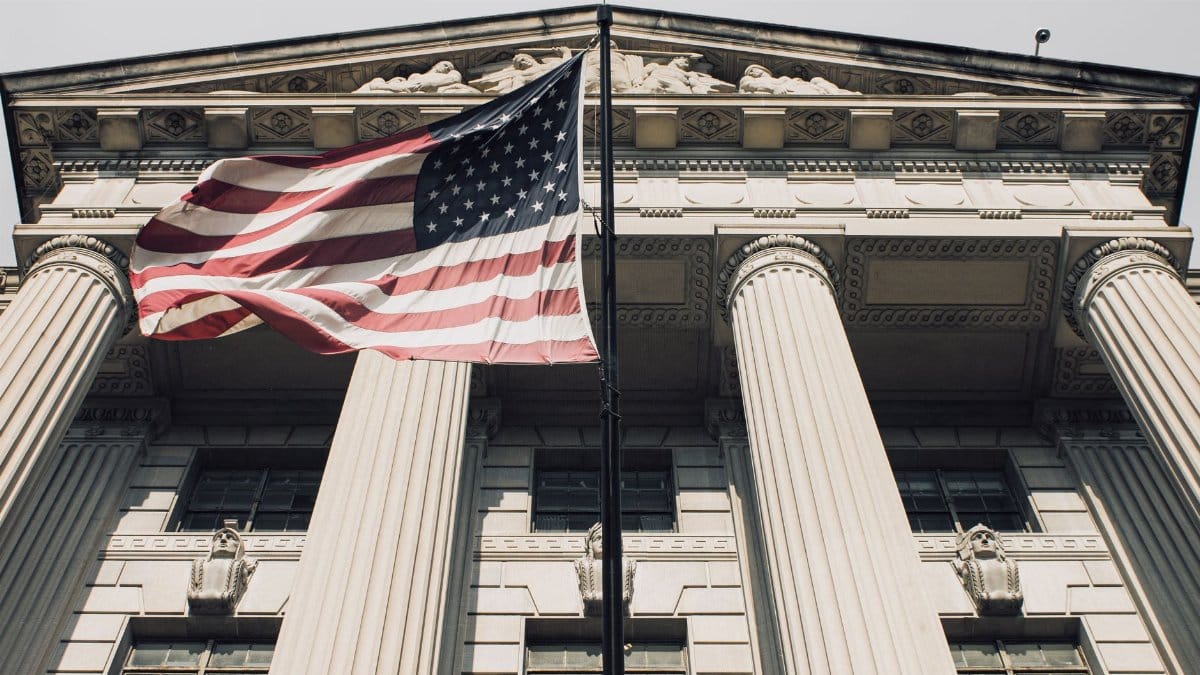
A federal mail investigation is slow in public and busy in private. Agents collect the items. Laboratories test what can be tested. Postal inspectors trace routes. Prosecutors wait for something that will hold up, which is rarely a single angry sentence. The agencies involved have not, in the material at hand, issued a full public narrative of this wave. Until they do, descriptions of suspects, substances, or methods would be invention.
What can be said without guessing is procedural. Offices that receive worrying mail are trained to isolate it, limit who touches it, and hand the problem to people whose job is evidence. Staff are told not to sniff, shake, or carry the item through a crowded hallway. Those are habits, not secrets. They exist because past cases taught institutions that curiosity can spread harm faster than a headline.
Memory of earlier mail scares
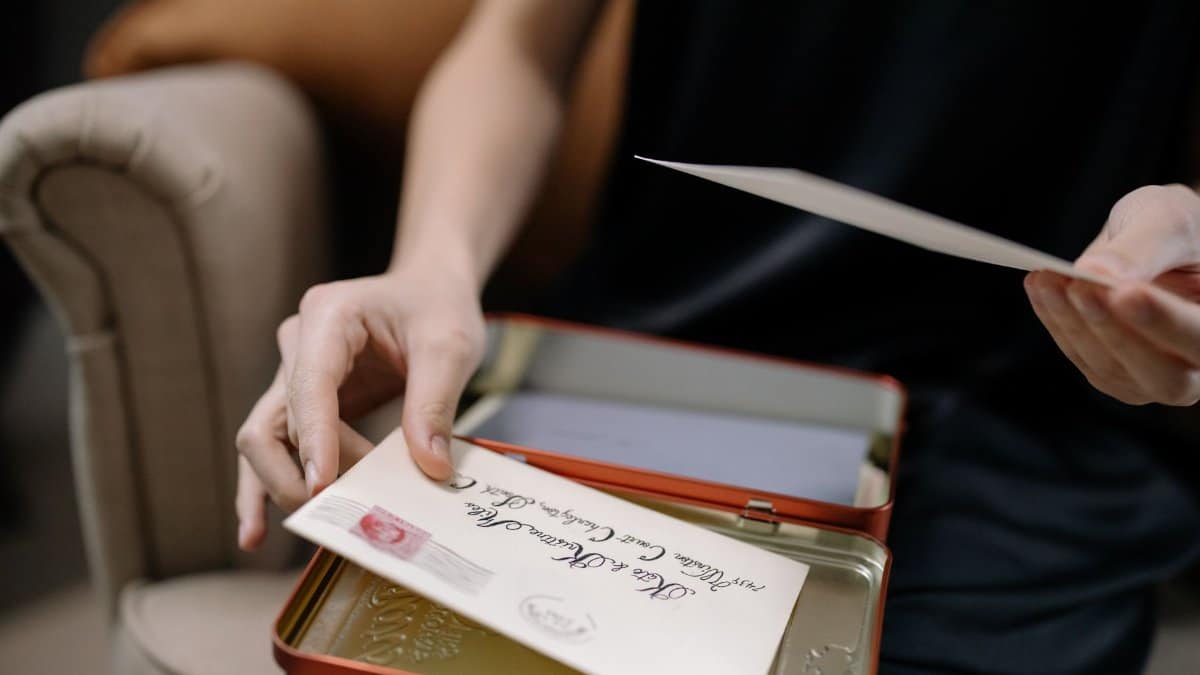
Americans of a certain age do not hear about suspicious mail in a vacuum. After the attacks of September 2001, letters carrying anthrax killed five people and sickened others, and they shut down parts of Congress and the postal system. Later hoaxes and powder scares never fully left the culture of government offices. Every white envelope with an odd feel still passes through that memory, even when the lab result is flour, talc, or nothing at all.
That history explains the caution. It also explains the fatigue. Hoaxes work because they borrow the credibility of real attacks. A sender does not need a weapon if the institution will spend a day, a laboratory, and a news cycle on the possibility. The cost lands on staff who are not famous, on postal workers, and on the public’s ability to tell a genuine alarm from a stunt. Investigators have to chase both, because missing the real thing is worse than overreacting to the fake one.
Elections offices and a special kind of pressure
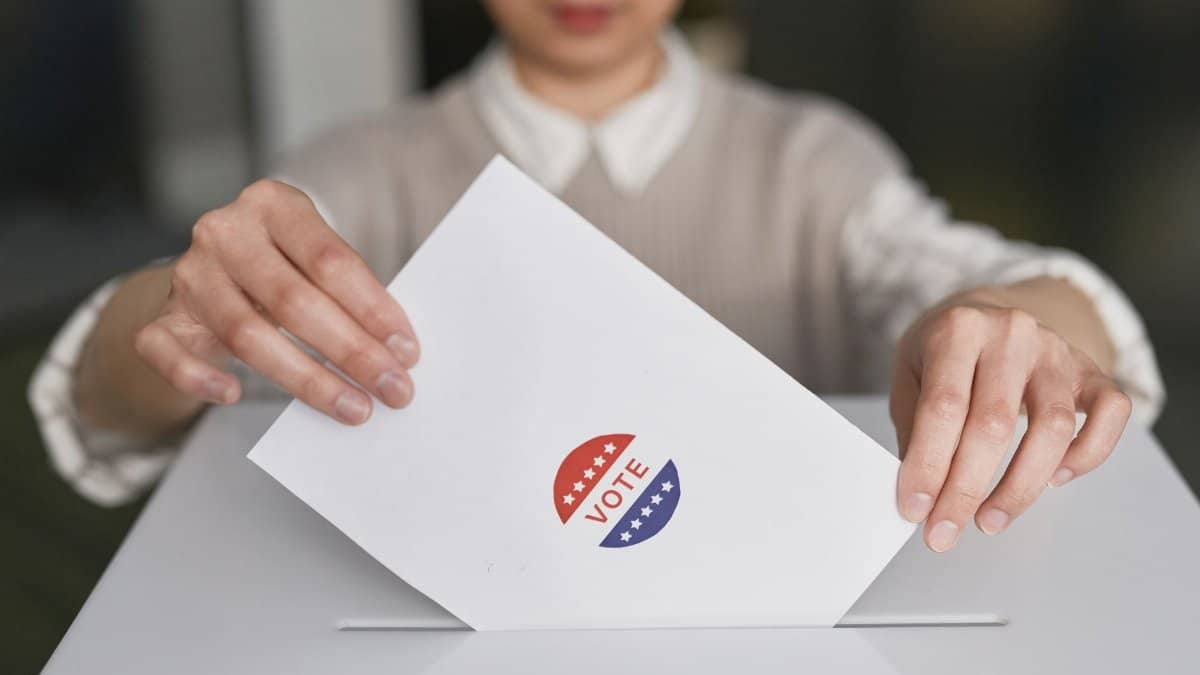
Galvin’s inclusion is worth a separate look. Secretaries of state do not command armies. They run the machinery that turns votes into certified results. In recent years that machinery has been shouted at, sued, and sometimes threatened. A letter that spooks an elections office does more than frighten a person. It tests whether the work of registration, ballot design, and certification can continue while everyone in the building is looking at the mail slot.
Massachusetts has not been the loudest state in those fights, which is part of why the report lands with force. Calm places still receive the national weather. A secretary who has spent years arguing for orderly process now has to show that orderly process includes security without turning the office into a bunker. Voters notice both failures: panic, and pretending nothing happened.
Lawmakers, staff, and the people who open the mail

Elected officials get the headlines. Legislative aides open the envelopes. That division of risk is easy to skip and wrong to skip. District offices are often small, storefront adjacent, and staffed by people in their twenties and thirties who came to politics for policy, not for hazardous materials drills. When suspicious letters Massachusetts delegations must now log and report arrive in those rooms, the first decision is made by someone whose name will not appear in the story.
Members can sound steady at a microphone. The person who set the envelope on a cleared table cannot outsource the adrenaline. Offices that handle this well do two things at once. They follow the security protocol without improvising. They also tell staff, plainly, what is known and what is not. Silence meant to avoid panic often produces a worse rumor by lunch.
Security that does not become theater
There is a style of response that confuses visibility with safety. Extra police at a press conference, a viral photo of gloves, a social media post that names a villain before investigators do: none of that sorts powder from paper. The better version is dull. Screen mail. Limit public detail that would help a copycat. Keep hearings on the calendar unless there is a concrete reason to clear the building. Let the federal case proceed without a parallel trial on cable news.
Middle aged readers have watched this cycle enough times to distrust the theatrical version. They also distrust officials who shrug. The line between those errors is not a slogan. It is a series of small choices: what to disclose, when to reopen a room, whether to cancel a town meeting because fear is contagious. Those choices will not all be visible. The ones that are should be explained in plain language.
What constituents are entitled to hear
People who wrote ordinary letters to these offices this month deserve to know that their mail is not the problem. People who live in the districts deserve to know whether anyone was hurt. On the information publicly tied to October 16, 2026, the story is about suspicious deliveries and a federal inquiry, not about confirmed injuries. If that changes, the update should be fast and specific. If it does not change, officials should say so, rather than letting a vacuum do the talking.
Constituents are also entitled to a politics that does not treat every security event as a club. Democratic recipients will be tempted to fold the letters into a larger argument about threats to their party. Critics will be tempted to dismiss the reports as exaggeration. Both moves skip the evidence. A nationwide wave under investigation is a public safety fact first. The argument about who inflamed the climate can wait until someone is actually charged, or until a responsible agency describes what was in the envelopes.
The temptation to fill every blank

I have covered enough partial briefings to know the itch. A reporter wants the return address, the lab result, the number of states, the quote that makes the piece feel finished. Readers want the same, for better reasons: they are deciding how worried to be on the drive home. The honest answer, this soon, is that the worry should be specific and limited. Offices that received the mail should follow protocol. Everyone else should resist the urge to invent a culprit from a party label or a social media feud.
That restraint is not naivete. It is how a serious public keeps its nerve. The alternative is a country in which every odd envelope becomes a referendum, and every referendum becomes a reason to stop opening the mail that democracy actually requires.
Copycats, cranks, and the difference investigators must draw

Waves create echoes. Once a story is public, people who had no part in the original mailing sometimes decide to join it, with jokes, with powder from a kitchen shelf, or with threats they would not have sent on a quieter week. Others were already mailing strange things and now get swept into the same headline. Sorting those categories is slow work. It is also the difference between a conspiracy case and a pile of separate offenses that only look alike on television.
News coverage can make that sorting harder if it prints details that function as instructions. The public interest is in the scale, the response, and the outcome. It is not in a diagram of what made an envelope look wrong. Officials who refuse those details are not always hiding incompetence. Sometimes they are refusing to teach the next sender.
Governing while the case is open

The practical test comes the week after the envelopes. Do district offices still hold office hours. Does the secretary of state still publish election guidance on time. Do members still take questions from people who disagree with them. A security event that quietly cancels the ordinary business of representation is a win for whoever sent the mail, even if no one is ever caught.
Massachusetts has the staff, the postal infrastructure, and the law enforcement relationships to absorb a scare without closing the doors. Whether it does so will depend less on speeches than on whether supervisors back the people who handle the front counter. Federal investigators will follow the paper. The state still has to answer the phone.
What a finished story would include

A complete account would name every recipient who is willing to be named, describe what testing found, and say whether charges are coming. It would separate Massachusetts from the other states without losing the national pattern. It would give postal workers and junior staff the same factual care now reserved for famous names. It would correct, in public, anything that first day reporting got wrong.
Until then, the record is this. On October 16, 2026, suspicious letters Massachusetts Democratic lawmakers and Secretary of State Bill Galvin received became part of a nationwide wave under federal investigation. The rest is work, not rumor. Readers can hold two ideas at once: take the mail seriously, and refuse to let an unfinished case write the politics of the month.