
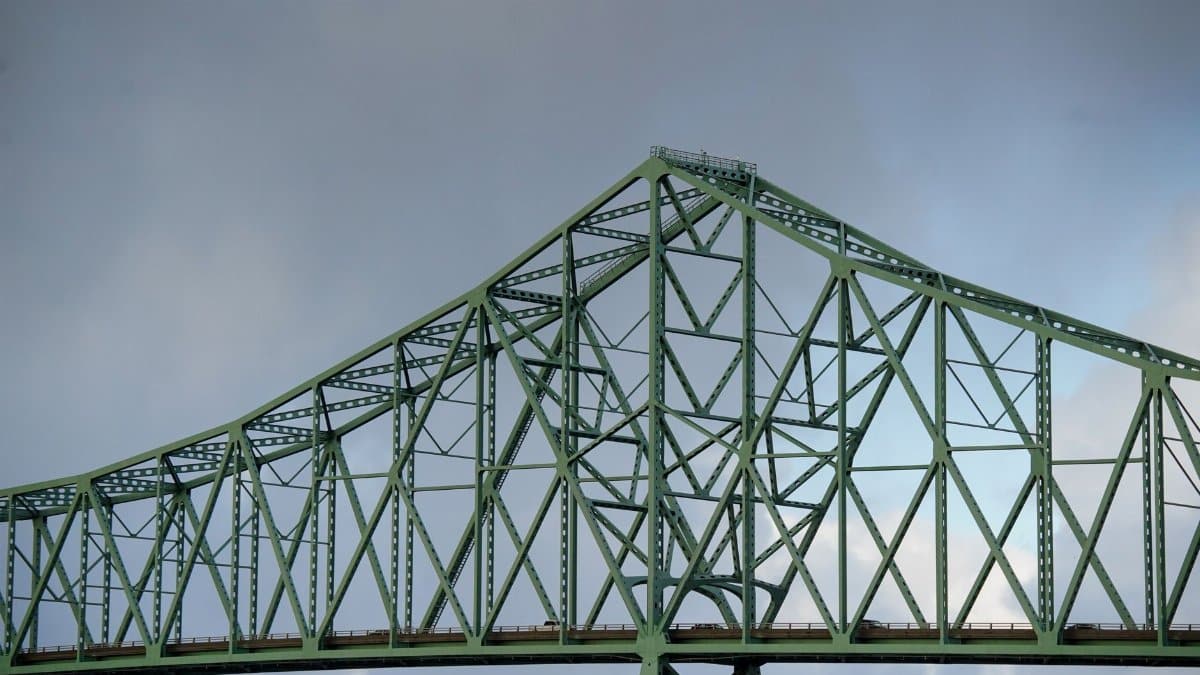
On a clear morning the green span over the main channel looks almost weightless, a familiar line between the hills of San Pedro and the cranes of Terminal Island. For generations of port workers, longshore families, and harbor commuters, that line has been less a postcard than a promise that the day can begin on time. The Vincent Thomas Bridge will close for 16 months starting November 7 so crews can replace its deck, and the promise is about to be tested by traffic, detours, and the air that neighborhoods already breathe.
A crossing that organized a working harbor
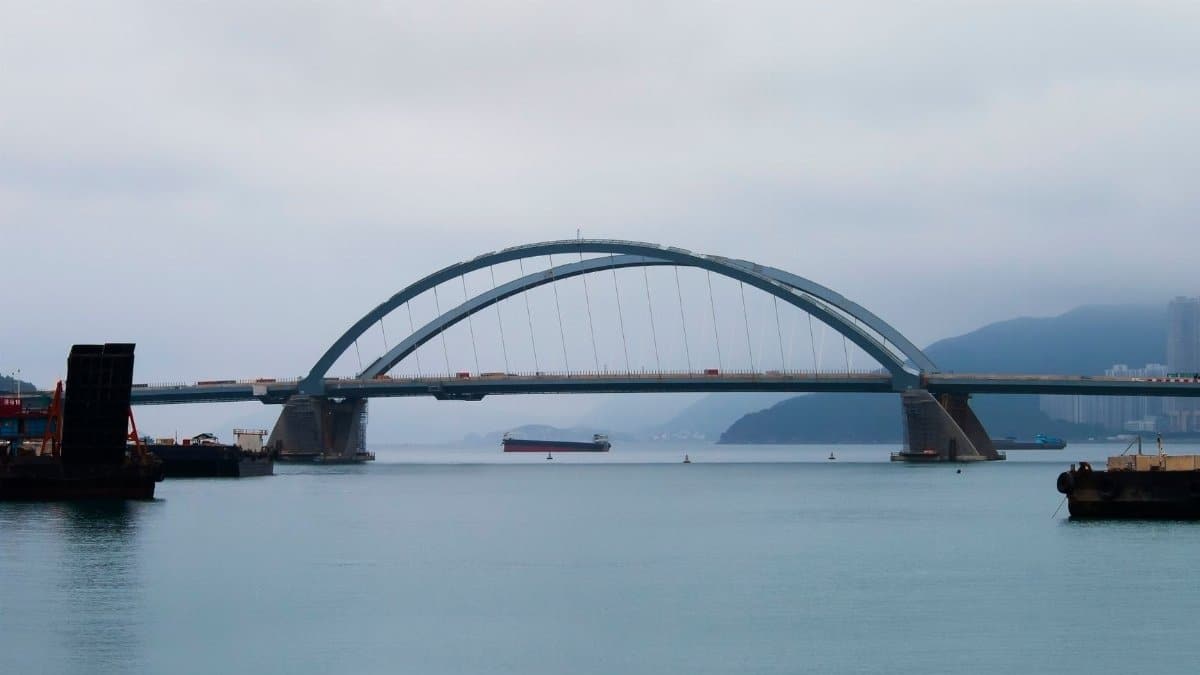
The bridge opened in 1963 after years of argument about whether San Pedro should remain cut off from the industrial flat of Terminal Island by a slow ferry ride. Assemblyman Vincent Thomas, the San Pedro Democrat for whom the span is named, treated the project as a matter of local dignity as much as engineering. Once the cables were up, the short trip became the ordinary path to terminals, naval yards, canneries, and later to the vast container operations that remade the Port of Los Angeles.
People still talk about the color. The green is bright enough to read from a freeway shoulder and from the decks of ships waiting for a berth. It is also a clock. Shift changes, school runs, and the last grocery stop before a night on the water have all been timed to those few minutes in the air above the channel. When a structure does that much quiet work, a long closure is never only a construction notice.
Why the deck has to come out

Suspension bridges age in public. Wind, salt, truck weight, and the endless flex of a long span wear the riding surface even when the towers still look eternal. Transportation officials have described the coming work as a deck replacement, the kind of job that cannot be done in overnight slices if the new surface is to be safe for the heavy vehicles that define this crossing.
A full closure is blunt. It is also, in the view of engineers who have watched partial repairs stack up, sometimes the only way to finish a structural job without leaving drivers on a half rebuilt road for years. The trade is simple to state and hard to live with. Sixteen months of inconvenience and pollution risk are being asked of a region in exchange for a deck meant to last much longer than the closure itself.
Sixteen months is a season, then another

November 7 is not an abstract start date. It falls as holiday shipping builds and as harbor employment swells with temporary hands. From that morning until the following spring and beyond, the familiar ramp will be a barrier rather than a door. Sixteen months covers a school year and part of another. It covers lease renewals, new truck contracts, and the period when families decide whether a commute is still worth the house they bought because the bridge made the miles feel short.
Closures of this length change habits in ways a weekend shutdown does not. People sell a second car or buy one. They move a shift. They stop visiting a parent on the other side of the channel because the drive has become a negotiation with congestion. The calendar is the story as much as the steel.
Where the traffic is likely to go
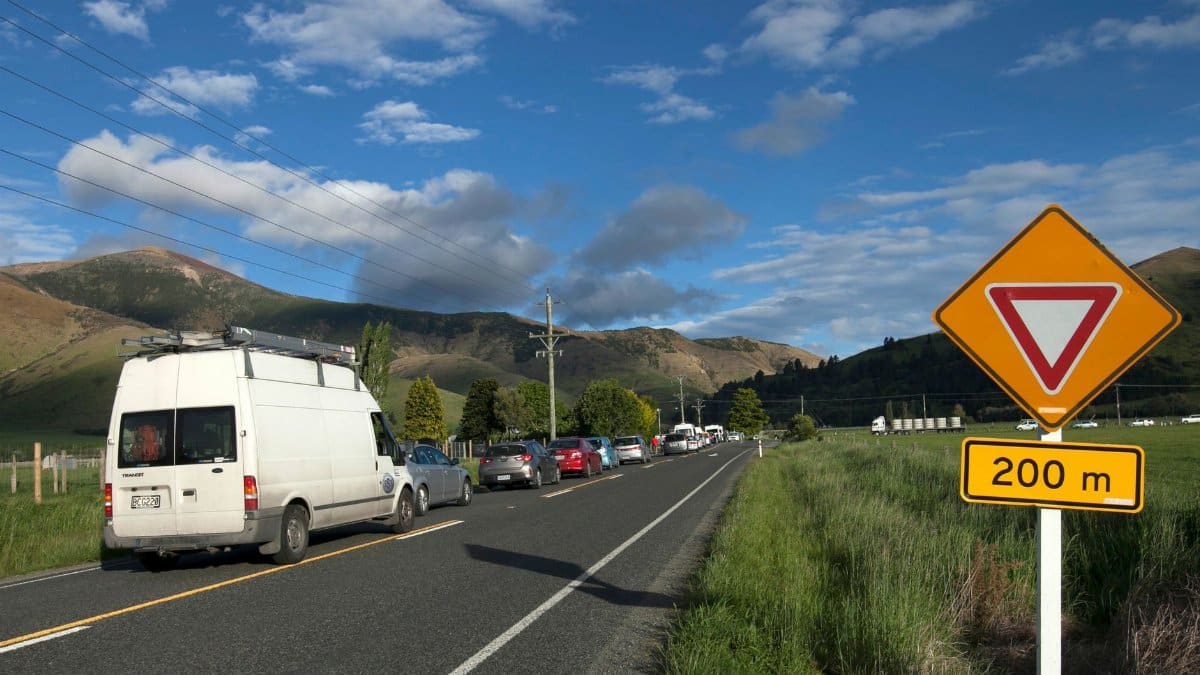
No single alternate can absorb what the bridge has carried. Passenger cars, terminal shuttles, and heavy trucks will sort themselves onto surface streets and onto the larger freeway grid that rings the harbor. Some drivers will aim for the 110 and the streets of San Pedro. Others will push toward the 710 and the industrial corridors of Wilmington and Long Beach. The exact mix will depend on signs, on port schedules, and on whatever unofficial shortcuts spread by text message in the first week.
That sorting is where fear enters. A bridge concentrates traffic in a place designed for it. A detour disperses it onto roads that were designed for local errands, school buses, and the occasional truck. Intersections that already fail in the late afternoon can fail earlier. A missed left turn becomes a tour through a neighborhood that did not volunteer to become a freight route.
Air that was never a blank slate

The communities beside the port do not meet this closure with clean lungs and spare patience. Wilmington, San Pedro, and West Long Beach have spent decades living beside diesel trucks, ships at berth, and rail yards. Residents and public health advocates have argued for years that the harbor economy outsources its exhaust to the people least able to leave. A 16 month diversion does not invent that grievance. It risks sharpening it.
Idling is the quiet mechanism. When a truck cannot take the short span, it may creep along a boulevard, wait at a ramp meter, or circle for a legal place to stage. Each extra minute is fuel burned at street level, near windows, bus stops, and playgrounds. Officials can promise cleaner detour planning. They cannot promise that a longer route, taken thousands of times a day, will be environmentally neutral. Anyone who says otherwise is selling comfort, not chemistry.
The port still has to move
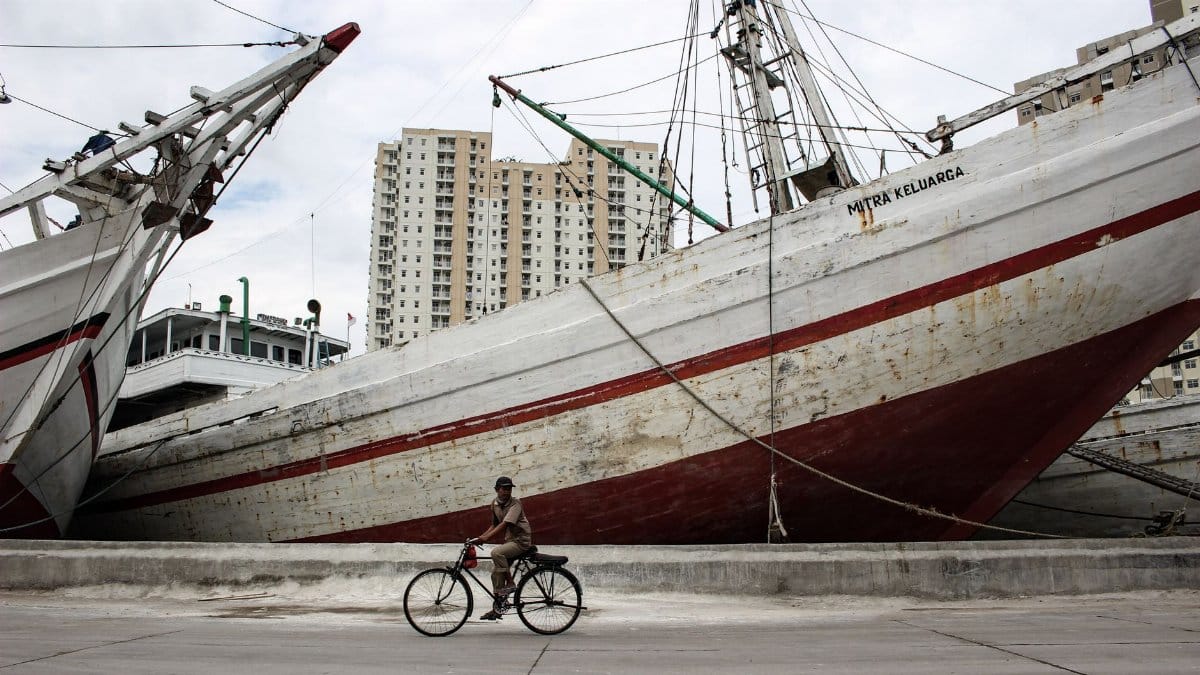
The Port of Los Angeles will not pause because a bridge is dark. Containers will still arrive. Chassis will still need drivers. Terminal gates will still open on schedules set by ships that do not consult local traffic apps. The question is how much friction the system can absorb before delays move from the freeway onto the dock, and from the dock onto the warehouses of the Inland Empire.
Some cargo will shift to other crossings and other hours. Night gates and appointment systems already try to smooth the peaks. A long bridge closure will test whether those tools are sturdy or merely hopeful. If they fail, the cost will not stay on Terminal Island. It will show up as missed store deliveries, higher drayage bills, and drivers who spend their paid hours in a line rather than on a load.
Small businesses on the wrong side of a ramp

Not every consequence is a truck. Cafes near the San Pedro end of the span depend on people who cross for a shift and buy coffee on the way. Repair shops, uniform stores, and clinics count on a customer base that treats the channel as a minor obstacle. When that obstacle becomes a long detour, some of those customers will not come back on a given Tuesday. A few will not come back at all.
Harbor cities have seen this pattern with other projects. A closure is announced as temporary. The habit it breaks is not. A restaurant can survive a month of thin lunch hours. Sixteen months asks for reserves that many family businesses do not have, especially after years of uneven port work and rising rent. The ledger will not be dramatic enough for a headline every week. It will be real anyway.
What planning can and cannot promise

Residents are right to ask for a plain account of detours, truck restrictions, and air monitoring before the ramps close, not after the first angry week. Clear signs, enforced bans on cut through streets, and extra transit where it can actually replace a drive are the minimum. So is a public dashboard that shows whether traffic and pollution are behaving as models predicted. Models are not moral documents. They are guesses with math attached.
Planning also has limits that should be said out loud. You cannot pave a second Vincent Thomas Bridge in time for November. You cannot make a surface street into a freeway without harming the people who live on it. You cannot ask longshore workers to absorb every delay in unpaid time. Honest mitigation admits those limits and then spends money and attention where the harm is most concentrated, rather than where the press conference is easiest.
Work, class, and who waits
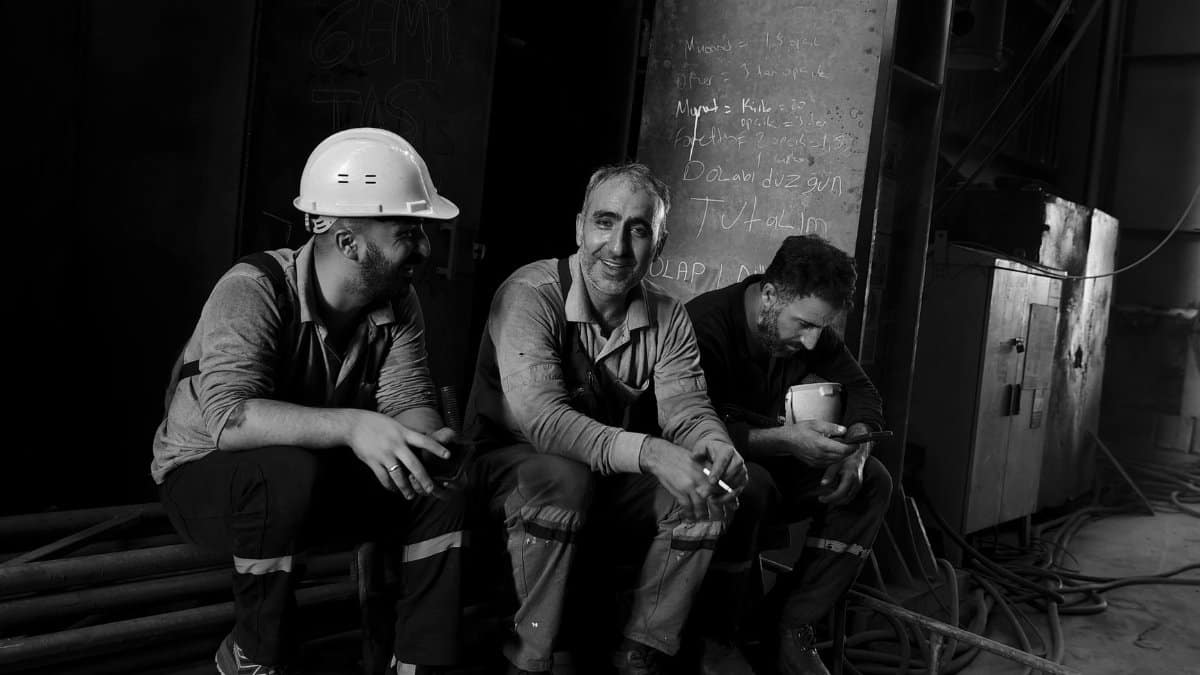
A bridge closure sorts people by the flexibility of their jobs. A professional who can start the laptop at home will experience the project as an annoyance on the days a site visit is required. A marine clerk, a truck driver paid by the move, a nurse on a fixed shift, and a parent who must reach a school gate by a bell will experience it as lost wages or lost sleep. The steel is shared. The burden is not.
That is the civic fact hiding inside an engineering schedule. Infrastructure talk often pretends that time is neutral, that everyone loses the same minutes. Harbor life contradicts the pretense. The people whose labor makes the port function are also the people most likely to live near the routes that will carry the overflow. If the closure is managed as a mere traffic problem, it will function as a transfer of cost from a statewide road system onto local lungs and local paychecks.
Memory, ritual, and a green line in the sky

There is another loss, quieter and easier to mock. People orient themselves by the bridge. They describe a house as being on the San Pedro side. They mark a funeral, a first job, a ship departure by whether they crossed that morning. The span has been a place of proposal photos and of arguments conducted at forty miles an hour. Taking it away for 16 months interrupts a civic ritual that never had a name.
Journalists sometimes treat that feeling as sentiment and the truck counts as the real story. Both are real. A region that cannot say what a landmark means to the people who use it will also struggle to say who should be protected when the landmark goes dark. The green line is infrastructure. It is also a shared reference, and shared references are part of how a port city knows itself.
The standard the reopening should meet
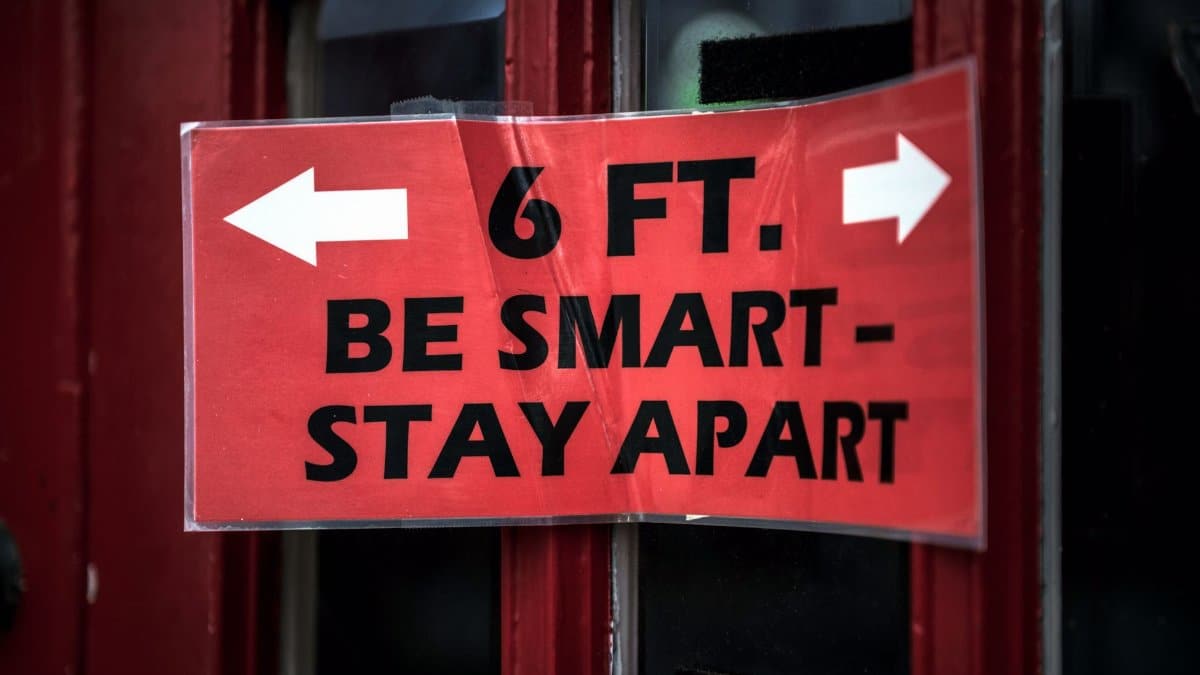
When the deck is new and the ramps reopen, success should not be declared only because cars can cross again. Success would mean the riding surface is sound, the diversion did not become a permanent truck habit on neighborhood streets, and the air data from the closure years is public enough to judge. It would mean small businesses that were promised communication actually received it. It would mean the next long project in the harbor is planned with those results in view, not with a fresh set of assurances.
Until then, the honest posture is watchfulness. Count the trucks on the streets that were never meant to hold them. Ask where the monitors are placed and who reads them. Treat every claim of a smooth detour as a claim that can be checked against a Tuesday afternoon in Wilmington. The Vincent Thomas Bridge will return. The months without it will show, more clearly than any ribbon cutting, what this harbor asks of the people who live beside it.