

In the space of a single news cycle, a president can sign a hard line into statute and then ask the machinery of government to wait. That is the strange picture that emerged on October 17, 2026, when the White House published an executive order freezing a Russia sanctions package enacted the previous month. The Trump Russia sanctions pause rests on a claim of national interest, a phrase broad enough to comfort diplomats and alarm legislators who thought the ink had already dried. For readers far from briefing rooms, the episode is less a technical dispute than a test of whether American pressure on Moscow is a settled policy or a lever that can be lifted when talks, markets, or battlefield news shift.
What the order says it is doing

The October 17 order does not repeal the statute. It directs agencies to hold enforcement of the new package while the president reviews whether immediate application would harm the national interest. In plain terms, banks, shippers, and energy traders are told not to treat the fresh restrictions as active rules until further notice. Older sanctions programs remain on the books. Licenses already granted stay in place unless a separate notice withdraws them. The legal effect is a delay, not a pardon, and delay is exactly why lawyers in Washington spent the weekend reading the order line by line.
A pause of this kind is unusual because the same president signed the underlying law only weeks earlier. Statutes normally move from signature to regulation on a clock set by Congress. An executive hold inserts a second clock, controlled from the Oval Office. Supporters describe that second clock as prudence. Critics describe it as a rewrite of a bargain the president had already accepted.
The package signed the month before

The law enacted in September 2026 tightened pressure on Russian revenue, logistics, and the network of intermediaries that has helped Moscow keep selling oil and buying restricted goods. Public summaries of the statute pointed to tighter rules on shipping services, correspondent banking, and secondary exposure for firms outside Russia that knowingly facilitate prohibited trade. Those tools matter because direct bans on Russian entities have long been easy to route around through third countries.
Congress wrote the package after months of argument about whether existing measures had lost their bite. The vote was not a blank check. It reflected a view, shared across much of the foreign policy establishment, that sanctions work only if targets believe the next violation will cost more than the last. Putting that belief into statute was meant to make the policy harder to walk back in a single afternoon. The Trump Russia sanctions pause now tests how hard that walk back actually is.
National interest as a working phrase

Presidents reach for the national interest when they want room to maneuver. The phrase appears in trade statutes, emergency powers, and sanctions laws because Congress often leaves a safety valve for diplomacy. Used narrowly, it lets a president spare an ally, protect a hostage negotiation, or avoid a shock to fuel prices. Used broadly, it can swallow the statute that created the valve.
The October order cites that interest without publishing a detailed factual record. Readers are told that immediate enforcement could complicate ongoing contacts and unsettle markets. They are not shown the cables, the price models, or the military assessments that supposedly justify the hold. That gap is not automatically improper. Classified material often stays classified. It does mean the public case rests on trust in the president’s judgment rather than on a document ordinary citizens can audit.
Allies trying to read the signal

European capitals have spent years building their own Russia restrictions in parallel with Washington. Joint action is never perfect. Export controls differ. Energy politics differ. Still, the habit of moving together has been the main reason sanctions retained some credibility after the first wave of measures in 2022. A unilateral American pause forces partners to guess whether Washington wants a coordinated softening or a private bargaining chip.
If Europe keeps enforcing while the United States waits, companies will arbitrage the gap. Cargo that cannot clear a European port may seek an American linked service, or the reverse. If Europe follows the pause, Moscow gains time to reroute payments and stockpile parts. Neither outcome is spelled out in the order. Both are visible to anyone who has watched sanctions evasion since the full scale invasion of Ukraine. The Trump Russia sanctions pause therefore lands less as a domestic legal footnote than as a message about whether the Western coalition still shares a calendar.
Oil, shipping, and the price at the pump
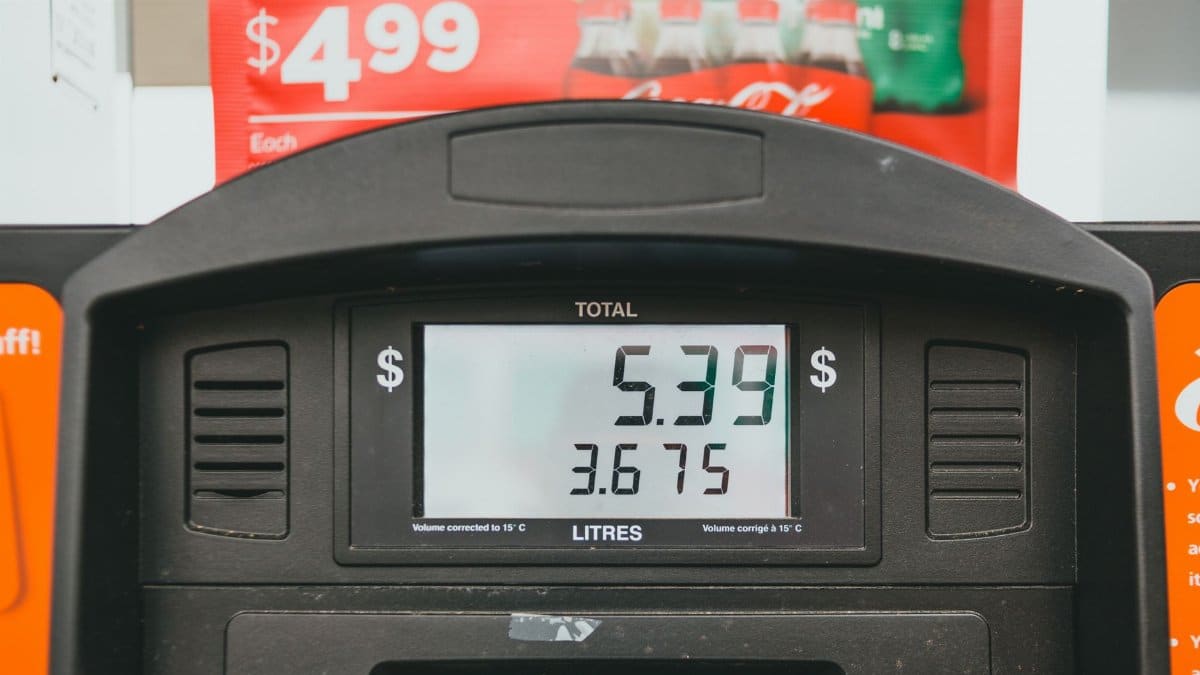
Sanctions on Russia are never only about Moscow. They touch diesel, fertilizer, insurance for tankers, and the cost of moving grain. A sudden tightening can lift prices even when global supply is adequate, because traders price risk as well as barrels. A sudden loosening can do the opposite, at least for a few weeks, if it signals that restricted oil will find buyers more easily.
The pause arrives in a season when households already watch heating bills and grocery totals with little patience for abstractions. That political fact sits inside the national interest claim whether or not the order says so. Energy analysts will look for two numbers in the coming days: the discount on Russian crude relative to benchmark grades, and the share of that crude moving on ships with opaque ownership. If the discount narrows while enforcement is frozen, the pause is doing economic work even before a single new license is issued.
Congress and the question of who holds the pen

Lawmakers who backed the September statute now face a choice they did not advertise on the campaign trail. They can treat the pause as a lawful use of discretion and wait for a report. They can demand the factual basis in closed session. Or they can write a follow on measure that limits how long a president may freeze a sanctions law he has signed. Each path carries a cost. Oversight can look like theater. A new statute can look like a feud inside one branch of government. Silence can look like consent.
Constitutional lawyers will argue, correctly, that foreign affairs gives the executive wide latitude. They will also note, correctly, that Congress may attach conditions when it creates penalties and then fund the agencies that apply them. The Trump Russia sanctions pause sits in that overlap. It is not a court case yet. It is an argument about whether a signature in September still means what members thought it meant in the well of the House and the Senate.
Moscow and the uses of time
From the Kremlin’s side, time is a resource. Sanctions do not topple a government on a schedule. They raise the cost of war, of imports, and of elite consumption. A pause lowers that cost at the margin and tells intermediaries that Washington may blink. Russian officials have every incentive to describe the order as proof that pressure is unsustainable. American officials have every incentive to describe it as tactics. The difference will show up in whether new contracts get signed in the shadow trade, not in communiques.
Diplomacy is the other use of time. If the administration is testing whether a hold can unlock a concession on the battlefield, on prisoners, or on a ceasefire framework, the public will not see the offer sheet. What the public can see is sequence. A law, then a pause, then either a resumption or a longer freeze. Sequence is how serious negotiators signal. It is also how governments drift. The next thirty days will do more to sort those possibilities than any weekend statement.
What a pause does not erase

It is easy to overread a single order. The pause does not lift the broader Russia sanctions architecture built across several administrations. It does not return frozen sovereign assets. It does not legalize prohibited weapons transfers. It does not bind European governments. Companies that already exited Russia are unlikely to reverse that exit because one package is on hold. Reputation, insurance, and shareholder risk remain.
It also does not guarantee a later crackdown. Once traders learn that a signed law can sit idle, they price that lesson into the next statute. Credibility is a stock, not a switch. Spending it may be rational if the return is a real diplomatic gain. Spending it for a headline, or for a few weeks of calmer markets, is a different trade, and a worse one.
The politics waiting at home

Foreign policy rarely stays foreign through an election season, and 2026 is not a quiet year. Voters who want a harder line on Moscow will hear the pause as retreat. Voters who want lower prices and fewer open ended commitments will hear it as common sense. Both groups can cite the same two words, national interest, and mean opposite things. That is the political utility of the phrase, and its danger.
Newsrooms covering the order would do well to separate three questions that campaigns will blend. Did the president have legal authority to wait? Did the wait serve a stated diplomatic aim? Did the public receive enough explanation to judge the aim? The first is for lawyers. The second is for the record of what happens next with Moscow. The third is for citizens who are asked to live with the consequences either way.
How to follow the story without the noise

The useful documents are short. Read the executive order itself, the September statute, and any guidance the Treasury and Commerce Departments issue to banks and exporters. Watch whether licenses multiply or whether the pause stays a simple hold. Note what European foreign ministers say in their own words, not in paraphrases from social media. And watch the shipping data, which is dull and often more honest than speeches.
A feature like this one cannot settle whether the hold was wise. It can mark the stakes. When a president pauses a Russia sanctions law he recently signed, he is not only managing a file. He is teaching allies, adversaries, and his own Congress how durable American penalties are. That lesson will outlast the news cycle that delivered the Trump Russia sanctions pause, and it will shape the next argument over whether pressure and negotiation can share the same week.