
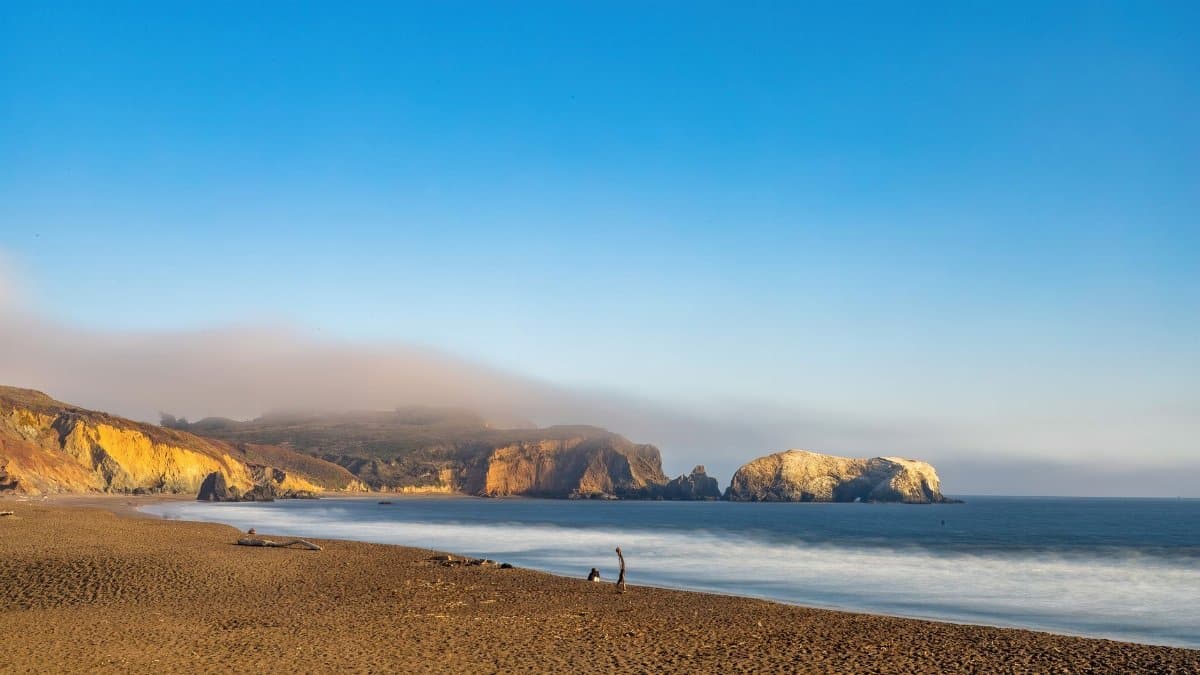
The calendar says October, yet the afternoon light over the bay has the hard brightness of late summer. A Bay Area heat wave is settling in for mid October, the kind that sends office workers toward the water and leaves inland neighborhoods shimmering by early afternoon. Forecasts call for summer like warmth on Thursday and Friday, with many spots climbing into the 80s and even the 90s while the ocean breeze thins out. Beaches that felt brisk a week ago may feel like a holiday weekend. For a region that measures seasons as much by fog as by foliage, the return of heat this late is less a surprise than a reminder. The pattern is familiar. The timing still catches people mid stride, between sweaters already pulled from closets and plans that assumed the heat had finished its work.
What the next two days may feel like

Thursday and Friday are the heart of the warm spell. Along the immediate coast, highs may stay in a comfortable range, warm enough for a long walk on the sand and cool enough that a light layer still makes sense after sunset. A few miles inland the story changes. Cities ringing the bay can push into the 80s, and valleys farther from the water, including parts of the East Bay interior and the South Bay, are more likely to reach the 90s. Nights will not drop as quickly as they did during the first cool week of the month. That matters more than the afternoon number. When bedrooms stay warm after midnight, the body does not recover the way it does in a crisp October dark. Morning commuters may leave in jackets and regret them by lunch. Evening plans that assumed a chill will need a second look.
Why the warmth lingers into October
Late season heat in this region is usually a story about pressure and wind, not about a sudden failure of autumn. High pressure parked over the West can shove the marine layer offshore and let inland air drain toward the coast instead of the other way around. When that happens, the natural air conditioning of the Pacific weakens. Fog that normally pours through the Golden Gate in the afternoon stays thin or fails to arrive at all. The sun, still fairly high for mid October, does the rest on dry ground that has not seen a soaking rain. Meteorologists have watched this setup repeat for years. It does not require a record to feel significant. It only requires a few days when the usual brake on temperature, that gray lid of cloud, lifts. Residents who track the forecast learn to read those shifts the way other places read a snow line.
Coast, bay, and the hot inland valleys
The Bay Area is not one climate. It is a set of microclimates stacked against ridges, gaps, and long fingers of water. During a warm surge, that geography becomes the whole forecast. A person in Half Moon Bay can eat lunch in a breeze while someone in Livermore watches the patio furniture radiate heat. San Francisco often splits the difference, mild near Ocean Beach and noticeably warmer in the Mission or along the bay shore once the wind drops. Oakland and Berkeley can feel almost coastal in the morning and inland by three. Santa Rosa and the valleys north of the bridge tend to run hotter still when offshore flow sets up. The practical advice is local. Checking a single downtown reading will mislead anyone who lives over the first set of hills. The same day can be beach weather in one zip code and a stay inside afternoon in another.
Bodies, homes, and the small risks of sudden heat
Heat that arrives after people have mentally switched seasons carries a particular risk. Older adults, young children, outdoor workers, and anyone without reliable cooling are the first to feel it. Homes built for mild summers, with little insulation and no air conditioning, hold warmth overnight. Fans help only when the air itself is cooler than the room. Public health officials in California have spent recent years urging earlier attention to heat illness, not because every warm day is an emergency, but because the harm is quiet. Headache, confusion, and nausea can look like an ordinary bad afternoon until they are not. Pets left in cars, even with a window cracked, remain a stubborn danger on days that do not feel extreme at 9 a.m. A simple rule still holds. If the pavement is hot to a bare hand, it is too hot for paws, and if a room will not cool by bedtime, that is the night to visit a cooler place or open the house only after the outside air finally drops.
Dry grass and the fire weather question
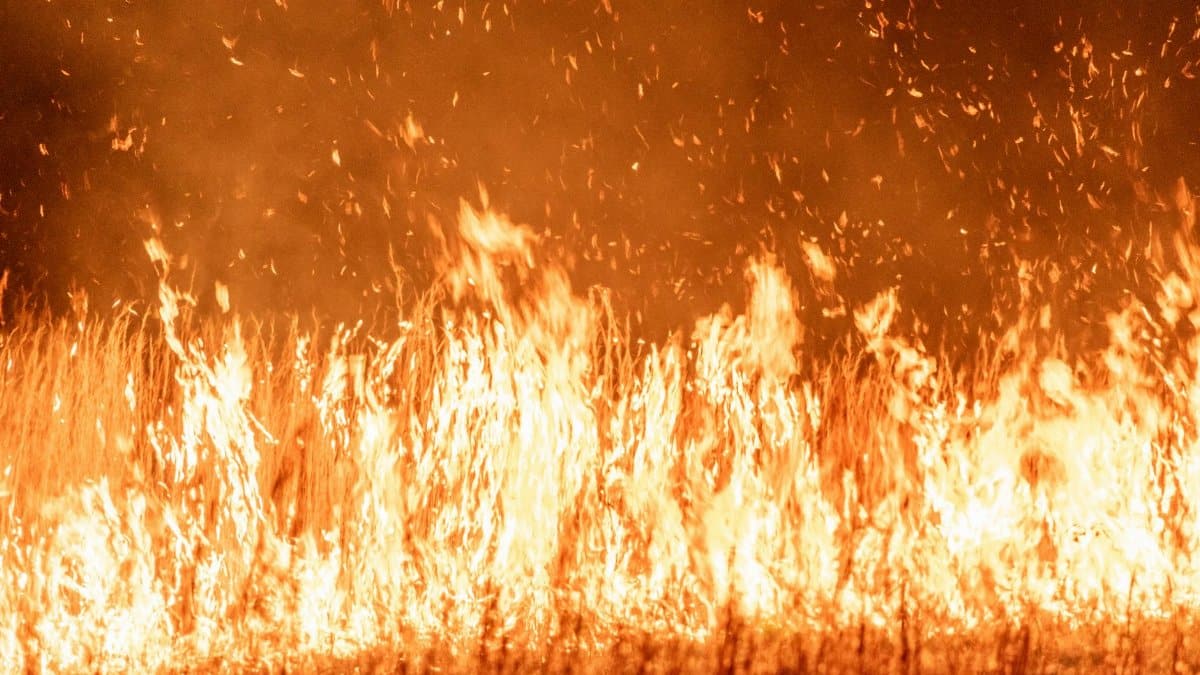
Warmth in October is never only a comfort story. By this point in the year, grasses on the hills are cured, and live fuels in some canyons are drier than they look from a freeway. A Bay Area heat wave does not by itself ignite anything. It does remove moisture and, when paired with wind, can raise the chance that a spark travels. Residents in the hills already know the drill from late summer: clear a defensible space, avoid equipment that throws sparks on windy afternoons, and pay attention if local agencies post red flag warnings. Most of these warm days pass without incident. The memory of autumn fires in Northern California is still close enough that complacency feels unwise. Beach crowds and fire watches can occupy the same weekend. That contradiction is part of living here now, and it asks for attention rather than panic.
Work, school, and the outdoor calendar

Institutions built around a mild climate adjust in small ways. Youth sports may shift practice earlier. Construction crews take longer water breaks. Schoolyards that felt perfect for recess last week can turn harsh by early afternoon, especially on asphalt. Transit riders waiting on exposed platforms feel the difference more than drivers in cooled cars. Restaurants with patio seating will fill, then empty, as the sun angle changes. I have sat through enough October afternoons in this region to know the mood swing is quick. At 11 the day feels like a gift. At 3 it feels like a mistake not to have planned shade. Employers who can offer flexible hours, or at least a cooler indoor space, reduce more risk than a generic reminder to hydrate. The people least able to rearrange a shift are the ones the forecast should be written for.
How people are changing their plans

The social response to this kind of weather is already visible. Beach parking lots fill on weekdays. Ferry decks get the seats that usually go empty after Labor Day. Hiking trails that were quiet in the morning fog see a second rush, then a retreat once the exposed ridges heat up. Grocery stores sell more sparkling water and fewer soup ingredients for a few days. Some households reverse the seasonal closet swap they started too early. Others treat the warmth as a last outdoor holiday before rain, whenever rain decides to be serious. A Bay Area heat wave in October has a particular social texture. It is not the stunned heat of a rare June scorcher, and it is not the expected blaze of August. It feels borrowed. People use it with a slight sense that they are getting away with something, even as they check the hills and the overnight low.
When the marine layer may return
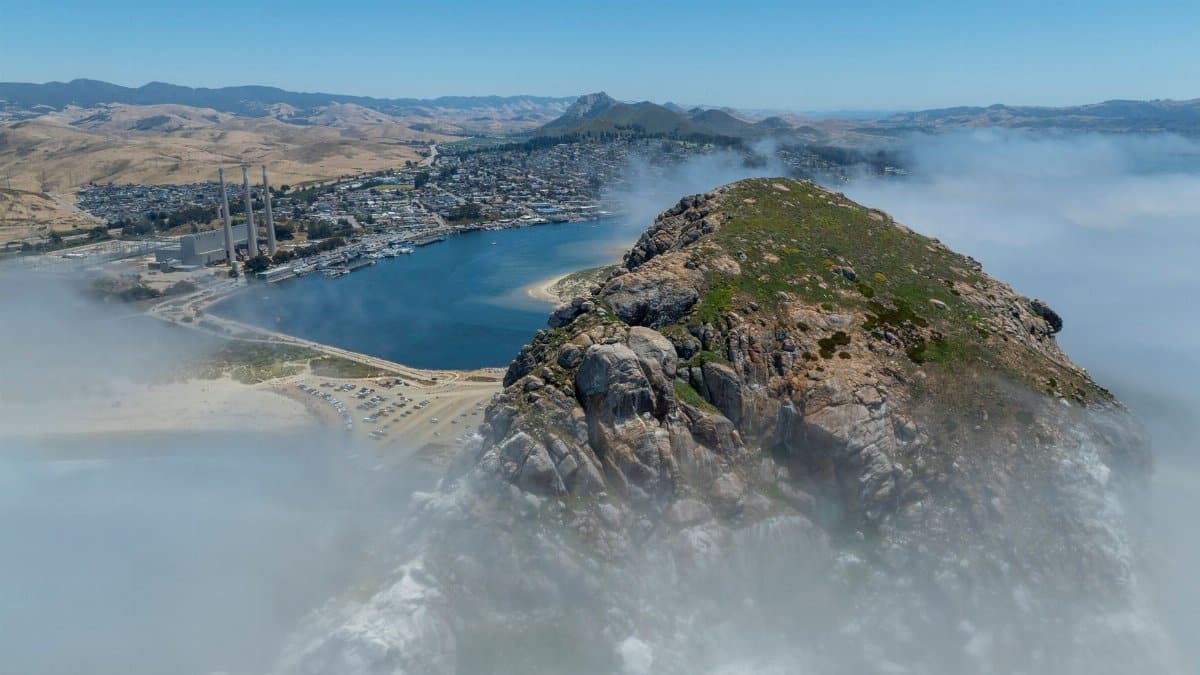
Warm spells of this type rarely last in a straight line. The Pacific is still cold. Once high pressure eases or the wind turns back onshore, fog and cooler air can reclaim the coast within a day. Inland valleys cool more slowly, and a single mild night does not erase heat stored in walls and pavement. Forecasters will be watching the strength of the sea breeze and whether low clouds rebuild overnight into Friday and the weekend. Residents should expect a split ending rather than a clean one. The beach may turn gray and windy while a valley town remains warm into Saturday. That split is the region returning to form. Packing both a sun hat and a sweater is not indecision. It is literacy.
Living with a season that will not stay put

There is a temptation to treat every warm October day as proof of a single grand narrative, and another temptation to shrug and call it ordinary California. Both miss the texture of the week in front of people. The near term facts are plain. Thursday and Friday look hot for the date, especially away from the water. Beaches may offer the most pleasant hours. Inland homes may not cool well at night. Dry vegetation deserves respect if wind increases. Beyond that, the season is doing what it has done before: refusing a clean handoff from summer to rain. Paying attention is a civic habit as much as a private one. Check a local forecast, not a regional headline alone. Look after neighbors who cannot easily leave a hot apartment. Keep a margin in plans that depend on cool air. The Bay Area heat wave will pass. The practice of reading this landscape, coast against valley, fog against sun, will be useful again before the month is over.