
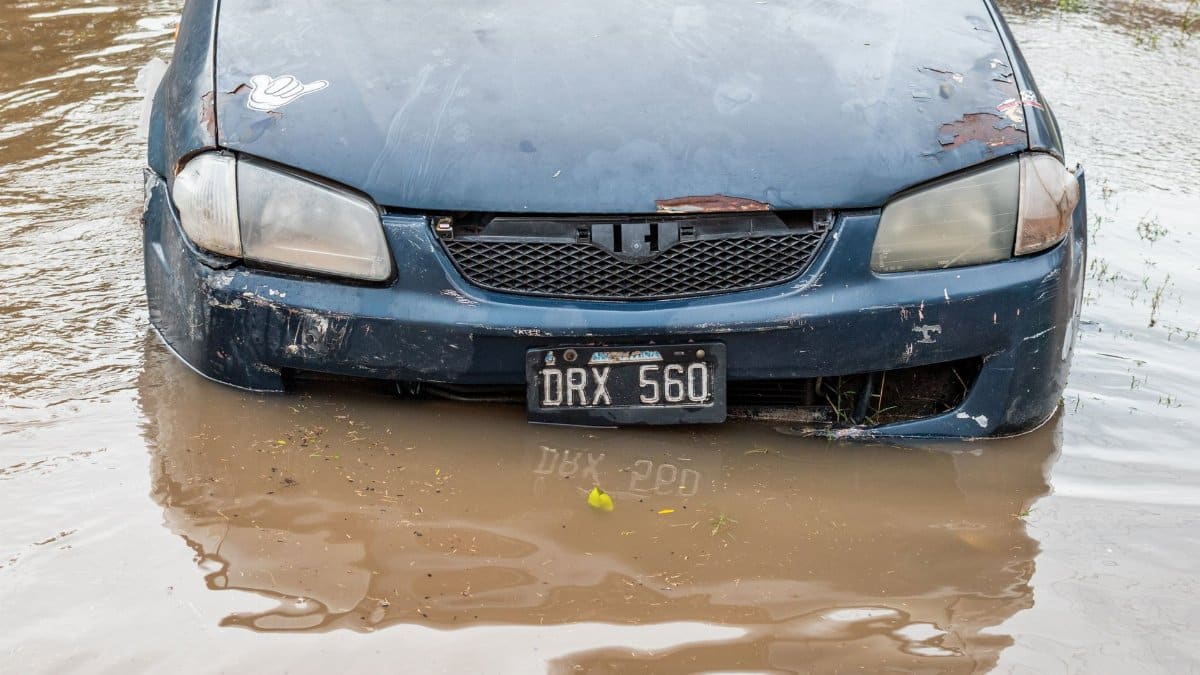
On a gray morning in a low lying block of Sacramento, a sedan sat nose deep in brown water that had climbed the curb overnight. The owner had moved it the evening before, betting the storm would stall inland. By dawn the street was a slow river, and neighbors were already talking about EV battery fire risk as if it were just another item on the winter list, somewhere between sandbags and a dead sump pump. The phrase sounds alarmist until you stand beside a quiet car and realize the danger may not announce itself while the water is still rising. El Niño years have a way of turning ordinary driveways into test sites for machines that were never meant to sit underwater.
What standing water does inside a sealed pack
An electric car battery is not a single brick. It is a dense assembly of cells, cooling lines, sensors, and high voltage connections, wrapped in a case that is tough against road spray and far less certain against hours of immersion. Manufacturers design those cases to shrug off puddles, car washes, and brief fording. A flood is a different event. Pressure finds seams. Debris scores seals. Salt, silt, and dissolved metals travel with the water and can create paths for current that the pack was never intended to host.
When that happens, the failure is often electrical before it is fiery. A short circuit can heat a small region of cells. Heat then drives a chemical reaction that feeds more heat, a process engineers call thermal runaway. From the sidewalk the car may look merely stranded. Under the floor, a pocket of damage can be growing with almost no visible cue. That lag is what makes flooded electric vehicles so unsettling for owners and for the people sent to tow them.
Fresh floodwater from an overflowing river is not harmless, but coastal surge and urban runoff mixed with seawater raise the stakes. Salt increases conductivity. A film of brine left behind after the street drains can keep conducting long after the dramatic part of the storm is over. Public safety agencies, including the National Highway Traffic Safety Administration, have urged owners of submerged electric vehicles to treat the cars as potentially unstable and to avoid charging or driving them until a qualified technician inspects the pack. The agency maintains consumer guidance at https://www.nhtsa.gov/.
Why the fire may wait until the street looks normal
The most counterintuitive part of EV battery fire risk is timing. People expect trouble while water is lapping at the doors. In practice, ignition has been reported hours or even days after a vehicle was pulled from a flood, sometimes in a tow yard, sometimes after an owner tried to dry the cabin and plug in. Residual moisture, corroded connectors, and damaged insulation do not always fail on a schedule that matches the weather forecast.
Fire crews have learned to respect that delay. A pack that hisses, pops, or emits a sweet or sharp chemical smell is already telling you to step back. White or gray vapor can look like steam from a wet engine bay. It may instead be venting from cells. Once runaway starts, water from a garden hose will not end it the way it ends a trash can fire. Large volumes of water can cool neighboring cells and limit spread, which is why professional crews often keep flowing water for a long time, but the decision belongs to trained responders with the right protective gear, not to a neighbor with a reel.
The National Fire Protection Association has published materials for departments facing electric vehicle incidents, including vehicles that have been submerged. Those resources live at https://www.nfpa.org/. They do not suggest that every wet electric car will burn. They do insist that uncertainty itself is a hazard, and that storage after recovery matters as much as the rescue.
El Niño, California streets, and a geography that floods in layers
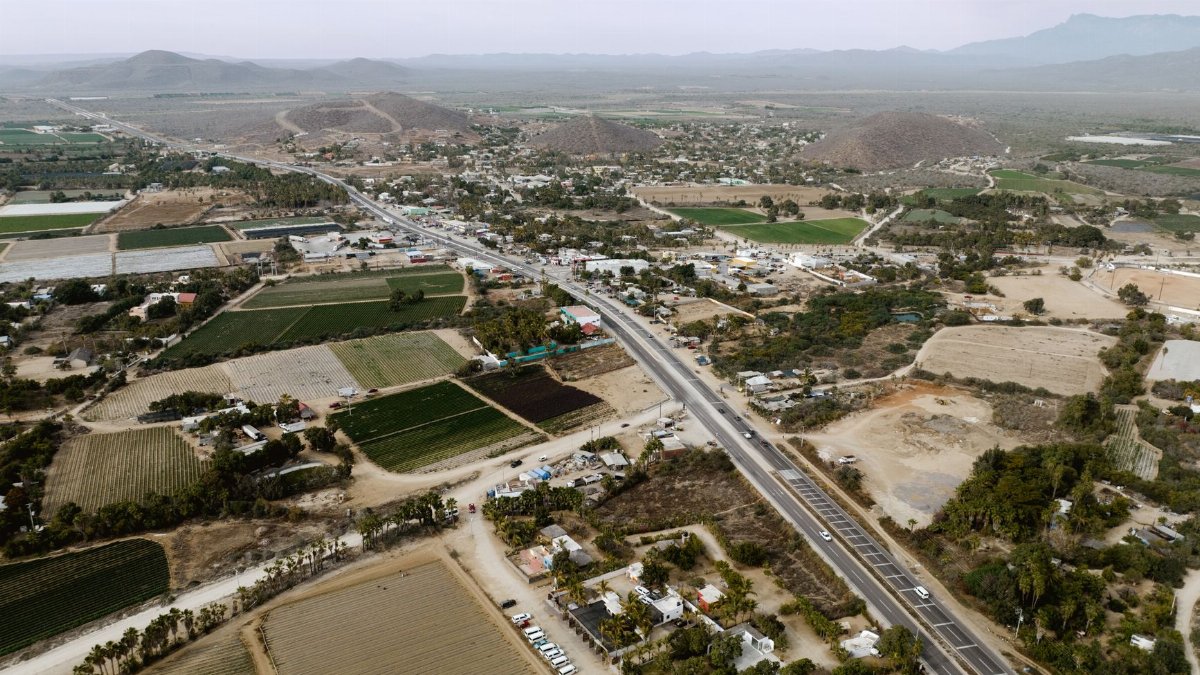
California does not flood in one uniform way. Atmospheric rivers can dump warm rain on a deep snowpack and send rivers out of their banks in the Central Valley. Coastal communities can see king tides stack on storm surge. Urban neighborhoods with old storm drains can fill from a single intense cell even when the official river gauges look calm. El Niño tilts the odds toward a wetter winter in much of the state, which means more driveways, underground garages, and curbside parking spots will spend a night underwater.
That variety matters for owners. A car parked on a slight rise in Los Angeles may be fine while a car two blocks downhill is not. Underground residential garages are a special worry because water enters faster than it leaves, and exhaust and vapor have fewer places to go. If your building has a history of even modest backup during heavy rain, the conservative move is to relocate the vehicle before the first major pulse, not after the alerts start stacking on your phone.
I have watched enough winter storms in this state to know how quickly confidence outruns the forecast. People remember the last storm that fizzled. They forget the one that closed a freeway for a day. The useful habit is local: know the elevation of your usual parking spot relative to the nearest drain, and treat any forecast of street flooding as a reason to move the car, whether it burns gasoline or stores energy in a pack.
What owners can do before the water arrives

Preparation is dull, which is why it works. If a flood watch covers your block, move the vehicle to higher ground while the roads are still passable. Do not attempt to drive through water of unknown depth. Electric cars can lose traction and stall like any other car, and a stalled car in moving water is a rescue problem before it is a battery problem. If the only higher ground is a public garage, confirm that the lower levels are not themselves flood prone.
If the car is already sitting in water, do not wade in to retrieve belongings if the water is above the sills or if you cannot see the pavement. Do not try to start the vehicle to move it out. Do not connect a charger, including a portable unit in a garage that has taken on water. Charging equipment and household outlets in a flooded space are shock hazards on their own. Call your insurer and a towing firm that has experience with electric vehicles, and tell them the car was submerged so they can plan for isolation and outdoor storage.
Keep a simple record: time you first noticed water, approximate depth, whether the car was plugged in, and any warning lights you saw before the storm. That notesheet helps the technician and the claims adjuster. It also keeps you from relying on memory after a sleepless night. The Department of Energy offers plain language background on electric vehicle safety at https://www.energy.gov/, which is a better starting point than a social media thread filmed in another country under different rules.
After the water leaves, resist the urge to tidy and charge

The emotional pull, once the street drains, is to make the car normal again. Open the doors. Run a fan. Towel the carpets. Plug in so you can get to work. That sequence is understandable and, for a flooded high voltage vehicle, unwise. Cabin drying does not dry the pack. A charger cannot diagnose internal damage. If the battery management system is offline or throwing faults, forcing a session can add energy to a compromised system.
Leave the car outside and away from structures if a qualified tow can place it there. A recommended buffer used by many departments is on the order of fifty feet from buildings and other vehicles when a pack is suspected of damage, though site conditions vary and the fire department should set the distance if there is smoke, heat, or noise. Do not store the vehicle in an attached garage while you wait for an appointment. Do not cover a warm or odorous pack with a tarp that traps vapor against the case.
Watch for late signs over the following days: a popping sound, a rising hood or floor temperature you can feel without touching questionable metal, discoloration, or a smell that is not just wet carpet. If any of those appear, call emergency services and say you have a flood damaged electric vehicle that may be entering thermal runaway. Use plain words. Dispatchers route faster when the hazard is specific.
How fire crews and tow operators have rewritten the routine
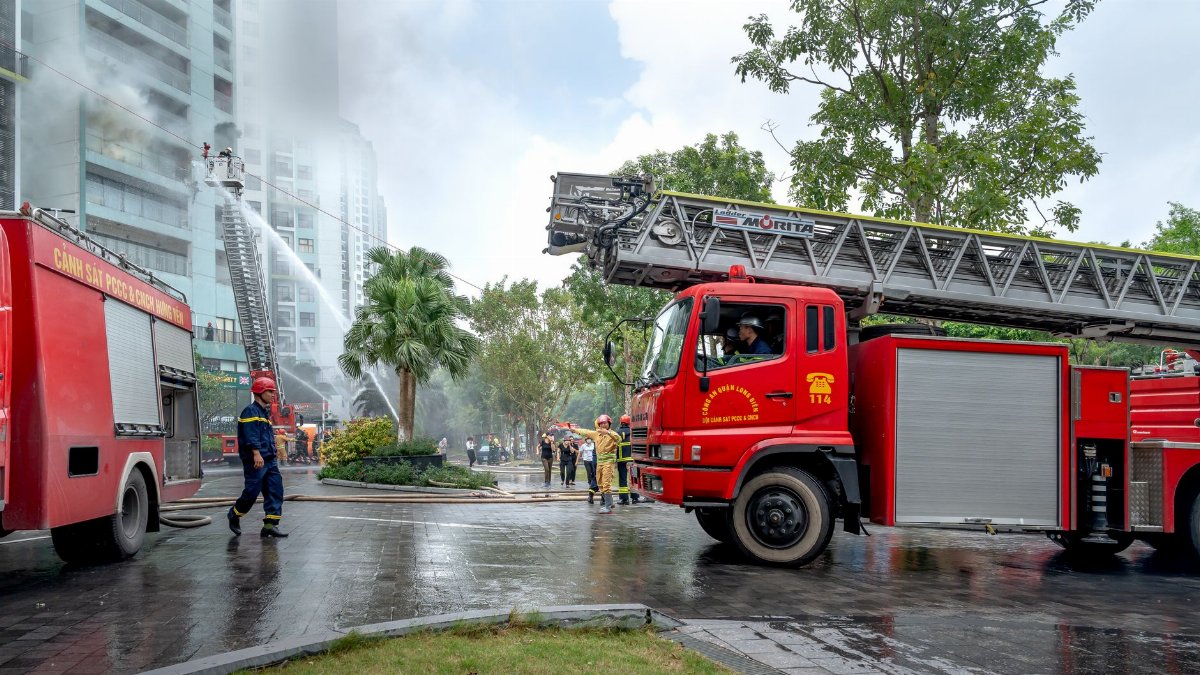
Departments that saw the worst of recent California winters have adjusted training. Submerged electric vehicles are approached as energized equipment until proven otherwise. Teams look up disable procedures, avoid cutting into the pack, and plan for a long cooling operation rather than a quick knockdown. Tow operators are asking dispatchers whether a car sat in water before they hook it, because a standard flatbed job can become a yard fire if the pack fails after dark among other customer cars.
None of this means electric vehicles are uniquely doomed in wet weather. Gasoline vehicles flood too. Their tanks, wiring, and catalytic converters create their own post storm failures, including fires. The difference is chemistry and duration. A damaged lithium ion pack can reignite after crews believe the scene is cold. That is why some yards now park suspect electric vehicles in a cleared row with space on every side, and why some insurers would rather total a deeply submerged car than return it to the road after a cosmetic dry out.
Owners sometimes hear that policy as waste. It is also a recognition that a pack inspection is not a glance with a flashlight. Proper evaluation can require diagnostic tools, isolation checks, and, in serious cases, removal of the pack. If a shop cannot explain how it will verify the high voltage system after submersion, it is reasonable to seek another shop rather than accept a quick all clear.
Sorting fear from the everyday record

Context keeps the warning from curdling into myth. Electric vehicles are not bursting into flame on dry freeways at a rate that matches the loudest headlines. Most battery fires that do occur are rare relative to the miles driven, and many have causes unrelated to weather, including crashes and manufacturing defects that recalls are meant to catch. The flood problem is narrower and more concrete: water plus a high voltage pack plus time. Treating that narrow problem seriously does not require declaring the technology unfit for California.
What the wet years do require is honesty about edge cases. A state that asks residents to plug in also has to tell them, in ordinary language, when not to plug in. Dealers and automakers should state submersion guidance in the same place they advertise range, not in a footnote discovered after a claim is denied. Cities that permit dense curbside charging should know which blocks flood and should message those blocks before an El Niño winter, not after the first viral video.
Readers who want a measured view of EV battery fire risk can hold two facts at once. Daily driving, including rain, is not the scenario that keeps safety engineers up at night. Prolonged immersion, especially in conductive water, is. The responsible response is relocation before the storm, professional recovery after it, and patience while someone qualified decides whether the pack is sound.
A winter habit worth keeping after the headlines fade
Storms end. The habit should not. Know your parking elevation. Keep your insurer and a capable tow contact in your phone before you need them. If you rent a garage, ask the manager where water went during the last atmospheric river, not whether the building has never had a problem. If you are shopping for an electric vehicle, ask the seller what the manual says about submersion and who is authorized to inspect a pack in your county. Those questions are not disloyal to the idea of cleaner cars. They are how a new machine becomes a normal one.
California will keep getting winters that rewrite a street in a single night. El Niño merely concentrates the odds. The cars on those streets will increasingly carry large batteries, and the people who own them deserve advice that is specific rather than theatrical. Move the car early. Stay out of the water. Do not charge a flooded vehicle. Give the pack time and expertise, not a hair dryer and a hope. That is the practical core of EV battery fire risk in a flood year, and it is available to anyone willing to act before the curb disappears.