
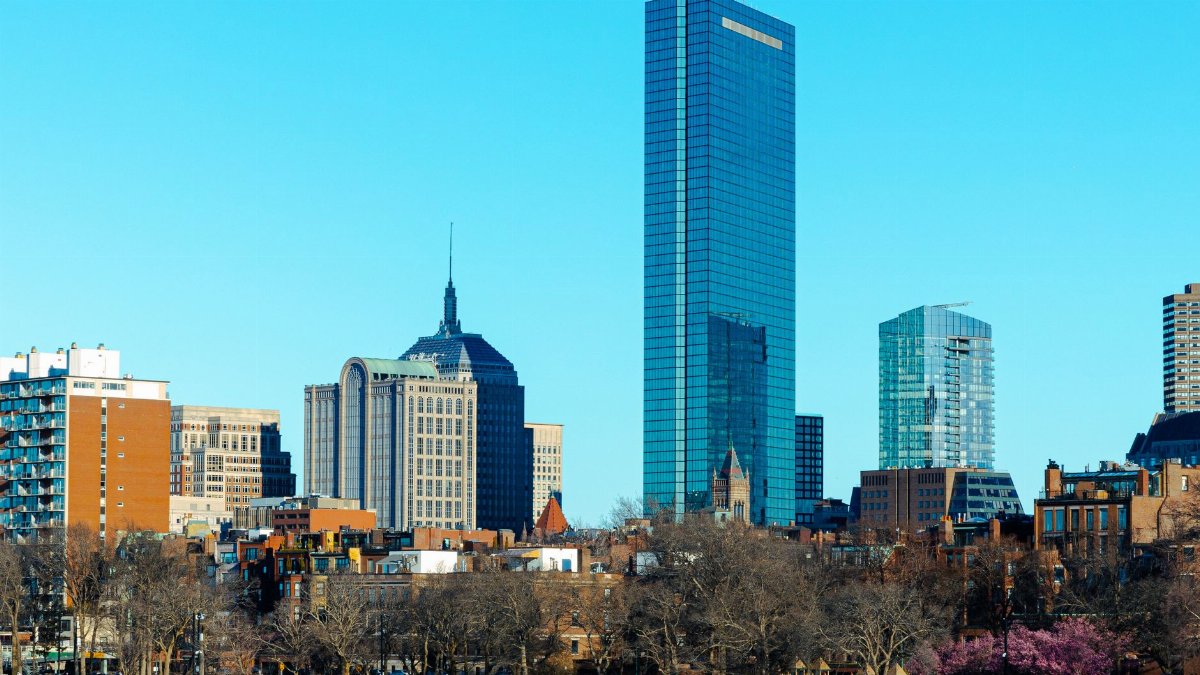
On a bright October morning the Charles looks less like a river than a procession. Shells slide under the bridges, coxswains call the stroke, and the banks fill with people who came for sport and stayed for the company. Anyone looking through Boston weekend events Head of Charles will find the regatta sitting at the top of the list, not as a novelty but as the city’s autumn ritual on the water. Around it, the same weekend guide points toward a rodeo and a book festival, a mix of noise, pages, and river light that asks residents to leave the house.
A river that becomes a public square
The Head of the Charles has long turned a working stretch of water into something closer to a civic room. Clubs from across the country and from abroad send crews. Alumni return in jackets that have seen too many Octobers. Neighbors who do not know a catch from a drive still show up, because the path is closed to ordinary hurry and open to standing still. From the bank, precision becomes a reason to talk to strangers.
I have stood near Weeks Bridge when the wind came hard off the basin and the announcements blurred into the trees. What stayed was not a single result. A roar moves upstream like weather. A shell appears, thin as a pencil line, and then it is gone. The meaning sits in the gathering more than in the placing.
How the racing actually unfolds
Unlike a side by side final on a buoyed straight, this regatta sends boats off in sequence. Crews chase the clock and the boat ahead. From the bank the logic can feel elusive. A shell that looks lonely may be having the row of its season. A pack that looks dramatic may be a matter of starting intervals as much as speed. Veterans of the event learn to trust the announcers and the programs more than the eye.
The course runs roughly three miles, past boathouses whose doors open onto ramps polished by decades of feet. Names on the bow tell a social history of American rowing, colleges and clubs and masters crews whose average age would surprise anyone who thinks the sport belongs only to the young. Saturday carries the heaviest public crush. Sunday keeps a devoted crowd and a gentler pace along the paths.
Where to stand and what you will hear
The best view is rarely the first gap in the crowd. Early arrivals claim the railings near the start and along the Cambridge side where the course bends. Families spread blankets on the grass before the path fills. Cyclists learn, sometimes the hard way, that this is not a morning for speed. The soundtrack is specific: a horn, a coxswain’s bark, the slap of oars, then a human noise that rolls when a local club comes through.
Bring layers. October on the Charles can feel like September at noon and like November by four. People who treat the regatta as a picnic rather than a stadium event tend to last longer and see more.
The bridges as balconies
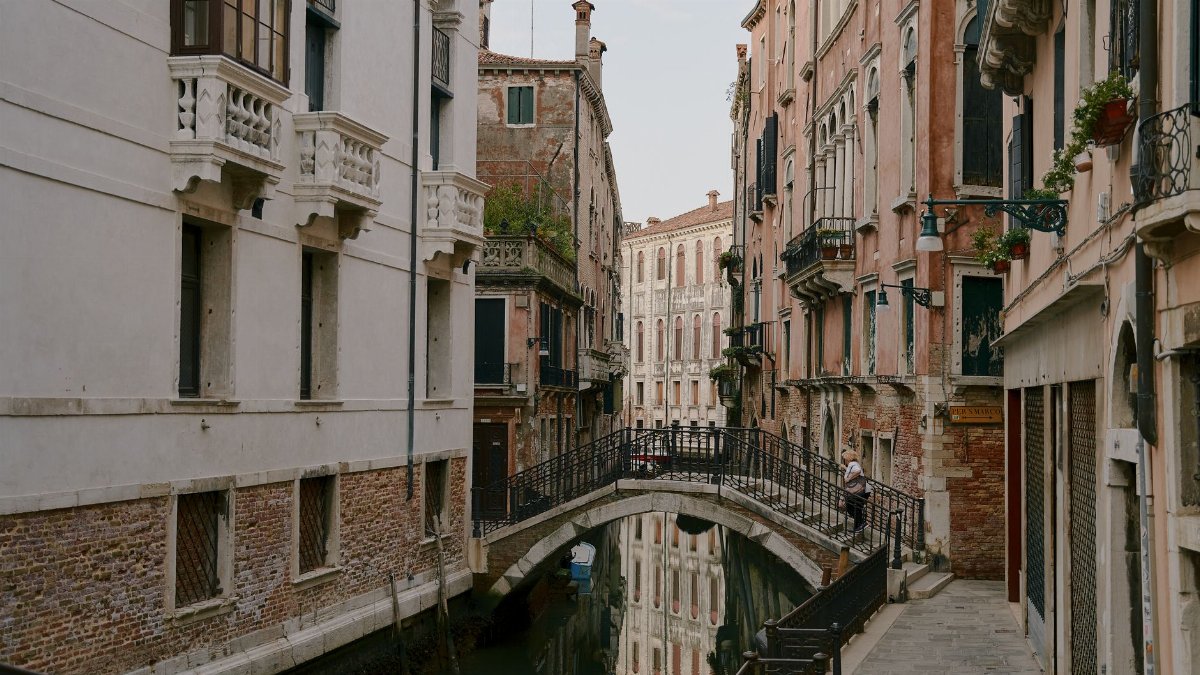
Bridges do the work that grandstands do in other sports. From above, the line of a crew becomes readable. You can see whether the blades enter together. You can see the bow rider crouched low, a detail useless to the casual eye and essential to the tradition of this race. Children press against the rail. Someone always explains, half correctly, what a head race is.
The press of bodies on a bridge is its own small civics lesson. Strangers make room for a stroller. Alumni argue, fondly, about a race from another century of their own lives. If Boston weekend events Head of Charles has a single image worth keeping, it may be this one: a city standing over its river, watching work that looks like grace.
A rodeo in the city mix
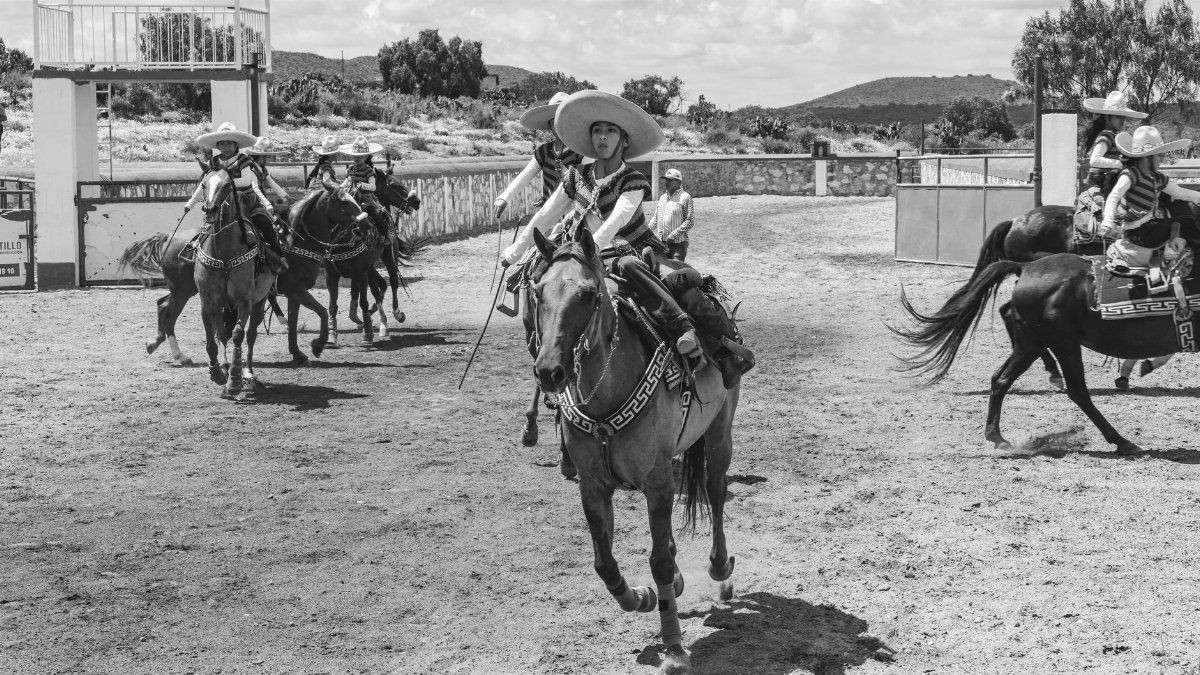
The weekend guide does not ask the river to carry every hour. It also flags a Boston rodeo, a sharper and dustier spectacle for readers who want hooves, rope, and a crowd that cheers in a different register. One event is measured in strokes per minute. The other is measured in nerve, in seconds that feel longer than they are.
City rodeos surprise people who assume the form belongs only to open country. The appeal is competence under watch, animals and riders reading each other while an audience learns the difference between flash and craft. Check the guide for venue and hours before you promise a child a particular start. These bills shift, and the banks of the Charles will not tell you when the gates open.
Pages, authors, and a quieter crowd
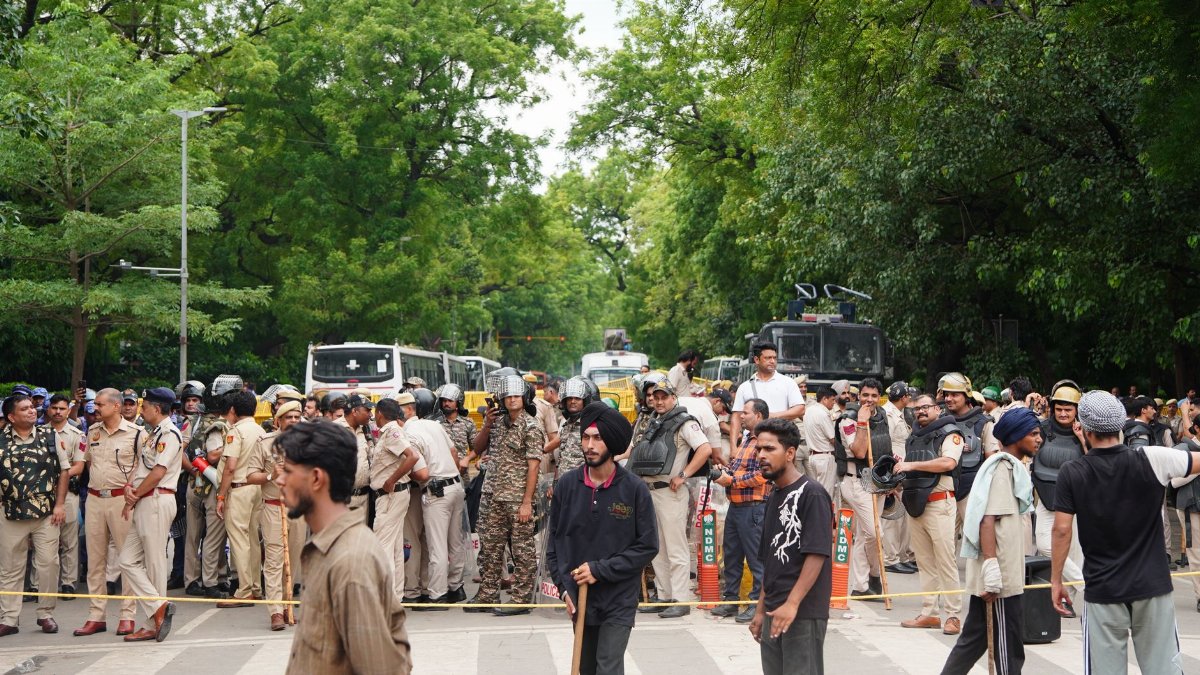
The book festival offers the third note in the chord. Where the river is kinetic and the rodeo is abrupt, a festival of pages asks for chairs, microphones, and the patience to hear a paragraph read aloud. Tents and library rooms fill with people who came for one novelist and stay for a poet they did not plan to meet.
There is a spiritual undertone here that has little to do with doctrine. People gather because language still organizes a weekend better than a feed does. They want to be in a room when a sentence lands, then walk back into cold air with paper in a bag. In a guide dominated by Boston weekend events Head of Charles, the festival keeps the city from pretending that spectacle is the only way to spend October.
Eating near the water without a plan
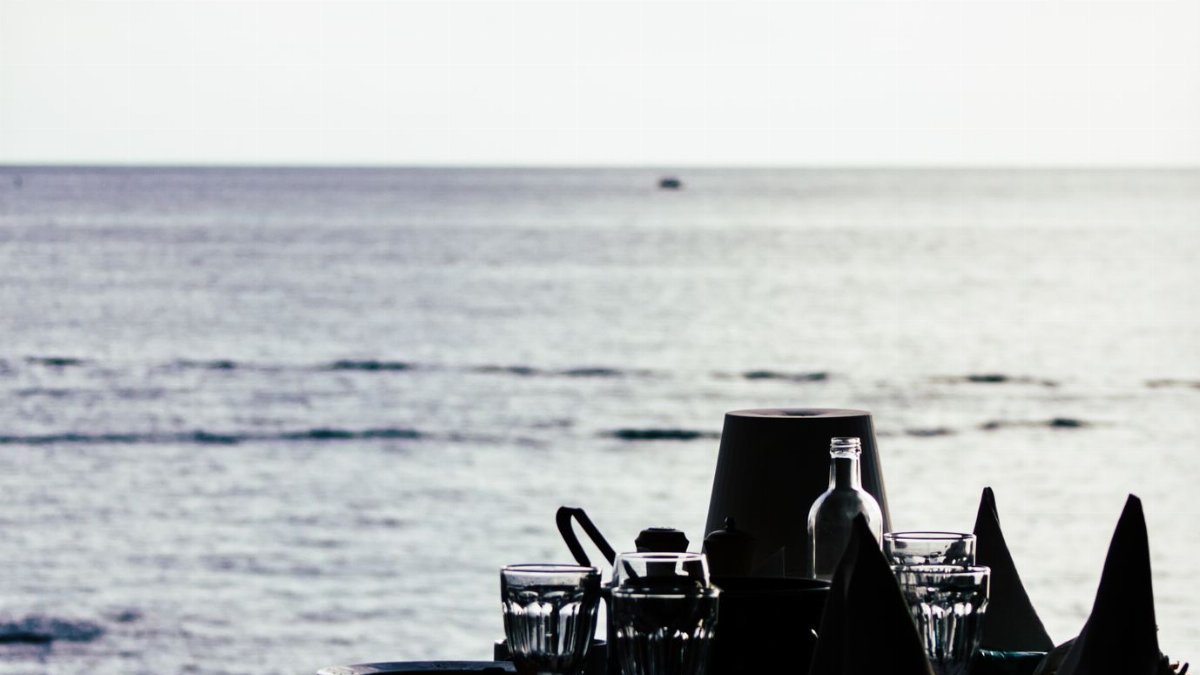
Food along the course is a negotiation. Vendors appear where the foot traffic justifies a cart. Cafes on the Cambridge side fill, then empty, then fill again between heats. The wise move is to eat before you commit to a railing you do not want to surrender. A sandwich in a coat pocket has saved more regatta afternoons than any restaurant reservation.
If you leave the river for a sit down meal, go early or late. The middle of Saturday belongs to people already standing where they want to stand.
Trains, feet, and the long walk home
Driving to the Head of the Charles is a hobby for the patient and the unlucky. Parking stories become their own folklore. The Red Line and a willingness to walk will outperform most clever automotive plans. Bicycles are wonderful on ordinary Saturdays and awkward on this one, when the esplanade functions as a pedestrian room.
Leave time for the walk out. When a popular race ends, the crowd moves as a single animal toward the nearest station. If you are not in a hurry, let it pass. Staying twenty minutes longer is the difference between a checklist outing and a day you actually inhabited.
Children, old hands, and first visits
A first visit rewards low expectations about seeing every famous crew. Pick a bend. Learn one club’s colors. Cheer when those colors appear, and let the rest of the river be scenery. Children last longer if they have a job: spotting the next shell, counting blades, deciding which bridge whistle sounds angriest. Old hands last longer because they already know they will miss things and do not treat the miss as failure.
The regatta is friendly to mixed ages in a way many ticketed sports are not. You can arrive late, leave early, and still have been there. No one owns the banks. The clubs own the boats. The city, for a weekend, owns the excuse.
After the last shell passes
When the final crews come through, the sound changes before the light does. People fold chairs. The river, relieved of its job as a racecourse, goes back to being a river. This is a good hour for the book festival if your energy remains, or for the rodeo if the guide’s clock still has room.
Boston weekend events Head of Charles will be described, in captions and group texts, as a spectacle. The more accurate word may be habit. The city has practiced this habit for generations: line the water, tolerate the crush, argue about the racing, go home with cold hands and a story that is mostly about other people.
What the weekend asks of the city
A good weekend guide is not a dare to do everything. It is a map of overlapping appetites. The regatta asks for time and warm clothing. The rodeo asks for attention to a craft many urban readers only know from films. The book festival asks for quiet in a season that rewards noise.
There is no need to rank them. Some years the river is enough. Some years a single author in a warm room repairs a month of hurry. If you read Boston weekend events Head of Charles as an instruction to stand by the water at least once, the rest of the list can follow your actual energy rather than your anxiety about missing out.
Go early if you want a railing. Leave before you are miserable. The Charles will still be there on Monday, ordinary again, which is part of why the weekend feels large. For a few days the ordinary water holds a procession, and the city remembers how to watch.