
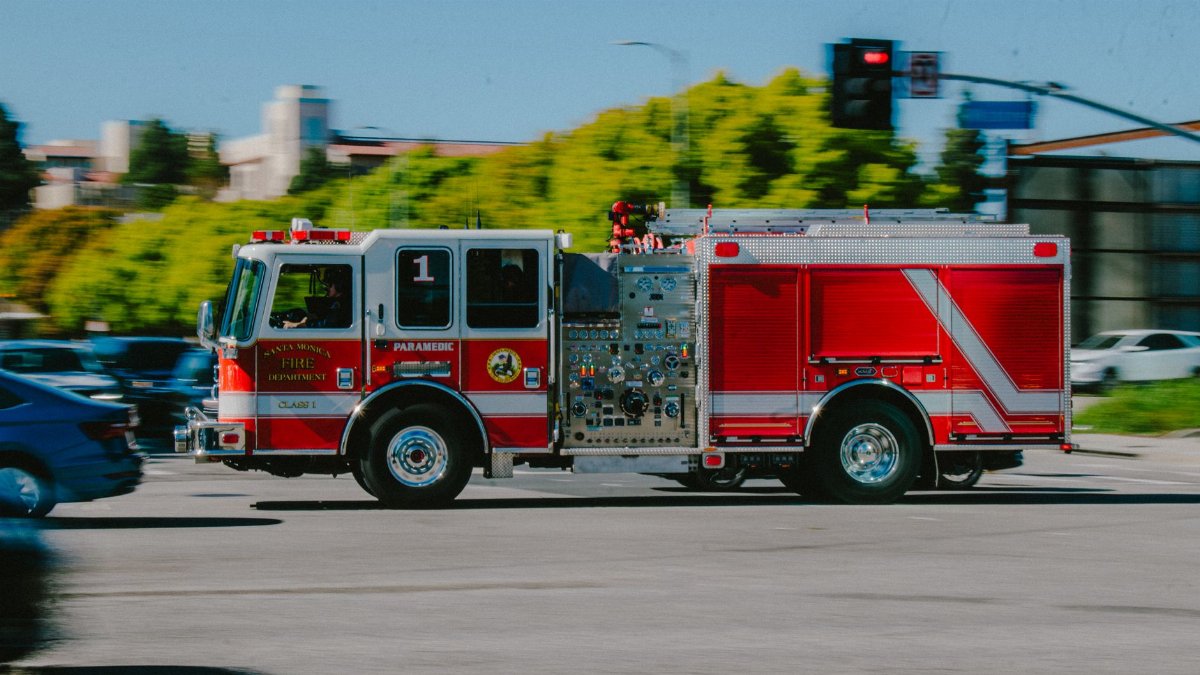
On a bright October afternoon in Brentwood, the first sign was not a siren but a thin column of smoke lifting above the trees near the federal medical campus. Neighbors on the west side of Los Angeles have learned to read that color the way sailors read a change in the swell. Reports placed the Brentwood brush fire VA building scene at the edge of open slope and institutional grounds, close enough to offices, clinics, and parking rows that a small flame could feel personal within minutes. With Santa Ana winds forecast to strengthen, the question was not only where the fire had started but how quickly the air itself might take sides.
Smoke over a campus people trust
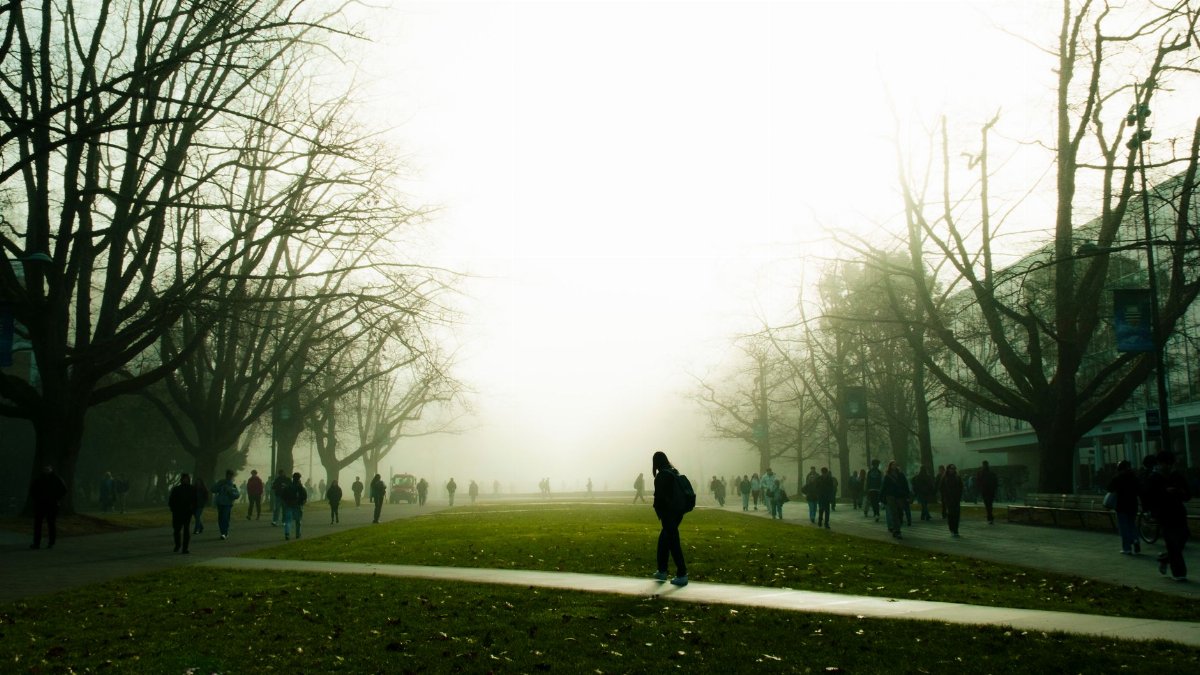
The grounds of the Veterans Affairs complex in West Los Angeles are not a wilderness. They are a working landscape of clinics, administrative buildings, lawns, and patches of brush that have survived decades of urban growth. Patients arrive for appointments. Staff cross walkways with coffee. Visitors look for a familiar entrance. When smoke appears in that setting, the ordinary map of the day collapses. A brush fire is no longer an item on a regional map. It is a smell in a hallway and a decision about whether to stay for a scheduled visit.
That proximity is what made the Brentwood brush fire VA building reports travel so fast through group texts and neighborhood feeds. People did not need acreage totals to understand the stakes. They needed to know whether roads were open, whether patients were being moved, and whether the wind had begun to lean on the flame. In a city that measures danger in minutes, those practical questions arrive before any larger meaning does.
What a brush fire actually is
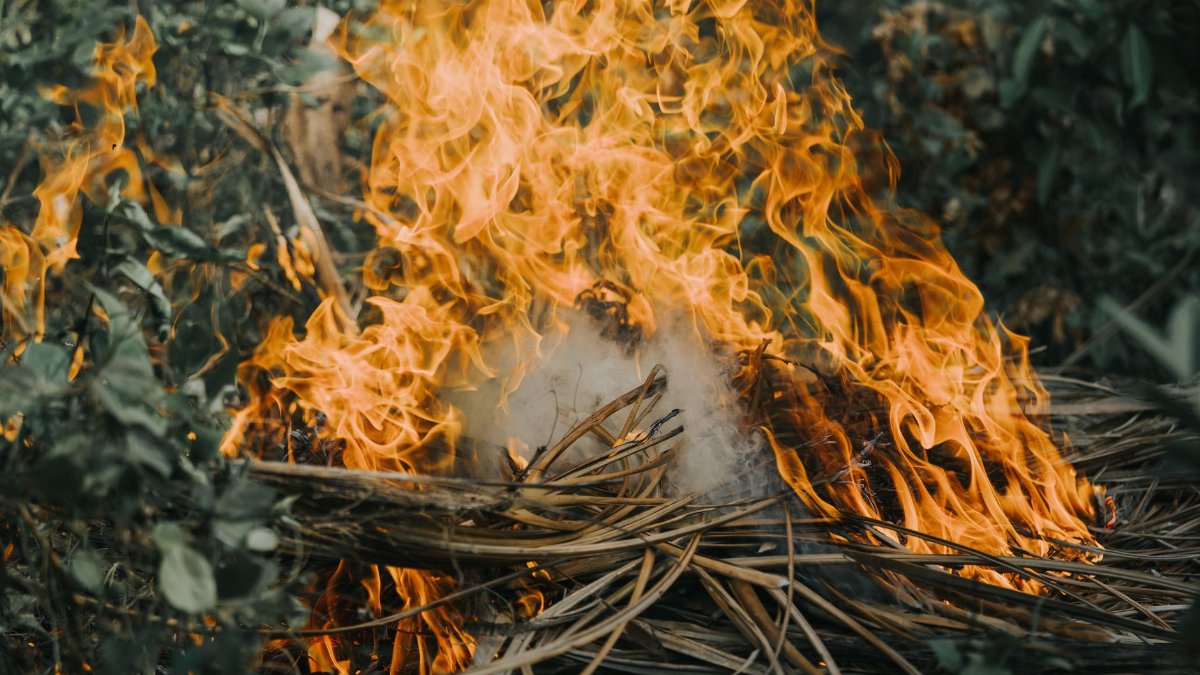
A brush fire feeds on dry grass, shrubs, and the litter of a long warm season. It is smaller in name than a wildfire that runs through canyons for days, yet the distinction can vanish when wind, slope, and fuel line up. On the west side, pockets of native and ornamental growth sit beside roofs, fences, and utility lines. A fire that looks modest from a freeway overlook can still throw embers onto a roof or close a street that ambulances use.
Fire agencies treat that ambiguity with respect. Crews look at flame length, rate of spread, and the path toward structures. They also look at the clock. Afternoon heat dries fine fuels. Evening wind can rearrange the whole problem. A fire that crews might hold with a few engines in still air becomes a different event when gusts arrive from the desert and push west toward the coast.
Santa Ana winds and the hours that matter
Santa Ana winds are a seasonal fact of Southern California, not a surprise. High pressure over the interior sends air downhill and seaward. As it descends it warms and dries. Humidity falls. Gusts find every gap between buildings and every saddle in the hills. Forecast language about strengthening winds is therefore not background color. It is a change in the physics of the fire.
Residents who have lived through October and November know the signs in the body as well as on a weather app. Doors slam. Dust films the car. The air feels thinner and strangely warm after dark. Those same hours are when incident commanders decide whether to hold a perimeter or call for more aircraft before the light goes. For people near the Brentwood brush fire VA building area, the forecast was a reason to watch the sky and also a reason to prepare for a night that might not stay quiet.
Veterans, patients, and a different kind of vulnerability
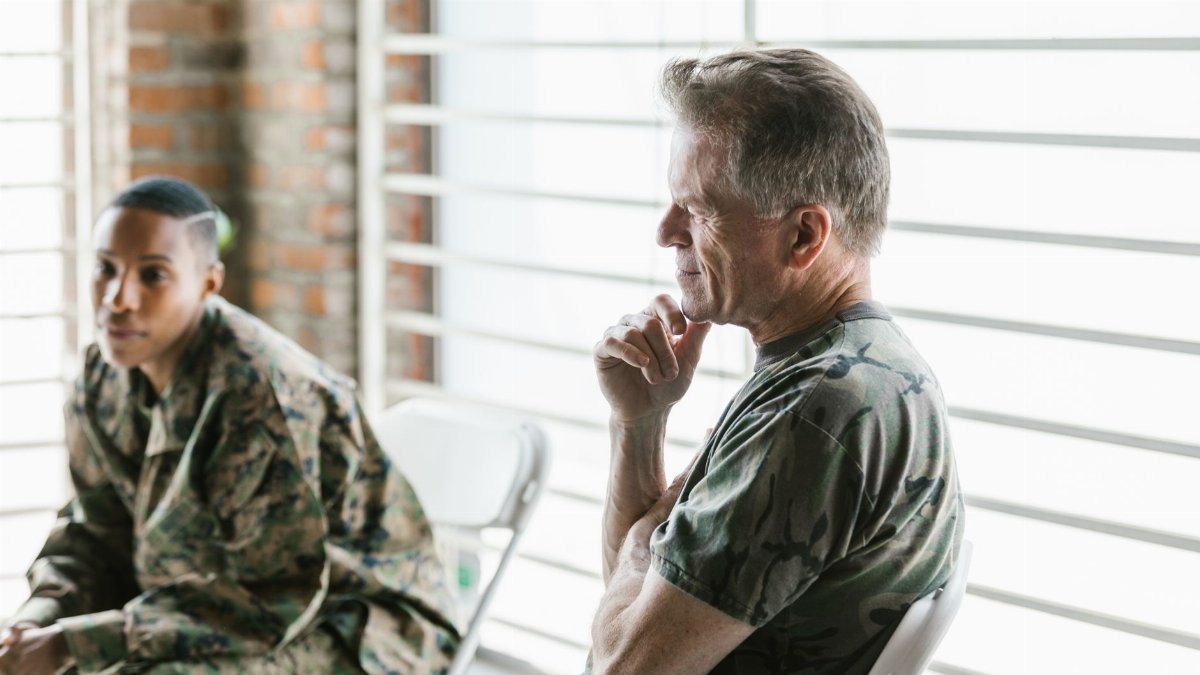
A medical campus concentrates people who cannot simply grab a bag and jog downhill. Some are in wheelchairs. Some are mid treatment. Some are visiting a loved one and do not know the side streets. Staff train for evacuation, yet training is a plan on paper until smoke tests it. The moral weight of the afternoon sat there: a fire on the edge of a place built to care for people who have already carried more than their share of risk.
Chaplains and volunteers who work with veterans often speak of steadiness rather than spectacle. In a moment like this, steadiness looks ordinary. It is a nurse confirming a medication list. It is a shuttle driver asking who still needs a ride. It is a neighbor offering a phone charger in a parking lot. None of that replaces firefighters. All of it keeps a frightened afternoon from becoming a chaotic one. In a city that sometimes treats emergency as entertainment, that quieter labor deserves to be named.
How the west side reads danger
Brentwood and the streets around it sit between dense neighborhoods and the Santa Monica Mountains. People here have photo albums of past smoke days, of ash on pool covers, of horses trailered out of canyons before dawn. Memory is a kind of local expertise. It can also distort. A column of smoke triggers the largest fire a person has ever seen, even when this one is still a patch of grass and shrub.
Good information narrows that gap. Official alerts, not screenshots of uncertain video, should guide decisions about leaving or staying. Closed roads are not suggestions. If a campus asks visitors to delay nonurgent appointments, that request protects patients and keeps driveways clear for engines. Curiosity is human. It is also how secondary crashes happen when people slow down to film a ridge line.
The work crews do before the wind arrives
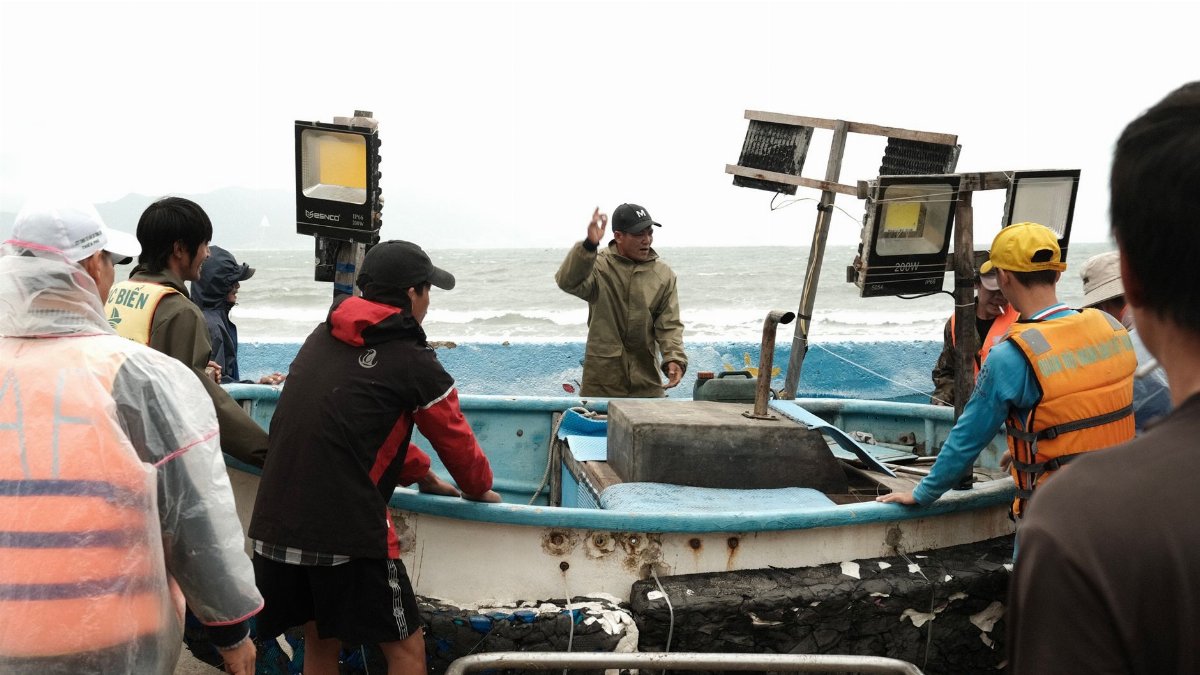
From the outside, firefighting can look like a rush of lights. Up close it is a sequence of judgments. Engines take hydrants. A hand crew cuts a line where brush meets lawn. A lookout watches for spot fires downwind. Aircraft, if called, drop water or retardant where ground crews cannot safely stand. Command asks a blunt question: if the wind rises in two hours, what will this fire be doing then?
That forward look is why a fire that appears contained can still generate urgent radio traffic. Containment is a percentage of edge that crews believe they can hold, not a promise that the incident is over. Near buildings, holding the edge means protecting roofs, vents, and the narrow spaces where embers hide. It also means keeping a route open for anyone who must leave the Veterans Affairs grounds without turning a medical campus into a traffic jam.
Neighbors and the ethics of watching
Social media turns every plume into a public square. Some posts help: a precise street closure, a note that a clinic entrance has moved, a reminder to check on an older neighbor. Others spread a rumor that sounds specific because it includes a landmark. The Brentwood brush fire VA building phrase itself can travel faster than any correction, which is why repetition should stay tied to what officials have actually confirmed.
There is a spiritual habit hiding in that discipline, if one is willing to use the word without costume. It is the habit of refusing to inflate another person’s fear for the sake of attention. Attention is not care. Care is checking whether the person down the block has a plan, whether pets are inside, whether a go bag from last season still holds current medications. Those acts do not trend. They are how a neighborhood stays intact when the air turns sharp.
Preparing a home without theater

Preparation is unglamorous and that is its virtue. Clear dry leaves from gutters. Move doormats and cushions away from exterior walls. Know two ways out of the neighborhood and which one stays open if the other is blocked. Keep a flashlight, water, and important papers where they can be reached in the dark. If you assist a veteran or an older relative, write down medications and a meeting place before anyone is anxious.
None of this requires a bunker mentality. It requires the same attention people give to a storm watch on the Gulf Coast or a winter advisory in the Midwest. Southern California’s version simply arrives as wind and low humidity rather than snow. When forecasts mention strengthening Santa Ana conditions, the useful response is to finish small tasks early, not to wait for a siren to invent a plan.
What officials tend to ask of the public
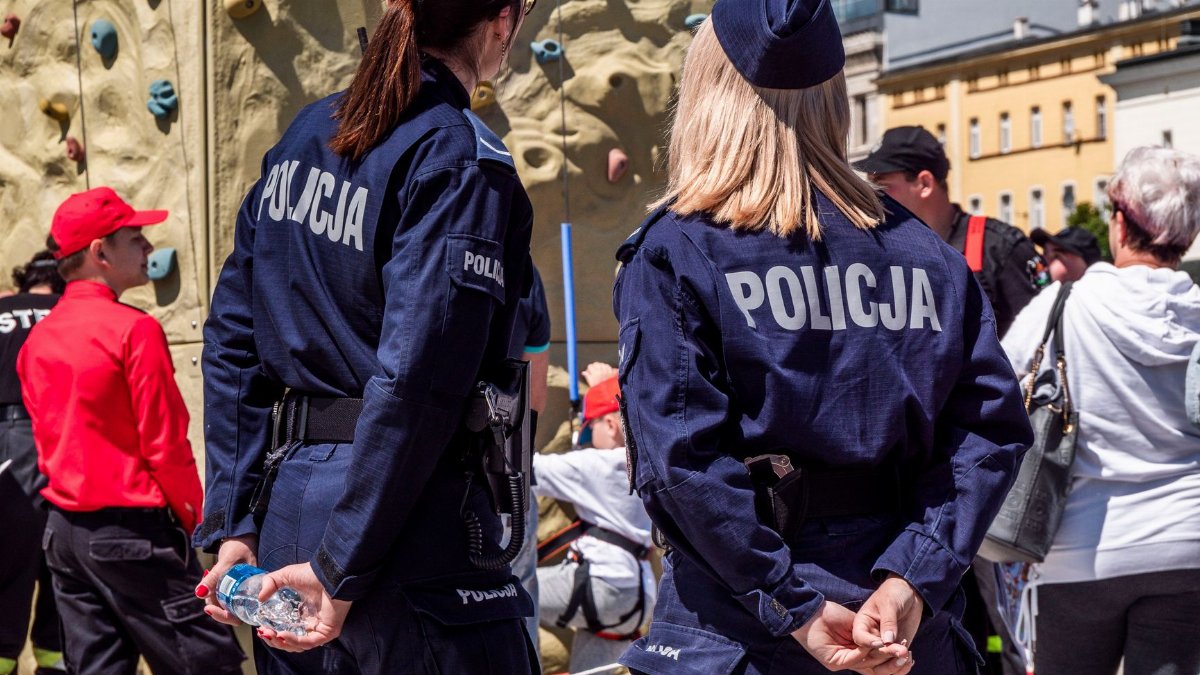
In incidents of this kind, public agencies usually ask for three things. Stay out of closed areas. Do not fly drones near firefighting aircraft, because a hobby flight can ground a helicopter that patients and crews may need. Use official channels for evacuation or shelter information rather than a forwarded video with no time stamp. Those requests sound bureaucratic until you imagine an engine delayed by a spectator or a pilot aborting a drop because something small is in the sky.
They also ask people to report new smoke with a clear location, then to step back. A second start, caused by embers or by a separate spark, is a known risk when winds rise. The person who notices it and calls, rather than investigating alone on a slope, is doing the more useful thing.
Memory, gratitude, and the morning after
If the fire stays small, the city will move on by the next news cycle. That speed is a mercy and a loss. It is a mercy because routines return: appointments kept, school runs made, windows opened when the smell fades. It is a loss because the people who stood on the line, and the staff who rerouted vulnerable patients, disappear from the story as soon as the smoke does. Gratitude that lasts longer than a headline is a civic practice, not a slogan.
Some residents will mark the afternoon in a quieter register. They will remember a parent who served, a clinic that held a family together, a hillside that looked untroubled until it did not. Faith communities on the west side often open their rooms on smoky nights not because they can stop a fire but because they can offer water, a chair, and a place where no one has to perform calm. That offering does not compete with professional response. It completes the human part of it.
A season that is not finished

One brush fire does not define a season, and a season is not over because a single column of smoke thins. Santa Ana patterns can repeat. Fuels that survived this start remain dry. The honest posture is alertness without panic, the same posture fire agencies try to model when they describe a fire as active but not yet a regional emergency. People near the Brentwood brush fire VA building corridor will keep glancing west and north until the wind forecast softens.
Journalism’s job in that interval is narrower than prophecy. It is to say what is known, to resist invented precision, and to keep attention on the people who live and work beside the flame. The medical campus, the brush, the approaching wind: those are the facts that matter. Everything else is rumor until someone with responsibility confirms it.
Living beside beauty that can burn
Los Angeles sells a view. The same slopes that glow at sunset carry the plants that carry fire. Residents are not naive about that bargain. They stay because of work, family, climate, and affection for a place that is both cultivated and wild. The mature response is not to scorn that affection. It is to pair it with habits that match the landscape: defensible space where it is possible, attention to alerts, and a refusal to treat every smoke photo as proof of catastrophe or of safety.
The Brentwood brush fire VA building reports belong in that longer conversation. They remind a broad audience, including readers far from California, that wildfire risk is not only a rural story. It is a story of clinics and cul de sacs, of veterans in waiting rooms, of wind that does not care about a property line. If the flames are held, the lesson should still hold. Beauty and hazard share a ridge. The people who maintain both, with competence and with care, are the ones worth watching after the cameras leave.