
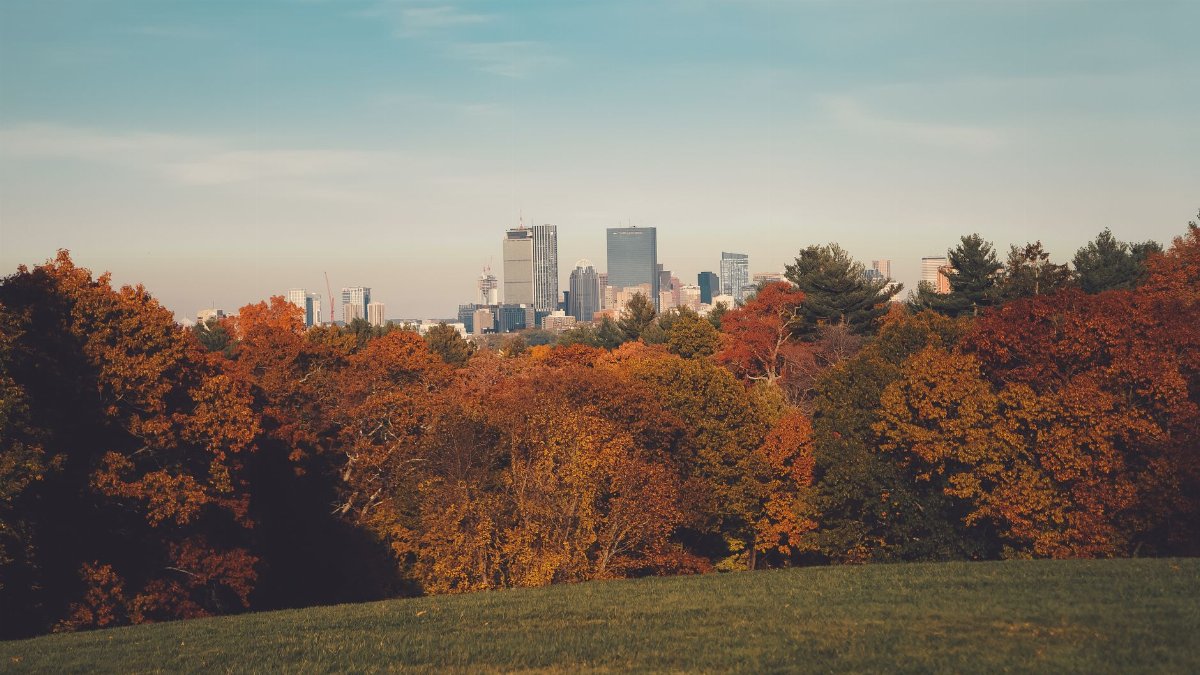
On Commonwealth Avenue late Wednesday, people walked in shirtsleeves as if September had decided to linger. By Thursday morning the same sidewalks felt sharper, the light thinner, and jackets that had seemed optional the day before suddenly made sense. The Boston autumn temperature drop arrived the way it often does in this city, not as a gradual slide but as a clean break between one afternoon and the next. Meteorologists had been flagging the shift for days. Highs that reached the mid 70s on Wednesday were expected to fall into the upper 50s and low 60s on Thursday, with sunshine still generous before rain moves in Friday. For anyone who measures the season by what they reach for on the way out the door, the change was already complete.
A warm Wednesday that did not last

Wednesday felt borrowed. Temperatures climbed into the mid 70s across much of Greater Boston, warm enough for outdoor lunch tables and for office windows cracked open an inch. That kind of October afternoon is not rare here, but it is easy to misread. A single mild day can convince people the season has stalled. It has not. The air mass responsible for the warmth was already on its way out by evening, replaced by a cooler flow from the northwest that would define Thursday.
Residents who checked forecasts before bed saw the numbers fall in a way that leaves little room for debate. The Boston autumn temperature drop was not a rumor or a social media exaggeration. It was the ordinary mechanics of a front passing through New England, made vivid because the contrast with the previous day was so large. Warmth lingered in brick and pavement for a few hours after sunset, then gave up.
Thursday in plain numbers

Thursday brings highs in the upper 50s to low 60s, with sunshine for much of the day. Winds turn brisk at times, especially near the water, which can make 60 degrees feel closer to the low 50s if you are standing on a bridge or waiting for a bus with no shelter. Inland neighborhoods may run a degree or two warmer than the harbor edge. None of that changes the basic story. The day is crisp, bright, and distinctly cooler than Wednesday.
The National Weather Service office that covers Boston and much of southern New England posts the official local forecast at weather.gov/box. Those updates remain the cleanest place to confirm timing if clouds thicken earlier than expected or if a shower sneaks in ahead of Friday. A morning glance is worth more than a remembered number from the night before, because wind and cloud cover can rewrite comfort even when the high stays put.
Why the coast cools in a hurry

Boston sits where land, ocean, and passing storms negotiate every week of autumn. When a cooler air mass arrives from Canada or from the interior of the continent, the city often feels it within hours. The ocean can moderate extremes later in the season, holding nights milder than they would be far inland, but it does not erase a frontal passage. What people notice first is the afternoon high, because that is the number attached to plans: a walk, a game, a patio reservation that suddenly looks optimistic.
NOAA explains the broader seasonal cooling of the Northern Hemisphere as a consequence of shorter days and a lower sun angle, a process described in public climate explainers at noaa.gov. Locally, that slow astronomical shift and a fast weather shift can land on the same week. That stacking is what makes a Boston autumn temperature drop feel sudden even when the calendar has been pointing toward it for a month. The sun is simply not overhead the way it was in July, and a new air mass does not have to fight as hard to win the afternoon.
Sunshine before the rain
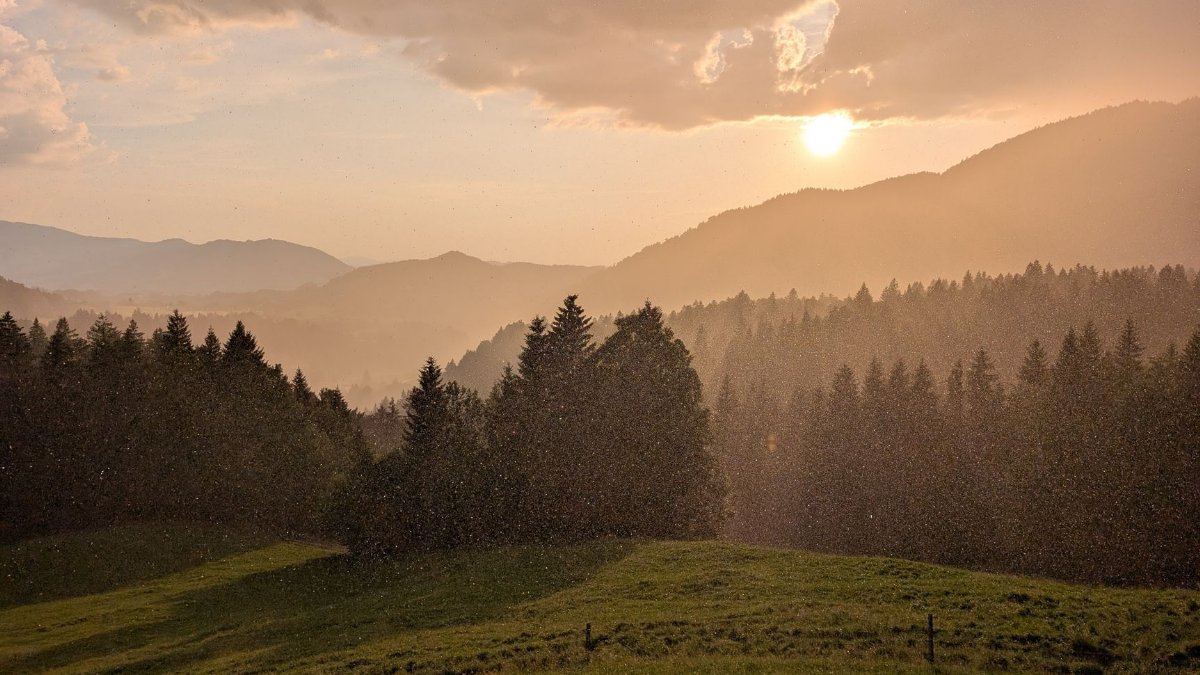
The gift inside the cooler day is light. Thursday is expected to stay mostly sunny, which changes how the temperature is experienced. Sun on brick, sun on the Common, sun on the river path: all of it softens a reading in the upper 50s. People will still be outside. They will simply dress for it. Caps, light coats, and closed toe shoes replace the Wednesday uniform of rolled sleeves and sunglasses alone. Shadows lengthen earlier, and the color of the light turns a little more gold by four in the afternoon.
Friday is the turn toward wet weather. Rain is expected as the next system approaches, ending the brief clear stretch. Anyone with outdoor work, a school gathering, or a plan that depends on dry pavement should treat Thursday as the usable day and Friday as the day to move indoors or carry a real raincoat. Hope is a poor substitute for a hood when a New England front decides to wring itself out over the city.
How the city registers the change

Weather in Boston is never only a forecast. It is a civic mood. A drop of fifteen degrees between afternoons rearranges small decisions across the city. Cafes pull a few tables inside. Parents add a layer to a backpack. Runners along the Charles shorten the argument with themselves about whether to go out. Street vendors selling roasted nuts look suddenly better positioned than the ice cream window that thrived on Wednesday. Even the sound of the street seems different when fewer people linger.
I walked a similar swing last October and remember how quickly conversation shifted from the heat to the chill, as if the city had been waiting for permission to talk about sweaters. That memory is ordinary, which is the point. The Boston autumn temperature drop is a shared reference, a way neighbors mark time without needing a holiday. It gives strangers on a platform something true to say that is not about traffic.
Commutes, classrooms, and the evening air

Morning commuters may not feel the full story. Overnight lows will not plunge to winter levels. The sharper impression comes in late afternoon and after sunset, when clear skies let heat escape quickly once the sun is gone. Anyone leaving work at 6 may want a coat they did not need at 8 in the morning. School pickup lines will show the same split: light layers at the start of the day, fuller ones by dusk. Children notice wind before they notice a forecast graphic.
Transit platforms are the honest thermometer. Wind off the water near the harbor can subtract several degrees of comfort from the official high. A forecast of low 60s is not a promise that every corner of the city will feel mild. Downtown towers create their own gusts. A pocket park one block inland can feel gentle while a bridge feels raw. Dressing for the windiest five minutes of the trip is the practical rule, not dressing for the number printed beside the city name.
Gardens, trees, and the first real hint of fall color
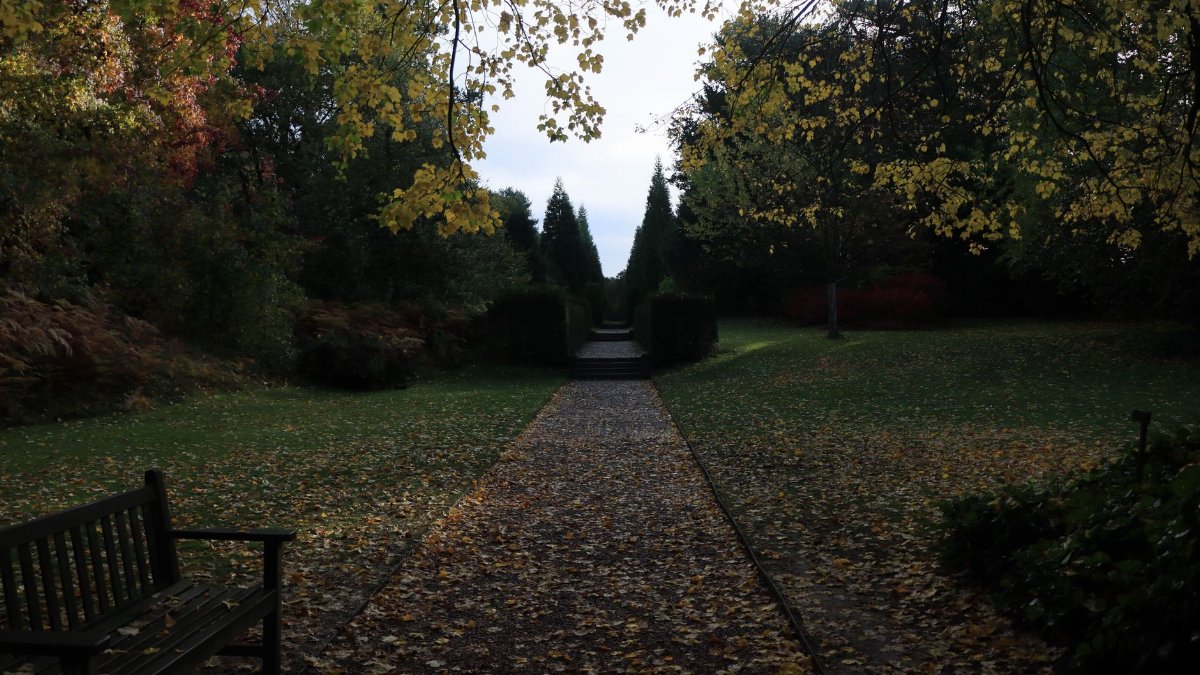
Plants register the same front. A cooler, sunny day after warmth can sharpen color in maples that have already started to turn in suburbs west and north of the city. It will not paint the entire canopy overnight. Color here still depends on a run of cool nights, adequate moisture, and the slow loss of daylight. Thursday helps the mood of fall more than it rewrites the biology. Visitors hoping for a full blaze may need another week, and a drive inland, before the hills match the postcards.
Gardeners pulling the last tomatoes or basil should not assume a killing frost. Upper 50s by day and nights that stay above freezing are a cooldown, not a hard end. Tender plants can stay out. What changes is the pace of watering and the pleasure of working outside without sweating through a shirt. Lawns green up a little in this kind of air. Container plants that wilted on Wednesday look relieved, which is as close as a geranium comes to commentary.
Reading October without exaggeration

It is tempting to treat every sharp cooldown as proof of a wild new climate. Some October swings in New England have always been large. Warm surges into the 70s followed by a tumble into the 50s appear in the historical record often enough that older residents shrug. At the same time, background warming has shifted the odds of very warm autumn days, a pattern public climate monitoring at NOAA has documented nationally. Both statements can be true. A familiar pattern can occur inside a changing climate. Precision matters more than a slogan when the subject is a single Thursday.
The useful response on a day like this is narrower than a debate. Check the forecast. Dress for the wind. Enjoy the sun. Save the larger argument for a longer look at the month, not a single pleasant shock. Records are kept so that one vivid afternoon does not have to carry the whole explanation. The city can feel the change and still refuse to mythologize it.
Friday rain and the weekend that follows

Friday rain will reset the feel of the air again. Wet pavement, lower clouds, and a lack of sun often make the same temperature seem colder. If highs hold in the 50s or low 60s under rain, the day will feel like a fuller arrival of autumn than Thursday did. Weekend plans should stay flexible until Friday evening updates clarify whether the system clears quickly or lingers. A Saturday market and a Sunday game do not require the same sky, but both punish a guess made too early.
For many households the practical list is short. A coat by the door. An umbrella that actually works. Shoes that can handle a wet sidewalk. None of this is dramatic. It is how a dense city absorbs a Boston autumn temperature drop without much fuss, then goes on with school, work, and the small ceremonies of the week. The forecast is a tool, not a verdict on the season.
A season that asks for attention

There is a reflective quality to this kind of day that churches, campuses, and quiet parks seem to understand without announcing it. Light slants. Sound carries. People walk a little slower when they are not late. News that tracks spiritual trends sometimes looks for upheaval. A weather shift offers something plainer: a shared pause. The Boston autumn temperature drop does not require interpretation to matter. It changes what the afternoon feels like on the skin, and that is enough to reorder a city for twenty four hours. Attention, in this case, is just noticing the coat you forgot yesterday.
Thursday will be remembered, if it is remembered at all, as a clear cool day between a warm one and a wet one. That is a modest legacy. In October in Boston, modest changes are the ones that actually govern the week. Sunshine on a cooler afternoon is not a miracle. It is a usable mercy, and the city knows what to do with it.