
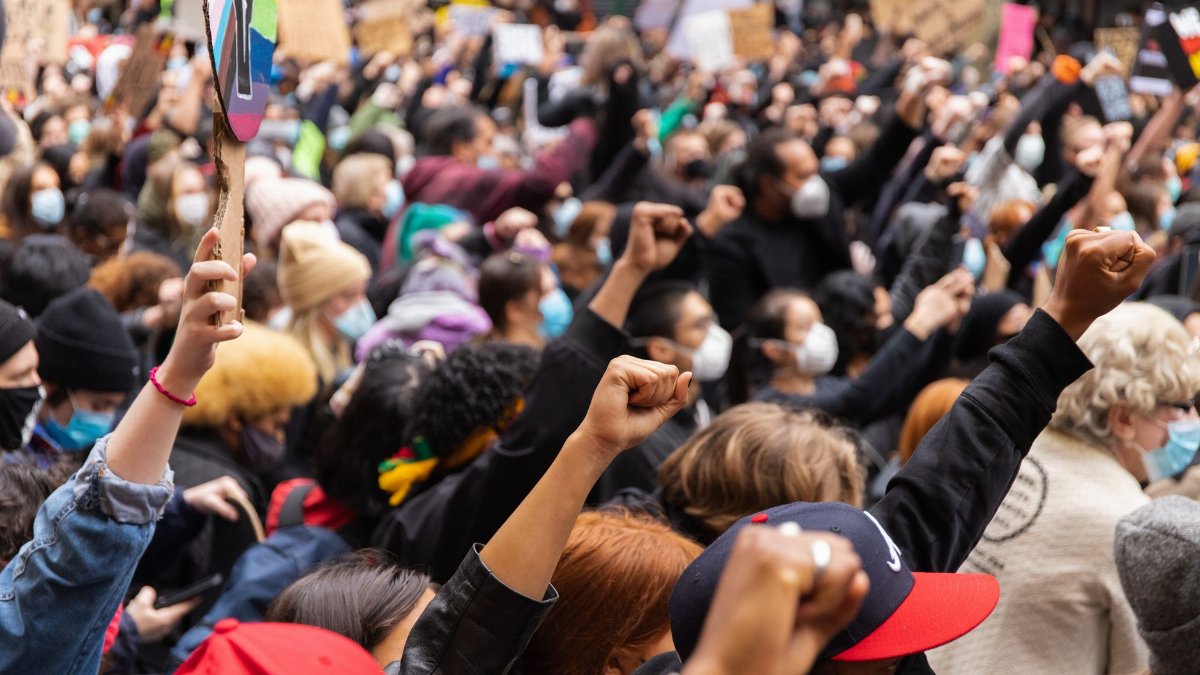
On a gray October afternoon, more than 100 students and employees gathered on the pavement outside Sullivan Hall, holding signs and calling for university leaders to reverse plans that would cut jobs and raise the price of staying enrolled. The Temple University rally layoffs scene was loud, orderly, and unmistakably local, a Philadelphia campus argument about who bears the cost when a budget tightens.
A crowd that would not stay indoors

The protest took place on October 14, according to accounts of the demonstration, and it drew people who usually spend that hour in classrooms, offices, labs, and dining halls. Some came between shifts. Others skipped a lecture they could not easily replace. The setting mattered. Sullivan Hall is where students and staff expect decisions to be explained, not merely announced. Standing outside it turned a budget memo into a public event.
Chants rose and fell. Handmade signs named layoffs and tuition in the same breath, as if the two were one policy rather than two line items. Organizers treated them that way. In their telling, a smaller workforce and a higher bill are twin results of the same choice: ask the people closest to the classroom to absorb the shortfall.
What the Temple University rally layoffs demand actually was
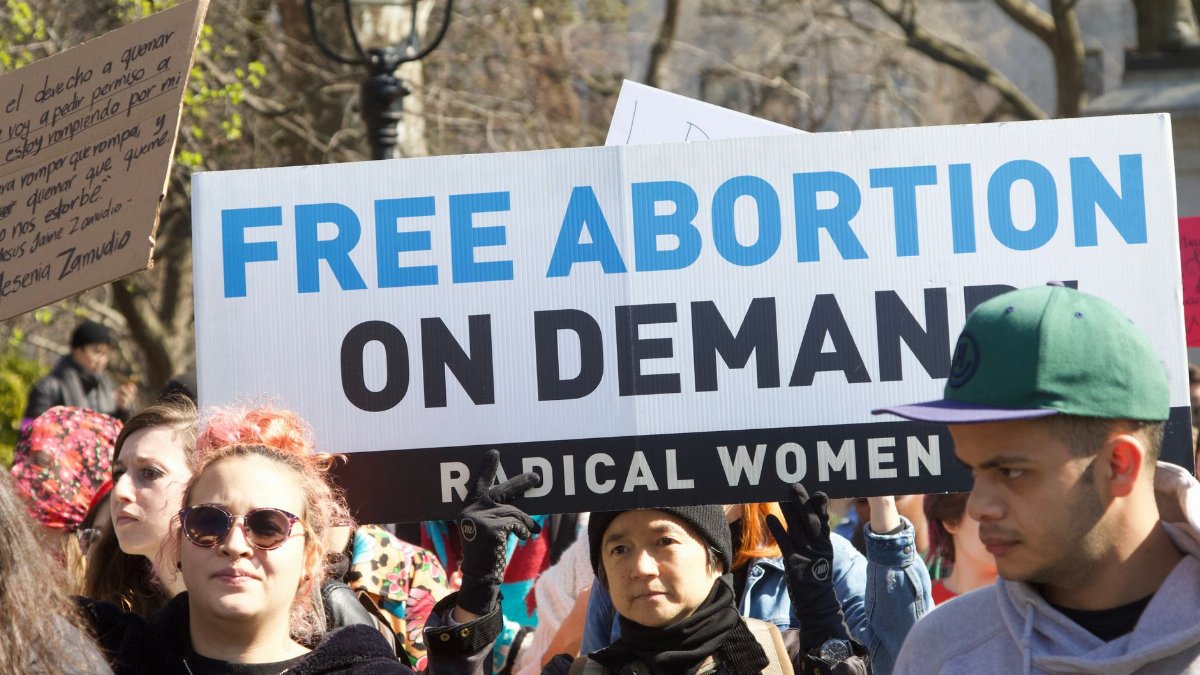
The demand was simple to say and hard to satisfy. Protesters wanted cost saving measures halted, or at least slowed, until leaders could show that cuts would not hollow out teaching, advising, and the daily work that keeps a large urban university running. They also wanted tuition raises taken off the table, or limited enough that students already stretching rent and transit would not face another jump.
No single speaker owned the message. Students talked about bills. Employees talked about jobs. Together they argued that a university cannot claim a public mission and then treat its own people as the easiest place to save money. That argument is familiar on American campuses. At Temple it landed with particular force because so many in the crowd live in the same city as the institution and cannot treat a tuition increase as an abstract national trend.
Students counting semesters and dollars

For undergraduates, a tuition raise is not a symbol. It is a number that decides whether a fifth year is possible, whether a summer job must become a full time job, and whether a younger sibling can even apply. Several students in the crowd described aid packages that already fail to cover housing near campus. A higher sticker price, they said, would push more of them toward extra loans or toward leaving before a degree is finished.
Graduate students added a different worry. Many work as instructors or research assistants while paying tuition of their own. A layoff in a department can remove the course they teach and the stipend that pays the rent. The rally gave those overlapping roles a single microphone. People who are both workers and students refused to be sorted into separate budget columns.
Employees who keep the place open

Staff speakers, and staff who preferred to stand quietly with signs, described work that students rarely see until it disappears. Advising appointments, lab support, facilities, libraries, clinics, and the offices that process financial aid are not decorative. When those jobs are cut, the remaining workers absorb the load, and students wait longer for answers that used to arrive in a day.
Layoffs also carry a neighborhood cost. Temple employees spend paychecks in North Philadelphia shops, on SEPTA, and in the rental market that already strains around a major campus. A cut that looks modest on a spreadsheet can remove a steady income from a household that has little cushion. Protesters asked leaders to count that loss, not only the savings on a payroll line.
The case the administration is expected to make

University leaders facing a deficit usually offer a familiar defense. Enrollment shifts, state support that has not kept pace with costs, and rising expenses for health care, energy, and building maintenance can squeeze even a large institution. From that view, tuition increases and workforce reductions are tools, not punishments. Delay them, and the hole grows.
The crowd outside Sullivan Hall did not deny that money is finite. It disputed the order of sacrifice. Protesters asked whether executive spending, outside contracts, and capital plans had been examined with the same urgency applied to frontline jobs. They also asked for numbers in public, early enough that a rally is not the first time workers learn their unit is on a list. Transparency is not a substitute for a balanced budget. It is the minimum condition for trust when the cuts are real.
Why October 14 felt like more than one afternoon

Campus rallies can look alike from a distance: steps, bullhorns, a semicircle of listeners, a few reporters. This one drew its meaning from timing. Cost saving measures were already in motion, or close enough to motion that people believed waiting for a later forum would be too late. Showing up on October 14 was a way to enter the record before decisions hardened into offer letters withdrawn and course sections canceled.
More than 100 is not a stadium. It is large enough, on a weekday, to signal that the issue has left group chats and union meetings and entered the open air. For a commuter campus, attendance always undercounts concern. Many who agreed with the signs were in clinical placements, second jobs, or classes they could not miss. The visible crowd was a sample, not a census.
Faculty watching the academic core

Professors who joined the protest framed layoffs as an academic question, not only a labor question. Fewer staff can mean fewer sections, larger classes, and less time for the slow work of mentoring. In fields that rely on studios, labs, or supervised practice, a missing technician or coordinator is not a minor inconvenience. It can shut a door that students need for graduation.
Contingent instructors had a sharper version of the same fear. When budgets tighten, courses taught by people without long contracts are often the first to go. Those teachers may have no severance story that makes the evening news. They simply are not rehired. Students then discover, sometimes midstream, that a required class has vanished from the schedule. The rally treated that quiet disappearance as part of the same crisis as a formal layoff notice.
Philadelphia as the backdrop and the stake

Temple is not a residential college set apart from its city. It is woven into transit lines, hospital corridors, public schools, and blocks where university growth has long been debated. A tuition raise changes who from those neighborhoods can enroll without leaving home or taking on debt that follows them for decades. A layoff changes who from those neighborhoods keeps a university job.
That double exposure is why the protest read as civic, not merely intramural. Neighbors, alumni, and parents have a stake in whether the institution remains a ladder or becomes a toll booth. Speakers did not need to romanticize the university to make the point. They needed only to note that Philadelphia students already navigate high rents and uneven college preparation. Adding cost while subtracting support moves the ladder farther away.
How a rally tries to change a budget
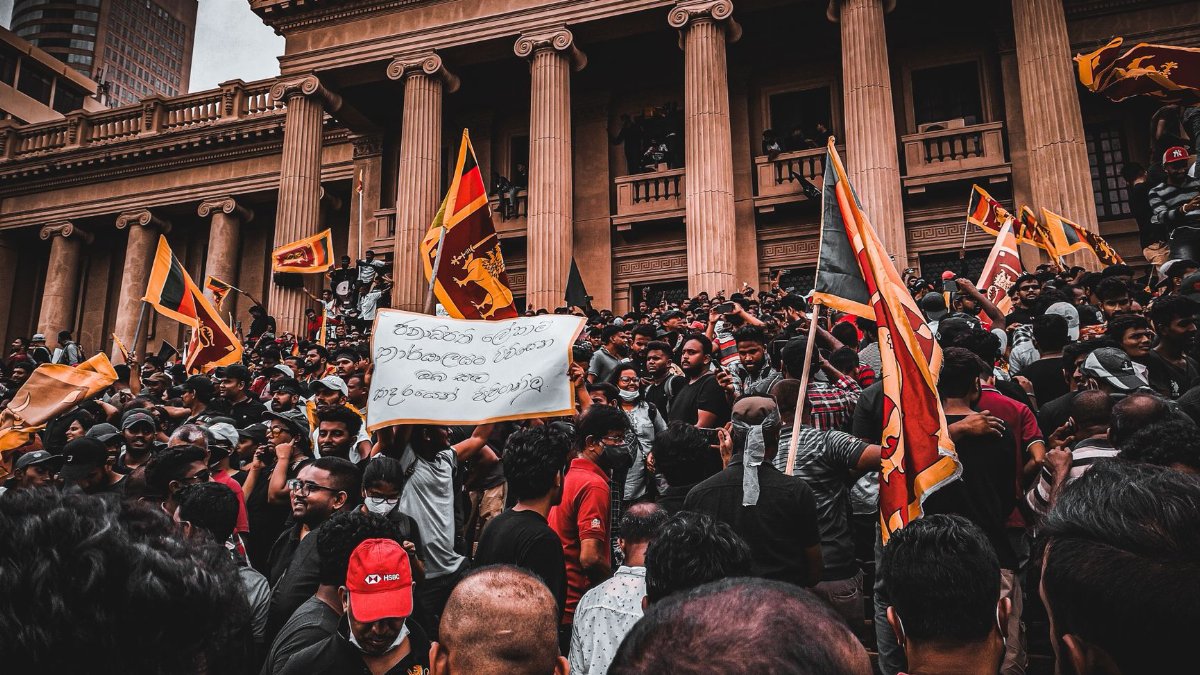
A demonstration rarely rewrites a spreadsheet on the same day. Its power is indirect. It creates a public record, pressures trustees and legislators who would rather avoid a scene, and gives journalists a reason to ask for documents. It also builds a list of people willing to return if the first answer is silence. Organizers at Sullivan Hall appeared to understand that sequence. They treated the afternoon as a start, not a finale.
Inside, administrators retain the formal authority to hire, cut, and set tuition within the rules that govern the university. Outside, employees and students retain the informal authority of refusal: refusal to pretend that a cut is painless, refusal to let a tuition raise pass as inevitable. Between those authorities sits negotiation, grievance procedures, and, if talks fail, further protests. None of that is theatrical. It is how a campus argues when the stakes are jobs and bills.
What protesters say they are willing to accept
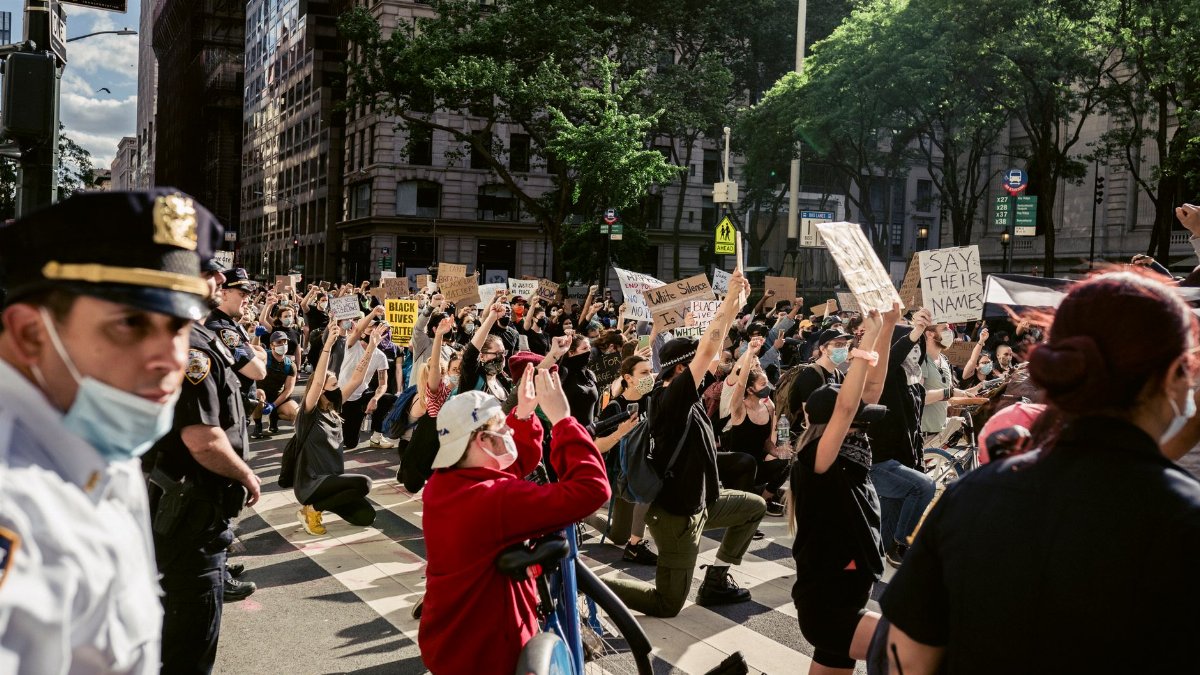
The crowd was angry, but it was not monolithic about solutions. Some called for a freeze. Others said they could live with modest changes if layoffs were a last resort and if tuition increases were paired with aid that actually reached students who need it. A few focused on process: publish the plan, hold hearings, and give units time to propose alternatives before names are cut.
That range matters. A rally slogan has to fit on cardboard. A budget conversation does not. The people outside Sullivan Hall were asking to be inside the conversation before the cardboard was necessary. Whether leaders hear that as an invitation or as a threat will shape the weeks after October 14 more than any single chant.
The national pattern, seen from one hall
Temple is not alone. Public and private universities across the country have spent recent years explaining deficits, merging programs, and asking students to pay more while asking employees to do more with less. The language is often managerial. The effects are personal. A national pattern does not excuse a local decision, but it does explain why this rally felt both specific and familiar.
What distinguished the Temple University rally layoffs protest was the insistence that students and workers share one fight. On many campuses those groups are organized apart, sometimes at odds over wages funded by tuition. Here the signs put layoffs and raises on the same poster. The claim was that a university that cuts the people who teach and serve, while charging more to be taught and served, is asking its community to fund its own diminishment.
After the bullhorns went quiet

When the speeches ended, the practical questions remained. Which offices are actually slated for reduction? How large is the gap leaders say they must close? What aid, if any, would offset a tuition increase for students with the least family wealth? Those details were not settled on the sidewalk. They are the details that will decide whether the rally is remembered as a turning point or as a warning that went unheeded.
People folded signs and headed for trains, late labs, and evening shifts. The building behind them did not change shape. The argument did. By gathering in public, students and staff made cost saving measures a matter of record rather than a memo that circulates until it is too late to answer. That is a modest victory, and it is the kind rallies are built to win.
A test of what the university says it is

Every campus publishes a mission about access, research, and service to the city. Budget season is when those sentences meet arithmetic. The test outside Sullivan Hall was whether access includes the price of attendance, and whether service includes the people paid to provide it. Protesters answered yes to both, and they answered in the open, where neighbors could hear.
Leaders still have to balance accounts. They can do that by treating the crowd as noise, or by treating it as information about where cuts will hurt. The second path is slower. It requires documents, timelines, and a willingness to revise a plan that may already feel finished. It is also the path most consistent with a university that asks its students to argue from evidence.
The Temple University rally layoffs protest did not close the deficit. It named the people who would pay if the deficit is closed in the easiest way. More than 100 students and staff chose an October afternoon to say that easiest is not the same as fair. The rest of the story will be written in budgets, not in chants, and the city will be able to tell the difference.