

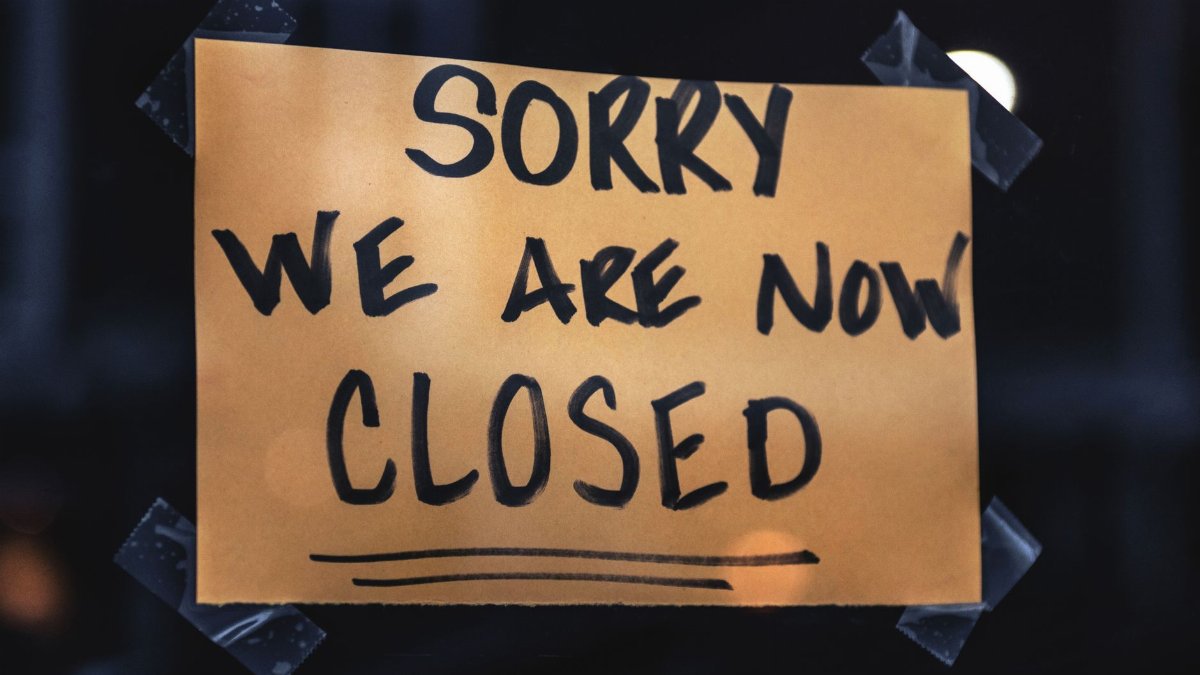
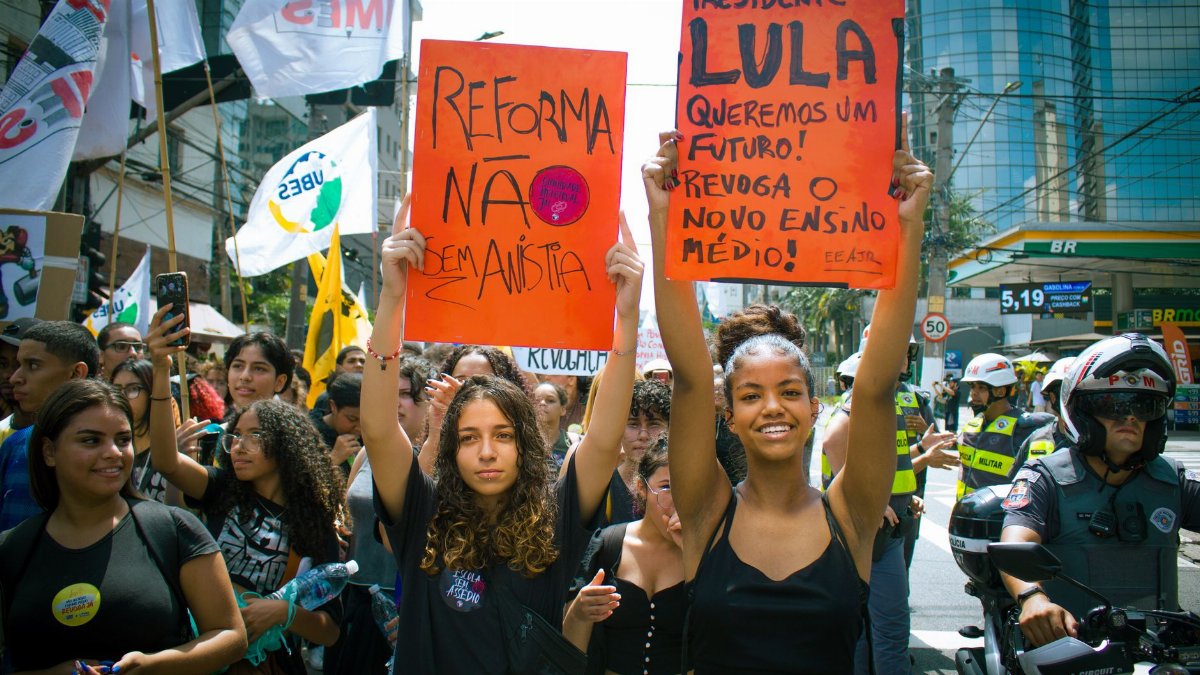
The folding chairs ran out before the public comment period began, and people stood along the back wall with printed remarks folded in their hands. For months, Minneapolis families had prepared for a restructuring that could empty neighborhood buildings and send children across the city. Then the board changed course. The Minneapolis schools no closures vote ended a proposal that could have closed as many as 16 schools, after testimony, marches, and letters from residents who refused to treat schoolhouses as spare inventory.
A unanimous reversal after months of pressure

School leaders had framed closures as one tool in a larger transformation, a way to match a smaller student body with a building stock designed for a larger one. The vote that canceled those closures was unanimous. Board members did not pretend the underlying math had vanished. They said the city was not ready to accept a map that erased schools people still use as anchors. The decision landed as relief in some rooms and as unfinished business in others. A reversal is not a budget. It is a choice about sequence: listen first, cut later, or find another path entirely.
Why closures reached the agenda at all
Urban districts across the country have been living with the same squeeze. Birth rates fell. Housing costs pushed families outward. Charter and suburban options drew students who once filled city classrooms. Minneapolis felt that pattern in empty seats, split grade levels, and buildings that cost nearly as much to heat and staff when half full as when crowded. Leaders argued that spreading a limited workforce across too many sites weakens art, counseling, and advanced courses. In that telling, fewer schools could mean fuller ones, with more adults in each hallway.
That argument is not frivolous. A school with a thin enrollment can lose a librarian, a nurse, or a language program before a larger school does. Principals spend their days covering recess instead of coaching teachers. The case for consolidation rests on a hard claim: concentration can protect what families actually experience inside the building, even if the building they love is not the one that remains.
What residents said they would lose

Opponents answered with a different ledger. They talked about walking distance, sibling schedules, and the informal safety net that forms when the same crossing guard knows a child’s name for six years. In neighborhoods with fewer parks, clinics, or grocery stores, a school is often the last public room that stays open after dark for meetings and sports. Closing it does not only move desks. It moves trust.
Parents of students with disabilities were especially direct. A shorter bus ride, a familiar sensory routine, and a teacher who already knows a child’s plan are not luxuries. Relocation can undo years of careful adjustment. Immigrant families described schools where staff spoke their language and where newcomer programs had a reputation that a merger might dilute. Those testimonies did not deny enrollment decline. They denied that a spreadsheet could rank those losses fairly.
The Minneapolis schools no closures vote and the politics of listening

The Minneapolis schools no closures vote was as much about process as about buildings. Residents said drafts arrived late, maps shifted, and criteria felt opaque. When people cannot see how a school landed on a list, they assume the list was written backward from a target number. Board members, facing packed hearings, concluded that proceeding would tear the civic fabric they need for any later reform. Unanimity gave the reversal a clarity that a split vote would have lacked. It also raised the stakes. If every member owns the pause, every member owns what comes after it.
Enrollment, buildings, and a budget that did not vote

Canceling closures does not refill classrooms. The district still educates fewer students than its facilities were built to hold, and state funding formulas follow students, not nostalgia. Fixed costs remain: roofs, boilers, security, and the minimum staffing a building needs before the first lesson starts. Transportation is its own budget inside the budget. Longer routes, driver shortages, and special education placements can consume savings that a closure was supposed to create.
Teachers notice the strain before accountants do. A specialist shared across three sites is a specialist who is often in a car. Substitutes are harder to find when a school feels unstable. The board’s choice protects addresses. It does not, by itself, protect class size or the elective a senior hoped to take. Any honest account of the Minneapolis schools no closures vote has to hold both facts at once.
How neighborhood identity entered the debate
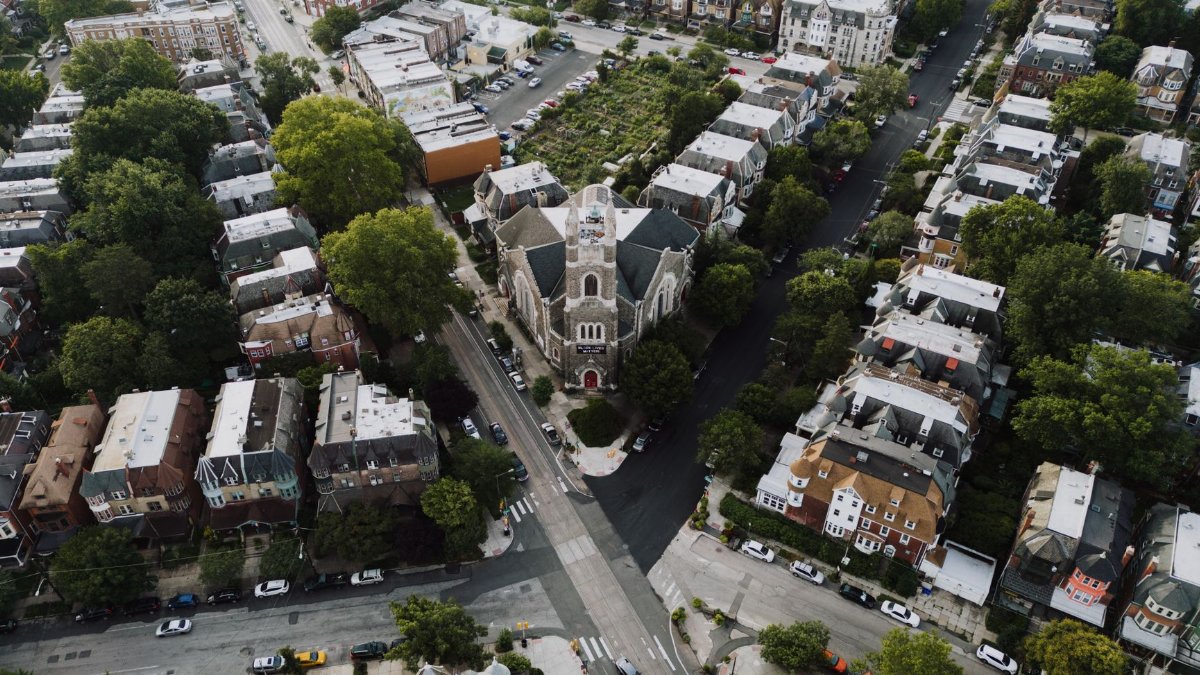
Minneapolis schools carry neighborhood names that double as identity. A building can be where a grandparent graduated and where a current student eats breakfast. That history is easy to romanticize and unwise to dismiss. In a city still marked by segregation and uneven investment, which schools close is never a neutral question. Residents asked whether schools serving Black, Latino, Indigenous, and immigrant students were asked to absorb more disruption than schools in wealthier pockets. Equity language in a slide deck did not settle that suspicion. Only a transparent record could have, and many speakers said they never received one.
Real estate whispers followed the rumor of closures. A shuttered school can become housing, a charter site, or a vacant lot that drags a block down. Neighbors who never attend a board meeting still care about what happens to the brick on the corner. The pause keeps those parcels in public use for now. It also delays a reckoning about buildings the district may not be able to maintain at a high standard.
What leaders said they still intend to change
Reversal is not retreat from every reform. District officials have talked for years about aligning programs, reducing unnecessary busing, and concentrating specialty offerings so they are real rather than nominal. Magnet themes, language pathways, and career courses work better when enough students share them. The board can still redraw attendance areas, merge administrations, or pause new program launches without locking doors.
The political difference is visibility. A closed school is a photograph. A revised bell schedule is a memo. Families who organized against closures will watch whether quieter changes reproduce the same burdens under new names. Trust, once spent, is not restored by a single unanimous night.
Lessons from the hearing room
Several habits in the debate are worth keeping, whatever the next plan looks like. First, publish the criteria before the list. If low enrollment, building condition, and program duplication are the measures, residents should see the numbers beside every school, including those spared. Second, model the student experience, not only the dollar savings. A closure that saves money on paper and adds forty minutes to a bus ride has not been fully priced. Third, pair any future consolidation with a public commitment about the site itself, so a neighborhood is not left guessing.
None of that requires pretending that every building can stay open forever. It requires treating people as partners in a loss, not as obstacles to a timeline. The hearings showed that Minneapolis residents will sit through hours of procedure if they believe the procedure can still change an outcome. That is a civic asset. It is also a warning. The next plan that feels prewritten will meet the same wall.
The classroom consequences of standing still

Standing still has consequences too. If underused schools remain open without new revenue, the district may cut the very programs consolidation was meant to save. Librarians, counselors, and intervention teachers are easier to eliminate in a spreadsheet than a building with a name. Families who fought closures did not ask for thinner schools. They asked for schools that remain both near and whole.
That demand points toward choices the board has not yet made in public detail. Some combination of levy requests, program consolidation without full closure, shared facilities, and stricter limits on new seats elsewhere may be required. Each option has opponents. A levy asks homeowners to pay more. Shared campuses ask communities to give up sole claim to a building. Limits on new seats anger families who want a different model. The Minneapolis schools no closures vote postponed one painful option. It did not retire the menu.
Students who were not in the room

Much of the testimony came from adults, as it usually does. Students experience closure rumors as background weather: friends who might leave, teams that might fold, a senior year that might happen somewhere else. Even a canceled plan leaves a residue. Teenagers who spent a semester wondering whether their school would exist are less likely to invest in clubs and less likely to recruit younger siblings into activities. Stability is an academic input. Uncertainty is a tax.
Teachers carry a parallel tax. Recruiting is harder when a district looks ready to shrink. A unanimous no can help, if it is paired with a plain statement about which schools are secure for a defined period. Without that horizon, the vote reads as a delay, and delays do not fill applicant pools.
A city watching its public rooms
Schools are not the only public rooms under strain. Libraries, recreation centers, and transit routes have all faced versions of the same question: how much infrastructure can a city support when use patterns change? The school debate became a proxy for a wider anxiety about whether Minneapolis still invests in ordinary neighborhood life or only in flagship projects. That is why a facilities plan drew people who do not have children in the system. They heard a story about what the city is willing to keep.
Journalists and residents alike should resist turning that story into a simple morality play. Leaders who proposed closures were not cartoon villains, and residents who opposed them were not refusing to count. Both sides were arguing about how to spend scarce public attention and scarce public dollars. The better coverage, and the better governance, stays with the tradeoffs instead of the applause line.
What a responsible next chapter would include

A responsible sequel to the Minneapolis schools no closures vote would start with a published enrollment forecast, building by building, and a condition report residents can check. It would name the annual cost of keeping each low enrollment site open, and the educational offering that cost displaces. It would set a review date so the pause is not an indefinite veto. It would invite independent facilitation, because the district is both party and judge in its own restructuring.
It would also say, in ordinary language, what will not happen. If closures are off the table for two years, say two years. If only schools below a stated enrollment threshold can be reconsidered, say the threshold. Ambiguity felt, to many families, like a strategy. Clarity is the cheapest trust building tool the board still has.
Relief, and the work that relief does not finish

On the night of the decision, the dominant emotion was relief. Signs came down. Group chats shifted from protest logistics to questions about next year’s teacher assignments. That relief is real and deserved. People organized, spoke, and changed a vote. In a period when many residents feel shut out of institutional decisions, that sequence matters.
Relief is not a facilities plan. The district still has more building than students, a funding system that follows enrollment, and neighborhoods that will not accept an uneven burden. The board bought time and spent political capital to do it. Whether that time produces a fairer map, a clearer budget, or another collision will depend on whether leaders treat the unanimous no as a beginning rather than a shield. The Minneapolis schools no closures vote settled the immediate question. The harder questions are still sitting in the empty seats.