
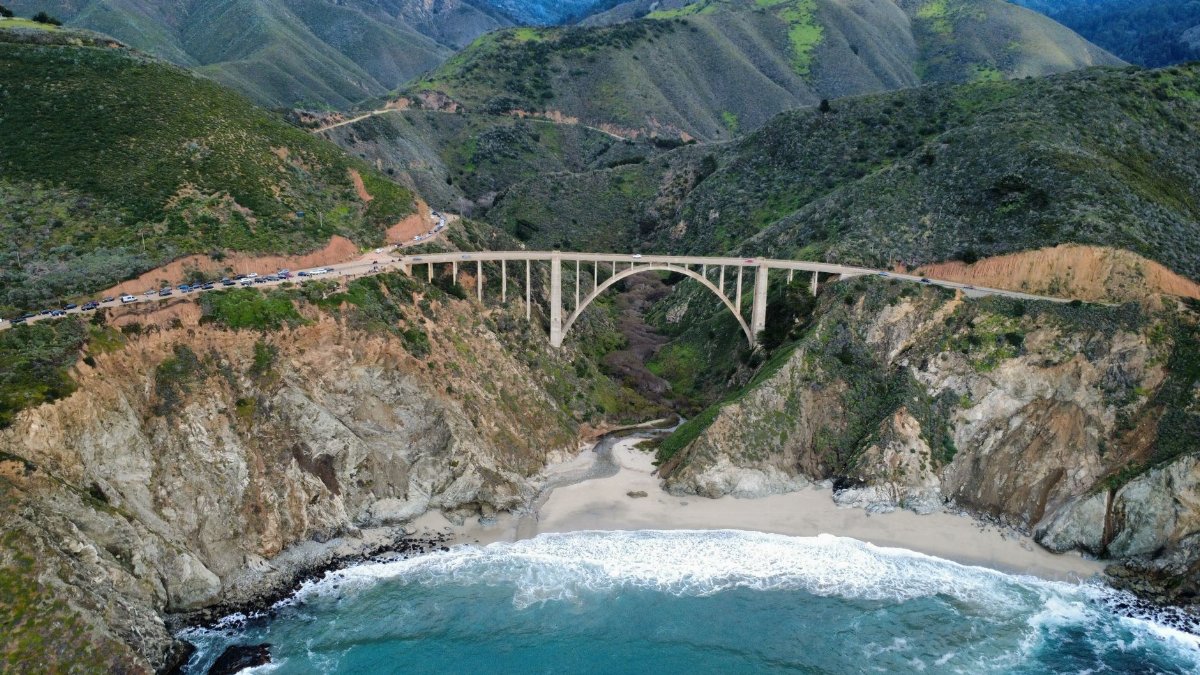
Drivers who know the curves south of Newport Beach have learned to read the ocean the way other people read a weather report. This week the lesson arrived in soil and pavement. Caltrans shut one southbound lane near Laguna Beach after the PCH Orange County hillside crack appeared above the roadway, a split that officials have linked to recent storm surges and high surf. The famous highway has always sat in a narrow bargain between cliff and water. When that bargain frays, even a single closed lane can ripple through school runs, hotel arrivals, and the quiet assumption that the coast road will simply be there in the morning.
A familiar road suddenly feels provisional
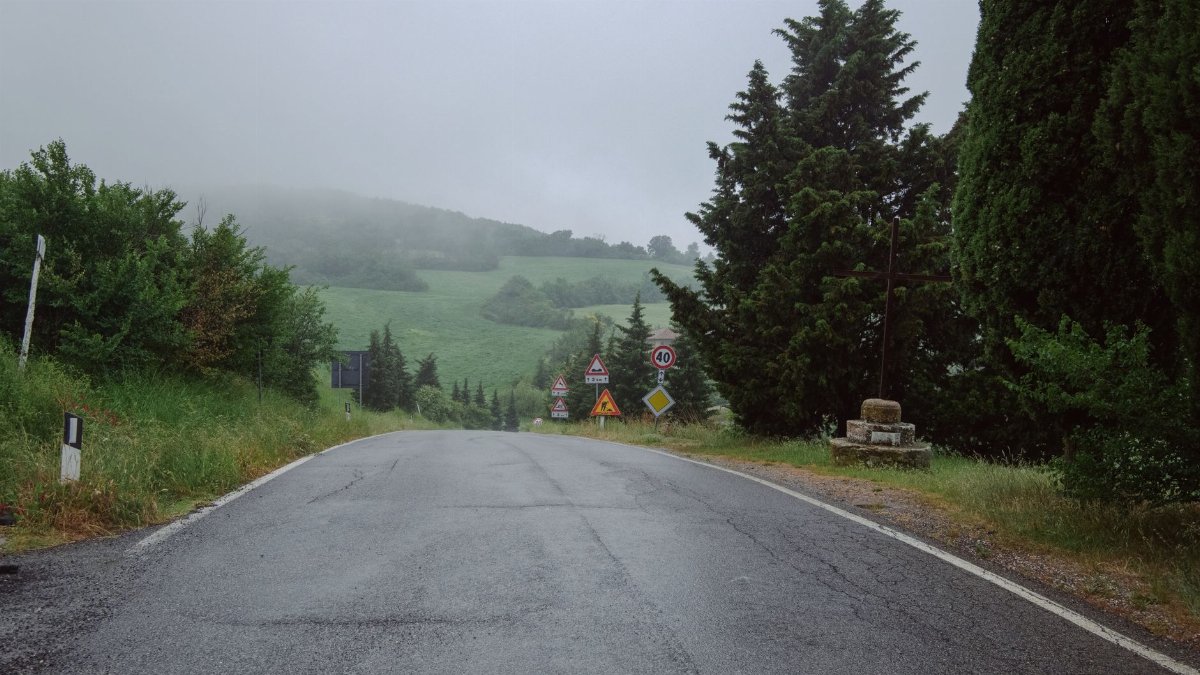
Pacific Coast Highway is not merely a commute. In Orange County it is a civic habit, a postcard, and a pressure valve for inland traffic. People use it to reach work in Laguna Beach, to slip toward Dana Point, or to give visitors the view they came for. A lane closure does not erase those purposes, but it compresses them. Brake lights stack where the shoulder used to feel generous. Delivery vans wait. Cyclists, already negotiating a road that was never designed as a park, lose margin. The drama is not a collapsed bridge or a washed out town. It is smaller and, in some ways, more instructive: a crack in a hillside, and a transportation agency deciding that caution is the only honest response.
What the closure actually changes

One southbound lane is not a full blockade, and that distinction matters. Northbound travel can continue. Local streets still connect neighborhoods to markets and clinics. Yet partial closures on this corridor punish precision. There is little room to improvise when the ocean occupies one side and a rising bluff occupies the other. A stalled vehicle, a tow truck, or a curious driver slowing for a look can turn a manageable squeeze into a long delay. Residents who have lived through earlier slides know the pattern. The first announcement sounds temporary. The second asks for patience. The third, if geology is unkind, revises the calendar.
Storm surge as more than a weather word
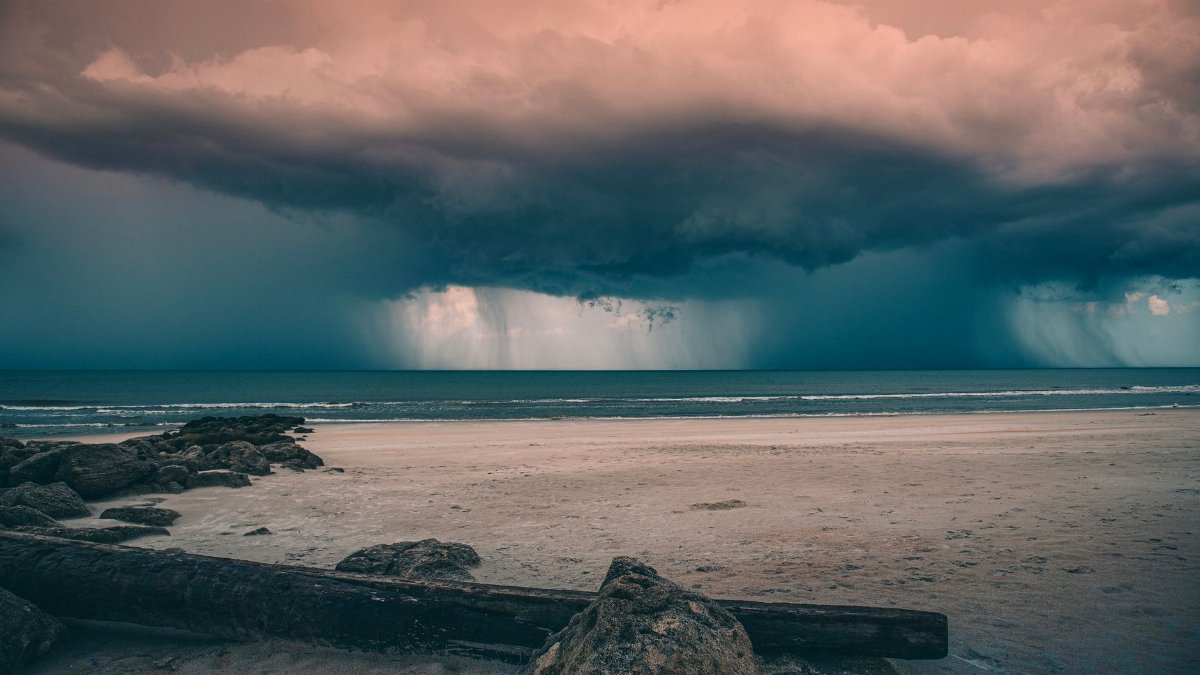
Officials have tied the damage to recent storm surges and high surf, which is a plain way of describing a complicated force. Surge is not just a tall wave. It is elevated water pushed against the base of a slope, sometimes for hours, sometimes in repeated sets that undercut soil the eye cannot see. High surf then works the same face from another angle, throwing spray and cobble upward and pulling loosened material back down. After a wet season, a hillside may already be heavy. Add vibration from traffic and the slow creep of gravity, and a fracture can open where yesterday there was only a stain on the dirt. None of this requires a catastrophe to be serious. It requires repetition.
Why this stretch has always been a wager

The highway here was cut into a coast that does not hold still. Bluffs in this part of Orange County are a mix of ancient marine sediment, weaker layers, and slopes that shed when they are soaked. Engineers have spent decades armoring toes of slopes, installing drains, and watching for tension cracks, those thin lines that often announce movement before a larger failure. The public sees a scenic drive. The maintenance logs see a structure that must be inspected after every hard winter swell. That gap in perception is part of the story. A road can look eternal in a photograph and still be one storm away from a cone line.
How agencies decide to close a lane
Caltrans does not close pavement for atmosphere. A visible crack above a travel lane raises questions that cannot be answered from a passing car: how deep is the fracture, is the slope moving, and would the next high tide make a bad guess expensive. Crews look for offset, seepage, fresh scarps, and any sign that material is preparing to drop onto the roadway. If the answer is uncertain, the conservative move is to remove traffic from the threatened lane and give geologists room to work. That choice frustrates drivers, and it should. It is also the choice that keeps a scenic delay from becoming a rescue.
The PCH Orange County hillside crack in a longer pattern
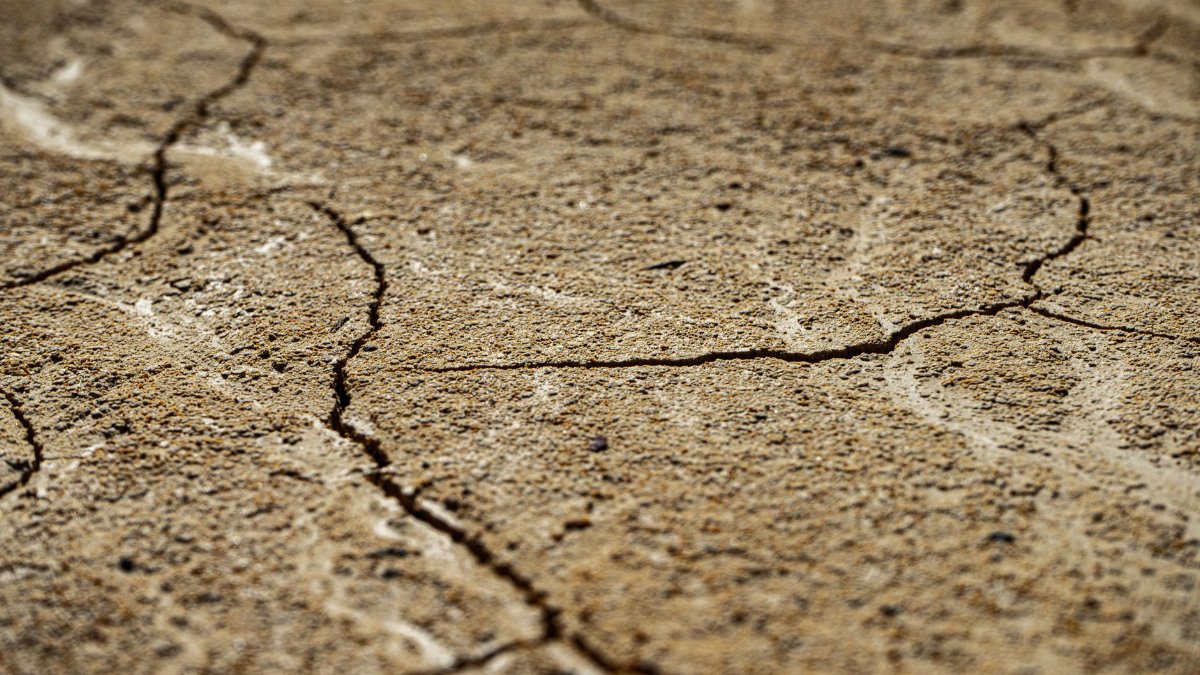
The PCH Orange County hillside crack belongs to a pattern coastal Californians already know by other names: a closed ramp after a slide, a beach stairway gone after a king tide, a parking lot edged back from a bluff that used to feel distant. Reporting on the latest closure, including an account in the Los Angeles Times, places the lane restriction near Laguna Beach in the context of storm driven surf rather than a sudden engineering mystery. The link is here: Los Angeles Times coverage of the PCH closure. What changes from episode to episode is not the physics. What changes is how many people have planned their day around a road that the ocean is also planning to revise.
Laguna Beach feels the squeeze first
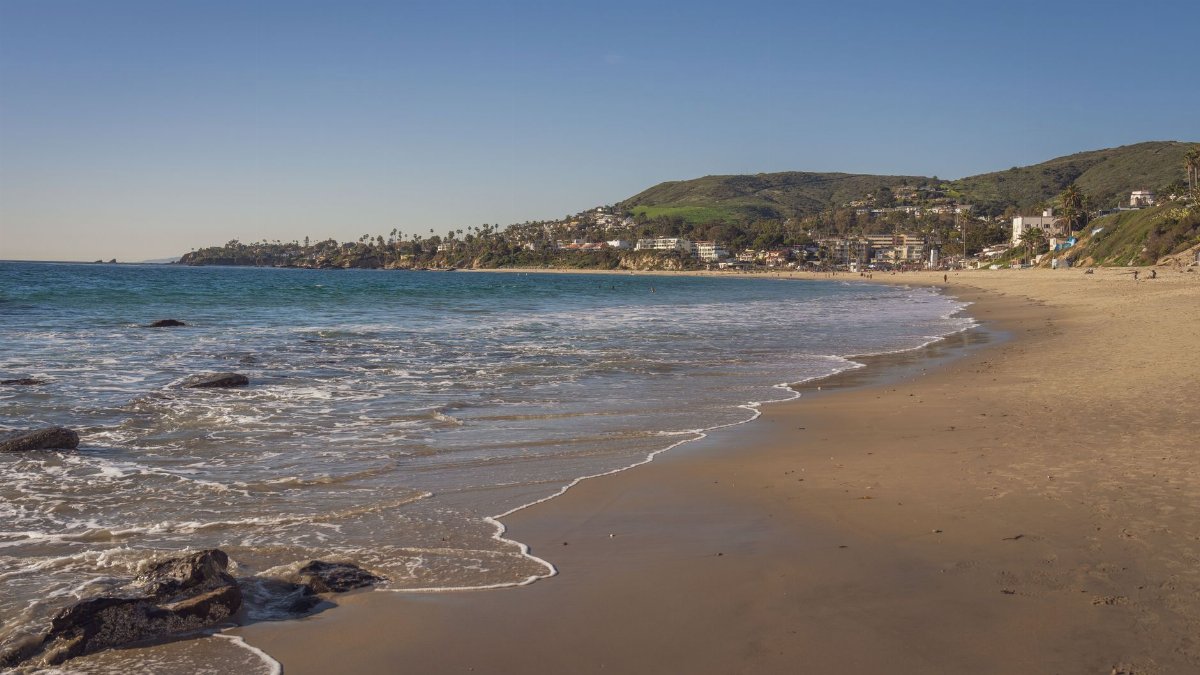
Laguna Beach is both a destination and a town with ordinary errands. When southbound capacity drops, the effects do not stay on the highway. Drivers seek parallel routes through neighborhoods that were not built as bypasses. Shop owners watch the afternoon rush arrive late or not at all. Hotel staff field questions from guests who assumed the coast road was a reliable script. Emergency planners, meanwhile, think in narrower terms: if the remaining lane is blocked, how does an ambulance move, and how quickly can a flagger restore a path. A hillside crack is a geology story. In a tight coastal city it is also a logistics story.
What repairs can and cannot promise
Repair, when it comes, will likely look unglamorous. Drains may be cleared or added. Loose material may be scaled from the face. A temporary barrier may hold traffic away from a zone that still needs instruments and time. In harder cases, crews build a retaining structure or shift the roadway a few feet if the right of way allows, which on this coast it often does not. None of those measures freezes the Pacific. They buy service. They reduce the chance that the next swell turns a fracture into a debris fan across both lanes. Residents who want a permanent fix are asking a fair question of a shoreline that does not offer permanent answers.
The commuter calculation
For people who drive the route every day, the philosophical point arrives as a clock. Leave earlier. Skip the scenic leg. Check conditions before promising a meeting in Irvine or a dinner in San Clemente. Those adjustments are small until they are not. A parent who counts on a twenty minute run to school discovers a forty minute unknown. A worker paid by the visit loses a stop. Tourism boards prefer not to lead with lane closures, yet honesty serves visitors better than a photograph that no longer matches the pavement. The road is open in a limited way. That sentence, plain as it is, should be the one that travels.
Living beside a coast that moves
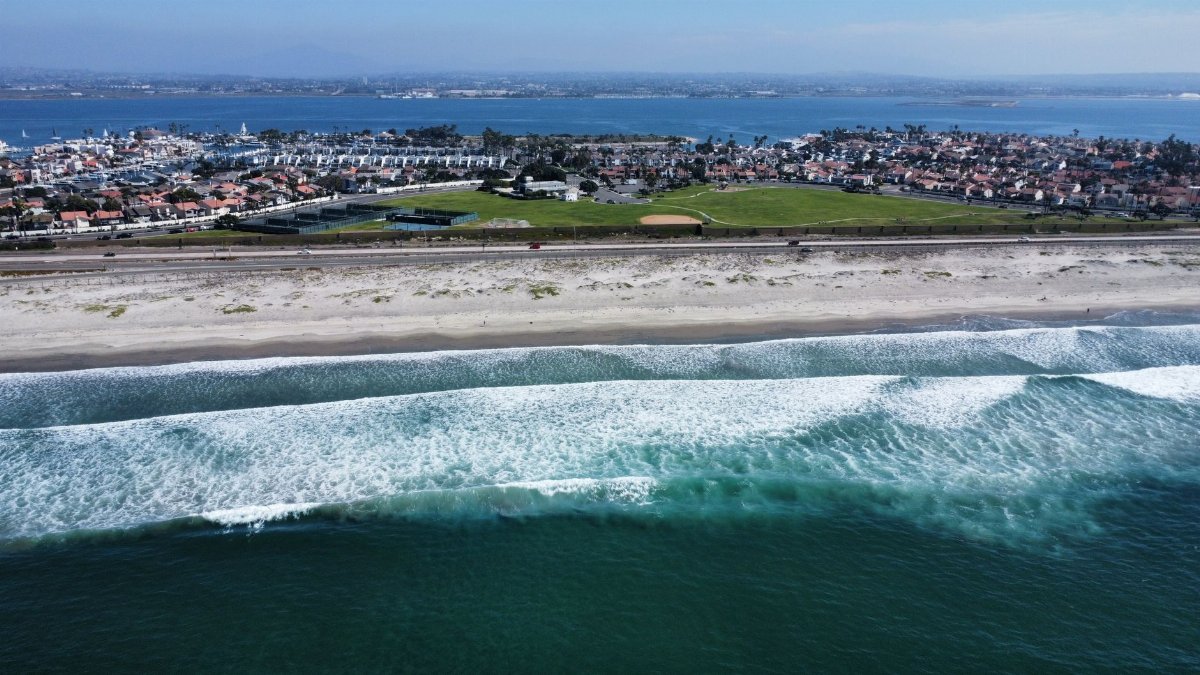
There is a temptation to treat each closure as an exception, a bad week after a bad storm. The record along this shore argues otherwise. Sea level is higher than it was when many of these alignments were chosen. Swells that once seemed rare now cluster in seasons that also bring heavier rain to slopes already cut close to their angle of repose. None of that means the highway should be abandoned tomorrow. It does mean that maintenance, monitoring, and the occasional lost lane are not failures of imagination. They are the operating cost of keeping a beloved road in a place that water and gravity are actively editing.
What drivers can do while the lane stays shut
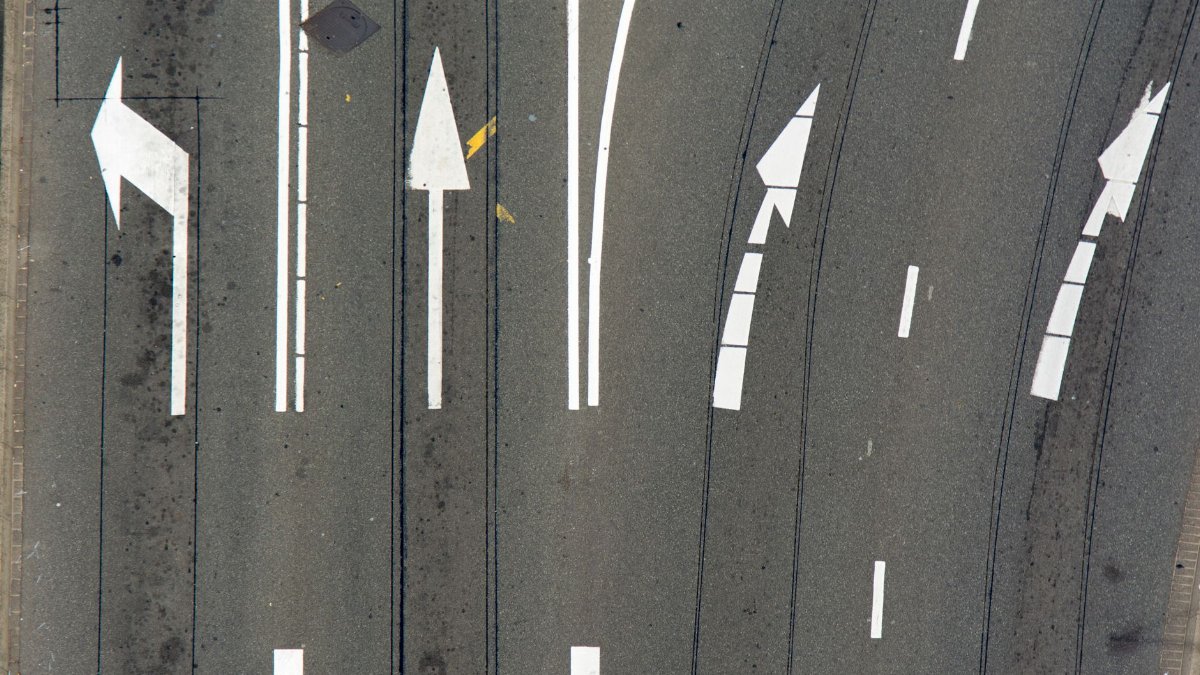
Practical habits help more than outrage. Give the work zone the full width it asks for. Do not stop to photograph the crack from a live lane. Follow the reduced speed even when the ocean looks calm, because the hazard may be above the car rather than beside it. If a detour is posted, use it instead of inventing one through a residential street that cannot absorb highway volume. And if plans can move inland for a day or two, move them. Courtesy will not heal a slope. It will keep a partial closure from becoming the kind of secondary crash that turns caution into a longer shutdown.
A road that teaches patience

The PCH Orange County hillside crack will be measured, watched, and, if the slope allows, repaired until traffic can spread out again. Until then the highway offers a clearer lesson than any brochure. Beauty and fragility are not alternating chapters here. They are the same page. Caltrans can reopen a lane. It cannot negotiate a treaty with surf that keeps arriving, or with hillsides that remember every soak. Drivers who love this road can hold both facts at once: the view is worth the trip, and the trip now includes the possibility that the coast will ask them to wait.