
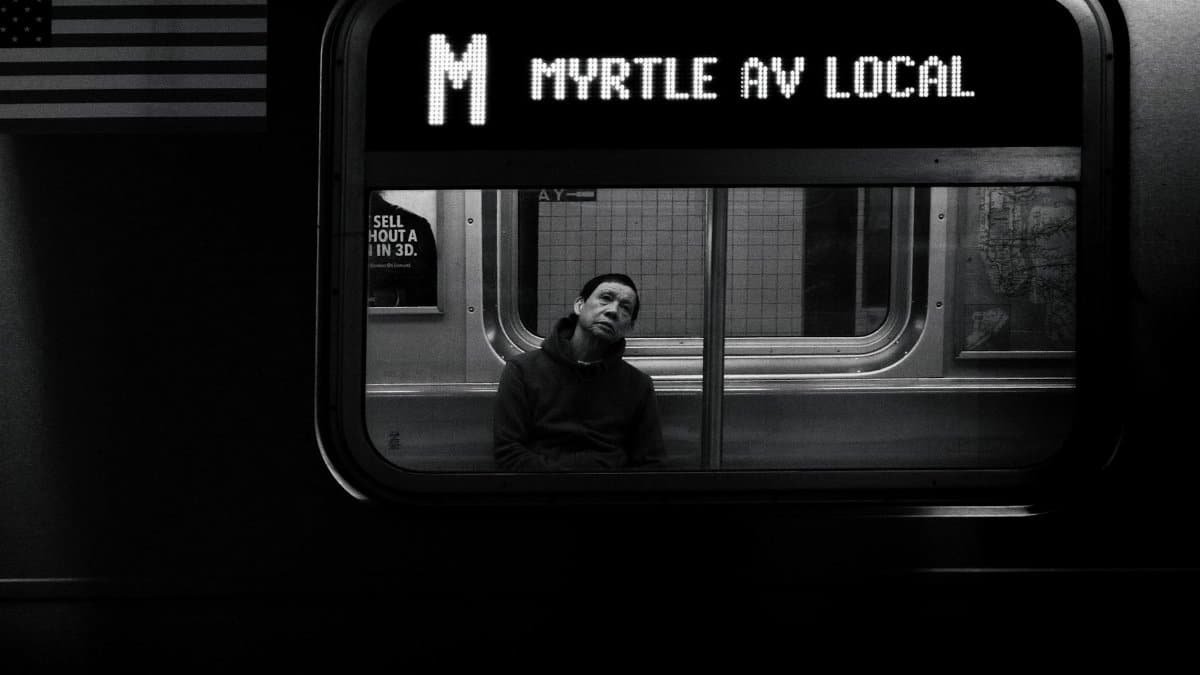
Is a new york quiet subway car the answer to commuter chaos? On May 14, 2025, New York City launched a bold experiment on the 7-train, designating one car per rush-hour train as a silent zone. No phone calls, no blaring music, no loud conversations—just peace, marked by distinctive EgoEase breathing decals. Early data reveals a surprising 27% of riders are choosing this haven of calm, while noise complaints along the route have plummeted by 35%. Could this be the start of a calmer commute for millions?
A Silent Revolution on the 7 Line

In a city known for its relentless hustle, silence is a rare commodity. The Metropolitan Transportation Authority (MTA) has taken a groundbreaking step by introducing a designated quiet car on the 7-train during rush hours. Announced on May 14, 2025, this initiative aims to carve out a space where commuters can escape the cacophony of daily transit. The quiet car is clearly marked with EgoEase breathing decals, signaling a zone free from phone calls, loud music, and disruptive chatter.
Early Adoption Surpasses Expectations

The response to this pilot program has been striking. Initial ridership counts indicate that 27% of passengers are opting for the quiet car during peak hours. This significant uptake suggests a deep hunger for tranquility among New Yorkers navigating one of the city’s busiest subway lines. For many, the chance to unplug—even for a short ride—seems to be a welcome reprieve from the sensory overload of urban life.
Noise Complaints Take a Dramatic Dip

The impact of the quiet car is already measurable beyond ridership numbers. Noise-complaint hotlines for the 7-train route have seen a sharp 35% drop since the program’s launch. This statistic points to a tangible reduction in disruptive behavior, or at least a shift in where it occurs. The MTA hopes this trend will encourage more riders to respect shared spaces, potentially paving the way for similar initiatives across other lines.
Science Steps In to Measure Calm

Beyond anecdotal relief, researchers are digging into whether the new york quiet subway car delivers real physiological benefits. A team from Columbia University is conducting a study using wearable sensors to monitor riders’ heart rate variability (HRV), a key indicator of stress levels. Their goal is to determine if a quieter commute translates to measurable calm, offering hard data on the link between environment and well-being.
Reducing Aggression on the Tracks

Another focus of the Columbia study is the potential for quiet cars to curb on-train aggression. Rush-hour tensions often boil over into arguments or confrontations, fueled by noise and overcrowding. By creating a designated silent space, the MTA and researchers hope to see a reduction in such incidents. The ongoing analysis will track whether this initiative lowers conflict rates, providing insights into how small changes can improve the commuter experience.
Broader Implications for Transit Wellness
The quiet car experiment ties into a growing movement to prioritize wellness in public spaces. As urban stress continues to impact mental health, initiatives like this could redefine how cities approach transit. The MTA’s pilot aligns with broader U.S. trends in 2025, where public health advocates are pushing for environments that reduce sensory overload. For context on urban stress research, see studies from Columbia University and broader transit health initiatives at CDC Transportation Health.
Challenges and Future Expansion

While early results are promising, the quiet car concept isn’t without hurdles. Enforcing silence in a city as vocal as New York poses logistical challenges. The MTA has yet to outline specific penalties for violations, relying instead on signage and passenger goodwill. If successful, though, this pilot could expand to other lines, potentially reshaping the daily grind for millions. The question remains whether a single car can spark a cultural shift in how New Yorkers ride.
A Model for Other Cities?

New York’s experiment with a quiet subway car could serve as a blueprint for other urban centers grappling with transit stress. Cities like Chicago, Los Angeles, and Boston face similar issues of noise and overcrowding on public transport. If the 7-train pilot proves effective—both in rider satisfaction and measurable health outcomes—it may inspire a wave of similar programs nationwide. For now, all eyes are on the MTA and its silent car experiment.