
The dining rooms of North Texas spent the past year waiting for a verdict that travels farther than any local review. When the latest selections landed, Dallas Fort Worth Michelin 2026 became the phrase chefs, investors, and regulars reached for at once. Plano restaurant Jashan received a Recommended nod, a quieter honor that still changes how a suburban table is seen. Fort Worth added a star. Dallas, the larger and louder market, came away with a mixed ledger. The contrast says as much about how the guide reads a region as it does about any single plate.
What the new list actually changed

A Michelin announcement is easy to treat as a scoreboard. Stars go up. Names get repeated. Social feeds fill with photos of dining rooms that suddenly feel historic. The more useful reading is narrower. The guide does not crown a city. It samples restaurants, often anonymously, and publishes a judgment that other people then inflate into civic pride or civic worry.
For this cycle, the useful facts are plain. Jashan in Plano is Recommended. Fort Worth gained a star. Dallas results were mixed, which is a polite way of saying the night did not belong to one narrative. Some rooms were affirmed. Others were left to explain themselves without a new badge. That mix is not a scandal. It is how a selective list behaves in a metro area with hundreds of serious kitchens and only a handful of slots that carry global weight.
Readers outside the industry sometimes assume a missing star means a bad meal. Inspectors do not work that way. A restaurant can be excellent, crowded, and beloved and still sit outside the categories the guide chooses to publish. The absence is information, but it is incomplete information.
A Recommended nod for Jashan in Plano
Recommended is the honor people skip on the way to the stars. That is a mistake. The category signals that inspectors found cooking worth a detour, even if they stopped short of the Bib Gourmand or starred tiers. For Jashan, the nod places a Plano address inside a conversation that used to stop at a few Dallas and Fort Worth names.
Plano is not a punchline in this story. It is a city with corporate campuses, immigrant families, and dining rooms that have carried regional Indian cooking for years without needing a French tire company to validate the spice. Jashan now has a line that travel editors and hotel concierges can repeat. That line will move reservations. It will also invite a second look from people who already knew the address and never needed permission.
The practical effect is local. A Recommended restaurant can raise prices a little, hire with more confidence, and ask suppliers for better product. It can also inherit a crowd that arrives to collect an experience rather than to eat. Owners learn quickly which of those guests return.
Why a suburban table can matter
North Texas does not eat in one downtown. Office parks, malls, and master planned neighborhoods hold some of the most consistent cooking in the region. Guides built in Paris and later expanded through global cities have been slow to treat that geography as serious. A Plano citation is a small correction.
It also tests a habit among local diners. Many still drive past excellent food in their own ZIP code to chase a reservation in Uptown or the Design District. Dallas Fort Worth Michelin 2026 makes that habit look a little dated. If inspectors are willing to sit in Plano, residents can do the same without treating the trip as a compromise.
There is a civic point here that has nothing to do with prestige. Suburban restaurants often employ cooks who live nearby, buy from regional distributors, and feed families on weeknights as well as celebration nights. Recognition that ignores those rooms produces a distorted map. Recognition that includes them produces a truer one.
Fort Worth and the weight of a star
Fort Worth gaining a star is the headline that will travel. A star is a portable credential. It shows up in airline magazines, in group chat arguments, and in the pitch decks of developers who want a restaurant on the ground floor of a new building. For a city that has long argued it is more than a neighbor to Dallas, the star is evidence that can be quoted without a speech.
The weight is real and also easy to overstate. A star does not freeze a kitchen in amber. Menus change. Cooks leave. Landlords raise rent. The plaque, if there is one, does not pay the linen bill. What it does is alter the terms of attention. Critics return. Tourists arrive with expectations set by meals in other cities. Regulars who liked the old quiet may find the room louder.
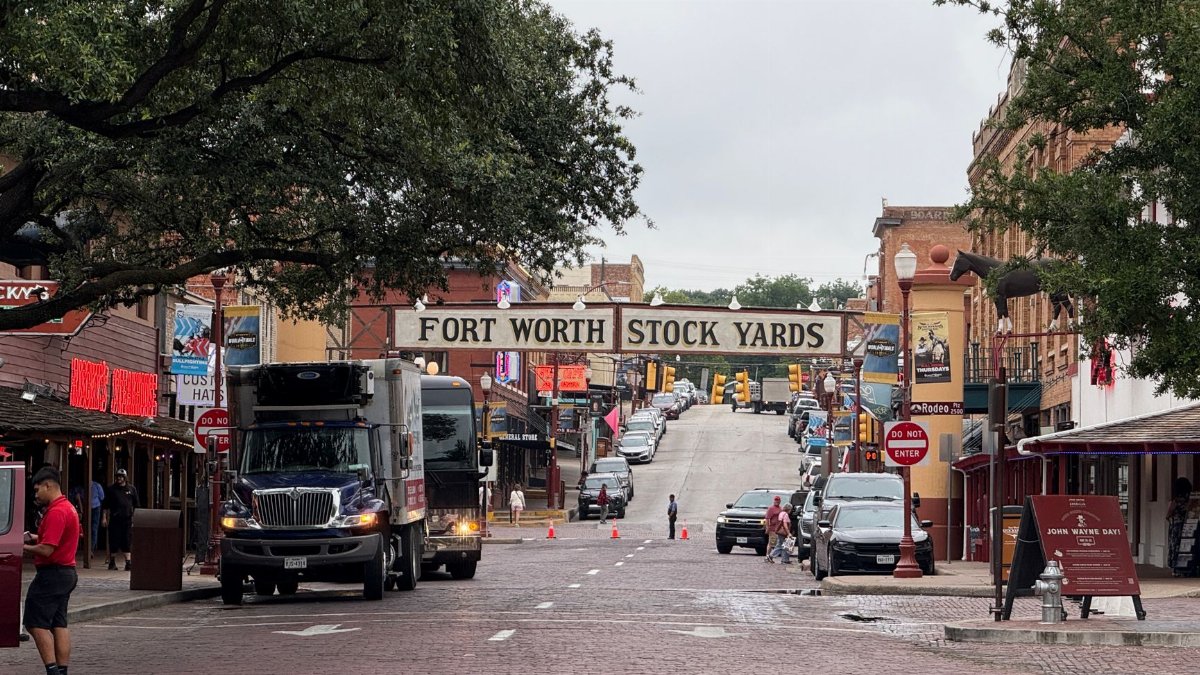
Fort Worth has a dining identity that does not need to imitate Dallas to be legible. Stockyards mythology, a serious museum district, and a tighter set of ambitious restaurants give inspectors a readable landscape. A new star fits that landscape better than a sudden attempt to match the volume of openings on the other side of the metroplex.
Dallas and a mixed night
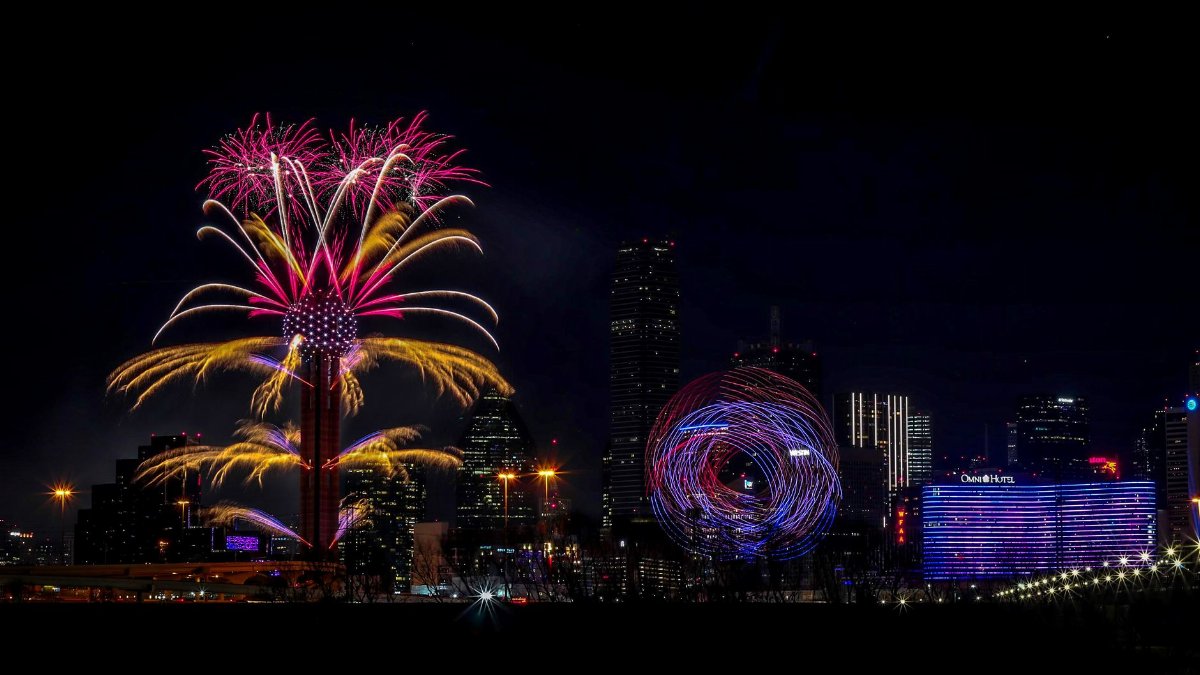
Dallas is accustomed to being the center of the Texas restaurant story. Mixed results disrupt that habit without erasing it. Mixed means some established names held their ground, some hoped for more and did not get it, and some newer rooms entered the conversation without a coronation. The city did not fail a test. It received a partial report.
That partial report will be read through local politics anyway. Neighborhood boosters will claim neglect. Operators who were passed over will wonder about timing, about whether a soft opening month coincided with an inspector visit, about whether a loud dining room hid the cooking. Those questions are human. They are rarely answerable from the outside. The guide does not publish score sheets.
For diners, mixed is almost a gift. It keeps the map interesting. A city where every famous restaurant is starred becomes a checklist. A city where the list and the lived experience diverge sends people back to their own judgment. Dallas Fort Worth Michelin 2026 leaves room for that judgment, especially on the Dallas side of the ledger.
How inspectors read a metroplex

The Michelin method is famous and still opaque. Inspectors pay their own checks. They visit more than once when a restaurant is under serious consideration. They look at ingredients, technique, consistency, and the experience as a whole. Personality of the chef matters less than whether the plate repeats its promise on a Tuesday.
A metroplex complicates the method. Distances are long. Traffic is not theoretical. A single inspector cannot treat Dallas, Fort Worth, Plano, Arlington, and Frisco as one neighborhood with different zip codes. Coverage will always feel uneven to someone whose favorite room was not visited in a given year. Evenness is not the product. Selection is the product.
That is why arguments about fairness after an announcement tend to stall. Fair would require a census of every serious kitchen. Michelin is not a census. It is a curated list with a brand powerful enough to make curation feel like law. Remembering the difference keeps the morning after calmer.
Money, reservations, and the morning after
Awards move money before they move culture. Reservation books tighten. No show policies get stricter. Tasting menu deposits appear where a walk in used to be possible. Investors who were cautious in January become generous in the week after a star. Landlords notice. So do line cooks, who may or may not see the new attention in their paychecks.
Recommended status produces a softer version of the same pattern. Jashan is unlikely to become impossible to book overnight, but it will see unfamiliar names and longer waits. The test for any honored restaurant is whether service stays recognizably itself. Guests can taste panic. They can also taste a kitchen that has decided the new crowd will meet the old standard, not the reverse.
Cities feel the money too. Tourism boards will quote the star. Convention planners will add a dinner to the optional agenda. None of that is cynical by itself. Hospitality is an industry. The risk is that public talk reduces to logos while the actual work, which is repetitive and physical, stays invisible.
Chefs and the long preparation
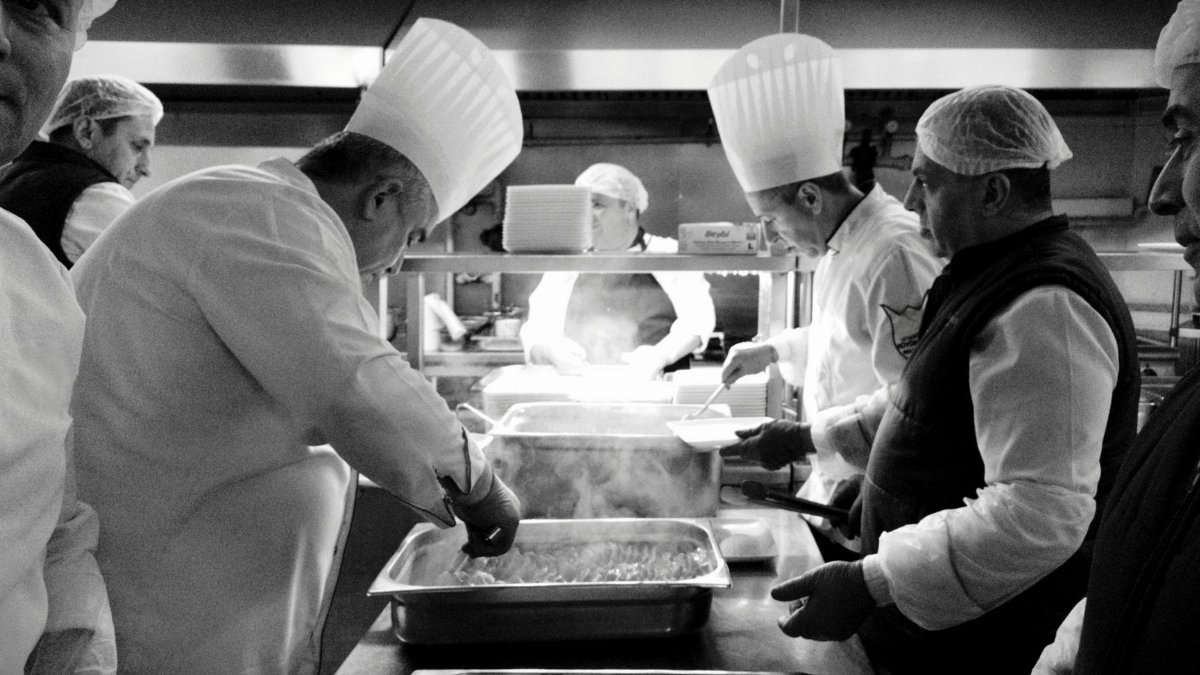
Anyone who has worked a Michelin week knows the mythology is half theater. Kitchens do not become precise because a list is about to drop. Precision is a habit built over years of prep lists, vendor arguments, and services that nobody photographed. The announcement is a photograph of that habit, taken by someone who did not ask permission.
Chefs in this region have been preparing for a Texas guide since rumors became schedules. Some adjusted plating. Some refused to. Both choices can be honest. What rarely helps is cooking for an imaginary inspector instead of the people at the table. The guests who come back on ordinary nights are the only audience a restaurant can count.
There is also fatigue. Awards culture asks chefs to perform gratitude, ambition, and humility in the same interview. A mixed result in Dallas will produce careful quotes. A star in Fort Worth will produce joy that is real and also managed. Readers should allow both feelings without demanding a morality play.
Diners who are not chasing stars
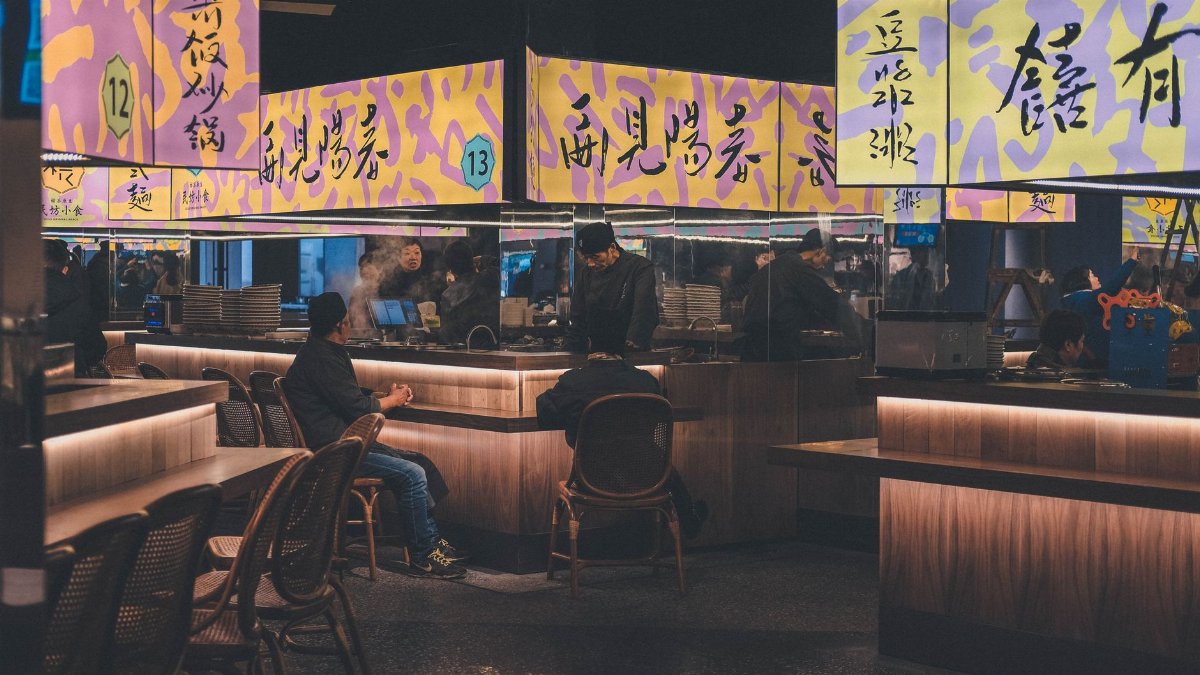
Most meals in Dallas Fort Worth this year will have nothing to do with a guide. They will be weeknight biryani, a steak after a game, tacos eaten in a car, a birthday that needed a private room and a cake with a name spelled correctly. Those meals are the actual food culture. The list is a bright edge, not the center.
Still, lists change behavior at the edges in ways worth noticing. A parent in Plano may try Jashan because a cousin sent a link. A visitor with one free evening may choose Fort Worth because a star is easy to explain to the person paying for the trip. A Dallas regular may skip a famous room and return to a place that felt overlooked, out of loyalty or spite. All of those decisions are small. Together they rewrite Friday night.
Shared meals remain one of the few civic rituals that do not require a ticket or a opinion. Recognition can support that ritual when it widens the map. It can damage it when it turns dinner into status. The difference is mostly in how diners use the news, not in the news itself.
What the guide cannot say
No list can rank hospitality in full. It cannot score a server who notices a child getting restless, a cook who sends a dish again without a speech, or a owner who keeps prices honest during a hard quarter. Those gestures do not photograph well and do not fit a symbol. They are why people become regulars.
The guide also cannot settle arguments about whose cuisine counts as ambitious. North Texas cooking draws on Mexican, Vietnamese, Indian, Texas barbecue, and a dozen other traditions that do not need French technique to be exacting. When a list tilts toward tasting menus and quiet rooms, communities notice. When it reaches a place like Jashan, those communities notice that too. Dallas Fort Worth Michelin 2026 will be judged on that reach as much as on the star count.
Silence is part of the document. Restaurants not named are not condemned. Newcomers opening after the inspection window were never in the running. A fair reading leaves space for next year without treating this year as incomplete theater.
Reading the results without the noise
A useful way through the noise is to separate three questions. Did a specific restaurant earn a specific mention? That is a fact, and this cycle answers it for Jashan, for a newly starred Fort Worth room, and for a Dallas field that did not move in one direction. Will the mention change how the room feels in six months? That is a prediction, and predictions about restaurants are usually wrong in the details. Does the mention describe the best meal you can have this weekend? That is a personal question, and no inspector can answer it.
Local journalism helps when it resists the scoreboard tone. Name the honor. Describe the cooking. Talk to people who eat there on ordinary nights. Avoid turning every omitted restaurant into a victim or every starred one into a monument. The Dallas News restaurant desk and other local reporters will do that work in the days after the list, visiting rooms and checking whether the story matches the plate.
Readers can do a smaller version. Go once without announcing why. Order what the kitchen is known for, not what a guide summary suggests. If the meal is good, return. If it is not, the badge did not obligate you.
The year ahead for North Texas tables

The next twelve months will test whether these honors settle into the life of the cities or remain a spike in search traffic. Fort Worth will be asked to live with a star, which means living with expectations imported from other starred cities. Plano will be asked whether a Recommended restaurant can stay a neighborhood room while welcoming new guests. Dallas will be asked to sit with mixed results without inventing a crisis or a conspiracy.
Operators will watch costs. Beef, labor, and insurance do not care about symbols. A star can fill seats and still fail to fix a thin margin if the business was already strained. The healthiest response is boring. Solid books, clear menus, and staff who are paid enough to stay. Boring is how restaurants survive the month after the applause.
For the rest of us, the list is an invitation rather than a command. Dallas Fort Worth Michelin 2026 marks a moment when Plano, Fort Worth, and Dallas were read together and came out uneven. That unevenness is the true portrait. Use it to pick a table, then trust the meal in front of you more than the symbol that sent you there.