
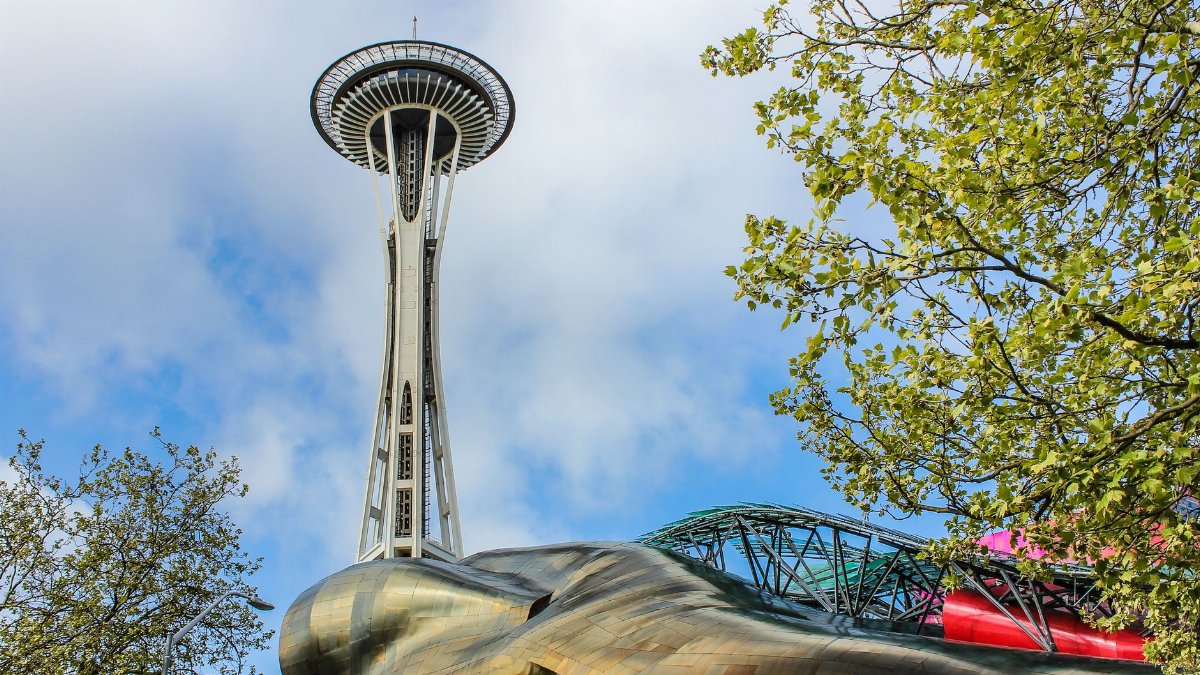
On a weekday when the galleries at Seattle’s Museum of History and Industry were still filling with school groups and visitors from out of town, a much smaller count settled a question the public rarely sees. Staff chose collective bargaining by a wide margin, and the MOHAI union vote became another sign that the people who preserve a city’s memory want a formal voice in how that work is valued.
A tally that left little room for doubt

Local reporting put the result at 16 to 1 in favor of forming MOHAI Workers United. In a workplace that size, nearly every eligible person had a stake in the outcome, and nearly every ballot pointed the same way. Margins like that do not erase disagreement. They do tell managers, donors, and the public that isolation was not the story. A supermajority is harder to dismiss as the grievance of a few loud colleagues.
Union elections are often described as moments of rupture. Inside a museum they can feel quieter than that. Ballots are secret. The building still opens. Labels still hang straight. What changes is the legal relationship. After certification, wages, schedules, discipline, and benefits become subjects for negotiation rather than unilateral memos. That shift is procedural, and it is also personal. People who spent years asking for meetings now have a structure that requires the institution to sit down.
What this museum is built to hold
MOHAI tells Seattle to itself. Its collections move from maritime industry and the Alaska Yukon Pacific Exposition to Boeing, tech booms, neighborhood change, and the ordinary objects that outlast headlines. The building in South Lake Union sits near cranes and glass towers, a reminder that history is not a retreat from the present economy. It is a record of who gained, who was pushed aside, and who did the labor in between.
That mission depends on more than donors and a director. Registrars track objects. Educators translate dense history for children who have an hour between buses. Front of house staff absorb the moods of a city on a rainy Saturday. Preparators, technicians, and visitor services workers make the public face possible. When those jobs are treated as interchangeable, the institution risks hollowing out the very memory it claims to protect.
Who was in the room
Museum bargaining units are rarely uniform. A vote can gather people with graduate degrees and people hired for weekend shifts, employees with health coverage and employees patching hours across two jobs. What they share is proximity to the collection and to the public, and a sense that decisions about staffing have been made far from the gallery floor.
I have walked enough museum lobbies to know the script visitors hear: welcome, enjoy, please do not touch. The script workers live is less polished. It includes last minute schedule changes, the cost of parking, the strain of explaining contested history to strangers, and the knowledge that passion for the mission is sometimes treated as a substitute for pay. A union does not invent that tension. It names it.
Why cultural workplaces turned toward labor
Seattle has watched a run of organizing in arts and heritage settings, part of a national pattern that accelerated after the pandemic. Museums closed, reopened, and asked staff to do more with thinner teams. At the same time, rent and groceries climbed. Workers who had accepted modest salaries for the sake of a public mission began to ask whether devotion was being used as a management strategy.
The pattern is not unique to one city, but Seattle makes it vivid. A region built on timber, ships, aircraft, and software has a strong labor memory, from waterfront unions to teachers and grocery workers. Cultural staff are now placing themselves inside that lineage rather than outside it. They are not claiming the same hazards as a mill or a dock. They are claiming the same right to bargain over the terms of their time.
Wages, hours, and the price of staying

Housing costs in Seattle have a way of turning a calling into a countdown. A worker can love the collection and still calculate how many more years of roommates, long commutes, or deferred medical care the job will require. When turnover rises, institutional knowledge walks out with the employee. A label may remain accurate. The unwritten understanding of why an object was acquired, which school teacher always books the same tour, or which donor story needs careful handling does not survive as easily.
Collective bargaining cannot repeal the regional housing market. It can set floors for pay, create predictable schedules, and define how extra hours are assigned. It can also force a budget conversation that boards sometimes prefer to keep abstract. If a museum can fund an exhibition, a gala, or a capital repair, workers will ask why retention is treated as optional. That question is uncomfortable because it is concrete.
What a union can change and what it cannot
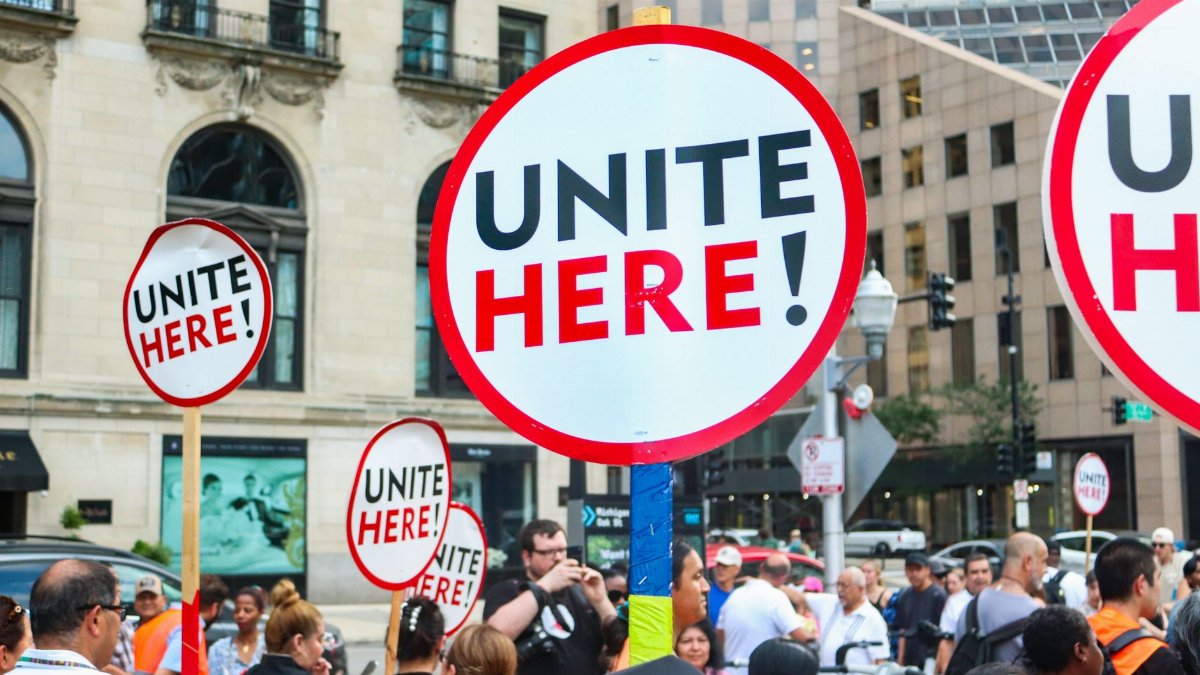
A yes vote is not a contract. Certification opens a long middle chapter. Workers elect representatives, survey priorities, and draft proposals. Management arrives with its own constraints: endowment rules, earned revenue, city relationships, and the expectations of trustees. Negotiations can take months. They can stall. They can produce a first agreement that feels modest next to the hope of election night.
Still, the legal change matters. An employer must bargain in good faith over wages, hours, and working conditions. Unilateral changes in those areas become riskier. Employees gain a structured way to contest discipline. None of that guarantees harmony. It does replace a culture of individual pleading with a culture of written commitments. For people who have been told to be grateful for the privilege of the work, a document with dates and numbers can feel like oxygen.
Boards, donors, and the public trust
Museum boards are stewards, not owners in the ordinary corporate sense. Collections are held for the public, often with tax advantages and civic expectations attached. That stewardship cuts both ways in a labor dispute. Trustees may worry that higher labor costs will crowd out programs. Workers may answer that a public trust maintained through burnout is not much of a trust at all.
Donors occupy an awkward seat. Some give because they love a particular gallery. Others give because they want their names near a story of civic progress. A union drive asks them, quietly, whether progress includes the payroll. Most will never see a bargaining table. They will see whether the museum stays open, whether school tours continue, and whether the staff who greet them seem able to imagine a future there.
The meaning people attach to memory work
There is a reason a labor story at a history museum carries a charge beyond economics. These institutions function, for many visitors, as civic sanctuaries. People come to mark anniversaries, to introduce children to a place their grandparents knew, to argue with the past in a room designed for looking. The workers who host that encounter are not clergy, and it would be a mistake to romanticize them as such. But the work does ask for a kind of fidelity: fidelity to evidence, to communities represented in the cases, and to the idea that a city should be able to see itself honestly.
When that fidelity is unpaid in practice, the contradiction shows. A museum that narrates strikes, migrations, and industrial sacrifice while treating its own staff as endlessly flexible sends a mixed lesson. The MOHAI union vote does not rewrite those galleries. It does suggest that the people inside the building want the lesson and the workplace to rhyme.
Visitors will mostly notice the absence of drama
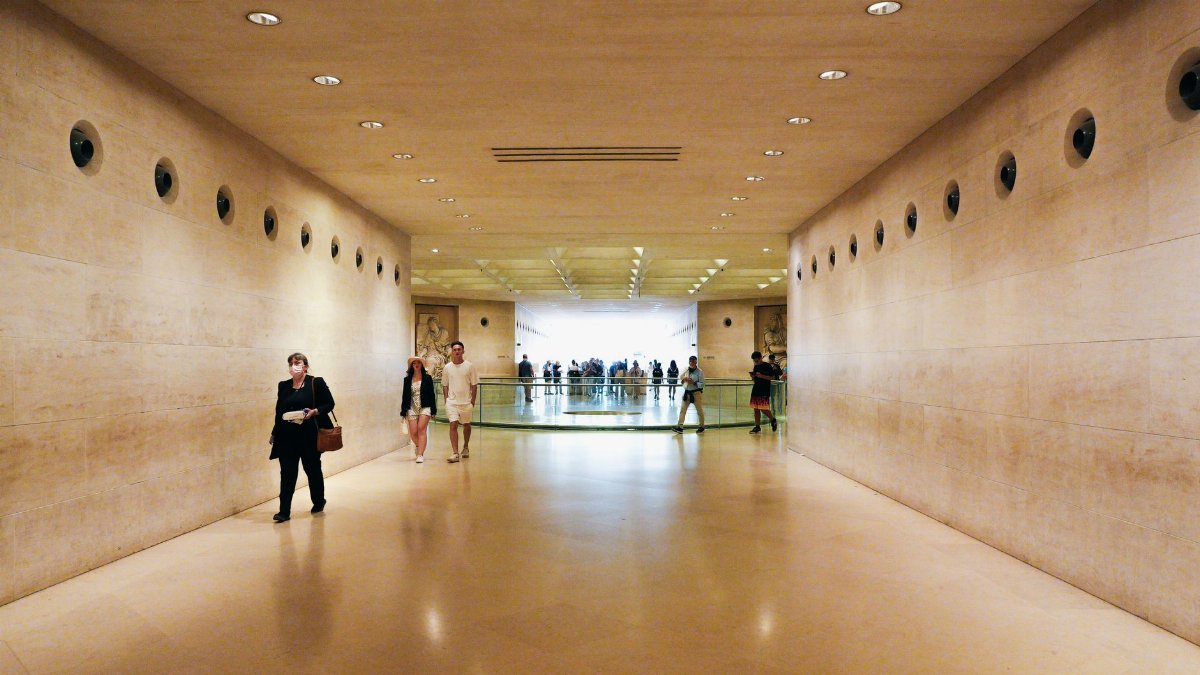
For the public, the day after a union election looks like any other day. Tickets scan. Elevators rise. A child presses close to a window toward the lake. That continuity is a success, not a sign that nothing happened. Labor organizing in a cultural space often succeeds precisely because workers refuse to hold the audience hostage. They keep the doors open while they rearrange the terms backstage.
Visitors still have a role. They can ask, without theatrics, whether the institution publishes pay bands, whether educators are salaried, whether weekend staff can get enough hours to qualify for benefits. Curiosity from the public is not interference. Museums already invite the public to care about provenance. Provenance of labor is a fair companion question.
Seattle’s cultural map is being redrawn

One museum vote does not set terms for every gallery in the region. It does add weight to a shift already underway. When several cultural workplaces organize in the same city, isolated campaigns start to look like a sector. Workers compare notes on dues, on first contracts, on which demands survived contact with a budget. Directors compare notes too. Some will treat unionization as a failure of culture. Others will treat it as a predictable response to costs and to a generation less willing to confuse prestige with security.
City government and philanthropy will feel the ripple even if they never file a brief. Public funding for arts and heritage is limited. If labor standards rise in one institution, peer institutions will face pressure to match them or to explain why they cannot. That pressure can be healthy. It can also tempt a race to cut programs rather than to rethink compensation. The next year of bargaining will show which instinct wins.
After the celebration, the slower work

Election nights produce photographs and short statements. The following season produces calendars. Workers will need to learn the patience of proposal and counterproposal. Managers will need to learn that consultation is no longer optional courtesy. Both sides will be tempted to perform for audiences who are not in the room: social media, trustees, skeptical colleagues who voted no or who were not eligible.
The healthiest path is dull in the best way. Regular meetings. Written agendas. A first contract that addresses pay, scheduling, and a grievance path without pretending to solve every inequity in American museum work. If MOHAI Workers United can secure that, the 16 to 1 margin will have been a beginning rather than a trophy. If talks drag into resentment, the same margin can curdle. Lopsided votes create responsibility as well as momentum. A majority that large has to govern itself with room for the colleague who disagreed.
What other institutions can read in the result

Leaders elsewhere sometimes wait for a petition before they listen. By then the relationship has already changed. The clearer lesson from this vote is earlier and cheaper: publish how decisions are made, pay people enough to live in the city whose history they interpret, and do not treat mission language as a wage. Staff organizing is not a mystery illness. It is a response to conditions that workers can describe in plain sentences.
Boards that want to avoid surprise should ask for turnover data, for the share of workers with stable schedules, and for an honest account of who can afford to stay. Those numbers will not always be flattering. They are more useful than a slogan about family. A museum that studies the past for a living should be able to study its own workplace without flinching.
A city arguing with its own story
Seattle likes to narrate itself as inventive, generous, and a little unfinished. The MOHAI union vote fits that narration more tightly than a dispute in a distant industry would. Here the storytellers asked to bargain. They did it in a building devoted to industry, immigration, protest, and reinvention. Visitors who linger over photographs of earlier strikes may not connect those images to the person who handed them a map. The connection is there anyway.
None of this requires the public to pick a side in a contract they will never read. It does ask for a clearer picture of what keeps a museum alive between exhibitions. Objects do not interpret themselves. School groups do not guide themselves. A 16 to 1 decision will not hang on a wall. It will show up, if the talks go well, in who is still employed when the next generation arrives to see how this city remembers its work.