
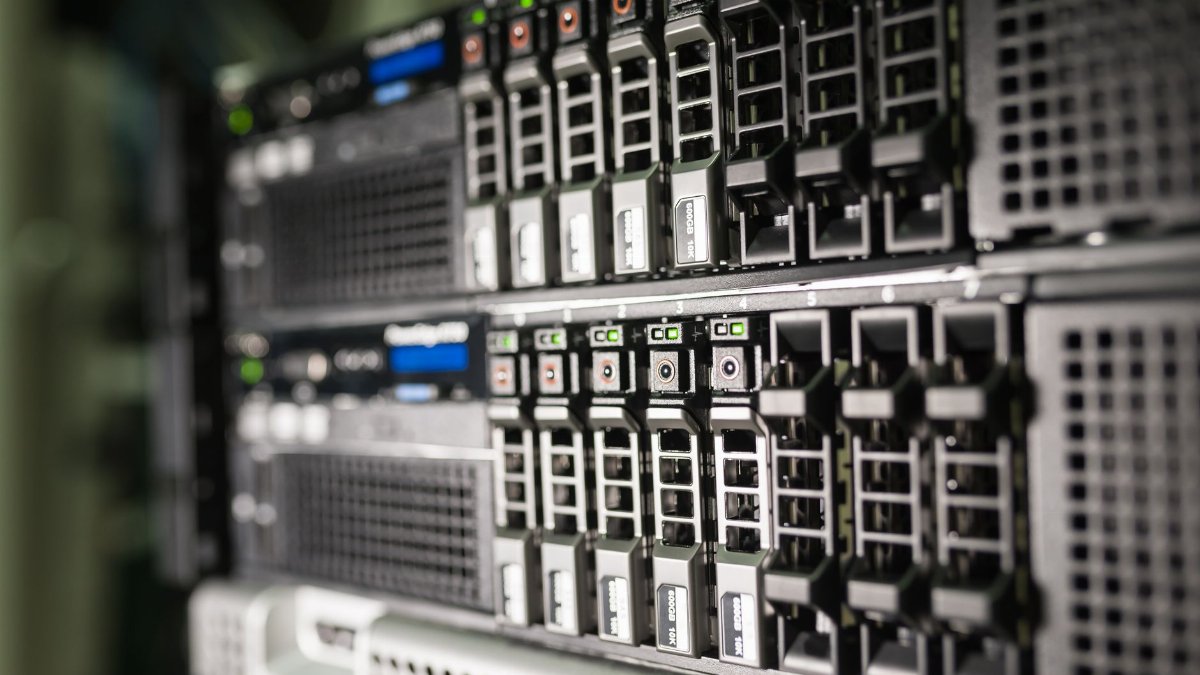
On a clear morning the glass towers of a planned server campus can still look like an empty pasture. Westlake sits between Fort Worth and Dallas with the kind of quiet wealth that usually resists industrial neighbors. Yet the machinery of the digital economy has a way of finding towns that thought they had opted out. State filings, as described in recent business reporting, show a developer moving a large North Texas project toward the building phase. Westlake data center construction is no longer an abstract rumor traded among brokers. It is a timetable, a set of permits, and a test of how a small city absorbs a facility built for machines rather than people.
Filings that turn a rumor into a schedule

A filing is not a ribbon cutting. It is a signal that lawyers, engineers, and lenders have moved past the sketch stage. Reporting in The Dallas Morning News describes state paperwork that shows the developer behind the Westlake project preparing for construction rather than merely shopping a concept. In Texas, that step often follows months of quiet land assembly, utility talks, and design work that never reaches a city council microphone.
For residents, the distinction matters. A concept can be argued away. A construction schedule implies cranes, haul routes, night lighting, and a permanent change in what a parcel is for. That is what Westlake data center construction looks like on paper before it looks like anything on the ground. The language may be dry. The consequence is not.
A town that did not plan to host the cloud
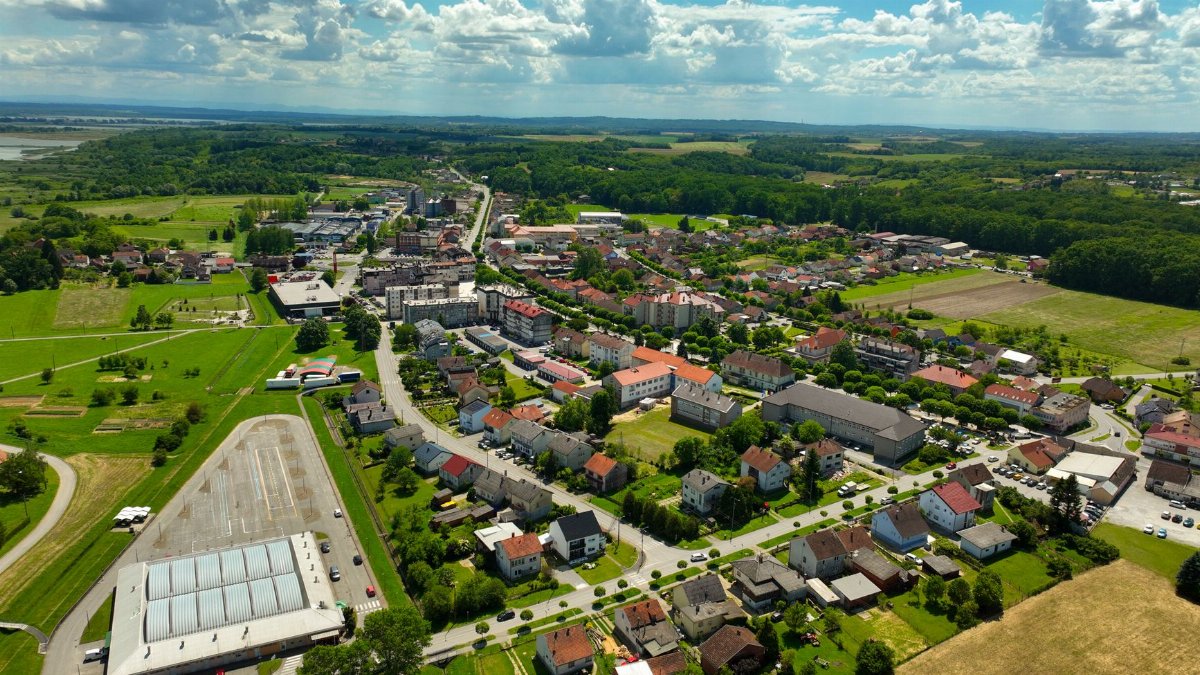
Westlake is small by North Texas standards and known for corporate campuses, golf, and a tax base that lets it keep a low profile. Data halls want flat land, fiber routes, and a short path to high voltage lines. They also want a jurisdiction that can decide quickly.
That mix is why the region keeps winning these projects even when individual towns hesitate. Dallas and Fort Worth grew as logistics cities. The same highways and substations that move freight now move electrons and packets. A campus here can sit inside that network without looking like a warehouse district. The dissonance is part of the story.
Power, not architecture, sets the pace
The building is the visible part. The substation is the plot. Across Texas, large computing campuses have piled onto a grid already stressed by population growth, industrial load, and extreme weather. The Electric Reliability Council of Texas operates that grid and has urged more careful planning for very large new loads. Its public materials describe a system that balances supply and demand in real time, with little of the interstate backup that other regions take for granted.
For a project at this scale, construction cannot outrun interconnection. Transformers, switchgear, and transmission upgrades have long lead times. A developer can pour slabs and still wait on power. That waiting is not an ordinary delay. It is the project. Neighbors who watch a fence go up and assume the hard part is finished are usually watching the easy part.
Water, noise, and the heat leaving the roof

Servers turn electricity into computation and waste heat. Cooling that heat takes water, air, or some mix, depending on design. In a dry summer, neighbors hear assurances about closed loops and still ask where makeup water comes from and what happens in a drought. They also ask about generator tests. Backup units must be run on a schedule so they work in an emergency. Those tests are legal. They are also loud.
None of this makes a project illegitimate. It does make review more than a formality. A town can demand quieter enclosures, limited test hours, and a cooling design that does not treat a reservoir as an infinite tap. Those conditions belong in the permit, not in a statement issued after the concrete is set. Heat does not vanish because a building has no windows. It leaves through fans, towers, or pipes, and someone nearby will notice.
The politics of a wealthy address

Opposition in a place like Westlake rarely sounds like a blanket rejection of technology. It sounds like a negotiation over trucks, light, distance from homes, and whether a campus belongs beside corporate lawns. Wealth does not remove conflict. It changes the vocabulary. Residents hire counsel. They read filings. They ask whether tax agreements give away revenue that a town with a strong base does not need to surrender.
Developers answer with a different ledger. They talk about taxable value on equipment, about construction payroll, and about a facility that does not send children into schools or cars into rush hour the way a subdivision would. Both ledgers can be true. The argument is about which one the city is willing to live beside for thirty years. A low profile is a civic asset in Westlake. A server campus spends that asset whether or not anyone intended the trade.
Jobs that arrive in a surge and then thin out

Construction is the loud employment chapter. Electricians, ironworkers, equipment operators, and concrete crews can fill a site for many months. Once the halls are live, the permanent staff is smaller than the square footage suggests. Security, facilities technicians, and a rotating cast of vendors keep the machines running. The economic story is less about headcount than about capital invested in equipment that depreciates and gets replaced.
That pattern frustrates people who hear the word jobs and picture a factory shift. It should be described honestly. A data campus is a capital project with a maintenance tail, not a mill town. Cities that approve one on the promise of lasting employment often discover they approved a taxable shell with a small crew. The payroll that matters most may be the one that arrives with hard hats and leaves when the certificate of occupancy is taped to the door.
How North Texas keeps winning these campuses
The state has land, a business culture that moves fast, and fiber routes built for telecom and finance. Power prices and grid risk cut the other way, which is why serious developers now arrive with their own generation plans or demands for dedicated substations. The competition is no longer only between suburbs. It is between Texas and Virginia, between a prairie parcel and a site that already has the wires.
Westlake data center construction sits inside that national scramble. A filing in one town is also a message to rivals. This site is far enough along that another campus might look elsewhere. Speed is a strategy. So is silence, until the paperwork makes silence impossible. Regions that treat every new load as a trophy will eventually meet the limit of their wires. Regions that treat every new load as a negotiation may keep the projects and keep the lights on.
What the building phase will feel like
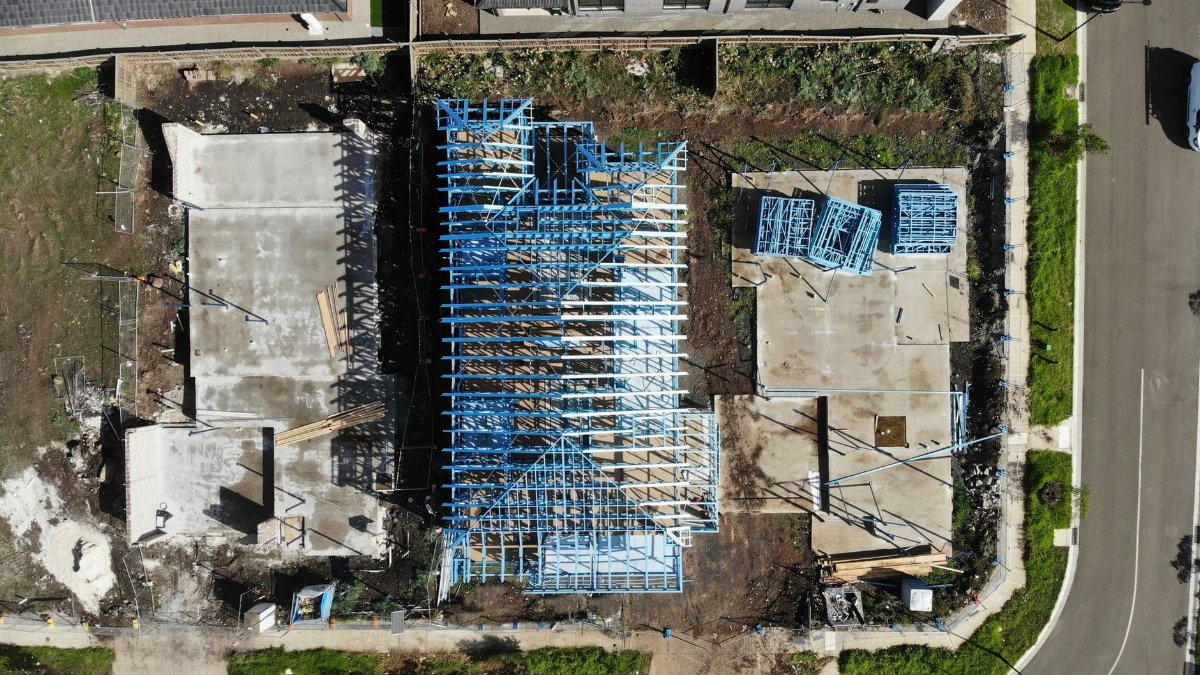
If schedules hold, neighbors will notice an ordinary sequence. Clearing. Utilities. Foundations. Steel. Then a long period when the site looks finished from the road and unfinished inside, because the valuable work is racks, cable, and cooling plant. Haul trucks matter more in the first year than in the fifth. So do temporary lights and the dust that follows a dry week.
Cities that handle this well publish the route, the hours, and a phone number that a person answers. Cities that handle it poorly discover that resentment forms around a missed turn restriction, not around the abstract idea of cloud computing. Westlake data center construction will be judged on those small frictions as much as on the final silhouette. A courteous haul plan will not make a substation beautiful. It will decide whether the first year is remembered as orderly or as a broken promise.
What residents still cannot see

Public filings rarely reveal the tenant. A developer may be building for a single technology firm or for a landlord who will lease halls to several customers. That secrecy is common and it limits debate. People cannot weigh a promise of corporate citizenship if they do not know the citizen. They also cannot tell whether the load will ramp in one step or over several years.
Opacity is not the same as misconduct. It is still a civic cost. A town asked to host critical infrastructure deserves a clearer account of water use, backup fuel, and who operates the site after the developer sells or refinances. Those questions can be asked without treating the project as a villain. Secrecy protects commercial deals. It also protects bad assumptions from being corrected in public, which is a poor way to site something meant to run without pause.
A quiet campus with a loud consequence
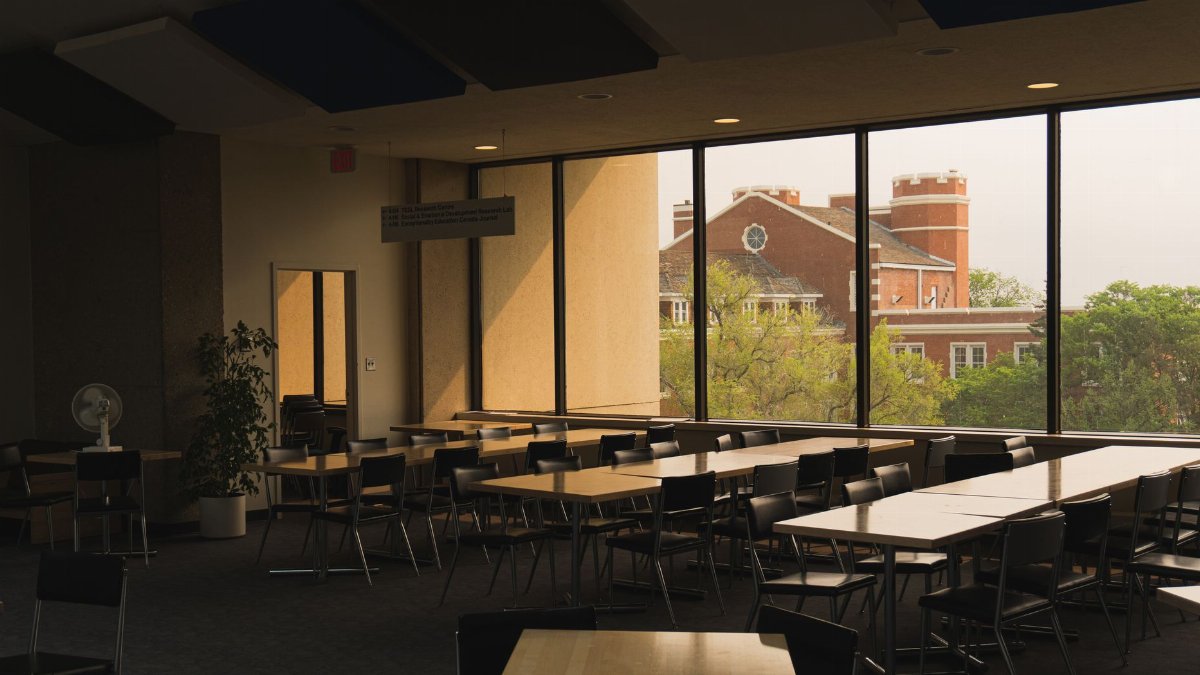
The irony of these buildings is that they look mute. Few windows. Few visitors. A guard shack and a fence. Inside, they hold banking traffic, video, hospital records, and the new wave of automated tools that companies now treat as essential. The cloud is not a cloud. It is concrete in a specific zip code, drawing power that could have served homes, factories, or nothing at all.
Westlake data center construction will not settle the larger argument about how much electricity a society should spend on computation. It will settle a smaller and more intimate one. Can a town that prizes calm absorb a neighbor built for constant uptime, and can the developer treat that calm as a design constraint rather than an obstacle. The filings say the work is getting ready to start. The harder work, the civic kind, starts at the same hour, in hearing rooms and on the roads that will carry the first trucks.