
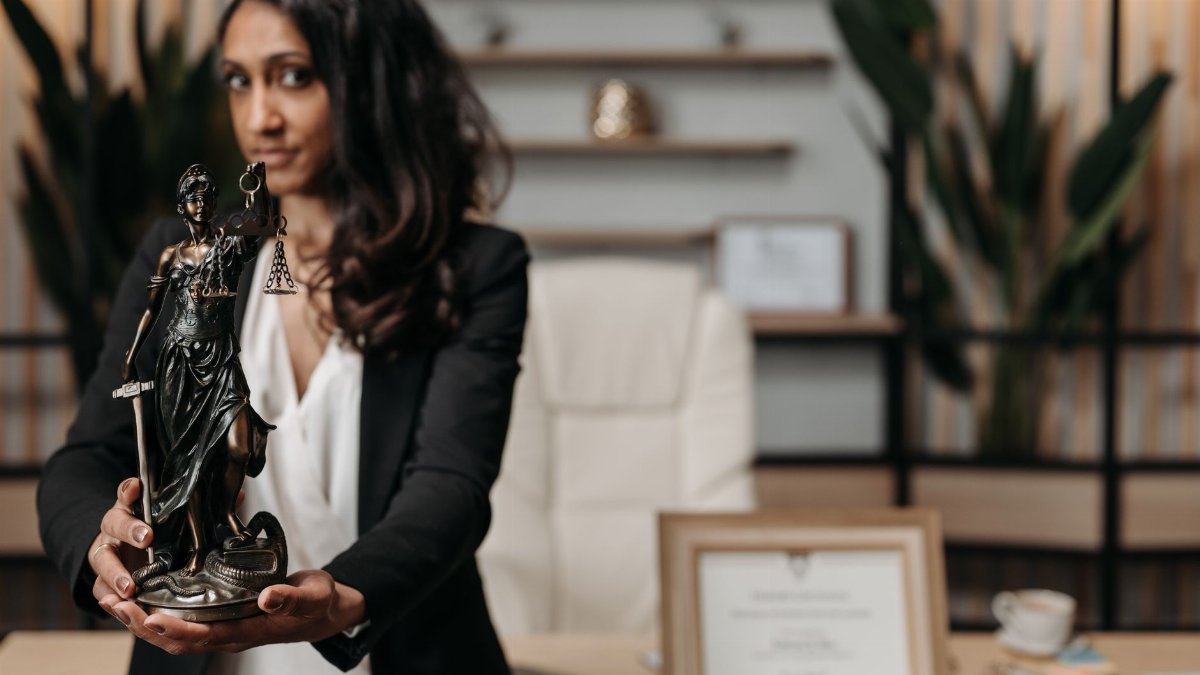
When the Nobel Committee in Oslo named its laureate for peace this autumn, the choice landed on a lawyer who spent a lifetime arguing that impunity is a form of violence. Navi Pillay Nobel Peace Prize is the phrase now attached to a career that began under apartheid in South Africa and moved through the tribunals that tried to answer mass killing with evidence rather than revenge. Many readers who follow human rights already know the name. What feels new is the public weight of the honor, and the question it forces on anyone who still treats peace as a mood rather than a set of working institutions. The committee, in the plain language these announcements tend to favor, pointed to her promotion of peace and international law. That sounds modest until you remember how often law has been the last room where the powerless could still speak.
Why this prize, and why now

The timing matters. Wars are not in short supply, and public patience with international courts is thin. Giving Navi Pillay Nobel Peace Prize recognition in this climate is a bet that rules still restrain the strong, or at least that they should. I have covered enough rights hearings to know that a prize does not empty a prison or stop a shell. It does change who gets invited into the room when governments explain themselves. Pillay has spent decades in those rooms, often as the person asking the question nobody in power wanted on the record. The bet is not that one jurist can calm a battlefield. It is that a visible standard still matters when ceasefires fail before the ink is dry.
A life sorted by race before it was sorted by talent
Navi Pillay was born in Durban in 1941, into a family of Indian descent in a country that wrote racial hierarchy into statute. Schooling, housing, movement, and work were assigned by law. The rules were not an abstraction. They told a child which bench, which school, which future. She has said in interviews that talent did not override the color line. That discovery sits under her later career. If a state can codify cruelty, then a different use of the same tools might protect dignity. The idea is hopeful and also risky, because it asks lawyers to trust institutions that have already failed the people they claim to serve.
The first practice, and the clients nobody else would take

She studied at the University of Natal and later at Harvard, a path that required stubbornness when Indian women were not expected to stand up in court. She became the first woman of color to open her own practice in Natal. Her clients were political prisoners, union members, and people held under security laws. The work meant late nights and hostile courtrooms. What it built was a name for precision. Pillay did not rely on rhetoric alone. She pressed the state to live inside its own paperwork. That habit of reading power against its documents followed her into international courtrooms, where the paperwork is thicker and the stakes are counted in lives.
From the South African bench to a tribunal for Rwanda
After apartheid she was appointed to the High Court, a woman of color on a bench that had long excluded people like her. The United Nations then asked her to serve at the International Criminal Tribunal for Rwanda. Witnesses described killings that ordinary language struggles to hold. The questions were technical and moral at once. What counts as genocide. What command responsibility requires. How a court shields victims without turning them into symbols. Pillay later presided over the tribunal. People who worked with her describe a judge who wanted a complete record. For her, memory is not a ceremony. It is evidence, dated and tested, so denial has less room to grow.
Sitting at the International Criminal Court
She later sat at the International Criminal Court, meant to try the worst crimes when national systems will not. The court lives between hope and politics. States that never joined still shape its work by what they fund and whom they shelter. Pillay brought a South African memory of how a legal order can be illegitimate and later indispensable. A court gains trust slowly and loses it quickly when it looks selective. Admirers cite that realism. Critics say international justice still speaks loudest to the weak.
Eight years speaking for the United Nations on rights
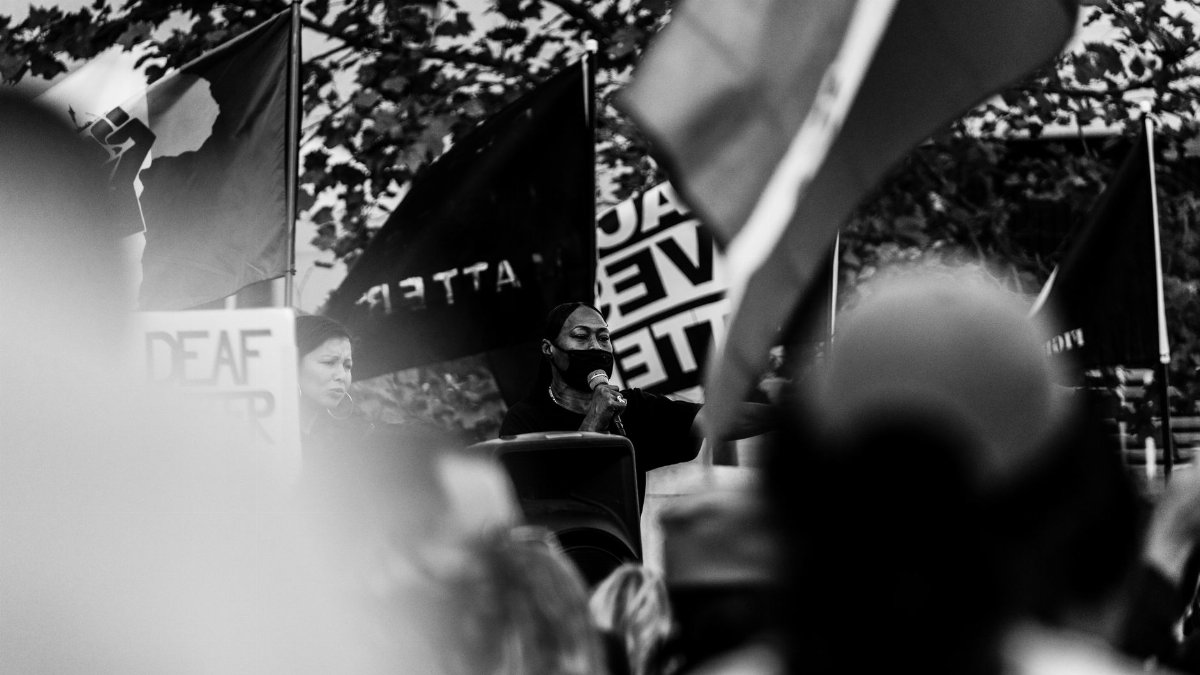
From 2008 to 2014 she was United Nations High Commissioner for Human Rights. The post mixes diplomacy, censure, and record keeping. She pressed capitals on Syria, Sri Lanka, North Korea, the treatment of migrants, the rights of women, and discrimination against people who are gay, lesbian, or transgender. Her claim was simple. A state does not get to decide which humans count. The office has no army. Its power is publication: a report on a desk before a vote. Supporters say she used that power without flinching. Governments she faulted said she ignored context. A commissioner who pleases every capital is not doing the job. Pillay seemed to accept the cost of being unwelcome.
Peace is not the absence of a headline
The prize is making an old argument in a loud season. Peace is not a quiet street after cameras leave. It is the machinery that makes the next massacre harder: investigations, independent judges, a press that can name names. Navi Pillay Nobel Peace Prize sits in the Nobel line that honors mediators and also the builders of norms. Some laureates stop a war in a closed room. Others spend decades making it slightly more costly for a ruler to erase a village and call it security. Pillay belongs with the second group. If that sounds less dramatic, it is closer to how most lasting settlements actually hold.
The case against treating a medal as a verdict

Honesty requires the other side. The peace prize has honored people later judged naive and institutions later judged compromised. A medal can flatten a debate or polish a record. Specialists still argue about choices Pillay made: which inquiries to push, which words to use, which governments to confront first when you cannot confront all of them. Oslo does not settle those arguments. It can even freeze them, as if a committee had issued a final grade. Readers should resist that. The useful response is neither applause nor cynicism. It is to read the judgments and the reports, and to ask what still helps a victim walk into a courtroom and be believed.
A spiritual question hiding inside a legal career

On its face this is a story about courts. It is also a story about conscience. Pillay’s work rests on a belief that every person carries a dignity the state did not grant and therefore cannot withdraw. No single faith owns that belief. It appears in churches, temples, mosques, and in secular oaths. I will not assign her a private creed. What is public is a kind of faith: telling the truth about harm is a moral act, not only a professional task. When cruelty is sold as realism, that faith is not soft. It asks us to treat a distant victim as a neighbor.
What a reader in the United States might carry home

Americans sometimes treat international justice as a distant sport, welcome when it suits us and suspect when it does not. Her career reminds us that the hardest legal fights often start at home, against one’s own government, before they reach The Hague. She became credible abroad because she had already tested the claim that law can discipline power. Courts, public defenders, and records that cannot be quietly altered are not boutique concerns. They are how a country keeps the option of peace when politics turns vicious. Navi Pillay Nobel Peace Prize does not do that work for us. It shows what a lifetime of it looks like.
The day after the applause

Prizes fade. Conflicts do not pause for a ceremony. What remains, if the honor does any good, is a wider public that can attach her name to a method: document, charge, hear, judge, remember. Navi Pillay Nobel Peace Prize will be cited in speeches for years. The better citation is quieter. A student decides the law is worth the trouble. A journalist stays for the procedural hearing. A government finds it harder to shrug. Peace, in her telling, is not a gift from Oslo. It is a practice. The medal only makes that practice harder to ignore.