
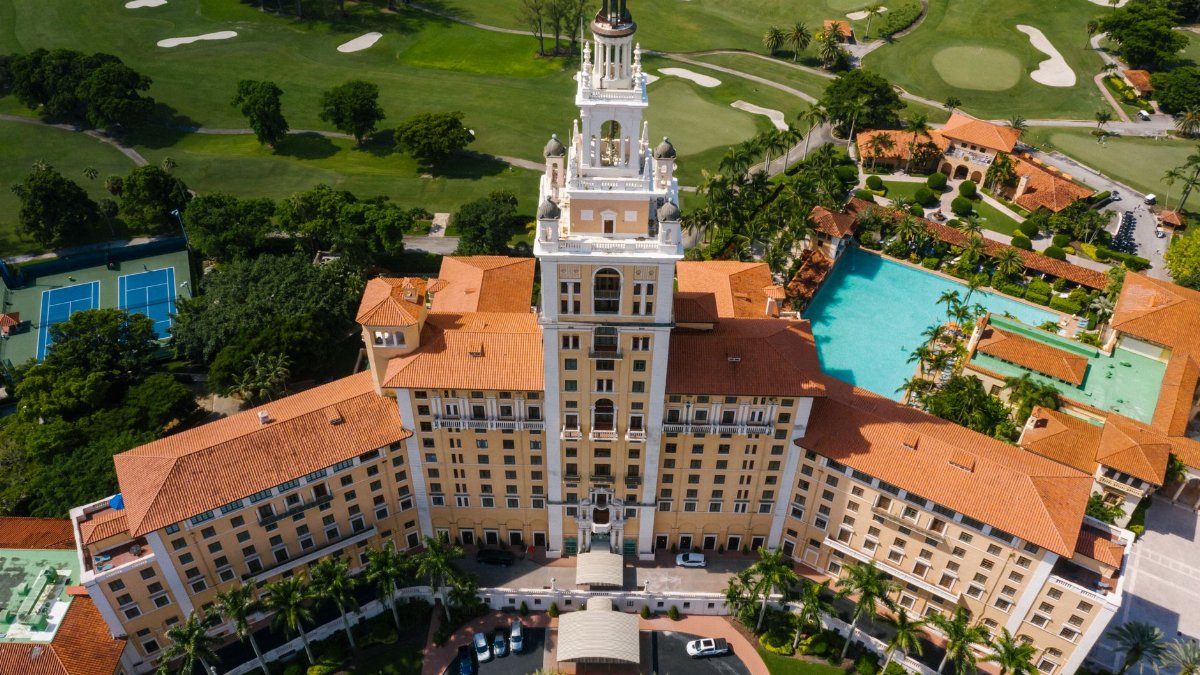
On a quiet block lined with banyan shade and coral rock walls, neighbors are talking less about the weather and more about who should speak for them at City Hall. The Coral Gables Group V race has become a study in how a small city weighs memory against momentum, setting a longtime resident against a younger contender already known in civic circles. Voters will decide on Nov. 3 whether experience rooted in decades of local life outweighs a newer kind of influence built through networks, boards, and a generation that expects city government to move faster.
An open seat in a city that guards its image
Coral Gables sells a particular idea of urban life. The streets are planned, the trees are famous, and the Mediterranean fantasy still shapes how residents talk about beauty, order, and belonging. An open commission seat is rare enough to feel like a hinge. It is not a referendum on one scandal or one zoning fight alone. It is a chance to reset the tone of a body that handles budgets, land use, public safety, and the everyday friction between preservation and growth.
Group V is one slice of that government, not the whole city. Still, in a place this size, one vote can tilt a close call on height, traffic, or how aggressively the city pursues redevelopment. Residents who rarely follow municipal politics have reason to pay attention this cycle because the seat is vacant in the practical sense that matters: no incumbent is asking to be returned on the strength of a record already made in that chair.
Two candidates, two kinds of claim

The contest pairs Gonzalo Sanabria with Dominique Nikki Whiting. The public framing is almost too neat. Sanabria is cast as the longtime resident, a person whose authority comes from having lived the city’s rhythms rather than from a short burst of campaign visibility. Whiting is cast as a millennial with clout, someone younger whose name already circulates among people who organize, donate, and show up early.
Those labels are useful and also incomplete. Longevity is not the same as wisdom, and clout is not the same as a mandate. What voters are really sorting is which kind of preparation they trust when a commissioner has to read a staff report, sit through a tense hearing, and then explain a vote to people who will see the result on their own block.
What residence can and cannot prove

A long residence is a form of evidence. It means a candidate has watched floodwater, school calendars, construction cranes, and property tax notices accumulate over years rather than months. It can mean knowing which intersections fail at rush hour and which civic promises have been repeated so often they have lost their force. In Coral Gables, where identity is tied to place, that history carries emotional weight.
It does not automatically produce good judgment. A person can live somewhere for decades and still treat city hall as a private club, or mistake nostalgia for a plan. The fair question for Sanabria’s supporters is not whether he knows the city. It is whether that knowledge translates into priorities that match a population now more varied in age, income, and expectation than the postcard version of the Gables allows.
Clout as a civic tool

Whiting’s reported advantage is access. Clout, in a local race, usually means the ability to gather endorsements, volunteers, and attention before most voters have opened a sample ballot. It can also mean fluency with the institutions that already shape policy: business groups, neighborhood associations, professional networks, and the informal circuit where names get tested.
That skill matters. A commissioner who cannot build a coalition may be principled and still ineffective. The risk is different. Networks can narrow the range of voices a candidate hears. A younger candidate with early influence may arrive already fluent in the language of insiders, which is an asset in negotiations and a liability if residents outside those circles feel managed rather than represented.
The issues that will not stay abstract

Campaign talk in Coral Gables almost always returns to land. How tall is too tall. Which corridors can absorb more housing or offices without losing the tree canopy and the walkable scale that justify the city’s reputation. Residents also ask about flooding, street safety, police and fire staffing, and whether fees and taxes match the services they see.
None of these questions belongs to one generation. A millennial candidate is not automatically the voice of renters or young families, and a longtime resident is not automatically the guardian of every historic wall. The Coral Gables Group V race will be decided by people who want specific answers: where a candidate draws a line on development, how that person would balance property rights with neighborhood character, and whether fiscal caution is a principle or a slogan.
A nonpartisan ballot with partisan habits
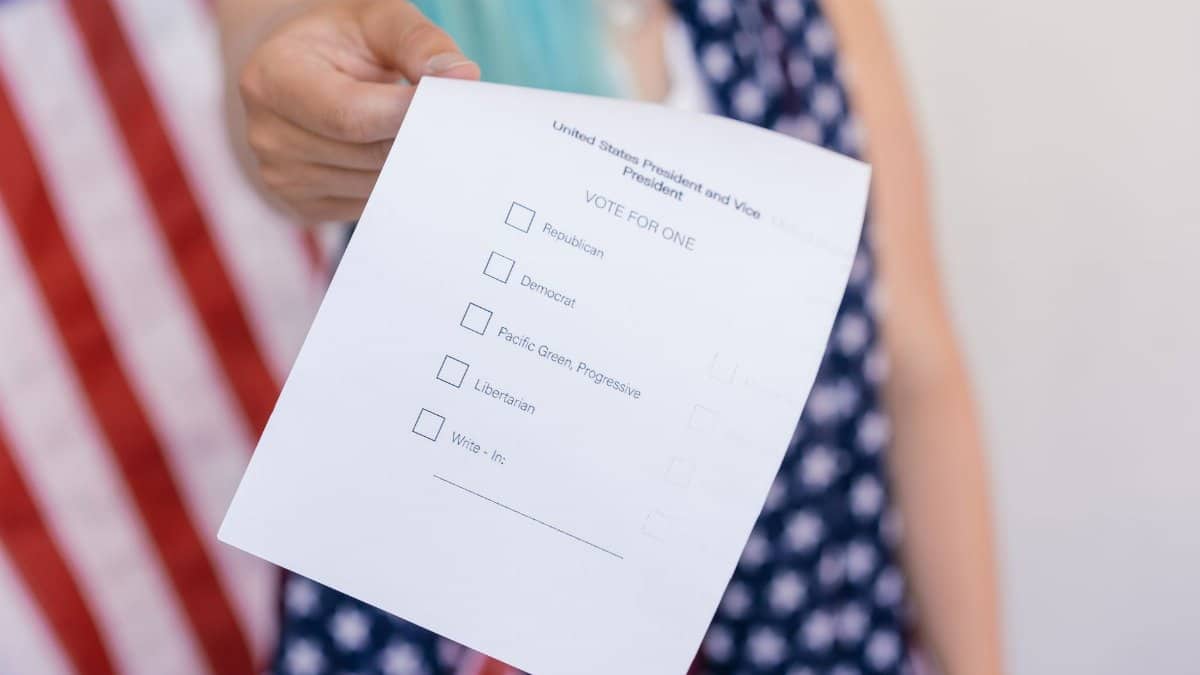
Municipal races in Florida often appear without party labels, which can be a mercy. It forces attention toward paving, permits, and parks. It does not erase the habits voters bring from national politics. People still sort candidates by temperament, by who introduced them, and by whether their allies sound familiar.
That sorting can flatten a local choice. A voter who wants slower growth may find allies in unexpected places. A voter who wants more housing near transit may discover that age is a poor proxy for policy. The healthier habit is to read what each candidate has actually said about the commission’s powers, then test those statements against the constraints of a city budget and a legal process that does not bend to campaign poetry.
How small elections acquire large meanings

Outsiders sometimes treat a Group V contest as minor because the electorate is limited and the office is local. That reading misses how power works in South Florida. Land use decisions made in well known cities set examples for neighboring governments. They also shape who can afford to stay. A commission seat is a lever on those outcomes even when the campaign itself feels intimate, conducted through coffees, mailed pieces, and conversations on sidewalks.
There is another reason the Coral Gables Group V race matters beyond its map. It tests whether civic life still has room for more than one model of leadership. If every open seat rewards only fame within existing circles, newer residents learn that participation starts too late. If every open seat rewards only seniority, the city risks speaking in a voice that no longer matches who lives there.
What voters can reasonably demand

Before Nov. 3, the useful demands are plain. Ask each candidate to name a recent city decision they would have handled differently, and why. Ask how they would weigh a project that promises tax revenue against one that protects shade, scale, and stormwater capacity. Ask who they consult when a vote splits a neighborhood, and whether those consultations include people who do not already have a lobbyist or a familiar last name.
Voters should also watch for evasion dressed up as local pride. Loving Coral Gables is not a platform. Neither is youth, and neither is longevity. A serious answer admits tradeoffs. It says what would be protected first if money is tight. It says how a commissioner would disagree with colleagues without turning the dais into theater.
The limits of a single narrative

Journalism likes a clean contrast, and this one arrives prepackaged: resident against rising figure, memory against momentum. I have sat through enough local campaigns to know the package can hide the duller truth. Both candidates, if they are serious, will spend the coming weeks translating biography into administrative choices. The biography gets the headline. The choices get the four years.
Readers outside Miami Dade may see only a pretty city arguing with itself. Residents know the argument is about who gets to define care. Care can look like resisting a tower. It can look like insisting that workers and younger families have a path to remain. It can look like insisting that charm is not a substitute for drainage, staffing, and honest numbers.
A choice about stewardship

There is a civic faith at stake here, not a doctrinal one. People keep showing up for local elections because they believe a city can still be steered by argument rather than by inertia. That belief frays when campaigns offer only identity and alliances. It strengthens when candidates submit to questions that do not flatter them.
Sanabria’s case rests on the idea that time in a place produces a duty to protect it. Whiting’s case rests on the idea that influence, used well, can open the process to people who have been waiting for a turn. Neither claim is self proving. Each has to survive contact with specific votes.
After the ballots are counted
Whoever wins the Coral Gables Group V race will inherit a city that is admired and argued over in the same breath. The winner will not get to govern the myth. The winner will get agendas, angry emails, bond details, and neighbors who remember promises with surprising precision.
Nov. 3 will not settle the larger tension between preservation and change. It will decide which advocate gets a vote when that tension becomes an ordinance. For a city that prides itself on design, the least glamorous part of self government may be the most important: choosing a person who can hold competing goods in view and still make a decision that can be explained in public, without costume and without contempt.