
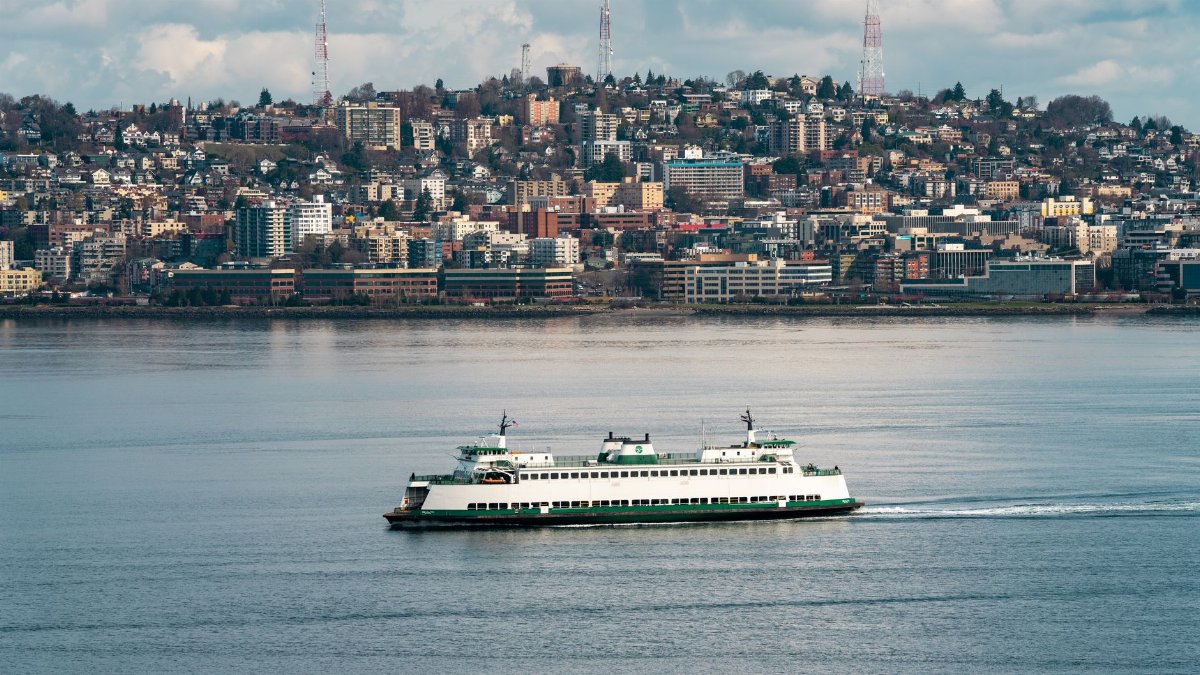
On a gray morning out of Friday Harbor, the line of cars inches toward a ramp that has felt the weight of island life for decades. The boat waiting there is not a symbol so much as a necessity. The Tillikum ferry Washington still runs because the schedule would thin to a thread without her. Riders know the name even if they cannot place the year she was built. They know the low rumble, the open car deck, and the wind that cuts across the rail on the run toward Orcas and Lopez. Officials speak of new vessels and cleaner engines. Islanders ask whether the next sailing will leave. For now the old boat keeps a promise the newer fleet has not fully kept, carrying groceries, commuters, and the ordinary traffic of a place the highway never reached.
A boat older than most of her passengers

The Tillikum entered service in 1959, when the state ferry system was still stitching together a young network across Puget Sound. She belongs to a small class of vessels built for a region that has always treated salt water as a road. More than six decades later she is still assigned real work, often the interisland runs that link the San Juans without forcing every traveler back to the mainland. Age, in this case, is not a curiosity for a museum placard. It is a scheduling fact.
Passengers who board with children in tow are sometimes younger than the paint schedule, let alone the hull. A teacher heading to a classroom on another island, a contractor with a ladder lashed in the bed of a truck, a visitor who has never heard the name before: all of them inherit a machine designed for a different decade. The boat has been refit, rewired in places, and watched by engineers who know which noises belong and which do not. Survival at that age is a choice the state keeps making because the alternative is a hole in the day.
The islands do not have a spare ocean
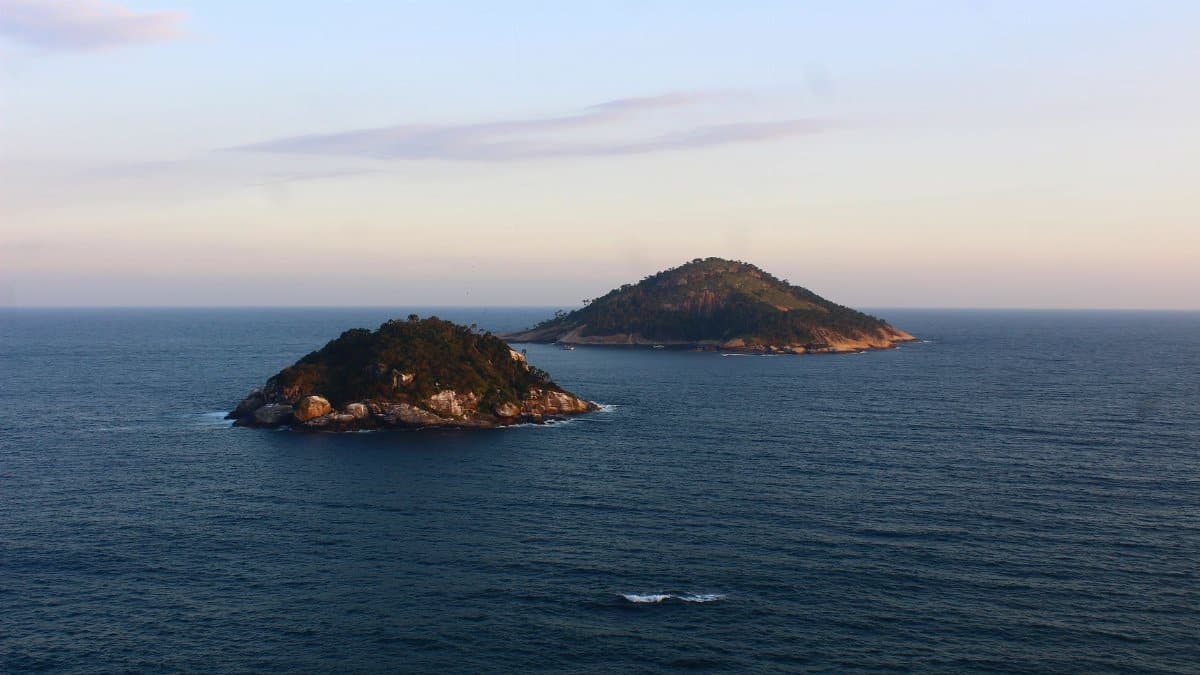
On the mainland a late bus is an irritation. Between the San Juan Islands a missed sailing can mean a lost clinic appointment, a shift that starts without its cook, or a freight delivery that waits until tomorrow. There is no shoulder to pull onto and no alternate lane. The water is the corridor, and the corridor has a fixed number of hulls.
That geography is why an aging vessel remains in the conversation at all. Washington State Ferries moves a volume of people and vehicles that would fill a mid sized city each year, yet the San Juan routes feel intimate. You see the same trucks. You learn which sailing the bakery uses. When a boat is pulled for repair, the intimacy turns sharp. People do not experience a fleet statistic. They experience a canceled afternoon. Keeping the Tillikum available is less a romance of old steel than a recognition that these communities cannot absorb absence the way a city absorbs a stalled train.
What the shortage actually looks like
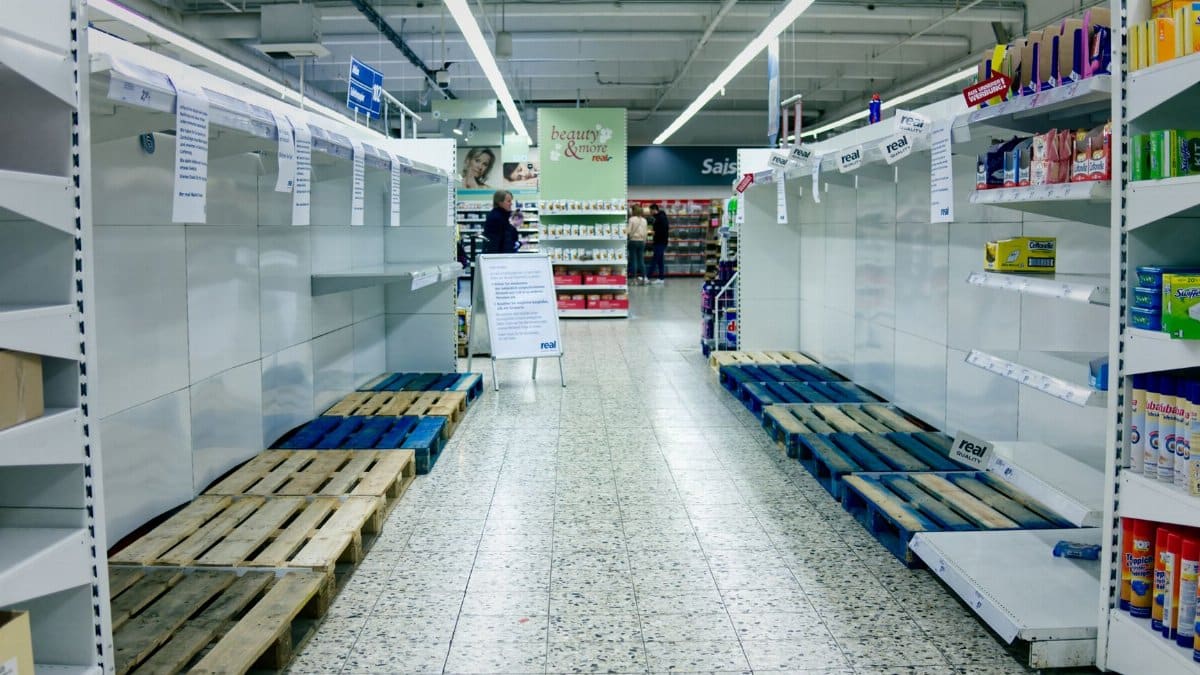
The wider system has spent years short of boats. Retirements, long maintenance periods, and new construction that slipped behind its own calendar left dispatchers with too little margin. A healthy ferry system carries spare capacity the way a careful household carries a spare key. Washington has often been operating closer to the bone, so that one cracked part or one extended yard visit ripples across routes that have nothing else in common except the same owner.
In that climate the Tillikum ferry Washington is not a nostalgic extra. She is a unit that still counts toward the minimum. Riders hear about hybrid electric replacements and about a future in which diesel roar gives way to something quieter. The future is real as a plan and thin as a timetable. Until those hulls are certified, crewed, and boringly reliable, the old boats stay in the rotation. Shortage is not abstract when you are third in line and the ramp is already full.
Crews who treat age as a daily fact
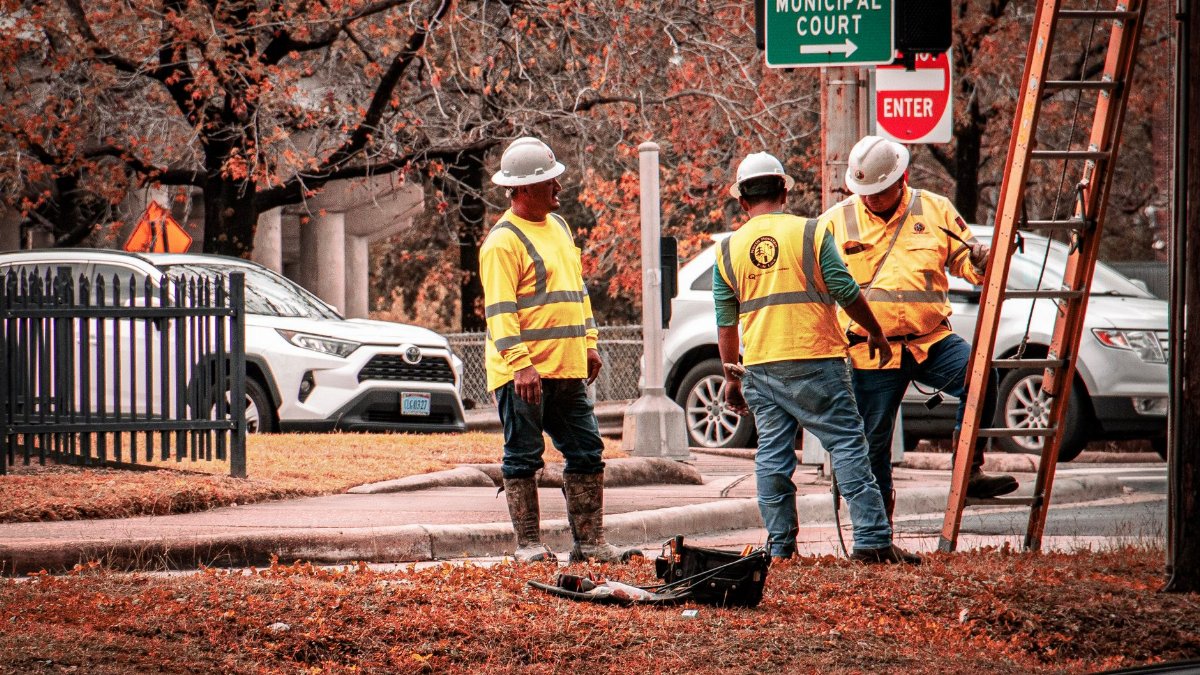
Ask people who work the deck what it means to sail a vessel from the Eisenhower years and they rarely reach for poetry. They talk about watch schedules, about valves, about the way a boat tells you she is tired before a gauge does. Institutional memory lives in those crews. A new officer can learn a manual. Learning which door sticks in a southeast blow takes seasons.
That knowledge is an asset the state does not list on a balance sheet. It is also a risk. As veterans retire, the system must train people to handle both new technology and machinery that predates their parents. The Tillikum does not forgive casual familiarity. She asks for attention, the same attention a careful driver gives an old truck that still earns its keep on a mountain road. Pride in that work is common. So is fatigue, especially when cancellations elsewhere compress the remaining boats and the people who run them.
Steel that remembers every season
Salt is patient. It works into seams, into railings, into the places tourists photograph and the places they never see. Keeping a 1959 ferry fit for passengers is a campaign of inspection, coating, and replacement, fought in yards most riders will never visit. None of that labor is glamorous. All of it is the difference between a boat that sails and a boat that becomes a story about what used to run.
Engineers will tell you that age is not a single number. A hull can be sound while an auxiliary system is fussy. A car deck can be safe while a galley needs another round of work. The public sees departures and arrivals. The maintenance record sees nights. When lawmakers ask why an old ferry costs real money to keep, the honest answer is that the sea charges rent. The Tillikum ferry Washington pays that rent in labor hours and in parts that are no longer items you order from a catalog with a shrug.
The promise of new ferries and the wait
Washington has committed, in public and in statute flavored language, to a cleaner fleet. Hybrid electric ferries are meant to cut fuel use and to give the system hulls designed for the next half century rather than the last one. The ambition matches the landscape. Puget Sound is not a place that can pretend transportation is someone else’s exhaust.
Ambition does not load cars. Design, bidding, construction, sea trials, and crew training take years, and years have already been lost to delays that officials explain and riders simply endure. A new boat on a drawing board does not cover the 8:45. Until the replacements arrive in numbers that restore a cushion, retiring the oldest vessels on principle would be a gesture paid for by people who live on islands. The responsible sequence is dull: build, prove, then release the boats that have already given the state their working lives.
Winter crossings and summer crowds

Summer advertises the San Juans. Cars stack up with kayaks and coolers, and the ferry becomes a moving overlook. Winter tells the truth about dependence. Rain slicks the deck. Daylight is short. The sailing is less a view and more a bridge that happens to float. Both seasons need the same thing from the Tillikum: predictability.
Regulars develop small rituals that a feature writer might be tempted to overread. They stand in the same spot out of the wind. They time the coffee to the departure horn. They text a neighbor when the ramp drops. Those habits are not mysticism. They are what people build around any service that either holds or fails. Still, there is a quality of passage here that a highway mile does not offer. You surrender the schedule to a crew and to weather, and you trust a public agency with the hour you cannot get back.
Money, politics, and a public timetable
Ferries sit in an awkward place in state politics. They are infrastructure, yet they feel local. A legislator from Spokane may never ride the interisland boat, and a voter in Friday Harbor may never see the budget hearing where her Tuesday is decided. The result is a recurring argument: how much reliability is the state willing to buy, and how soon.
Underfunding shows up as deferred work and as thin spare parts inventories. Overpromising shows up as ribbon cuttings that have not happened yet. Riders are not asking for elegance. They are asking for a published sailing that occurs. That standard sounds modest until you price it. Crews, fuel, insurance, terminals, and vessels that meet modern safety rules are expensive in any decade. Pretending the Tillikum can be both indispensable and inexpensive is how systems drift into crisis and then act surprised.
What riders actually need from an old boat
Stand near the terminal and the requests are specific. A ramp that drops when the board said it would. A crew with enough people to sail. A restroom that works. A deck that does not feel like an afterthought. Nobody in that line is lobbying for the Tillikum as a monument. They are lobbying, silently, for continuity.
There is room for affection without confusing it for a plan. People name boats. They photograph them. They complain about them with the intimacy reserved for institutions that shape a week. Affection does not weld steel. The state can honor the service this vessel has given and still treat her as equipment with a finite horizon. The error would be to squeeze that horizon because a replacement slide in a presentation looked farther along than the shipyard did.
A system that has to tell the truth about time

Transportation agencies get into trouble when they sell time they do not have. A schedule is a promise measured in minutes, backed by metal and labor. If the metal is old, the promise must be narrower and the maintenance more honest. If the new boats are late, leaders owe the public a calendar that does not depend on optimism. The San Juans have heard enough optimism.
Truth telling would include a plain account of which vessels can be relied on this year, which routes are one breakdown from disruption, and which investments move a hull from concept to ticket window. It would also include respect for the workers who keep improbable machines in daily use. None of that requires a speech about heritage. It requires a match between the map of need and the list of boats that can leave the dock.
Keeping her running is a decision, not a mood

The case for the Tillikum is practical. She still moves people the road cannot reach. The fleet around her is not yet deep enough to wave her off without pain. Every additional season is a managed risk, justified only by inspection, funding, and a crew that knows her. That is a decision elected officials and agency managers remake each budget cycle, whether they describe it that way or not.
Visitors sometimes treat the ride as scenery. Residents treat it as the front door. Both are aboard the same steel, looking at the same islands sliding past in weather that can turn a short crossing into a lesson in patience. Washington needs this old state ferry to keep running and running, not because age is virtuous, but because absence is costly. When the newer boats finally take the strain, the Tillikum ferry Washington can stand down with a record that needs no embellishment. Until that day, the ramp should keep meeting the tide, and the state should pay what reliability costs rather than narrate it.