
On a cool October evening in Santa Rosa, the fate of a single trunk drew a crowd that looked more like a parish meeting than a land use hearing. People stood with photographs, paper signs, and the tired patience of neighbors who have argued about the same corner for months. At the center of that argument is the Santa Rosa Rosie redwood tree, a 70 foot heritage redwood in the McDonald District that the Planning Commission voted 3 to 2 on October 8 to spare, at least for now. The margin was thin. The feeling in the room was not.
A narrow vote with a wide audience

The Planning Commission decision was not a poem. It was a count. Three members favored leaving the tree in place. Two did not. In local government that is enough to redirect a project, and not enough to end an argument. A heritage designation, in plain terms, means a large or historically valued tree cannot be removed on a whim. An owner or applicant still has rights, and a city still has duties to safety, access, and housing. What changed on October 8 was the immediate answer. Removal is not authorized. Review can continue. Neighbors who filled the chamber heard the result as a reprieve rather than a coronation.
How a redwood became Rosie
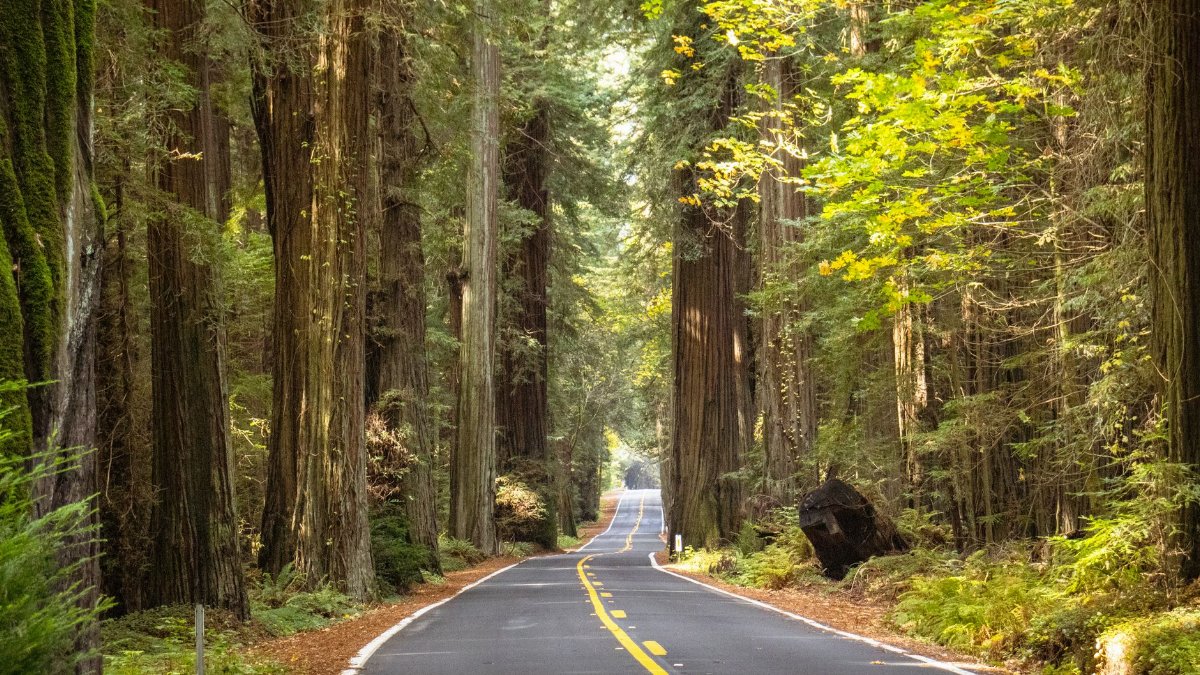
Official files tend to list diameter, species, and address. Neighborhoods list names. Rosie is the name neighbors gave this redwood, and the habit of using it matters. A name turns a trunk into a character in the daily life of a block: the place where shade falls at four in the afternoon, where birds argue, where a child learns the word canopy. The Santa Rosa Rosie redwood tree entered public conversation not because every resident agrees about property lines, but because enough of them recognized the same living object. Naming is not a legal shield. It is a social one. It makes absence imaginable, and therefore contested.
What a 70 foot redwood asks of a block
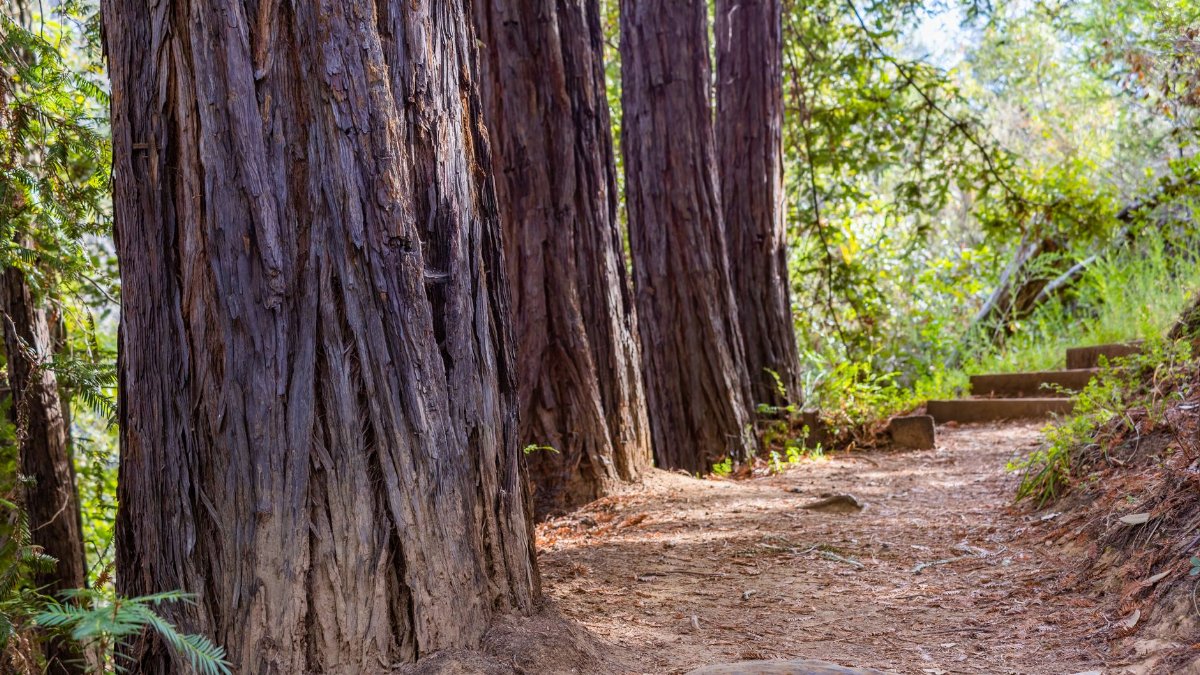
A coast redwood of that height is not a shrub that can be tucked beside a fence and forgotten. Its crown throws shade that cools a yard and, on the hottest afternoons, a slice of street. Its roots search for water in a city that sits inland of the fog belt where these trees evolved. That biology creates both gift and friction. Leaves and small branches fall. Sidewalks lift. Gutters clog. Foundations nearby can become a worry, fairly or not, when soil shifts. None of those facts erases the public value of mature canopy in a warming region. They do explain why a tree can be loved on one lot and feared on the next.
The pressure to cut

Cities rarely hear a request to remove a heritage tree for a single reason. Construction needs space. Insurers ask hard questions after limb failures. A path must meet accessibility rules. An owner may see a future house, or a repair, that the present trunk seems to block. Those claims deserve a hearing, because a romantic view of trees can ignore cost, liability, and the simple fact that land is owned by someone. The civic test is whether removal is the only workable answer, or whether design can move a few feet, pruning can reduce risk, and conditions can assign care. A 3 to 2 vote suggests the commission found room for that second path, at least on the record before it.
Rules that protect heritage trees, and the gaps in them
Heritage tree rules vary across the Bay Area, and a reader should be wary of anyone who describes them as a single code. In general, a protected tree triggers a permit, a public notice, and a chance for appointed or elected officials to weigh evidence. Arborist reports describe health, structure, and risk. Planning staff translate those reports into options: deny removal, allow it with replacement plantings, or allow it with conditions. Replacement is an imperfect trade. A sapling does not perform like a 70 foot redwood in shade, habitat, or memory. The gap is temporal. Ordinances can require a new tree. They cannot require the last fifty years to regrow on a political calendar.
The campaign on porches and in the hearing room
Before the vote, the argument moved the way neighborhood arguments still move when they are serious. People talked on sidewalks. They wrote letters. They brought photographs that showed the tree against a house, a sky, a season. Some framed the issue as beauty. Others framed it as precedent, worried that a yes to removal would teach the next applicant how to win. That mix of sentiment and strategy is ordinary democratic work, not a spectacle. It also has limits. A packed room can clarify values. It cannot substitute for structural facts about roots, soil, and load. The better hearings keep both kinds of evidence in the same conversation.
Why a zoning fight can feel like a spiritual argument
This dispute sits in a news category that may surprise people who think spirituality belongs only in sanctuaries. Yet the fight over the Santa Rosa Rosie redwood tree has the shape of a question older than zoning: what do we owe to a life that will outlast us if we let it? Santa Rosa knows abrupt loss. The fires of 2017 burned through familiar streets and left residents with a sharpened sense that landscape is not guaranteed. In that light, defending a named tree is not mere nostalgia. It is a practice of attention. Attention is a civic virtue and, for many, a spiritual one: the refusal to treat every living thing as inventory. I do not need to share a neighbor’s theology to recognize the posture. Standing up for Rosie is a way of saying the block is more than a set of parcels.
What the vote leaves unfinished

Sparing a tree for now is not the same as securing its next fifty years. Conditions may still govern pruning, construction setbacks, and who pays when roots meet a pipe. An appeal, a revised plan, or a later safety finding could return the question to city hall. Neighbors who celebrated on October 8 would be wise to stay organized without treating the commission as a final court of nature. The Santa Rosa Rosie redwood tree remains a living subject, not a monument. It will drop limbs in wind. It will need water in dry summers. It will complicate a site plan that looked cleaner on paper. Those are not reasons to sneer at the vote. They are the terms of the truce.
A modest kind of local faith
Middle aged readers in this region have watched enough hearings to distrust easy victories. Housing is scarce. Fire risk is real. Budgets for public trees are thin. Against that background, a 3 to 2 decision to leave a heritage redwood standing can look small. It is small, and that is part of its meaning. The Santa Rosa Rosie redwood tree was not saved by a statewide law or a celebrity campaign. It was spared, for the moment, because a neighborhood made a specific trunk legible to a public body, and because three officials were willing to say that removal had not been justified. Faith, in civic life, often looks like that: not certainty, but a decision to keep something alive while the argument continues.