
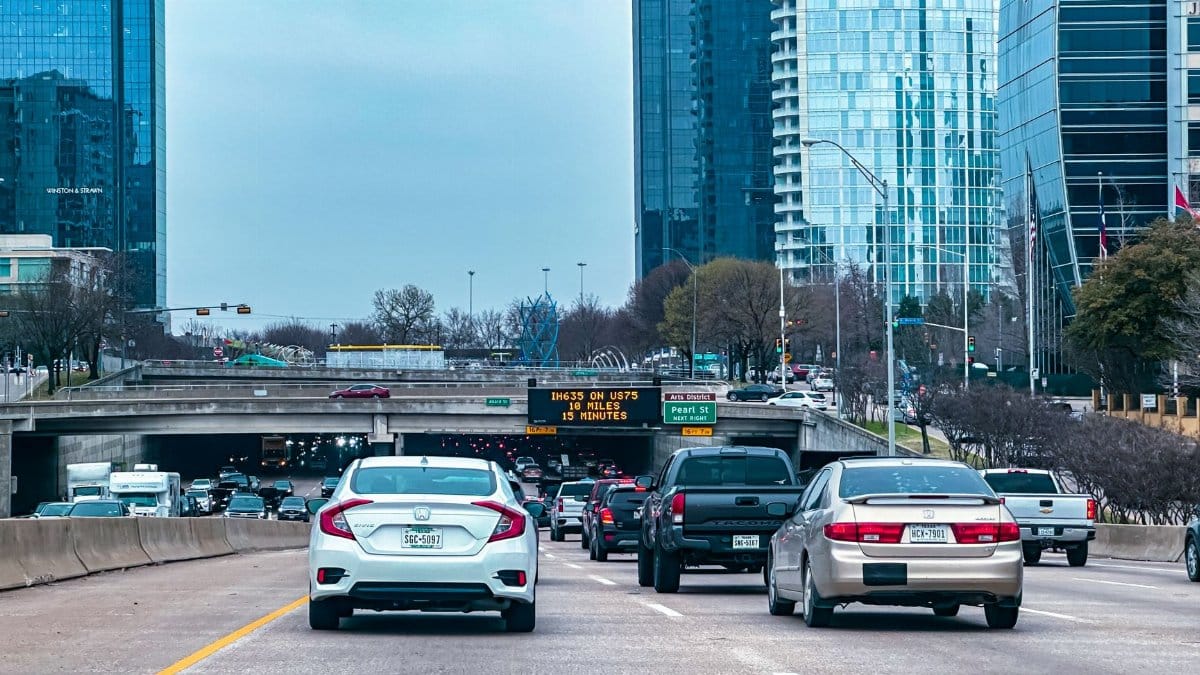
On a bright October morning, the glass towers along Ross Avenue can look unusually still, as if the workweek has agreed to start a day late. For many Dallas residents, Monday, October 12, 2026, will carry that split personality: some desks dark, some routes running, some errands possible and others not. Dallas Columbus Day closures will shape the practical rhythm of the city even as arguments about the holiday’s name and meaning continue in classrooms, churches, and neighborhood meetings.
A Monday that does not behave like other Mondays

Columbus Day is a federal holiday, observed on the second Monday in October. In 2026 that date falls on October 12. The federal calendar is not the same thing as a citywide shutdown, which is why Dallas mornings on this holiday tend to confuse newcomers. A person can find the post office locked, the bank lobby dark, and the city permit counter silent, then board a bus that arrives on time and set out trash that is collected as usual.
That mix is the story. Dallas Columbus Day closures touch government counters, mail, and much of the banking system. They do not, on the schedule described for this Monday, halt sanitation or transit. Anyone planning a move, a closing, a passport appointment, or a simple trip to the mailbox should treat the day as a partial pause rather than a blanket holiday.
City offices and the counters that go quiet

City offices are expected to close on Monday, October 12. That means the ordinary machinery of municipal paperwork slows or stops: building permits, many in person customer service windows, and routine administrative appointments that depend on a staffed desk. If a deadline lands on that Monday, the safe assumption is that the clock moves to the next open business day, but residents should confirm the rule with the specific department before they rely on it.
Essential public safety work does not take the day off. Police, fire, and emergency medical response continue. What changes is access to the nonemergency side of city government. A noise complaint line and a 911 call are not the same service, and a closed permit office is not a closed fire station. Dallas Columbus Day closures are about counters and calendars, not about whether an ambulance rolls.
Courts, records, and legal deadlines

Federal courts and federal agencies generally follow the Office of Personnel Management holiday list, which includes Columbus Day. A federal courtroom in Dallas is a poor place to expect business as usual on October 12. County and municipal courts can follow different calendars, so a state case and a federal case scheduled near the same week may not share a day off.
People with filings, probation check ins, jury service, or record requests should read the notice from the court that actually has their matter. A holiday observed by one courthouse is not automatically observed by another. Lawyers know this. Families representing themselves often learn it the hard way, standing at a locked door with a folder and a clock that has already run out.
The mail mostly stops
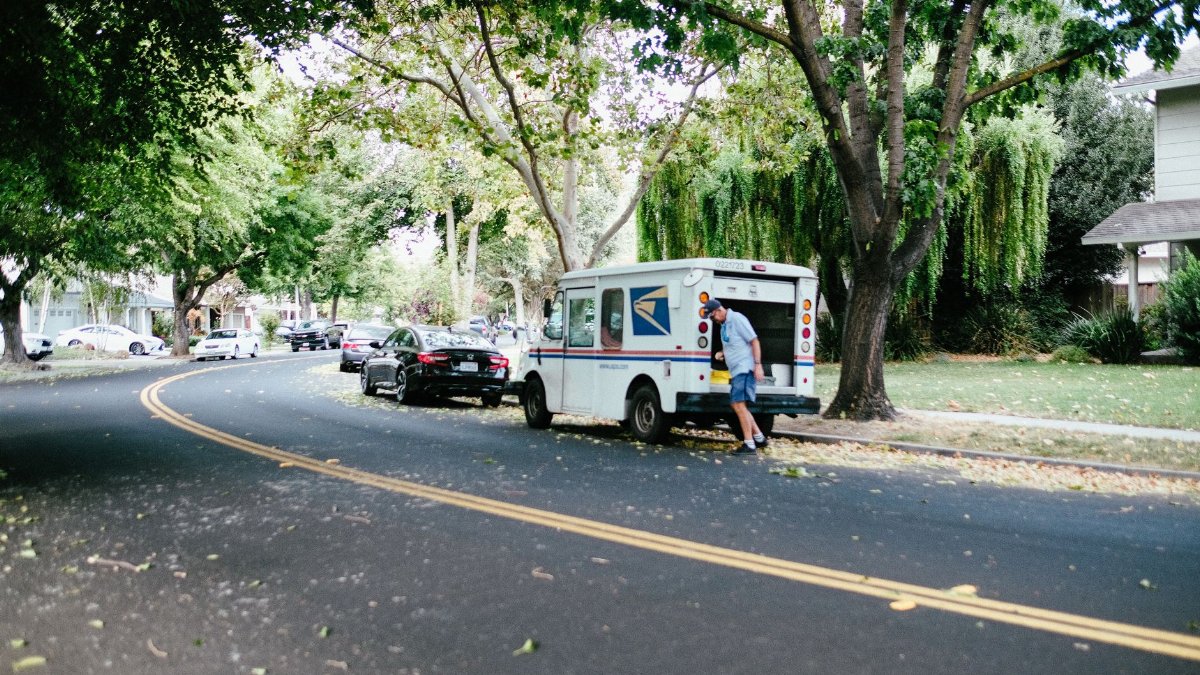
The United States Postal Service observes Columbus Day. Post offices in Dallas are expected to close, and regular mail delivery is not scheduled. A letter dropped in a blue box on Sunday night may sit until carriers return. Package pickup windows at retail post offices should be treated as closed unless a specific location posts otherwise.
Private carriers are a different system. UPS, FedEx, and similar companies often run modified schedules on federal holidays, with some ground service paused and some express service still moving. Those schedules are set by the companies, not by City Hall. Anyone waiting on medication, legal papers, or a time sensitive delivery should check the tracking page and, if the item is critical, not assume Monday arrival.
The Postal Service publishes its holiday list for customers who want the official version rather than neighborhood rumor. The practical takeaway is simple: do not plan a passport photo, a money order, or a certified mailing for October 12.
Banks and the money that waits

Columbus Day is a Federal Reserve holiday, which is why so many bank branches close even when grocery stores stay bright. Branches of major banks in Dallas are expected to be closed on Monday, October 12. ATMs continue to dispense cash. Debit cards still work at registers. What pauses is the human and institutional layer: teller windows, many wire desks, and the processing of transactions that depend on the banking system’s business day.
A deposit made after the Friday cutoff, or on the holiday itself through a mobile app, may not post until Tuesday. Mortgage closings, large transfers, and payroll files are where this matters most. The Federal Reserve’s holiday schedule is the backbone of that delay, and banks build their own calendars on top of it. If a closing is set for October 12, call the title company now, not on Monday morning.
Trash trucks keep their routes
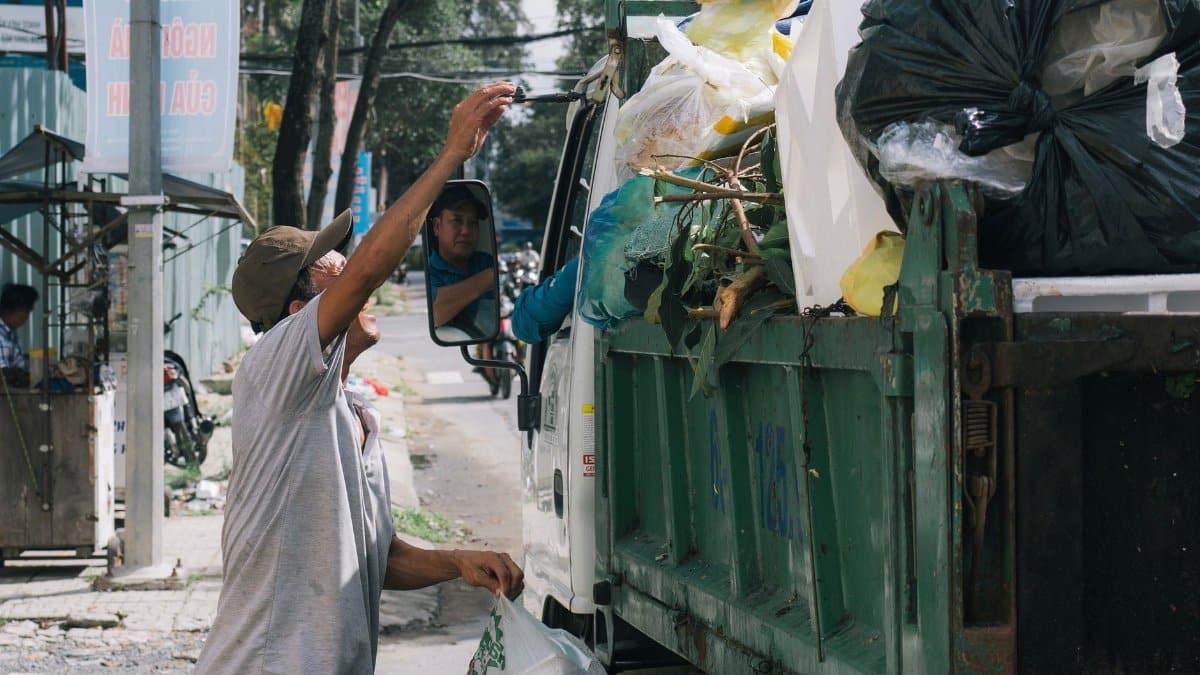
Sanitation is one of the services that continues. Trash and recycling collection in Dallas is expected to run on the regular Monday schedule. That distinction surprises people who equate a federal holiday with a snow day. The truck still comes. Bins should be at the curb on the usual timetable.
Bulk pickup, household hazardous waste sites, and special drop off events are not the same as weekly collection. Those programs often follow the city office calendar and may be dark when the administrative buildings are dark. A resident with a mattress, leftover paint, or a pile of storm debris should not treat the weekly trash route as proof that every sanitation service is open. Dallas Columbus Day closures spare the ordinary route and still interrupt the specialty windows.
Buses, trains, and people who still have to get there

Transit continues. Riders who work in hospitals, hotels, restaurants, warehouses, and airports will still need a way across the city, and the expected schedule keeps buses and rail moving rather than substituting a Sunday timetable. That does not mean every trip is identical to a normal Monday. Holiday ridership can be lighter, and a few special events or construction projects can still alter a stop.
The habit worth keeping is the same one Dallas riders already know: check the agency’s service alerts before leaving the house. A holiday that does not cancel service can still coincide with a closed elevator, a diverted bus, or a late train. For most people, though, the headline is reassuring. Work that cannot pause still has a public ride.
Schools, libraries, and the uneven day off

Texas school districts do not automatically close because Washington does. Columbus Day is not one of the sacred dates on every local academic calendar. Dallas ISD and neighboring districts publish their own lists, and families should read those lists rather than infer a day off from a closed post office. Child care centers that follow a school calendar and centers that follow a federal calendar can diverge on the same block.
Public libraries often track the city holiday schedule. If city offices are closed, a neighborhood branch may be closed as well, which matters for people who use library computers to apply for jobs, print forms, or cool off. Confirm branch hours before promising a child a Monday afternoon among the stacks. Parks and trails, by contrast, do not lock their grass. A closed recreation center and an open greenbelt can exist on the same holiday, and both are part of how Dallas actually uses the day.
Hospitals, groceries, and ordinary errands

Hospitals and emergency rooms remain open. Pharmacies inside them, and many retail pharmacies, typically keep at least partial hours, though a specific counter inside a closed clinic may not. Grocery stores, big box retailers, and restaurants generally treat Columbus Day as a sales day, not a shutdown. The private economy in Dallas does not mirror the federal calendar.
That split creates the classic holiday errand trap. A shopper can buy groceries, fill a prescription at a chain pharmacy, and still fail to mail a form, notarize a document, or move money between institutions before a deadline. Notaries who work inside banks will not be at those closed lobbies. Shipping counters inside open stores may or may not be staffed. The open sign on the door is not a full menu of services.
What the day asks people to remember
The civic schedule is only half the observance. Columbus Day remains on the federal books, named for the 1492 voyage that many older textbooks treated as a clean beginning. In Dallas, as in much of the country, that telling no longer goes uncontested. Indigenous Peoples Day, marked by some cities, campuses, and congregations on the same Monday, asks residents to place Native nations at the center of the story: dispossession, survival, language, and living communities, including those with deep ties to Texas.
Churches, mosques, temples, and Native led gatherings sometimes use the weekend or the Monday itself for prayer, teaching, or public acknowledgment. That is not a municipal closure, and it is not a substitute for one. It is a reminder that a day when some offices go dark is also a day when people argue, quietly or aloud, about whose history the calendar honors. A resident can disagree with the federal name and still need the post office to be open on Tuesday. Both facts can be true without one canceling the other.
How to plan without surprises

The useful plan is short. Mail anything that must move before the weekend. Move banking deadlines to Friday, October 9, or to Tuesday, October 13. Do not schedule a city permit visit, a passport acceptance appointment, or a federal office meeting for Monday. Put trash out on the normal Monday rhythm. Check a transit alert if the commute is not optional. Ask the school, the library branch, and the child care center rather than guessing from a neighbor’s text.
Readers who want the underlying calendars can consult the Postal Service holiday list, the Federal Reserve holiday schedule, and the federal holiday list published by the Office of Personnel Management, then confirm local details with the City of Dallas and with whatever court or district actually governs their errand. National lists explain why the bank and the post office close. They do not, by themselves, describe every Dallas counter.
The city that keeps moving anyway
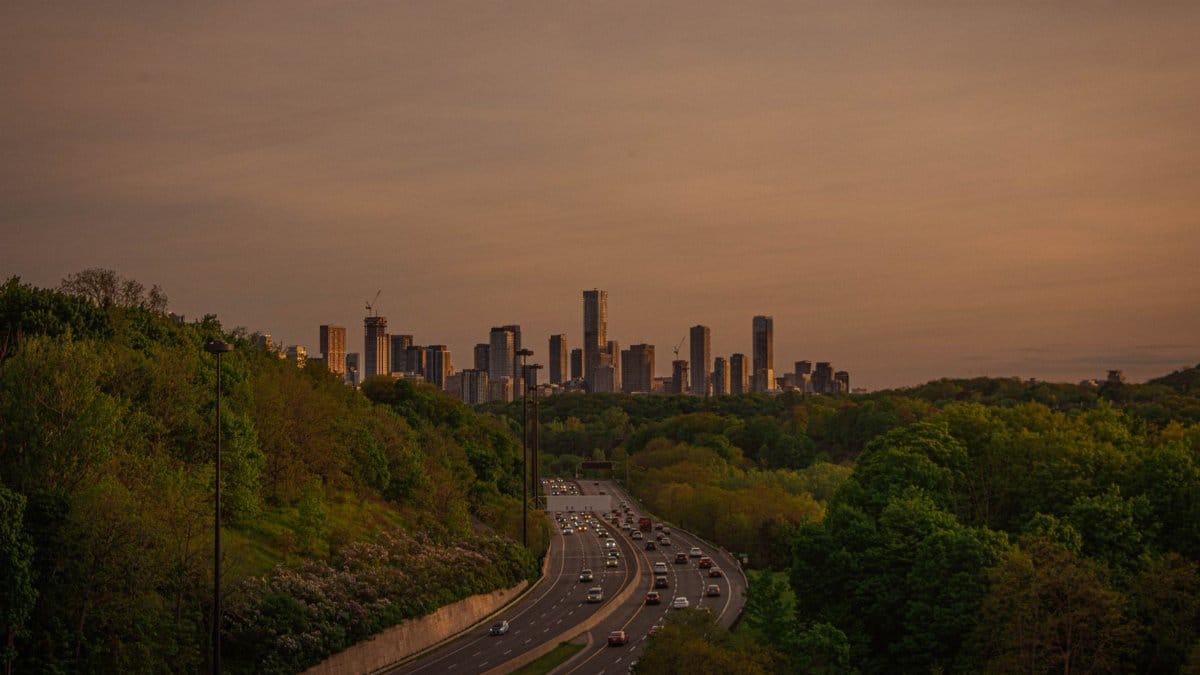
Dallas Columbus Day closures will be felt most by people whose Monday depends on a stamp, a teller, or a city clerk. They will be barely visible to someone whose Monday is a shift, a bus ride, and a trash cart at the curb. That unevenness is not a failure of the announcement. It is how American holidays often work in a large city: the state pauses part of itself, commerce mostly refuses to pause, and households are left to sort the difference before the coffee cools.
October 12, 2026, will not be a silent city. It will be a selective one. Knowing which doors stay shut, and which trucks still roll, is the difference between a free morning and a wasted trip downtown.