
On a warm Friday afternoon in Dallas, a woman refreshing a banking app before sending money to her mother in Guadalajara did what millions of households do when the number on the screen moves by a few centavos. She paused. She recalculated groceries, a share of rent, and the small cushion she prefers to leave untouched. The Mexico dollar exchange rate sat at the center of that private arithmetic, even if the phrase never left her phone. By the close on October 9, 2026, the peso was quoted at 18.41 per dollar, a figure that looks tidy on a chart and far less tidy in a kitchen.
What a single close actually tells you

A closing quote is a snapshot, not a verdict. It records where wholesale trading settled after a full session, once banks, funds, and corporate desks had finished adjusting positions. For readers who do not trade currencies for a living, 18.41 pesos per dollar is best understood as a reference point. It says how many pesos one dollar bought in the professional market at the end of Friday, October 9, 2026. It does not say what a neighborhood window will offer on Saturday morning, and it does not say what a wire will deliver after fees.
That distinction matters because most people meet the currency market through a retail product. A newspaper close, a central bank reference, and the number printed on a transfer receipt can all be honest and still disagree. The Friday figure is useful because it gives households, importers, and editors a shared starting place. It is less useful if it is treated as a promise.
Why the bank window never matches the headline

Retail foreign exchange is a service with a spread built in. The institution that sells you dollars must cover its own cost of funds, its compliance work, its branch or app, and a margin. The institution that buys dollars from you is running the same math in reverse. Between those two prices sits a gap that the headline close does not show. On a day when the professional market prints 18.41, a customer might see a buying rate and a selling rate that sit on either side of that number, sometimes by a noticeable margin.
Remittance firms add another layer. Some advertise a rate that looks close to the market and then collect a flat fee. Others fold the cost into a weaker rate and call the transfer free. Neither model is automatically a trick, but they are not the same product. Anyone comparing offers should write down three things: the pesos that will arrive, the dollars that will leave the account, and the time until the money is available. The Mexico dollar exchange rate in a news brief cannot do that comparison for you.
Remittances and the household ledger
For many families with ties on both sides of the border, the exchange rate is not an investment theme. It is a line in the monthly budget. A shift of even a fraction of a peso changes how far a fixed dollar amount stretches in a Mexican city, or how many dollars a fixed peso obligation requires. Over a year those fractions compound. They do not make anyone rich, and they do not, by themselves, explain poverty. They do change the texture of ordinary weeks.
That is why Friday closes attract attention beyond trading floors. People sending support to parents, paying a mortgage on a house in Mexico, or covering school costs watch the quote the way others watch a utility bill. They are not speculating. They are trying to avoid sending on the worst hour of a volatile week. Patience helps, but so does a rule made in advance: a target amount in pesos, a maximum fee, and a decision not to chase every tick.
What usually pushes the peso on an ordinary Friday
Currencies move because someone with size needs to buy or sell, and because everyone else is guessing what that someone will do next. On a quiet Friday the list of influences is familiar. Expectations for interest rates in the United States and in Mexico sit near the top. If investors believe dollar assets will pay more, relative to peso assets, for a longer stretch, demand for dollars tends to firm. If they believe Mexican yields will stay attractive after inflation, the peso can find support.
Risk appetite matters as well. When global investors feel comfortable holding assets outside the safest harbors, emerging market currencies often benefit. When they rush toward cash and Treasury bills, those same currencies can weaken even if nothing dramatic happened in Mexico City that morning. A single close of 18.41 does not reveal which force dominated the session. It only records the outcome.
Two central banks, one exchange rate
The Banco de Mexico and the Federal Reserve do not set the retail price of a dollar in a branch lobby. They do set the policy rates that shape the return on money. Those rates, and the language officials use about future meetings, feed into bond markets and then into foreign exchange. Readers who want the primary sources can follow the Banco de Mexico at https://www.banxico.org.mx/ and the Federal Reserve at https://www.federalreserve.gov/. Those pages will not tell a family which app to use. They will show the official decisions that traders are pricing.
Inflation sits underneath the rate debate. A currency that steadily loses purchasing power at home is harder to defend abroad, whatever the headline quote does on a given Friday. The reverse is also true. A period of cooler inflation can make a relatively high policy rate look more durable. None of this is a formula a reader can solve at the breakfast table. It is a reason to treat bold predictions with skepticism.
Trade, energy, and the longer calendar

Mexico and the United States are tied together by factories, trucks, energy flows, and tourism, not only by remittances. When American demand for Mexican goods is strong, dollar revenue arrives in Mexican accounts and, eventually, some of it is converted. When energy prices swing, government finances and corporate hedges can shift with them. These forces rarely explain a single afternoon. They explain why a rate that looks calm for weeks can still drift over a season.
Politics belongs in the same longer calendar. Elections, budget debates, and trade disputes change how investors price risk. They do not need to produce a crisis to matter. A modest rise in uncertainty can widen the gap between the professional close and the rate a small business receives, because banks protect themselves when the path ahead looks less clear. Households feel that protection as a worse deal.
Travelers, invoices, and the cost of waiting
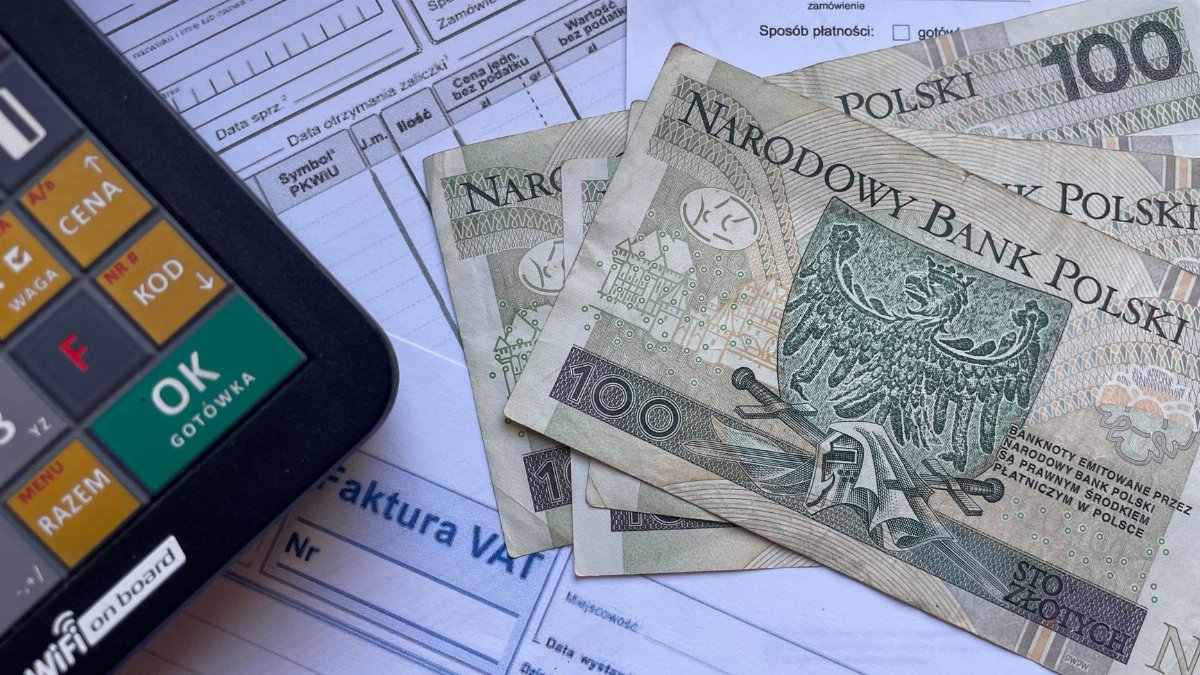
A vacation budget and a commercial invoice use the same market and almost none of the same habits. A traveler can often wait a day, split purchases, or pay in pesos at a reputable counter rather than accepting a dynamic conversion at the register. A firm with a dollar invoice due on a fixed date has less room. Waiting can save money or cost money, and the firm will not know which until the date arrives.
The practical response is boring, which is usually a good sign. Companies that import or export on a schedule often spread conversions across weeks instead of betting the quarter on one Friday. Families can do a smaller version of the same thing, sending part of a transfer when the rate is acceptable rather than hunting for a perfect print. Perfection is not on offer. A rate near 18.41 is a reference, not a destination.
Why the confident forecast usually ages badly

Currency commentary loves round numbers and confident verbs. The market will break. The peso will recover. The dollar will surge. Some of those sentences will look wise after the fact, which is not the same as being useful before it. The inputs are public and still insufficient: rates, inflation, trade, politics, and the mood of global capital. A shock from outside the pair, a sudden move in oil, or a surprise in American data can overwhelm a tidy story in an hour.
Readers are better served by ranges and by questions. What fee am I paying? How soon do I need the pesos or the dollars? What would a move of half a peso do to this bill? Those questions respect the Mexico dollar exchange rate as a price that clears a market, not as a fortune. They also keep attention on the part of the transaction a person can actually control.
How to read the quote before the next session

Before Monday opens, the Friday close is already history. Weekend news can change the tone, and retail markets may not update until desks are staffed. That lag is another reason the number in a headline and the number in an app diverge. It is not evidence that one of them is fake. It is evidence that they are measuring different moments and different products.
A calm way to use the figure is to write it down beside the rate your own provider shows, including fees, and to decide in advance what gap you will accept. If the gap is wide, shop. If the need is urgent, pay the cost of urgency with open eyes. The Mexico dollar exchange rate at 18.41 pesos per dollar on October 9, 2026, is a clear public marker for that exercise. It will not manage the transfer. It will tell you, with unusual plainness, where the professional market stood when the week ended.