
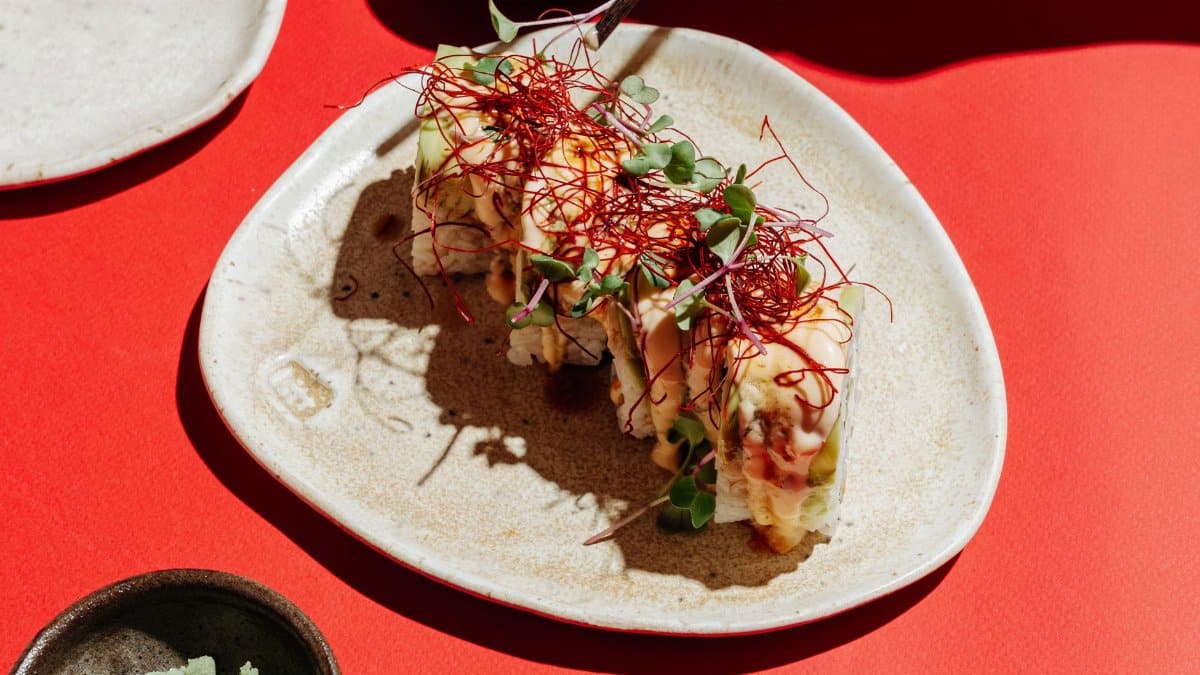
On a gray October morning the talk along a South Philadelphia block was not only about the next snap. Neighbors compared who might protect the quarterback, who might leave, and whether a familiar counter could sell raw fish without losing its soul. The weekly Philly report card Eagles Wawa ritual has become a civic habit, a way of grading a team and a city in the same breath, with coffee in one hand and an opinion that will not wait for Monday.
A career that shaped the edge

Lane Johnson’s decision to retire lands with the weight of a long tenure rather than a sudden exit. For years he was the right side of an offensive line that fans treated as a point of pride, not a footnote. Retirement, when it comes for a player of that stature, rearranges memory as much as it rearranges a depth chart. People remember the snaps that held, the games that turned because the edge did not collapse, and the quieter weeks when durability itself was the story.
I have stood near the stadium on afternoons when the line, not the skill players, drew the loudest nods from older fans. They talk about feet, hands, and leverage the way other cities talk about star receivers. Johnson’s departure asks those fans to accept an ending without a dramatic final chapter written for television. Endings in professional sport are often administrative. This one still feels personal because so many Sundays were built on his presence.
The franchise will speak in the language of gratitude and transition. Fans will speak in the language of trust. Trust is harder to replace than a name on a roster. A city that grades its team every week will not pretend the edge is unchanged simply because the season continues.
When the center of the line moves

Cam Jurgens being traded adds a second shock to the same unit. A center is the voice in the middle, the player who sets the protection and absorbs the blame when a call arrives late. Trading that player is not a cosmetic move. It is a statement about timeline, money, and what the front office believes the next group can become.
Philadelphia has a habit of treating the offensive line as a shared inheritance. Fathers explain gaps to children in parking lots. Radio callers argue about footwork with the confidence of coaches. When the center leaves, those arguments get sharper. Was the trade a concession or a bet? The honest answer is that outsiders rarely see the full ledger. What they see is vacancy, and vacancy makes people nervous.
The Philly report card Eagles Wawa week cannot separate that nervousness from the rest of the news. Football here is not a sealed product. It leaks into lunch lines and group texts. A traded center becomes a topic between orders, not because everyone knows the contract math, but because everyone knows what a missed assignment looks like on Sunday.
Grading protection without romance

An offensive line earns its grade in accumulation. One dominant game flatters. A month of clean pockets tells the truth. With Johnson retired and Jurgens gone, the remaining group inherits both expectation and doubt. Young linemen do not get a grace period in this market. They get film, and they get compared, often unfairly, to the men who just left.
Coaches will talk about communication and continuity. Those words are accurate and also incomplete. Continuity is a practice field ideal. Games introduce disguise, noise, and the small failures that turn into sacks. Fans understand that better than they are credited for. They have watched enough collapses to know that talent without timing is just size in a jersey.
A fair report card would resist both panic and nostalgia. Panic says the line is broken because two familiar names are absent. Nostalgia says the recent past was cleaner than it was. The useful middle is specific. Who is calling protections now? Who is winning at the point of attack on early downs? Who is getting help from scheme rather than winning alone? Those questions are less thrilling than a headline, and they are the ones that predict December.
What fans are really scoring
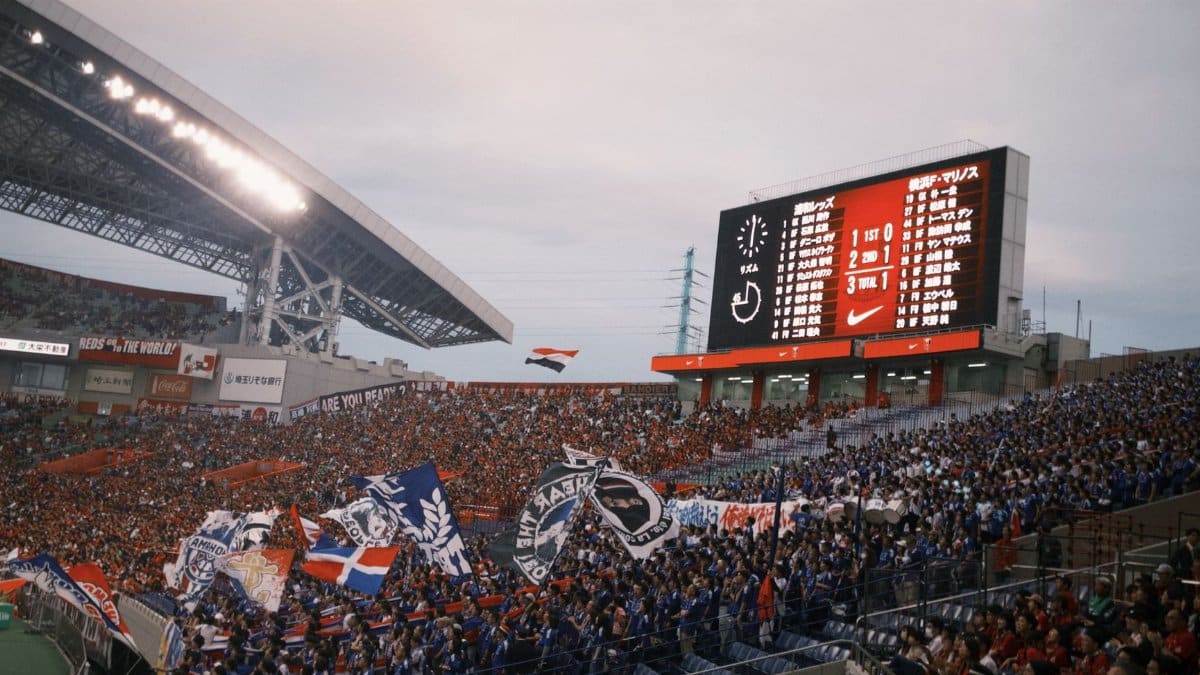
Weekly grades are a form of participation. They let people who cannot influence a roster still register a judgment. In Philadelphia that judgment is rarely gentle, and it is rarely only about football. A loss becomes a comment on leadership. A win becomes permission to forgive smaller irritations, at least until Tuesday.
The danger of the report card habit is false precision. Letter grades suggest a classroom where the criteria are shared. Sports criteria are not shared. One reader weights the run game. Another weights red zone failures. A third weights whether the team looked composed after a bad penalty. All three can be sincere. None of them is the official record.
Still, the habit persists because it organizes feeling. After a tense game, people want a place to put the adrenaline. A grade is a container. It is not justice, and it is not analysis in the professional sense, but it is a civic language. Ignore it and you miss how the season is actually lived.
Sushi under fluorescent lights
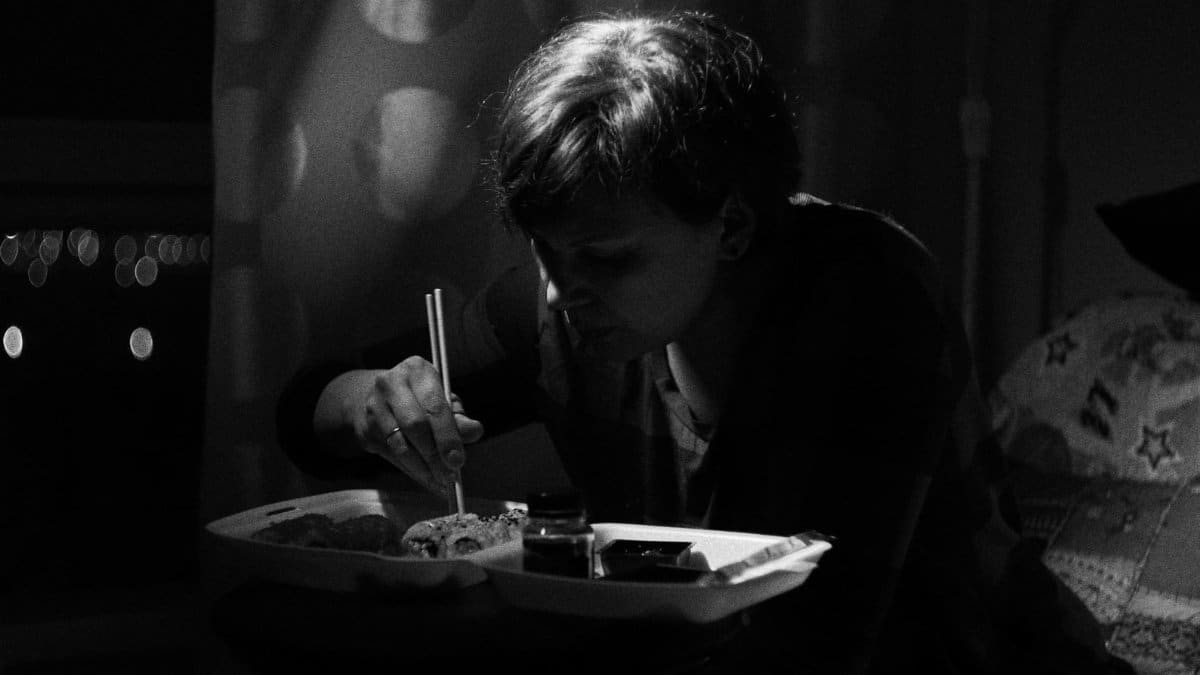
Wawa testing sushi is the kind of local experiment that sounds like a joke until you see the line. Convenience culture in this region is not ironic. It is infrastructure. People build mornings, late shifts, and road trips around those stores. Adding raw fish to that map is either a clever expansion or a category error. The early evidence will be anecdotal, which is how food reputations form anyway.
Skeptics will say sushi belongs in a room with a chef you can see. Defenders will say quality is a cold chain and a standard, not a mood. Both sides have a point. A test product lives or dies on consistency across many locations, not on one good afternoon near a popular store. If the rice is right and the fish is handled with care, curiosity can become habit. If it is not, the story will travel faster than any advertisement.
There is something almost tender about the debate. Residents who tease the idea are also paying attention, which is a form of loyalty. They want the chain that already holds their routines to take a risk without embarrassing them. That is a high bar for a plastic container, and it is exactly the bar this audience sets.
The meatball sub keeps its throne
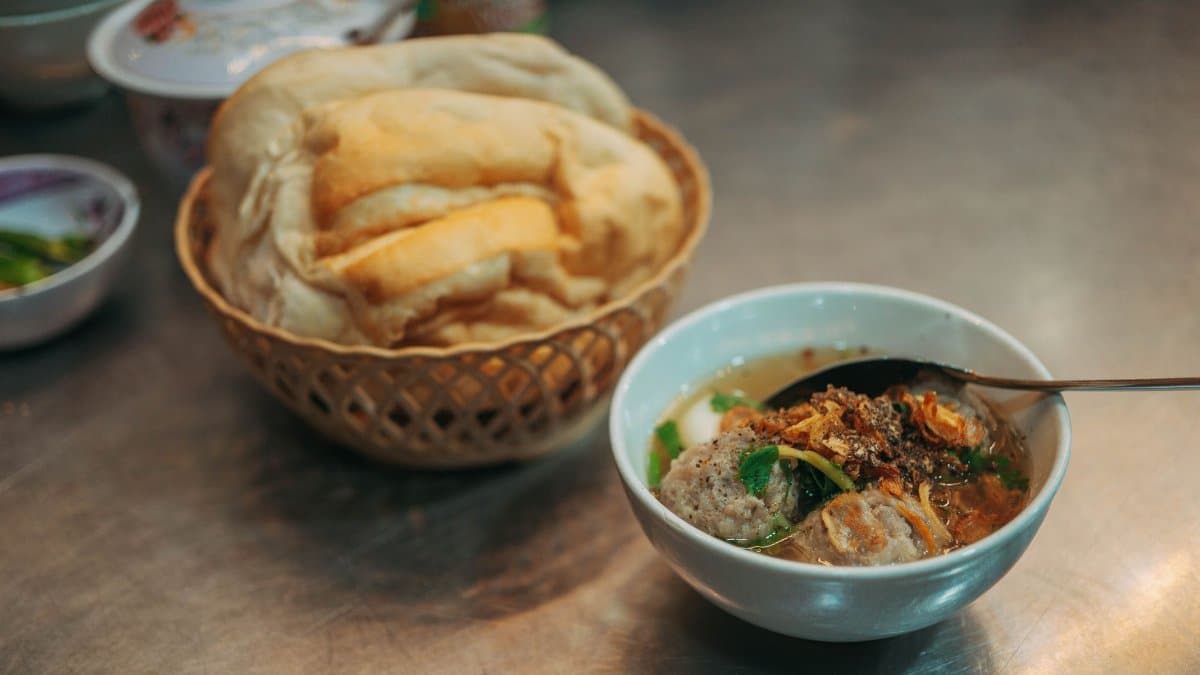
While sushi draws the headlines, the meatball sub remains the emotional incumbent. It is hot, familiar, and tied to memories that do not require explanation. In a week of roster upheaval, familiar food does quiet work. It tells people that not every institution is in flux.
Food memory is stubborn. A person can accept a new quarterback faster than a changed sauce. That sounds absurd until you listen to how people talk. They describe a sub the way they describe a street they grew up on: not perfect, but theirs. Experimentation around the edges is welcome. Replacement is not.
The Philly report card Eagles Wawa pairing makes more sense when you notice this split. Football invites argument about change. Lunch often argues for continuity. A city can hold both impulses before noon. The sub is not a metaphor that needs forcing. It is simply still there, doing what it has done, while the newer item asks for a chance.
Ritual, gathering, and the week

Spiritual life is not confined to sanctuaries, though sanctuaries still matter. In a region thick with parishes, mosques, and informal prayer circles, Sunday already carries layered meaning. For many households the game arrives after worship, or instead of it, or alongside a meal that functions as its own thanksgiving. None of those patterns cancels the others. They stack.
Grading the Eagles and debating a new menu item can look trivial next to grief, work, or faith. They are not trivial in the social sense. Shared attention is one of the few remaining public commons. When neighbors can talk about a traded center and a sushi test without needing a formal invitation, they are practicing a small civility. Disagreement stays attached to something concrete. That is healthier than disagreement with nowhere to land.
I do not mean that a convenience store is a church or that a football roster is a moral text. I mean that people locate themselves through repetition. The weekly check in, the same parking lot, the same argument with a cousin, these are stabilizers. When the roster shifts, the ritual of talking about the shift keeps the community intelligible to itself.
How a front office reads the room

Teams say they do not manage by radio call or group chat. They should not. They also cannot pretend the room is silent. Philadelphia’s feedback is fast, specific, and sometimes cruel. A retirement and a trade in the same conversation create a narrative of dismantling even if the plan is renewal. Communications staff will try to sequence gratitude, then optimism. Fans will collapse that sequence into one question: are we better or worse on the line that matters most?
There is no press release that fully answers that before the next four games. Performance will. Until then, the organization lives inside a story it does not fully control. That is normal in a passionate market. It is also a reminder that roster moves are public acts, not private memos. People who buy tickets believe they have standing to interpret them. They do.
A test product and a test of taste

Corporate food tests are usually described in the language of demographics and dayparts. Locally they are described in the language of trust. Will the store that already gets the coffee right get the fish right? Trust here is earned in small transactions, repeated thousands of times. A single viral photo will not settle it. A month of ordinary purchases might.
Workers on those counters become unwilling ambassadors. They hear the joke, the hesitation, the surprise when someone actually likes it. Their labor is the uncredited middle of the experiment. Any serious account of the sushi test should include them, not only the brand strategy. A new item changes the pace of a shift. It changes what people ask. It changes what can go wrong.
If the test expands, the city will absorb it the way it absorbs most novelties: with mockery first, then selective adoption. If the test retreats, the meatball sub will not gloat. It does not need to. Incumbency is its own campaign.
What a fair week actually measures

A useful weekly roundup resists the urge to declare eras. Johnson’s retirement is an era marker for those who watched him for years. Jurgens’s trade is a pivot whose meaning depends on the player who replaces his responsibilities, not only his roster spot. Wawa’s sushi is a curiosity until repetition proves otherwise. The meatball sub is continuity. Put those items in one grade and you get a distorted average. Keep them separate and you get a truer picture of how Philadelphia is spending its attention.
Attention is the scarce thing. National sports media will move on by Thursday. Local conversation will not, because the people talking also live with the traffic, the shifts, and the Sunday plans. That is why a mixed roundup feels natural here and artificial elsewhere. The subjects share an audience, not a theme imposed from outside.
Leaving room for the next Sunday

Grades feel final. Weeks are not. The line will reveal itself in increments. The sushi test will reveal itself in repeat buys or quiet disappearance. Fans will revise their letters without admitting they revised them. That revision is not hypocrisy. It is how living with a team works.
There is room, even in a sharp market, for patience that is not passivity. Patience can demand evidence. It can refuse both cheap panic and cheap praise. It can thank a retiring tackle without pretending the vacancy is painless. It can note a trade without inventing a villain. It can taste something new without betraying the sub that got people through worse weeks than this.
By the time another Monday arrives, the Philly report card Eagles Wawa conversation will have new film and new anecdotes. Someone will insist the protection looked sturdier. Someone will insist the rice was cold. Both may be right about the slice they saw. The city’s talent is not agreement. It is the refusal to stop looking closely, together, at the things it has decided are worth grading.