

On a warm September evening in southern Dallas, a patrol summary can look like a verdict. One hundred two people were taken into custody. Hundreds more were cited. City leaders can point to a tally and call it momentum. Residents who live with the sirens hear a more complicated question: did the month change the street, or only the spreadsheet? The Dallas Operation 10/90 arrests sit in that gap between a public safety announcement and the daily experience of neighborhoods that have heard similar announcements before.
What police put on the record

According to reporting in The Dallas Morning News, the department highlighted a month long September effort in Police Districts 4 and 8. Officials said the work produced 102 arrests and 345 citations. Those figures are the spine of the public claim. They are also, by themselves, a thin description of policing. An arrest can mean a violent felony, a warrant from another county, a drug case, or a lower level offense that still upends a household. A citation can be a traffic stop that ends in a fine, or a warning that becomes a court date. Without a charge by charge account, the headline number is a signal, not a full explanation.
Departments tout results because results are how commanders show activity to a city council, a chief, and a public that wants visible effort. Southern Dallas has carried a disproportionate share of the city’s violent crime conversation for years. When police concentrate cars, overtime, and attention in two districts, the count of stops and bookings will rise. That rise is evidence of deployment. It is not automatically evidence that homicides, shootings, or robberies fell in a lasting way.
Districts 4 and 8 are not abstractions
District boundaries are lines on a map. They are also school routes, bus stops, porch lights, and the corner store where people cash checks. Districts 4 and 8 cover large parts of southern Dallas, places where residents have asked for faster response times and fewer shots fired, and where many also describe frequent stops as a tax on ordinary life. Any operation aimed at those districts inherits both demands at once. Safety and dignity are not opposing slogans. They are the two tests a neighborhood applies to the same cruiser.
A month of extra enforcement can feel, from the outside, like a gift of attention. From the inside it can feel like a surge that arrives without a clear end date or a clear promise about what happens when the extra cars leave. People remember the last surge. They remember whether prosecutors followed through, whether witnesses were protected, and whether the same corners quieted or simply waited out the calendar.
Arrest totals and what they cannot say
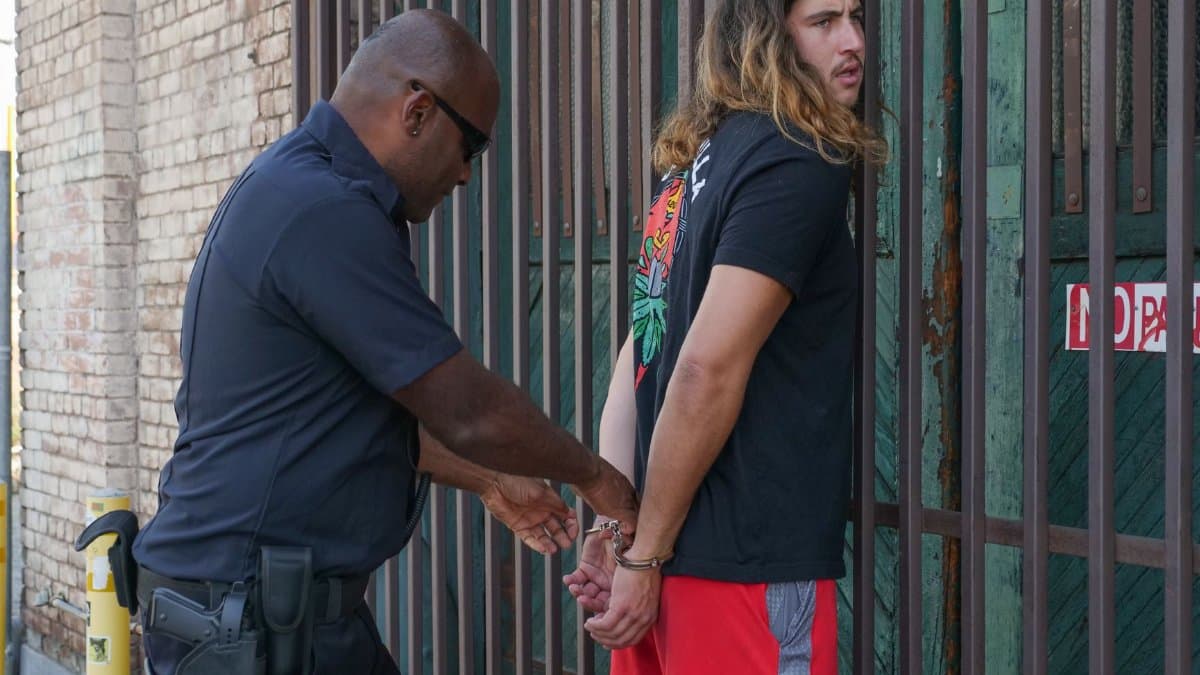
The Dallas Operation 10/90 arrests number, 102, is large enough to dominate a news cycle and small enough to be misread. Dallas is a city of well over a million people. Two districts hold tens of thousands of residents. One hundred two arrests in about thirty days is a serious volume of police contact, especially if many of those arrests involved people who live nearby rather than people passing through. It is still not a crime rate. Crime rates compare incidents to population over time. Arrest rates compare police actions to whatever the department chose to prioritize.
Citations complicate the picture further. Three hundred forty five citations suggest a wide net: traffic enforcement, quality of life offenses, or both. Cities sometimes treat citation heavy operations as order maintenance, the theory being that smaller violations create the conditions for larger ones. Criminologists have argued over that theory for decades. Some studies find modest gains when enforcement is tightly focused on a few high violence micro places and paired with services. Others find that broad, unfocused stops erode cooperation without reducing shootings. A single local tally cannot settle that debate. It can only invite the city to publish the missing pieces.
The case for concentrated attention

There is a straightforward public interest in putting more investigators and patrol officers where gunfire is concentrated. Southern Dallas has endured that concentration of harm. Families who have buried relatives do not experience crime as a statistical dispute. They experience it as a phone call at night. If Operation 10/90 directed warrants, known offenders, and open shooting cases into Districts 4 and 8, many residents will judge the month by whether those specific threats were interrupted.
Police agencies often describe this style of work as precision. Precision requires names, cases, and locations that can be defended in public without exposing witnesses. It also requires restraint. A warrant service on a person already accused of violence is a different civic act from a fishing expedition on a block. The department’s public boast would be stronger if it separated those acts in plain language: how many arrests cleared violent warrants, how many involved guns, how many were for offenses that neighbors actually fear.
The case for skepticism

Skepticism is not hostility to policing. It is the ordinary duty of a city that has watched enforcement campaigns come and go. Arrest announcements can outrun outcomes. A person booked in September may see charges declined in October. A citation may be dismissed, or it may become a fine that a low wage worker cannot pay, which then becomes a warrant, which then becomes another arrest. That cycle is well documented in American cities. It inflates future arrest counts without making a porch safer.
There is also the question of who was stopped and why. Dallas, like other large departments, has faced years of argument over racial disparities in contacts, searches, and use of force. Southern districts are predominantly Black and Latino. An operation that produces hundreds of enforcement actions in those districts will be read through that history whether commanders intend it or not. Publishing demographic breakdowns, search rates, and hit rates would not end the argument. Refusing to publish them guarantees that the argument stays stuck on suspicion.
What residents usually want to know next

After the Dallas Operation 10/90 arrests briefing, the practical questions are simple. Did shootings in Districts 4 and 8 drop during September compared with August, and compared with September a year earlier? Did the drop hold in October? Were the arrests tied to open violent cases, or were they mostly unrelated warrants and traffic matters? How many guns were recovered? How many of the people arrested were released within a day? How many victims were contacted, and how many cases moved to the district attorney with usable evidence?
Those questions are not gotchas. They are the difference between activity and protection. A neighbor does not feel safer because a citation pad was full. A neighbor feels safer when the person who shot into a house is in custody and the case is not about to collapse for lack of a witness or a lab result.
Courts, jails, and the rest of the system

Police do not finish the work they start. The county jail, magistrates, prosecutors, public defenders, and judges decide what an arrest becomes. If September produced 102 bookings and the courts cannot staff the hearings, the public safety gain leaks away. If prosecutors lack the staff to prepare violent cases while low level cases clog dockets, the month of street effort is partly wasted. Dallas leaders who applaud an operation owe the public a paired account of what the rest of the system did with those cases.
Services belong in the same sentence. People cycling through arrest for untreated addiction or unmanaged mental illness are not a secret. A month of citations does not treat either condition. Cities that pair focused enforcement with housing help, job programs, and hospital based violence intervention sometimes see more durable calm. Cities that announce only the arrest number are choosing the cheapest story to tell.
Trust is built in the weeks after the headline

Trust is not a press conference mood. It is whether a witness will pick up the phone in November. Operations that feel indiscriminate make that phone call less likely. Operations that remove a known shooter and then show up at the block meeting to explain what happened, within the limits of an open case, make the next call more likely. Southern Dallas has community leaders, pastors, and neighborhood associations who already do this translation work. They should not have to reconstruct basic facts from a single statistic.
The spiritual language some residents use for this is not soft. It is about whether the city regards their blocks as worthy of both protection and respect. A government that counts only arrests has answered only half of that moral demand. A government that refuses enforcement because the politics are hard has answered none of it. The harder path is specific, documented, and repeatable work against violence, with numbers that can survive a skeptical reading.
How to read the next tally

When the department next cites the Dallas Operation 10/90 arrests, readers should look past the roundness of 102. Ask for the offense list. Ask for the comparison months. Ask what share of citations became warrants. Ask whether response times in Districts 4 and 8 improved while officers were saturated on the operation, or whether other calls waited. Ask who was not arrested: the victims who still need a detective to return a message.
Journalism has a role here that is plainer than commentary. Match the boast to the incident reports. Follow a sample of cases for ninety days. Talk to people on the blocks that were named, not only to the officials who named them. If the month reduced shootings and the cases hold, say so without apology. If the month mostly moved paper, say that too.
A standard worth keeping

Southern Dallas does not need another seasonal slogan. It needs fewer funerals and fewer families surprised by a tow or a warrant they cannot untangle. The Dallas Operation 10/90 arrests can be part of a serious record if the city treats 102 and 345 as the start of disclosure rather than the end of it. Praise, if it comes, should follow the outcomes. Doubt, if it comes, should follow the gaps. Either way, the people who live with the result deserve the fuller count.