
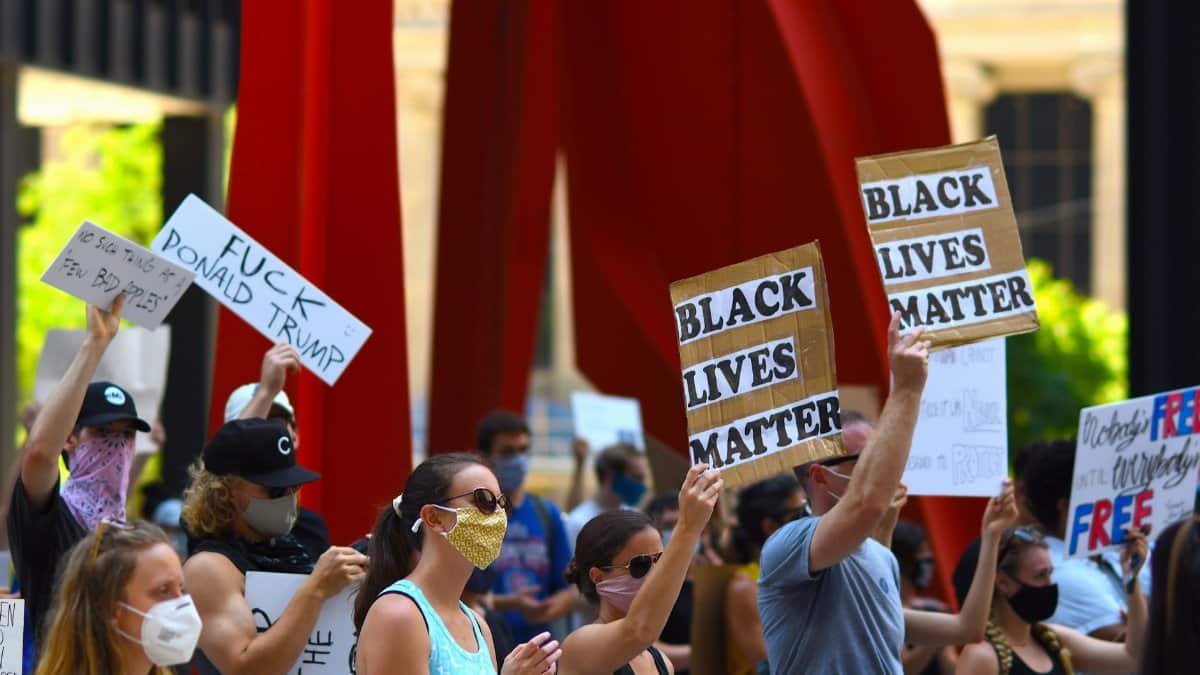
In the late stretch of a hard political year, a fight that Minnesota knows too well returned in public view. Former President Donald Trump used his social media account to single out Somali residents of the state, folding a large and varied community into a story about crime, fraud, and immigration. The episode, now summarized in coverage as Trump Somali Minnesota comments, did more than restart an argument about borders. It asked whether a national figure can treat an entire people as a stand in for misconduct, and what that does to neighbors who already live, work, study, and worship from Minneapolis and St. Paul to smaller cities across the state.
What the posts put into the public square
According to reporting by the Star Tribune, Trump returned to inflammatory language about Somali Minnesotans, tying the community to disorder and to the misuse of public money. The remarks traveled quickly because they came from a former president who remains the central voice of his party. They did not arrive as a policy paper. They arrived as accusation, aimed at a group rather than at named defendants in a courtroom.
That distinction matters. Minnesota has seen real criminal cases involving nutrition program fraud, including defendants with Somali backgrounds. Prosecutors have charged individuals. They have not charged a nationality. When a politician collapses those cases into a verdict on Somali people as such, the claim stops being an argument about enforcement and becomes a claim about belonging.
A community built over decades, not a slogan

Somali settlement in Minnesota is not a recent rumor. Families began arriving in significant numbers in the 1990s, many fleeing civil war and state collapse. Refugee resettlement agencies, churches, and later mosque networks helped people find housing and work. Over time the population grew through family reunification, births, and continued migration. Today Somali Americans are nurses, truck drivers, teachers, shop owners, imams, legislators, and students. Some are citizens. Some are permanent residents. Some are still moving through the immigration system. They are not a single political bloc, and they do not share a single view of Trump, of Governor Tim Walz, or of city government.
Cedar Riverside in Minneapolis remains a visible center, but the map is wider. St. Cloud, Rochester, Willmar, and other towns have Somali neighbors, mosques, and markets. Any account of Trump Somali Minnesota comments that treats the community as a Minneapolis abstraction misses the ordinary geography of the state.
Fraud cases and the leap to collective blame
The Feeding Our Future prosecutions and related nutrition fraud cases are serious. Federal authorities described a scheme that stole money meant to feed children during the pandemic. Juries and plea deals have produced convictions. Those facts belong in the public record. They also belong in proportion.
Collective blame is a different move. It takes the worst proven conduct and pins it on people who had no role in it, including citizens born in Minnesota hospitals. It also ignores fraud cases in the same state that involved defendants of other backgrounds. Crime is not a Somali trait. It is a human failing that the justice system is built to sort person by person. When national rhetoric skips that sorting, it teaches listeners to hear an accent or a hijab as evidence.
How Walz and civil rights groups answered
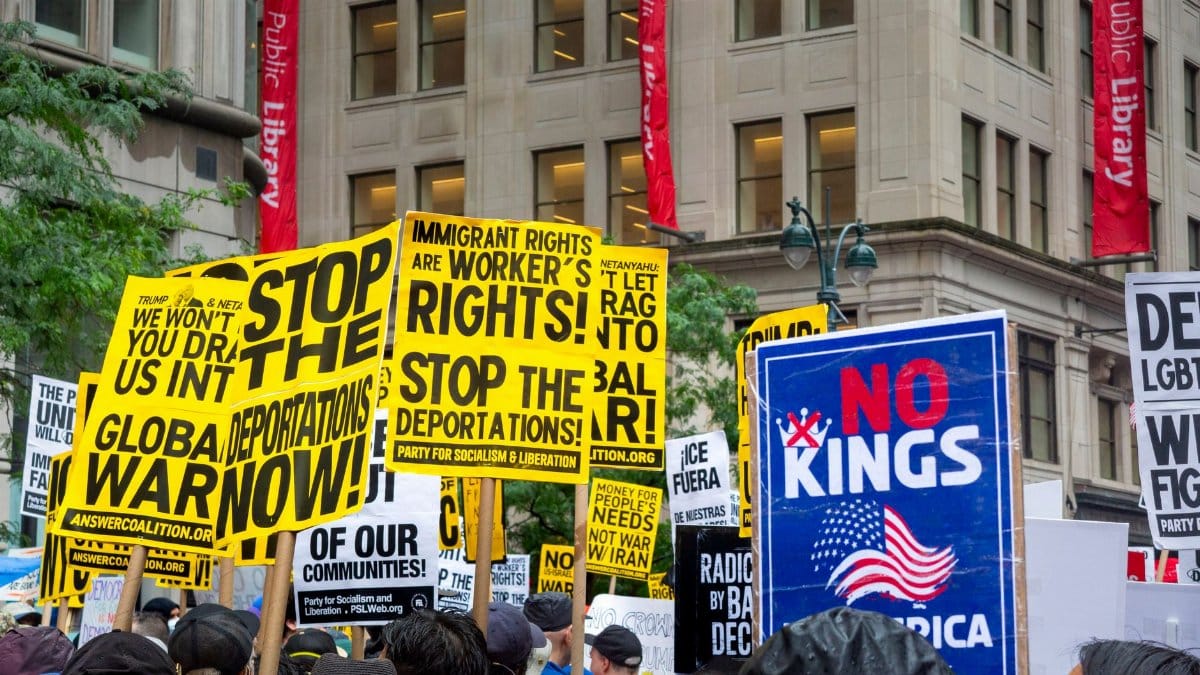
State leaders did not leave the posts unanswered. Governor Tim Walz and allied Democrats rejected the idea that Somali Minnesotans are a suspect class. Their argument was straightforward: Minnesota can prosecute theft without smearing an ethnic community, and it can debate immigration without inviting harassment of families who are already here legally. The Council on American Islamic Relations and its Minnesota advocates condemned the remarks as dangerous stereotyping. Muslim civil rights groups have long warned that language from powerful figures does not stay on a screen. It shows up in school hallways, at store counters, and in threats sent to mosques.
Republican critics of Walz, for their part, say the governor has been too slow to confront fraud and too quick to treat any scrutiny as prejudice. That critique can be made without ethnic insult. The test for both parties is whether they can hold two thoughts at once: public money must be guarded, and a people must not be tried in the comments section.
Faith, mosques, and the spiritual cost of suspicion
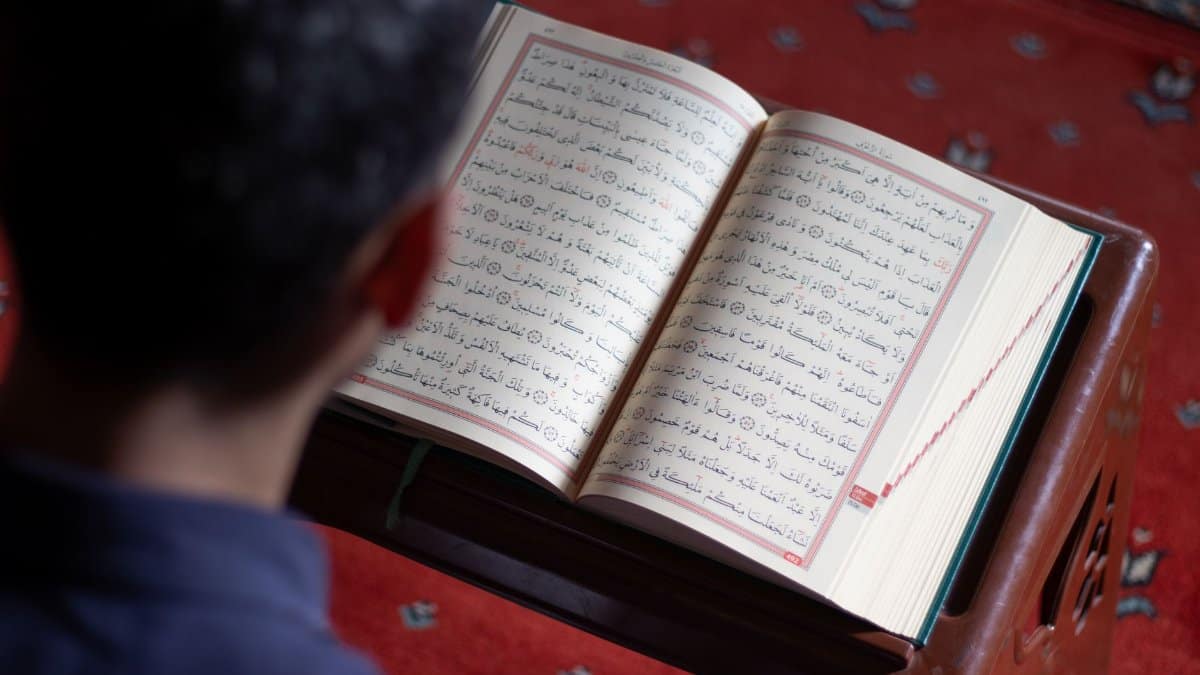
This fight is political, but it lands in religious life. Most Somali Minnesotans are Muslim. Friday prayer, Ramadan nights, and Quran schools are ordinary parts of the week, not exotic exhibits. Interfaith partners, including Christian congregations that sponsored early refugee families, have often been the first to say that an attack on Somali neighbors is also an attack on the civic promise those churches thought they were keeping.
Suspicion has a spiritual cost. Parents describe children who hear their faith named as a problem on television and then carry that weight into class. Imams spend time not only on scripture but on telling worshippers to document threats and to keep showing up. A healthy religious climate does not require agreement about immigration policy. It does require that people can gather for prayer without being cast as a fifth column. In that sense the Trump Somali Minnesota comments are not only a campaign story. They are a test of whether Minnesota still knows how to protect the conscience of a minority.
Ilhan Omar and the national spotlight
Representative Ilhan Omar, a Somali American Democrat from Minneapolis, has been a recurring target of Trump for years. Supporters see her as proof that refugees can reach Congress. Opponents treat her progressive politics, and at times her own sharp rhetoric, as a reason to question the community that sent her. Those are not the same argument. Voters may reject Omar’s positions on foreign policy, policing, or spending. That rejection does not license a smear of every Somali household in her district or beyond it.
National media attention flattens this. A clip travels farther than a precinct meeting. A former president’s post reaches people who will never walk Lake Street or sit in a St. Cloud classroom. The people who absorb the stereotype are often the least equipped to check it against a neighbor they actually know.
What the record does and does not show
Honest reporting has to resist two temptations. One is to pretend that fraud, gang violence, or integration struggles do not exist. They do, as they do in other communities, and local news has documented them. The other temptation is to let anecdotes replace rates, and to let a politician’s adjective replace a charging document. Employment, poverty, language barriers, and trauma from war all shape outcomes. So do entrepreneurship and high rates of citizenship among long settled families. A single social media post cannot carry that complexity, which is why it should not be allowed to stand in for it.
Readers looking for a moral shortcut will not find one. Enforcement agencies should follow money and violence wherever they lead. Elected officials should speak about those cases with names, dates, and statutes, not with ethnic generalities. Journalists should quote the post and also quote the people who have to live beside it.
Fear in schools, shops, and apartment corridors

After waves of national attention, Somali Minnesotans describe a familiar pattern. Business owners hear customers repeat lines they did not invent. Students get asked if they are “legal,” a question that ignores birthright citizenship and lawful status alike. Women in hijab report stares that feel newly licensed. None of this requires a direct order from a politician. It requires only a permission structure, a sense that contempt is now respectable.
Local police and school districts have, in past flare ups, reminded families how to report threats. That is necessary and also insufficient. The deeper repair is social: coworkers, coaches, and congregation members who refuse the shortcut. Minnesota’s reputation for civic quiet can hide how much of its peace depends on people declining to repeat what they heard online.
Immigration debate without ethnic verdicts
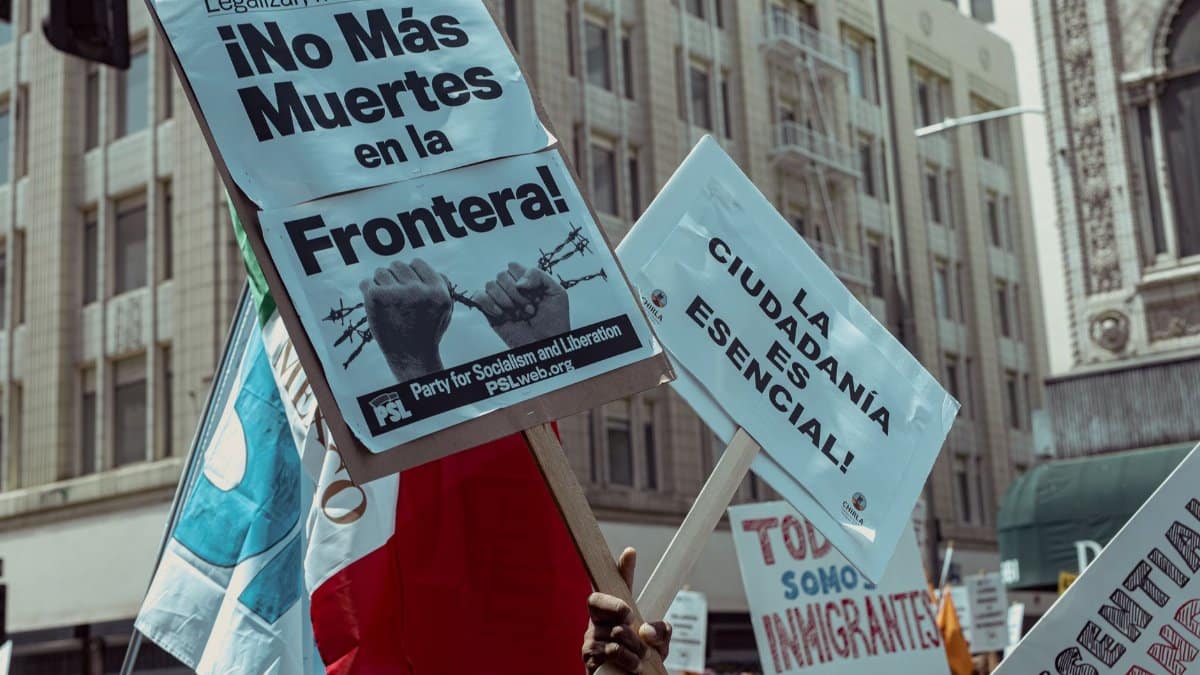
The country is in a real argument about asylum, refugee caps, work visas, and the capacity of cities to house newcomers. Minnesota has felt strain in housing, schools, and social services, as have other states. Those are legitimate subjects for legislation and budgets. They are not answered by declaring a diaspora unwelcome after the fact.
Trump’s allies say blunt speech is the only way to force attention onto costs that polite officials ignore. Blunt speech about policy can be specific: numbers of arrivals, shelter beds, fraud losses, court backlogs. Blunt speech about a people is something else. It recruits anger that cannot be spent at a hearing. It lingers after the news cycle moves on, which is why the Trump Somali Minnesota comments will outlast the week in which they were posted.
What accountability looks like from here

Accountability runs in more than one direction. Candidates who inflame should be asked, in interviews and debates, to name the individuals they mean and the laws they would change. Officials who minimized fraud should be asked why controls failed and who was protected by delay. Community leaders should keep cooperating with investigators rather than treating every subpoena as an ethnic attack. Voters should notice when a sentence punishes a thousand people for the crimes of a few.
Walz, CAIR, and Republican critics will keep talking past one another if the only choice on offer is loyalty or betrayal. A better public standard is narrower and harder: prosecute theft, protect worship, argue about immigration with statutes rather than slurs, and refuse to let a former president’s feed define who counts as a Minnesotan. The Somali community in this state is not a metaphor. It is a set of households with addresses, jobs, and children in public schools. Any politics that forgets that is not tough. It is careless, and carelessness from a high platform is a form of harm.